So far, it’s been a weird winter.
The East saw a rip-roaring start. But for many resorts out West, it never really got started. Now, from California to Colorado, mountains are packing it up. In some cases, they’re closing weeks ahead of schedule.
Given the news buzzing around the heat dome and record-breaking temperatures, the end of this month, for western skiers, has had a funereal vibe—the sort that makes them want to say “screw skiing” and break out their mountain bike, climbing harness, or golf clubs. Mother Nature and Old Man Winter, after all, haven’t been particularly kind to some geographies.
And yet, despite the snow drought, many places have, in fact, stacked up powder. Plenty of them are in British Columbia, having somehow dodged this season’s worst. But they’re elsewhere, too. To give you an idea of which ski resorts are still holding on to decent snowpacks ahead of April, we made a list of some of the deepest snowpacks in North America.
A word of warning, though. Snow measurement is not standardized across ski resorts. Some provide multiple elevations, others don’t. All of these totals came from ski resort snow reports, so that degree of uncertainty is baked in.
Also of note: these are base depths, not snowpacks. All the snow in the world doesn’t matter if the temperatures climb and melt it away.
Stats pulled on Thursday, March 26, 2026.
The 2026 POWDER Photo Annual is here! Look for a print copy on a newsstand near you, or click here to have a copy shipped directly to your front door.
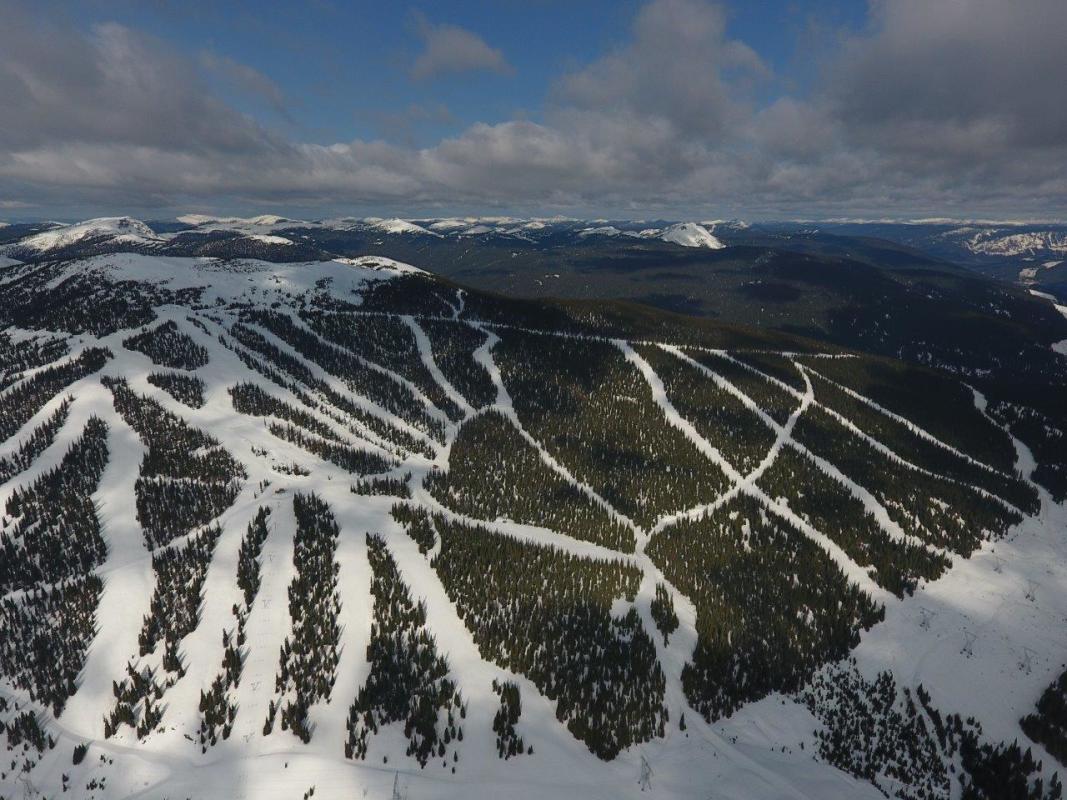
1. Powder King, British Columbia
Top T-Bar: 171 inches
Day Lodge: 91 inches
A sneaky ski area tucked away in northern British Columbia, Powder King has a reputation for, well, powder. The place stacks up 492 inches of the good stuff on average, making it one of the continent’s snowiest ski resorts.
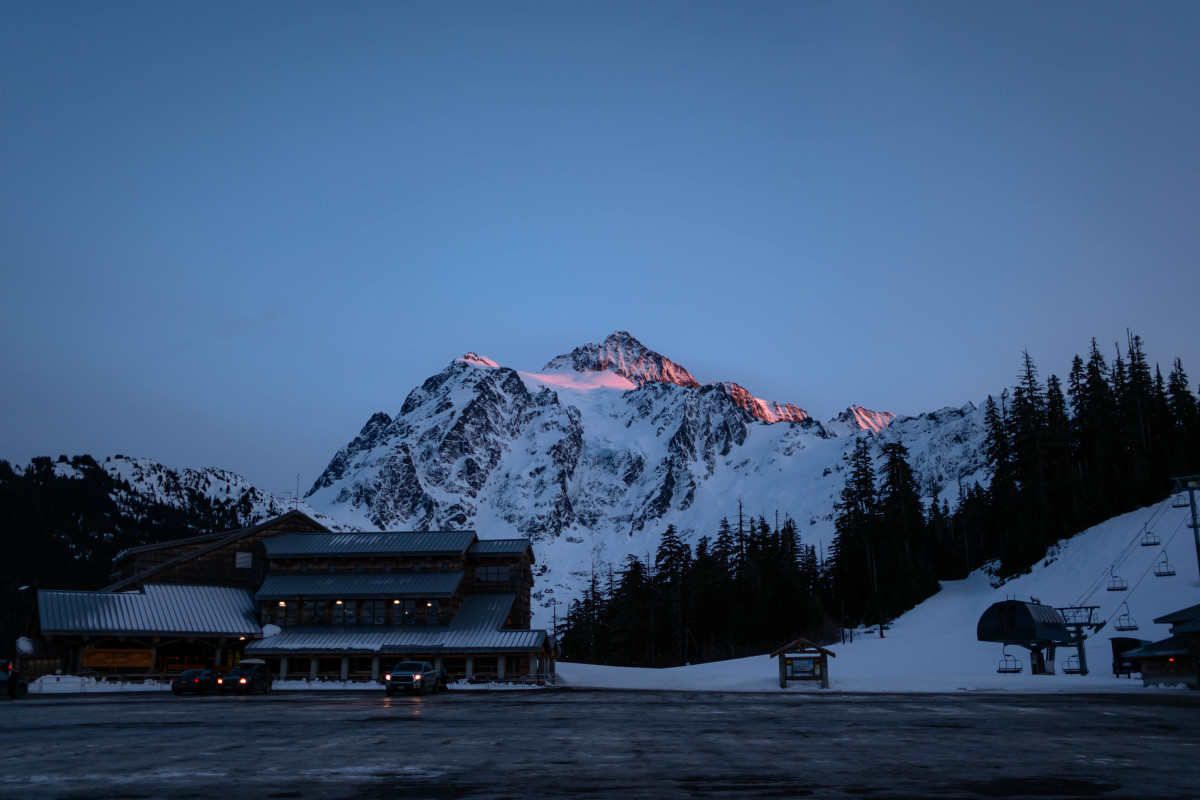
Photo: Izzy Lidsky
2. Mt. Baker Ski Area, Washington
Pan Dome: 154 inches
Heather Meadows: 103 inches
Surprise, surprise. Even as Washington has, generally, had a bumpy ski season, Mt. Baker has still attracted plenty of flakes. That makes some sense. The ski area holds the world record for the most snow in a single season. During the winter of 1998 and 1999, a whopping 1,140 inches fell there.
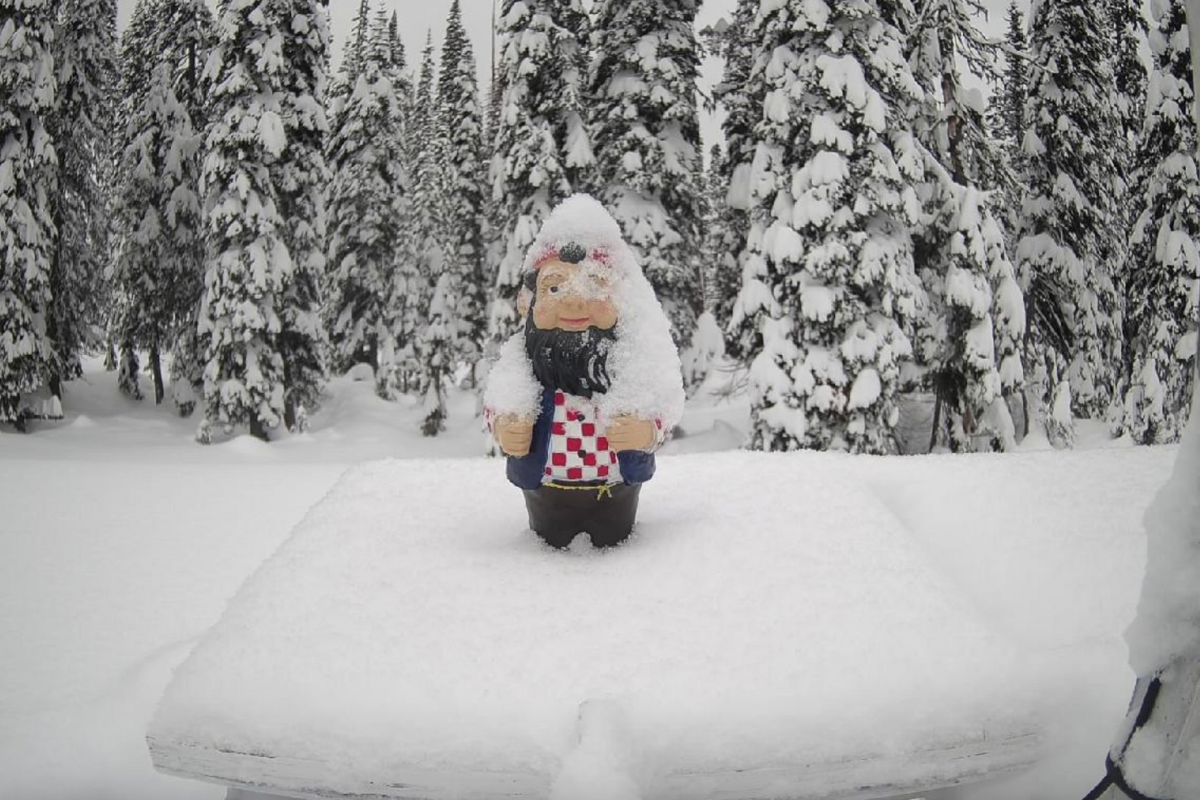
Photo: Revelstoke Mountain Resort
3. Revelstoke, British Columbia
Total: 125 inches
Now, we’re back in Canada. Just beyond the border, as Americans were wondering if something was wrong with their thermostat, many of British Columbia’s resorts were doing just fine. With over 440 inches of snow so far, Revelstoke’s already into above-average territory. That snow’s coalesced to a depth of about 125 inches.
Ian Greenwood
4. Mammoth Mountain, California
The Summit: 114 inches
Main Lodge: 44 inches
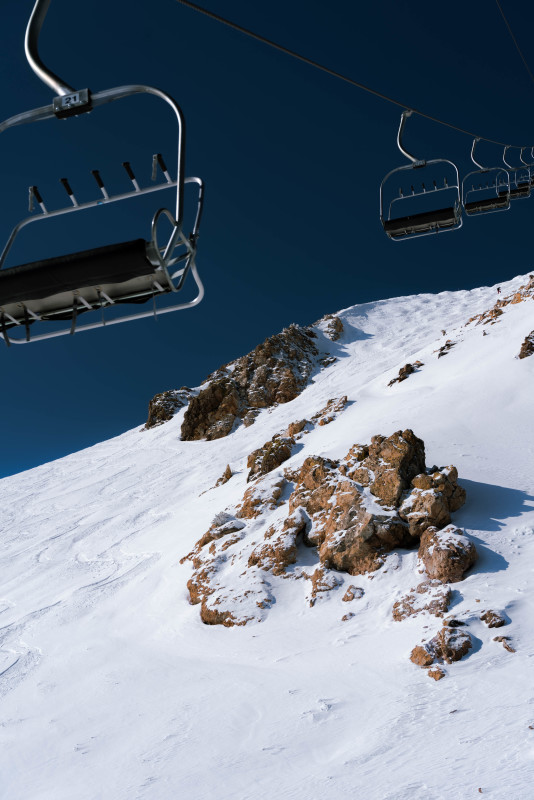
After being on the receiving end of a few absurd storms this season, Mammoth Mountain is in solid shape. The resort, as of now, is aiming to stay open until at least Memorial Day. As we can attest, Mammoth is the spot to be in May.
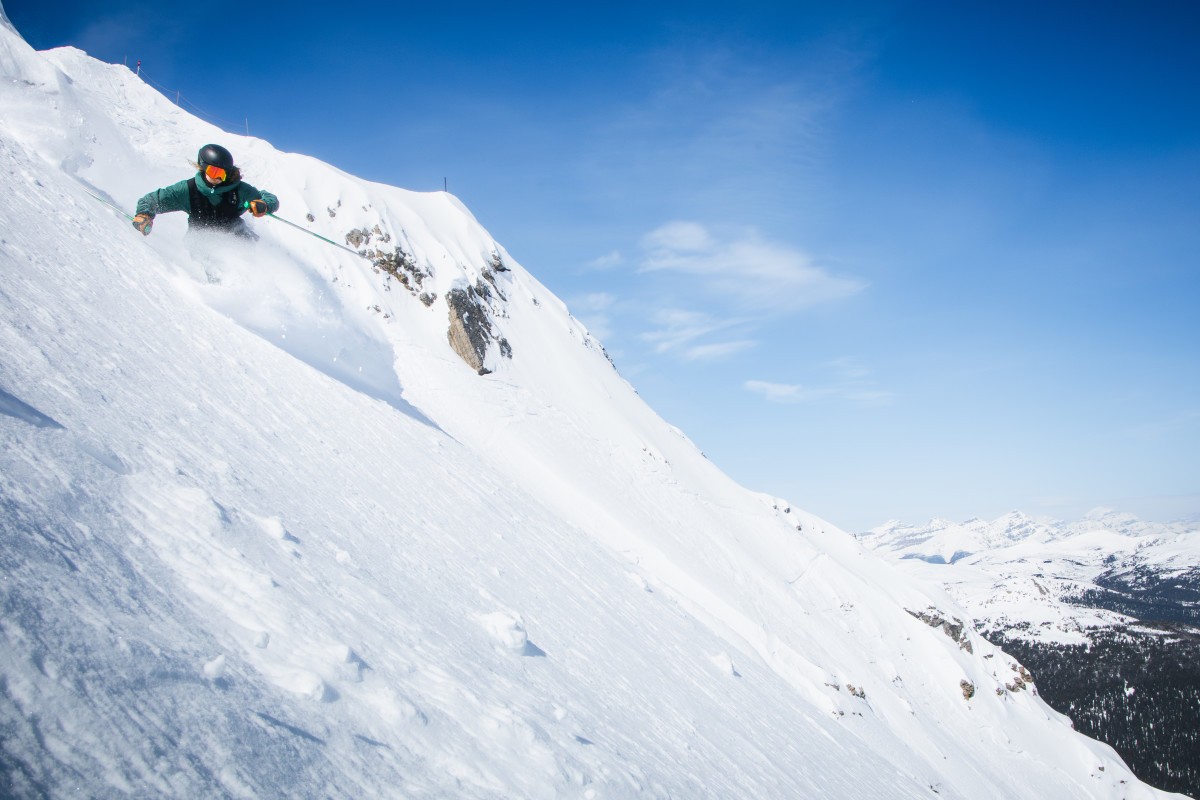
Photo: Hanne Lundin
5. Banff Sunshine, Alberta
Upper Mountain: 110 inches
Mid Mountain: 93 inches
With a name like Sunshine, you might expect only sunshine. But in Banff, the sun goes away sometimes, too, setting the stage for powerful storms. This season, they’ve consistently battered Banff Sunshine, establishing a solid base at the resort for the season’s final stretch.
Photo: Indy Pass Press Kit/Eaglecrest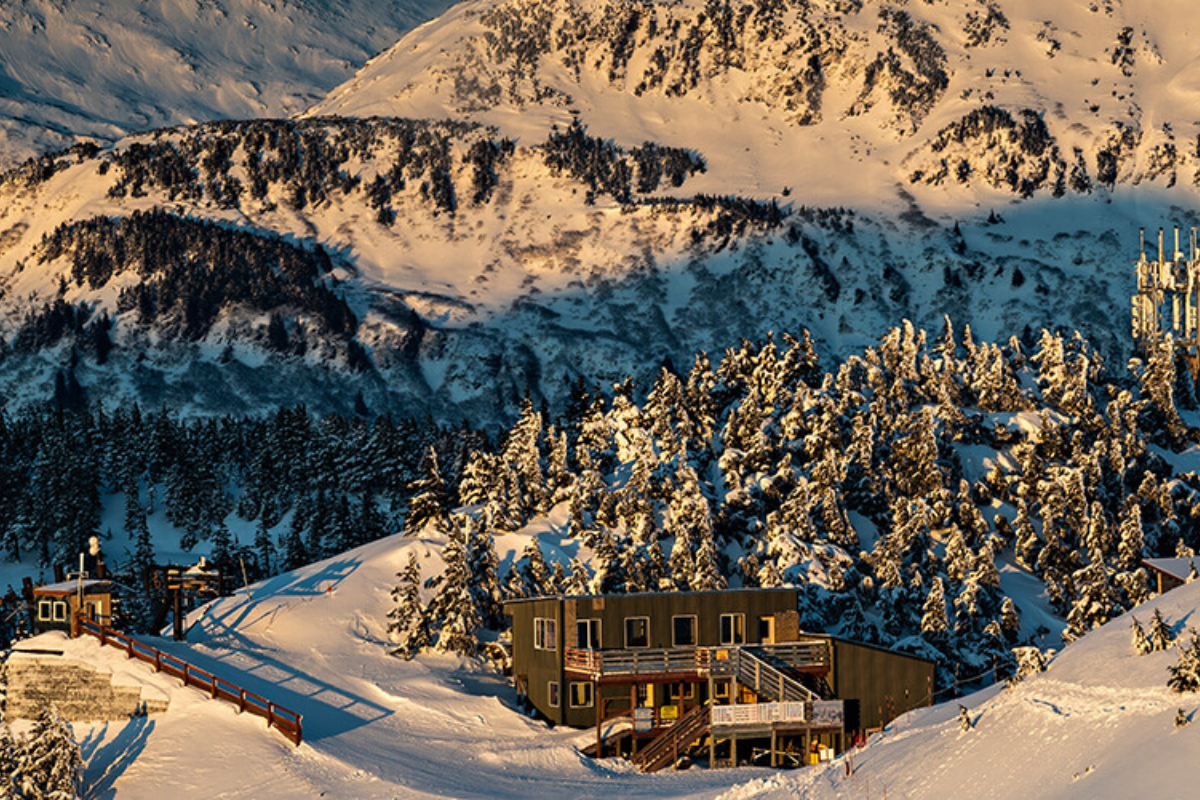
6. Eaglecrest, Alaska
Summit: 106 inches
Base: 70 inches
Every town should have a local ski hill. For Juneau, it’s Eaglecrest, a little gem that flies under the radar and, as this winter’s shown, sees nice snow totals.
Courtesy of Alyeska Resort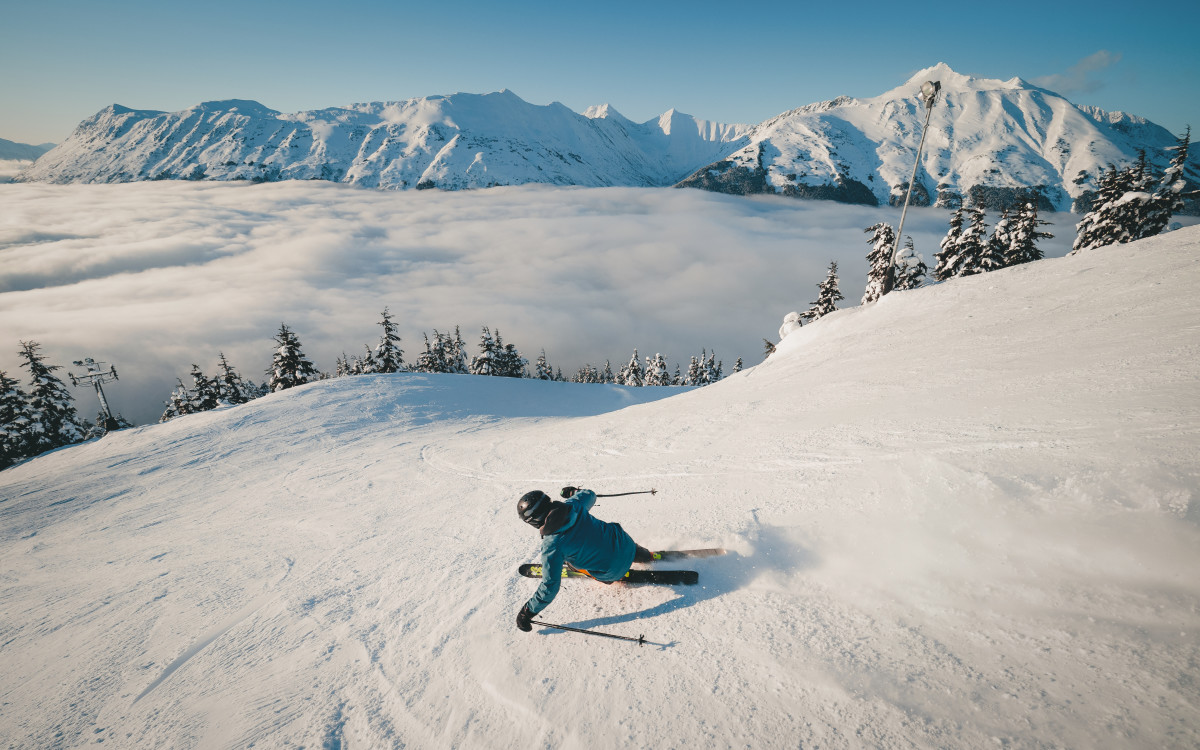
7. Alyeska, Alaska
Top: 105 inches
Base: 22 inches
Another stalwart in the Last Frontier, Alyeska fills Alaska’s “destination resort” niche. The resort’s one of the mountains where conditions can vary wildly with elevation, helping explain the disparity between the top and base totals.
Fernie Alpine Resort/Mark Shannon
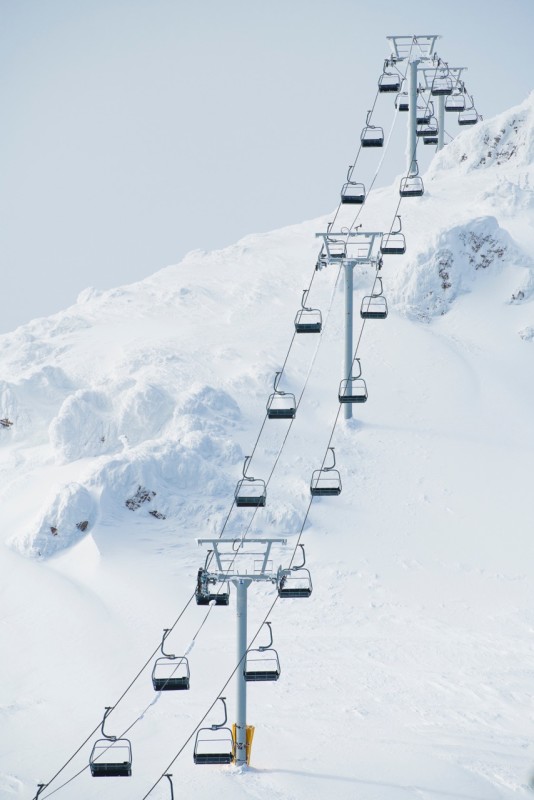
8. Fernie, British Columbia
Total: 99 inches
If you need further evidence of British Columbia’s more-than-decent ski season, look to Fernie. Like Revelstoke, it’s a pitstop on the Powder Highway, a circuit that, this winter, is living up to its lofty name.
Ian Greenwood
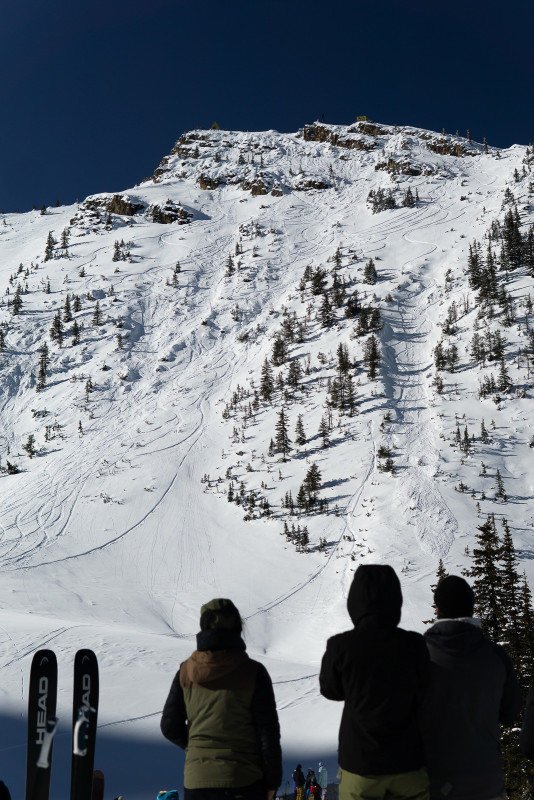
9. Kicking Horse, British Columbia
Total: 98 inches
Venture north, and you’ll hit Kicking Horse. Home to one of the most unique lift layouts around—it can feel more like a lift-accessed backcountry zone than a resort—this mountain boasts terrain worthy of a Freeride World Tour invite. And, of course, snow. Kicking Horse recently cruised past its all-time snowfall record for the month of December, tallying a dizzying 11 feet.
Courtesy Lake Louise Ski Resort
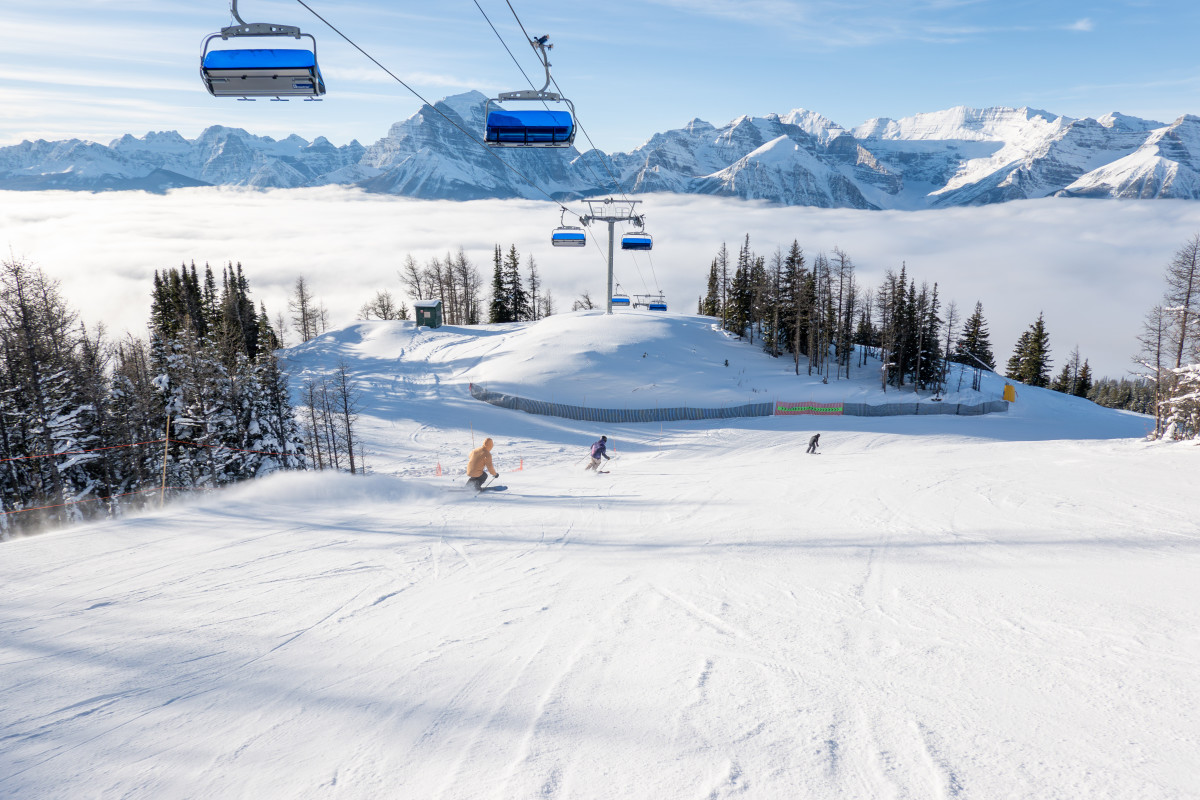
10. Lake Louise, Alberta
Upper Mountain: 97 inches
Mid Mountain: 78 inches
Finally, there’s Lake Louise. Not to be outshone by its neighbor, Sunshine Village (sorry, had to), Lake Louise is a fine place to shack up as winter dwindles. While you’re at it, give the lake a peek, too.
Related: The Best 10 Days of Skiing Sun Valley Has Ever Seen