Published March 5, 2026 10:10AM
When Tony Vagneur traded his skis for a picket sign, his ski patrol team had high hopes of shutting the ski area down and forcing the mountain to provide better wages and equipment.
Reactions in town were mixed, but ultimately, most skiers were happy to cross the picket line and hit the slopes.
Sound familiar? Over the past two ski seasons alone, strikes at resorts like Park City, Telluride, and Le Massif de Charlevoix in Quebec have made international headlines.
Vagneur’s story is similar to those of employees at all these resorts—but his happened over 50 years ago.
Vagneur was a first-year patroller at Aspen when the teams at Aspen and Snowmass orchestrated the ski industry’s first strike in 1971. The ski areas quickly replaced them, and most were forced off the picket lines into other jobs to pay the bill.
But, by the next season, the replacements had moved on, and the old team was hired back with a new progressive wage structure and better pay than ever before.
Same old, same old
Half a century later, the sticking points are exactly the same: wages, workplace safety, and the need for a progression structure that allows teams to retain enough experienced employees to actually keep the mountains safe. Jobs like ski patrol and lift maintenance require years of training, niche skills, high risk tolerance and unique local knowledge. But by the time employees become competent, they can’t afford to stay.
The rapid turnover isn’t just a bummer for them. Guests pay big bucks to ski at resorts with extreme terrain, professionally maintained lifts, and trails that are professionally avalanche-mitigated. And if the worst-case scenario happens, they probably want a professional to come to their rescue.
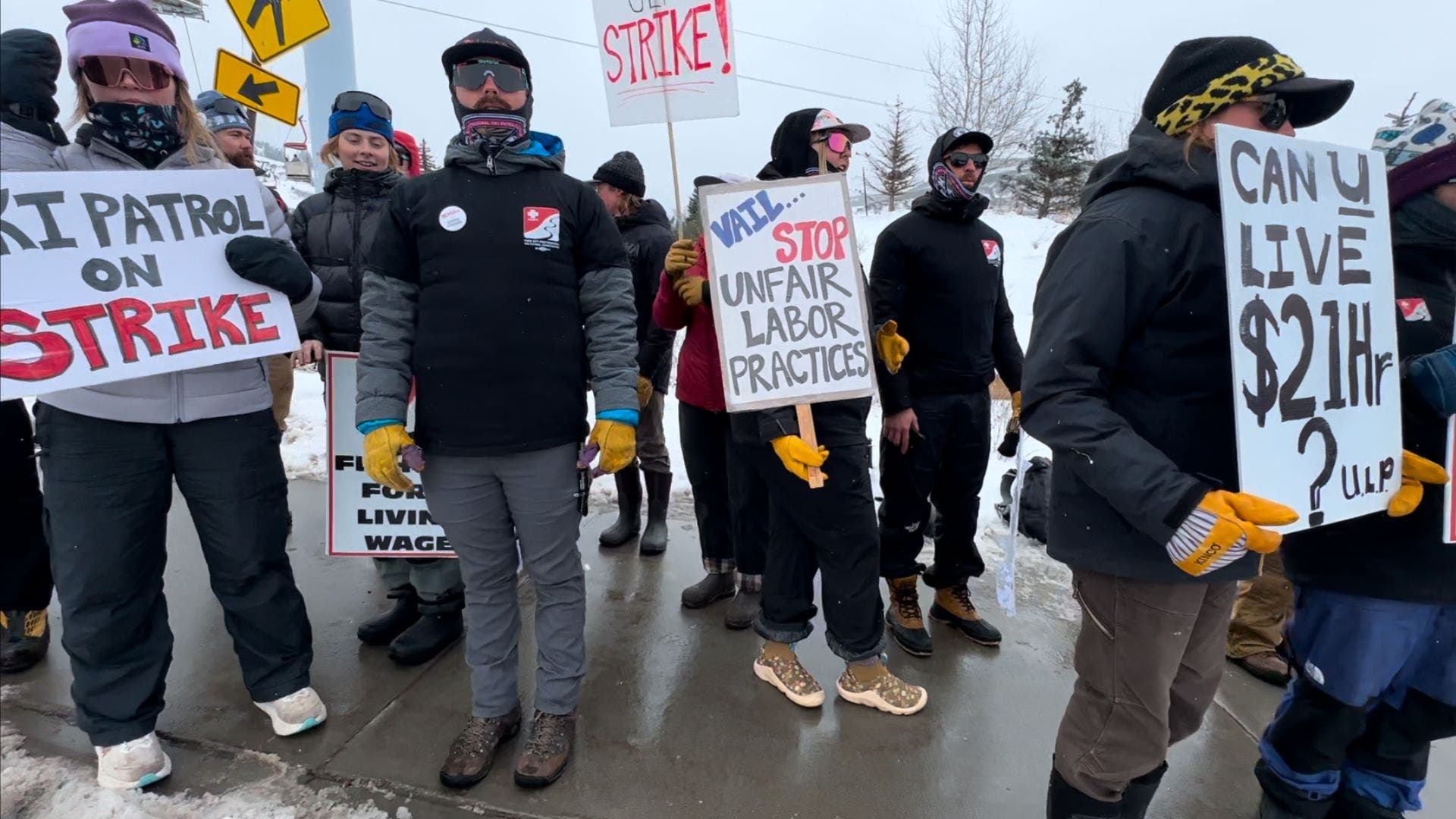
“In order to have professional people, we have to provide not just a wage structure, but working conditions that will persistently retain employees,” said Park City patroller and United Mountain Workers President Max Magill.
Just as it did 50 years ago, union activity is pushing the industry, kicking and screaming, into making changes in this direction. But the ski world has also changed since the ’70s, as growing income inequality, housing shortages, and corporatization of ski areas put even more pressure on mountain workers.
“The squeeze that’s being put on workers in mountain communities has become much more dramatic and pressing, and it’s created a totally unsustainable living situation,” said Magill, later adding, “If we as workers don’t stand up for ourselves directly, we’ll be taken total advantage of.”
Growing union activity
The issues pushing the working class out of the mountain towns that depend on them have simmered for years, but now they’re boiling.
“The Covid pandemic had a pretty disastrous effect on many mountain towns,” Magill said. United Mountain Workers, a union under the larger Communication Workers of America Union that oversees all mountain worker unions in the U.S. except Aspen’s, has tripled in size since 2019 as a result.
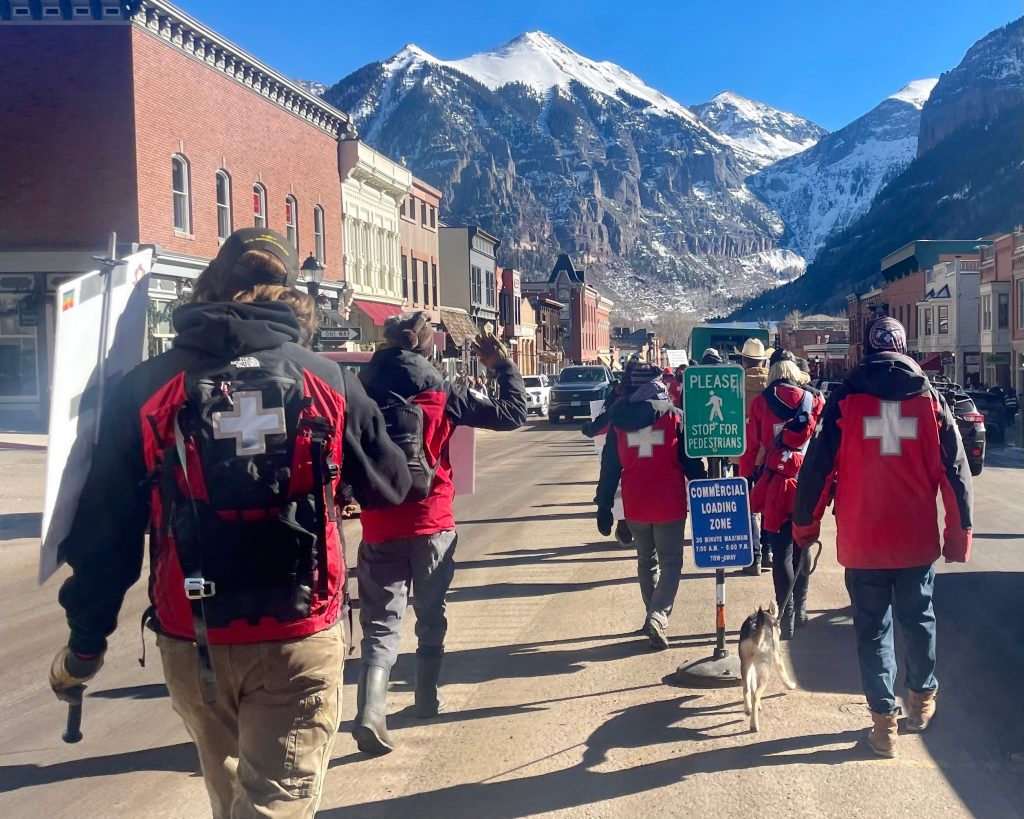
Now, it represents almost 20 local bargaining units, and interest is still surging. Telluride’s ski patrol unionized just over a decade ago when the mountain came under new ownership, and 20-year patroller Jessica Blount explained, “We knew we needed to give ourselves some sort of security.” Unionizing allowed the team to prevent losses of wages or benefits and advocate for a better wage structure going forward.
Just a few hours away, the Crested Butte Lift Maintenance team unionized more recently in 2023. Around a year later it authorized a strike, which president Thomas Pearman said prompted an “overnight tune change from the company.”
That strike didn’t make the news, though, because it never happened. Just the possibility put pressure on the resort to bring a better offer to the table after months of negotiating, and the union secured a contract Pearman described as a “win for lift maintenance everywhere.”
While most of UMW’s bargaining units are ski patrols, Crested Butte’s was the second lift maintenance team to unionize after Park City’s, and Pearman said he wouldn’t be surprised to see more mechanics following suit in the coming years. His team’s most recent contract accomplished major goals, including better training, wages, workplace safety standards and a clear path of progression for employees. For the first time, the job seemed to provide a sustainable career pathway.
“It seemed impossible before that,” he said. “It was constantly a revolving door.”
Before the new contract, Pearman said, employee turnover was around 50 percent. This year? It was zero.
Demanding “dream jobs”
Despite the idea that mountain jobs are dream jobs and employees are easily replaceable, the reality is these roles aren’t so easy to fill or learn.
Each lift on each mountain is unique, and mechanics know the intricacies of every machine.
“There’s so many details that everyone is constantly learning, whether you’re doing it for five years or 20,” Pearman said. And without a locally experienced team, small details are easily missed. It’s a dangerous, year-round job, and the heavy lifting actually comes during the summer, when lifts are inspected piece by piece. In winter, mechanics must be able to reach any part of any lift in any condition if something needs fixing or inspecting.
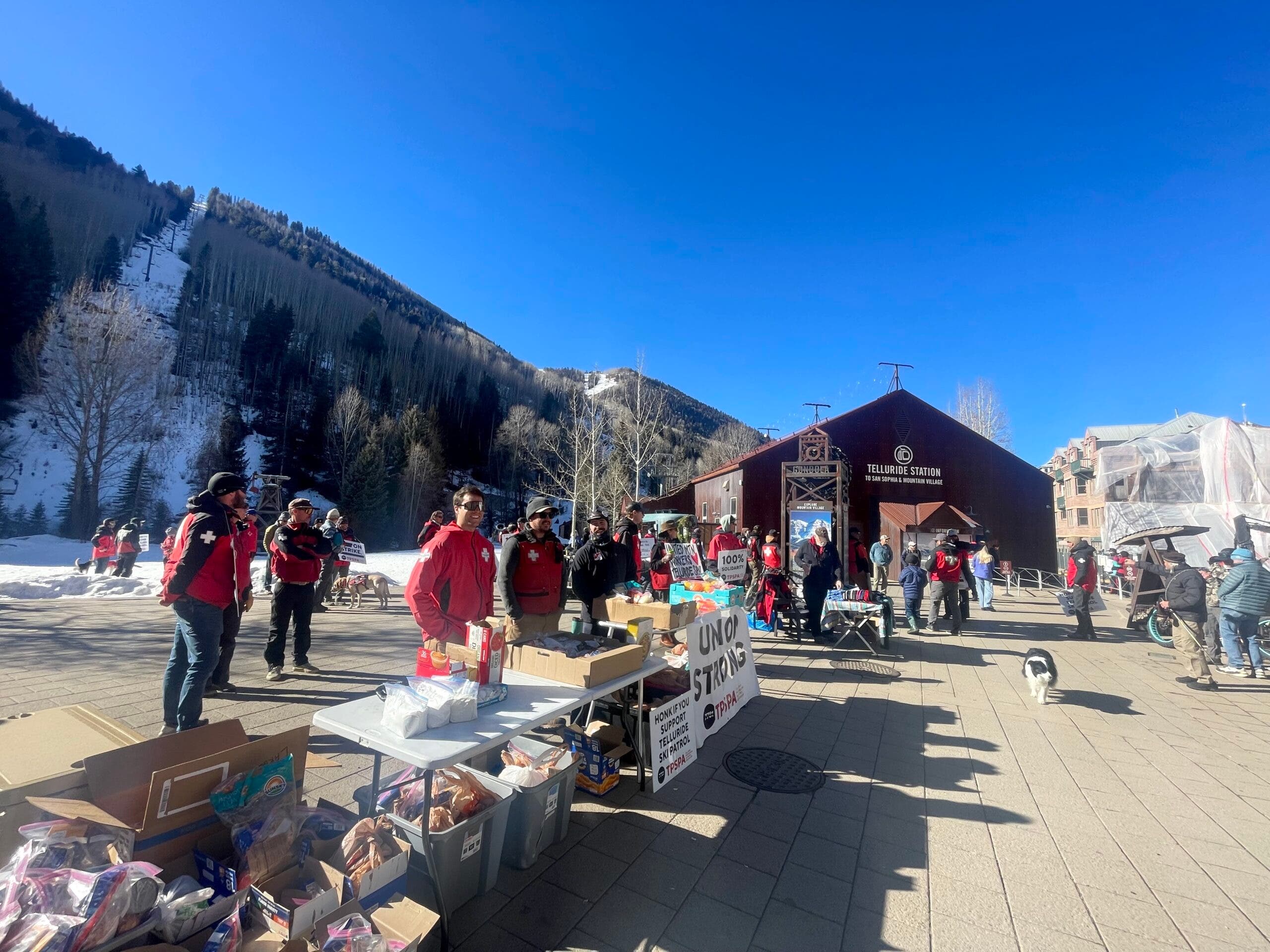
Local knowledge is essential for ski patrollers as well, who must be able to ski, avalanche mitigate, and evacuate guests from every nook and cranny on the slopes. At resorts like Telluride with extreme and avalanche-prone terrain, that’s no small demand. Blount said the position may be coveted, and the patrollers love it, but the hiring reality is “we can’t get our head above water.”
For example, she explained, 16 recruits came to the last hiring clinic, eight passed the ski test and were offered trainee positions, four could afford to move to town, and one got injured before the season started. Of the rookies who remain each year, time will tell how many actually stick around long enough to become competent, let alone pass down their knowledge to the next generation.
The impact
Vagenur’s crew didn’t succeed in shutting down Aspen all those years ago, but Telluride folded immediately without its patrollers, closing for over a week over the busy Christmas holiday despite months of trying to recruit replacements.
Last year in Park City, the effects of the strike went viral even though Vail Resorts kept the mountain open by pulling replacements from other ski areas.
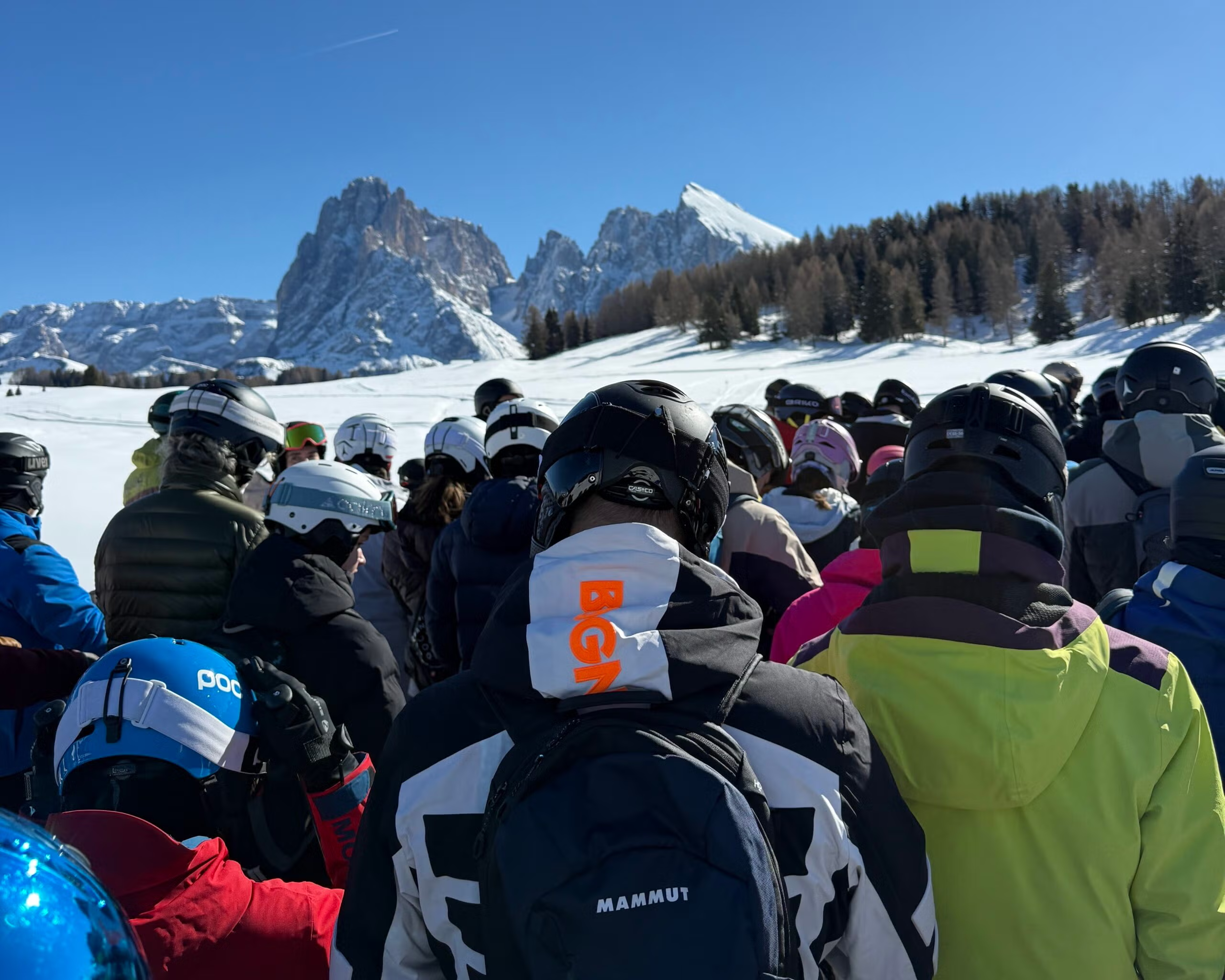
“The guest experience was completely ruined,” Magill said. Emergency response times increased, photos of massive lift lines circulated on social media, and the company’s CEO ultimately stepped down soon after. He described the contract patrollers won as “complete and total victory.”
Magill, Pearman and Blount, however, never wanted the cost of success to be the guest experience. But, they explained, if the ability of mountain workers to make a sustainable living keeps getting chipped away, the slopes that skiers pay so much to access will gradually become more unsafe and less enjoyable for everyone.
In Telluride, the cracks are already showing. Blount explained half the patrol is over 50, and the team barely has enough staff to cover the mountain every day. As a result, it takes longer to get terrain open after storms, and sometimes popular terrain can’t be opened at all. If teams like hers keep facing hiring and retention issues, skiers may miss out on exactly the kind of trails they pay so much to enjoy.
What’s worse, the loss of institutional knowledge could lead to dangerous situations. When the old hats who know each intricacy of a T-bar or avalanche path retire, how many experienced staff will be left to train the next generation?
“I hope people realize the severity of the situation,” Blount said, later adding, “It’s unsustainable.”