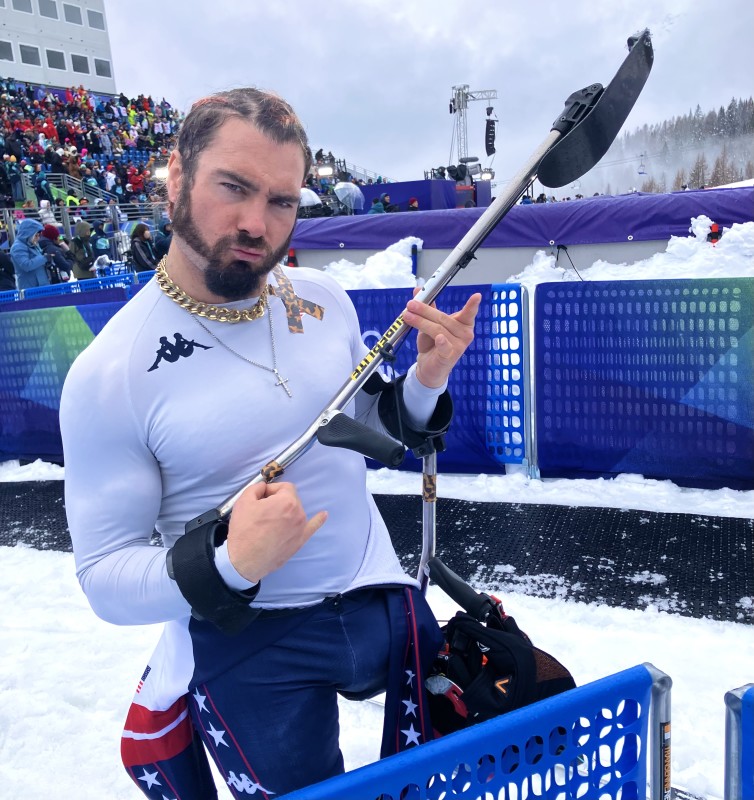
Beyond para athletes displaying their best on ice and snow, the larger impetus of the Paralympic and adaptive sports movement has always been to change perceptions about disabilities, break down barriers, and foster greater inclusivity in society.
By all accounts, as expressed by these inspiring athletes and other leading figures in the movement, the Milan-Cortina 2026 Paralympics checked all of these boxes.
The 50th Anniversary edition of the Winter Paralympic Games, which unfolded over ten days, March 6-15, 2026, across Northern Italy with the jagged Dolomites mesmerizing from above, was groundbreaking, while establishing new benchmarks for adaptive sports and enhanced exposure for awareness about disabilities.
Para athletes were extremely impressed across all fronts during their time spent in Italy.
“It’s been an unreal experience, having my family here now, and just having more countries and people in the (athletes) village has been super cool,” said Sun Valley, Idaho’s Jesse Keefe, who competed in alpine skiing at his second Paralympics. “It’s been just awesome to really connect with so many new people and make everything feel like a genuine Games experience.”
A record 55 countries and 611 athletes competed across six winter sports, with 27 nations winning medals. Host nation Italy amassed its largest-ever Winter Paralympic medal haul with 16, while the United States brought home 24 medals, including 13 gold, second to only China in both categories.
A record attendance for a Para ice hockey game happened in the U.S. versus Canada gold medal final, as 11,500 spectators watched Team USA defeat their North American rivals, 6-2, to earn a fifth consecutive Paralympic gold medal. The dominant Declan Farmer became the Paralympics all-time leading scorer during the tournament.
Brian Pinelli
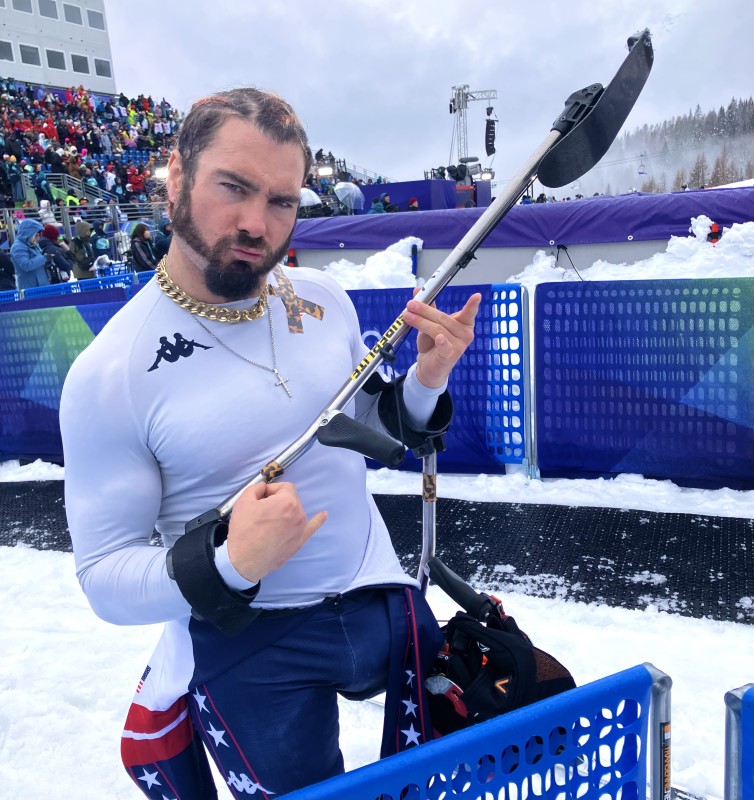
Para alpine skier Patrick Halgren stole the show, quickly ascending to rock star status after his stellar silver medal-winning super-G run, the exposure only heightened by his larger-than-life personality, unpredictability, entertaining commentary, and impromptu stand-up comedy routines, delivered to international media and fans alike. Occasionally, the 33-year-old Halgren was slightly more serious.
“This was the most fun I’ve ever had, and I mean that. This was a special experience that will create a memory lasting a lifetime,” Halgren told POWDER, after his final slalom run. “In Beijing (2022), the Italians were the most upset about the no fun rule, where you couldn’t have alcohol, you couldn’t leave the village, and you could see the frustrations in their eyes,” he noted, about the Games held during a pandemic.
“So, we were all really excited to come to Italy and put on a show and performance for the whole world.”
Record Numbers
Halgren certainly did his part to entertain viewers consuming the Games across the globe. 126 countries watched, and YouTube viewership skyrocketed.
All events were streamed live on the Paralympics YouTube channel. In total, the Milan-Cortina Paralympics amassed 414 million views, 67% higher than the entirety of 2024, which included the Paris Summer Paralympic Games.
One can only surmise that the growth in numbers is directly related to the inspiring performances and high quality of competition.
Alex Grimm/Getty Images
Changing Perceptions and Facilitating Change
Chris Waddell, a 12-time Paralympic alpine skiing medalist, ambassador, and NBC Olympics host, spoke about the power of the Games and the tremendous strides that he has witnessed in the movement.
“We’re reaching more people throughout the world with the very human side of sport, struggle, and striving for mastery,” Waddell tells POWDER. “I hope that the spectacle of Paralympic sport has far-reaching ramifications regarding how we see ourselves and particularly how we challenge assumptions about the people with disabilities that we encounter in our lives.”
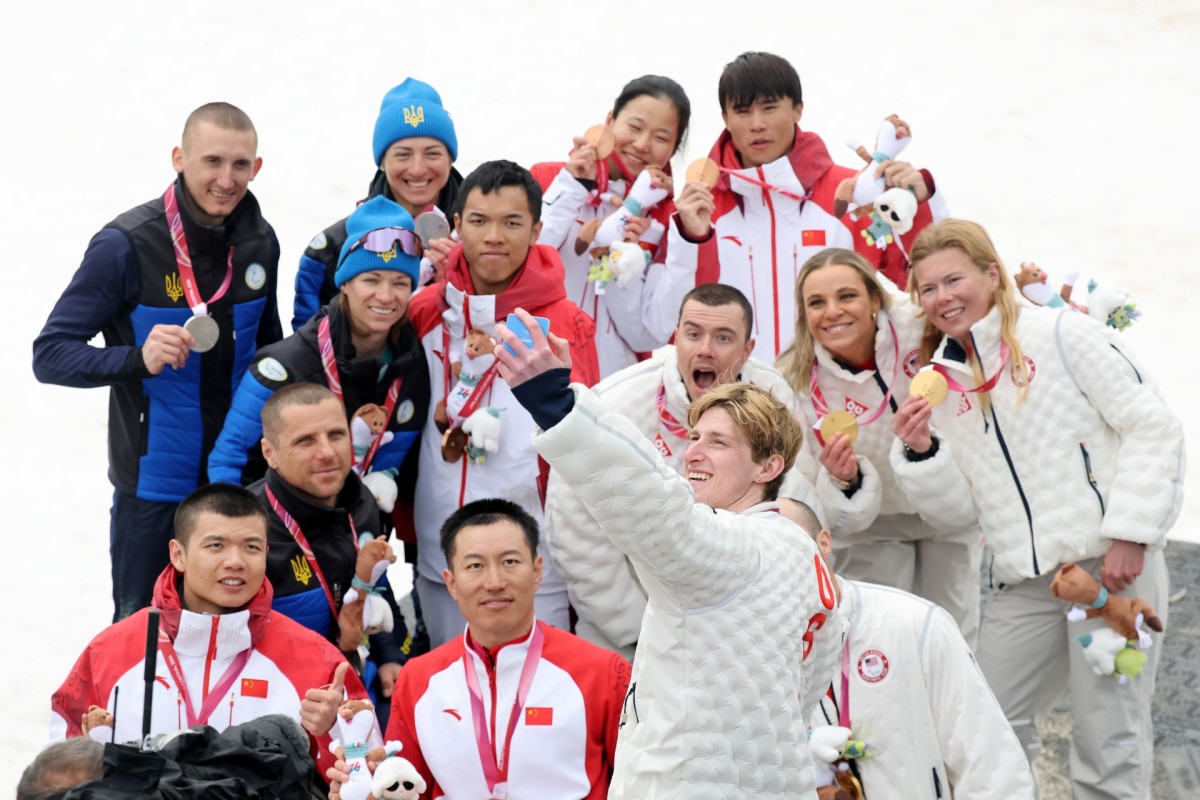
Perhaps the greatest impact was made by the arguably most inspiring stars of the Milan-Cortina Paralympics: U.S. Para cross-country skiers Oksana Masters and Jake Adicoff, and the visually impaired Austrian alpine skier Veronika Aigner, who combined to win four gold medals. Masters raised her Paralympic medal tally to 24, making her the most decorated U.S. Winter Paralympian.
Naturally, the Italians took enormous pride in welcoming the world just two weeks after the conclusion of the Olympic Winter Games, and in helping spread a powerful message. Rene di Silvestro, a local ski racer from San Vito di Cadore, delivered gold and silver medals on the Cortina slope to his dedicated legion of fans. He spoke about the greater impact of hosting the Paralympics and what it meant for his town and country.
“We’re just a little town here, so hosting the world is not easy, but I think we showed many people that everything was possible, and overall we did much better than was expected,” Di Silvestro said.
Maja Hitij/Getty Images
Russia’s Participation and Ukraine’s Protests
Despite countless displays of sportsmanship, goodwill, and mutual respect among para athletes, these 14th Winter Paralympics were not devoid of controversy and disputes. Russia’s inclusion, as decided by the International Paralympic Committee (IPC), meant competitions with political overtones and tension.
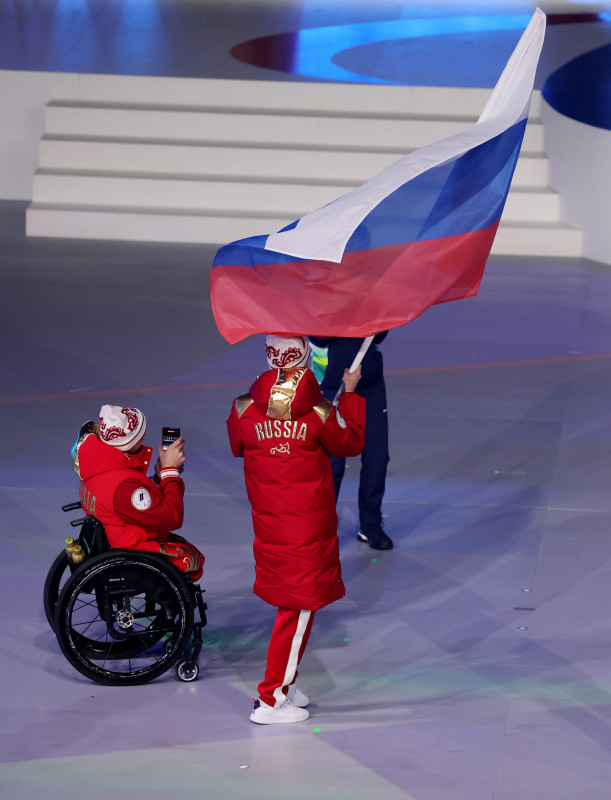
Athletes from the Russian Federation competed under their flag for the first time since Sochi 2014, prompting protests and backlash from Ukrainian athletes and leaders, as well as supporters from other countries. Russian athletes won eight gold medals, the third-highest total, meaning their national anthem was played eight times. Athletes from other nations looked away, kept hats on, and staged other small protests during these occasions.
Cross-country skier Oleksandra Kononova was reprimanded for wearing patriotic earrings with the Ukrainian flag and the inscription “Stop War”. Furthermore, a pair of German athletes refused to take photos alongside fellow Russian medalists on the medals stand.
Ukrainian athletes were warned and admonished by the IPC and President Andrew Parsons, and were prevented from marching in uniforms that displayed a map of their country at the opening ceremony, deeming it a political statement.
Valerii Sushkevych, the president of the Ukraine National Paralympic Committee, told the Associated Press that calling for peace and to stop the war was not a political statement, but a human-rights issue.
“If people in the world want to live in peace, it’s human rights, it’s not political,” Sushkevych said.
Russian ski racer Aleksei Bugaev, 28, who won three medals, including one gold, said that he did not encounter any issues among fellow athletes. “No problems, everyone has been friendly to me,” Bugaev said after his final race.
“I am very proud to be here to see my national flag and hear my national anthem.”
As yet another protest against the visibility of the Russian Federation flag and the country’s athletes taking part, Ukraine boycotted the closing ceremony. A number of other central and eastern European countries supported and joined them.
Brian Pinelli
Battling Mild Weather and Slushy Snow Conditions
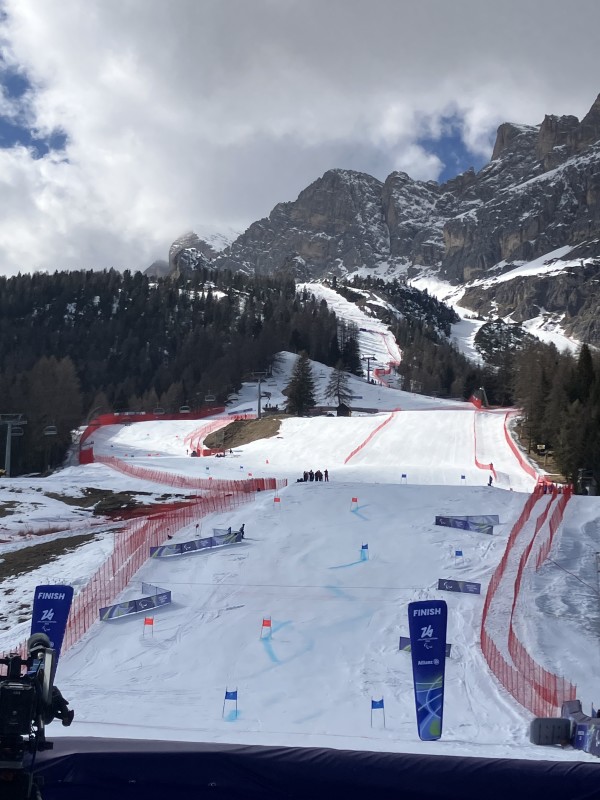
Given the abundance of sun-drenched days and mild temperatures, which led to soft, slushy snow conditions on the Olympia delle Tofane course, discussions emerged about holding future Winter Paralympics earlier in the season.
Not everyone agreed, though, as was the case with outspoken U.S. skier Tyler McKenzie.
“When we’re looking at the winter calendar, everyone wants a sweet spot, but we’re here,” said McKenzie. “It is an outdoor sport, and all of it is just whining to me.”
New Zealand’s Adam Hall, who has been competing at the Paralympics since Torino 2006, sped to slalom silver, earning his country’s first medal on the final day of the Games. He commended those who made it possible.
“For them to pull off a race today in these conditions, you can only thank the organizers, volunteers, and everyone who has worked so hard up there,” said Hall. “I thrive in these conditions, though, it’s just another day in New Zealand.
Brian Pinelli
A Rosy Future Ahead
Still, the Milano-Cortina Paralympic Games will go down among the best ever, if not the model for future editions, as greater interest, enhanced media exposure, and actions inspired and taken, looking ahead to future editions in the French Alps 2030 and Utah 2034.
“France in four years from now, sounds fun already,” said the U.S. super-G silver medalist Halgren. “I think I’ll be bringing home a lot more hardware and hearing our national anthem. And buying my Mom some other stuff that she deserves, so yeah, I’m really excited.”