Powder aims to feature only the best products and services. If you buy something via one of our links, we may earn a commission.
One of the biggest gripes I hear about people’s ski boots is that they wish they were stiffer. In fact, in our season-long boot preference poll, 18 percent of respondents said that’s the most important thing they would change about their ski footwear.
Boot stiffness is characterized by a “flex index,” which typically runs from about 65 to 130. The thing is, that flex index isn’t based on a standardized set of measurements. Even within a single brand’s boot portfolio, a 130 flex will feel different between models. If you’re looking for the absolute stiffest boot from a brand, you’re going to want to look at their fixed-cuff race or race-style boots made from heavy polyurethane plastic. Skip the walk mode, and skip anything billed as lightweight. When it comes to stiffness, more material is key.
However, what if you’re happy with the fit of your current boot, and want to add a little extra stiffness? The good news is that it’s definitely possible. The bad news? It might cost you some cash in the form of a new liner, or some serious garage time tinkering with some aftermarket mods. If you’re looking for some quick fixes, or are ready to dive into some serious boot surgery, read on below.
1. Add a Booster Strap
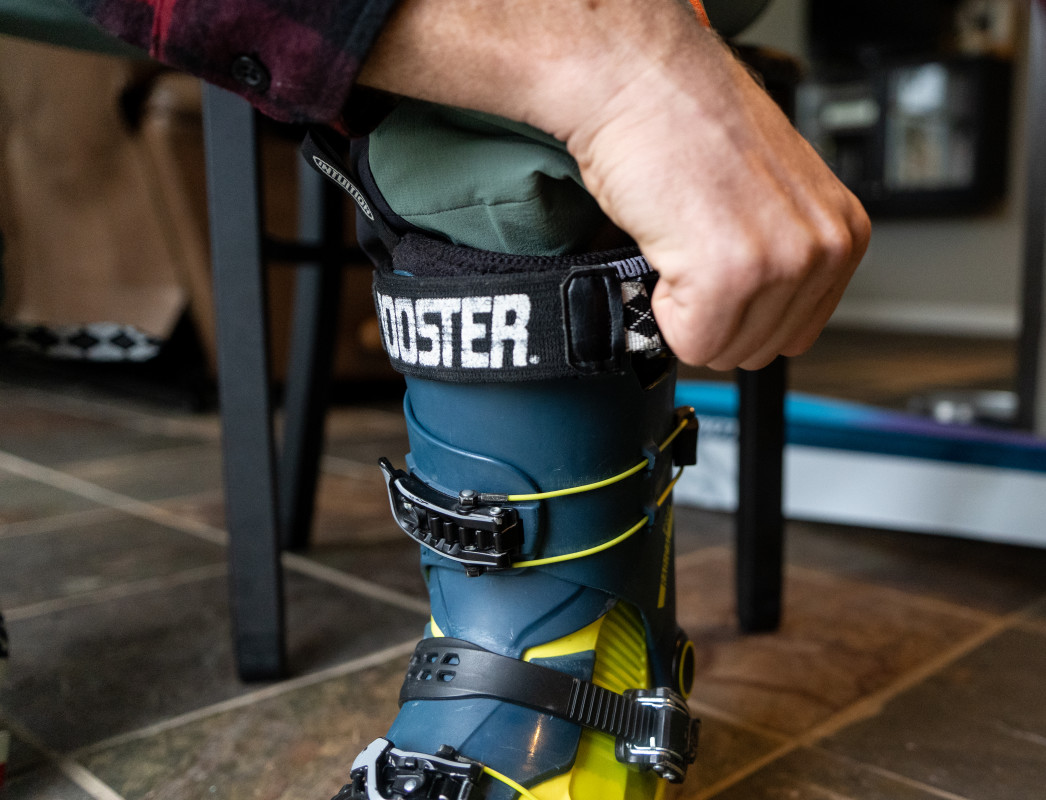
This might be the quickest and easiest way to add some additional performance to your boot. It works well for everything from lightweight touring boots to full-power race boots–and it’s the dirty little secret most pro athletes use to improve their boots’ power. Booster straps are elastic straps designed to close the top of your boot cuff tighter around your shin. They replace the stock velcro or buckle-style power straps that come with your boots. By closing the cuff of your boot closer around your leg, it removes some of the free play (some call it “slop”) from your boot’s flex. The elasticity also adds some additional rebound and damping to the boot, further adding power.
Booster Straps come in a few different stiffnesses, so choose wisely. If you’re looking to max out the stiffness, I’d recommend going straight for the World Cup strap. Booster Straps are available at most ski shops, or online.
2. Add A Bolt Into The Spine
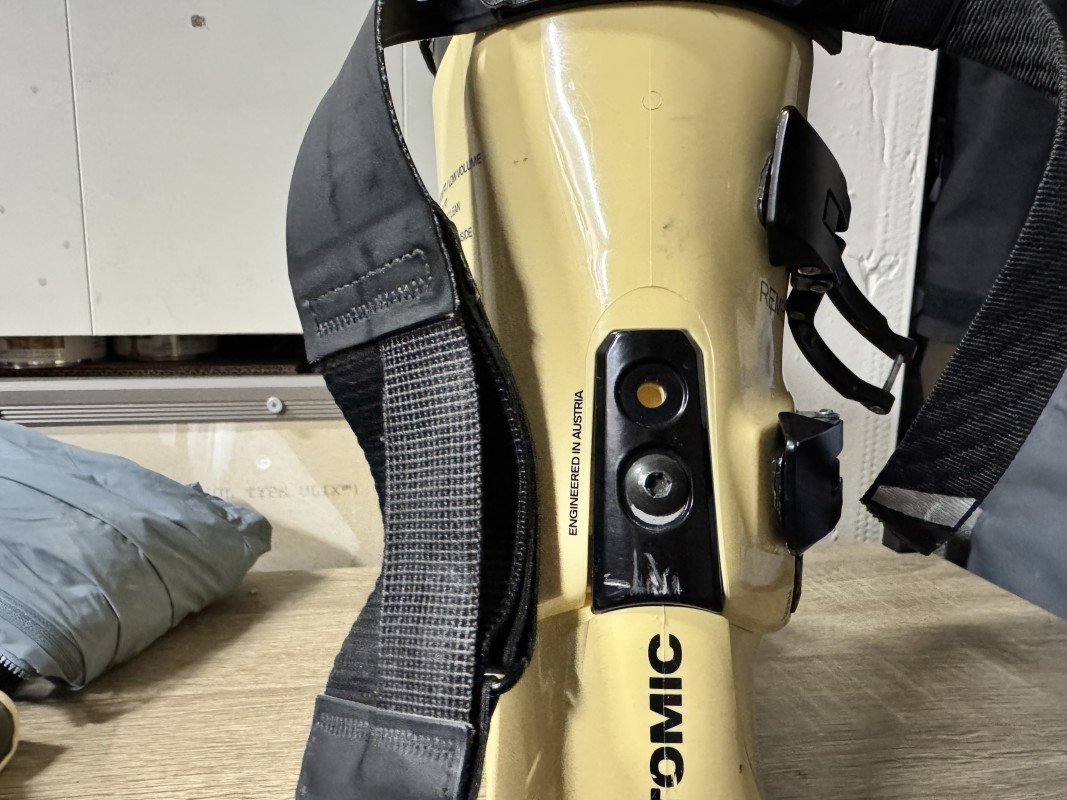
This modification isn’t possible on all boots, but can add some serious rigidity to those where it does. Many traditional high performance 4-buckle overlap race-style boots (especially those listed as having a 130 or higher flex) have two holes on the rear spine of the boot to connect the upper cuff to the lower part of the shell (called the “clog” or “scafo”). That’s the most important part of the boot for power transmission and stiffness–and is where the stiffness can be adjusted easiest.
Boots like the Atomic Remedy 130 actually come out of the box with just one bolt installed, with the option to install a second one. Drill out the second hole, install the second T-nut and bolt, and get ready for an instant power upgrade.
NOTE: On boots that come stock with two bolts, this is actually an easy way to soften your boot up. Simply take out the top one (and save the hardware) to give yourself a little more forgiving of a flex–it’s kind of nice on those blisteringly cold days, or when your shins and legs need a break midway through the season.
Max Ritter
3. Add Extra Plastic
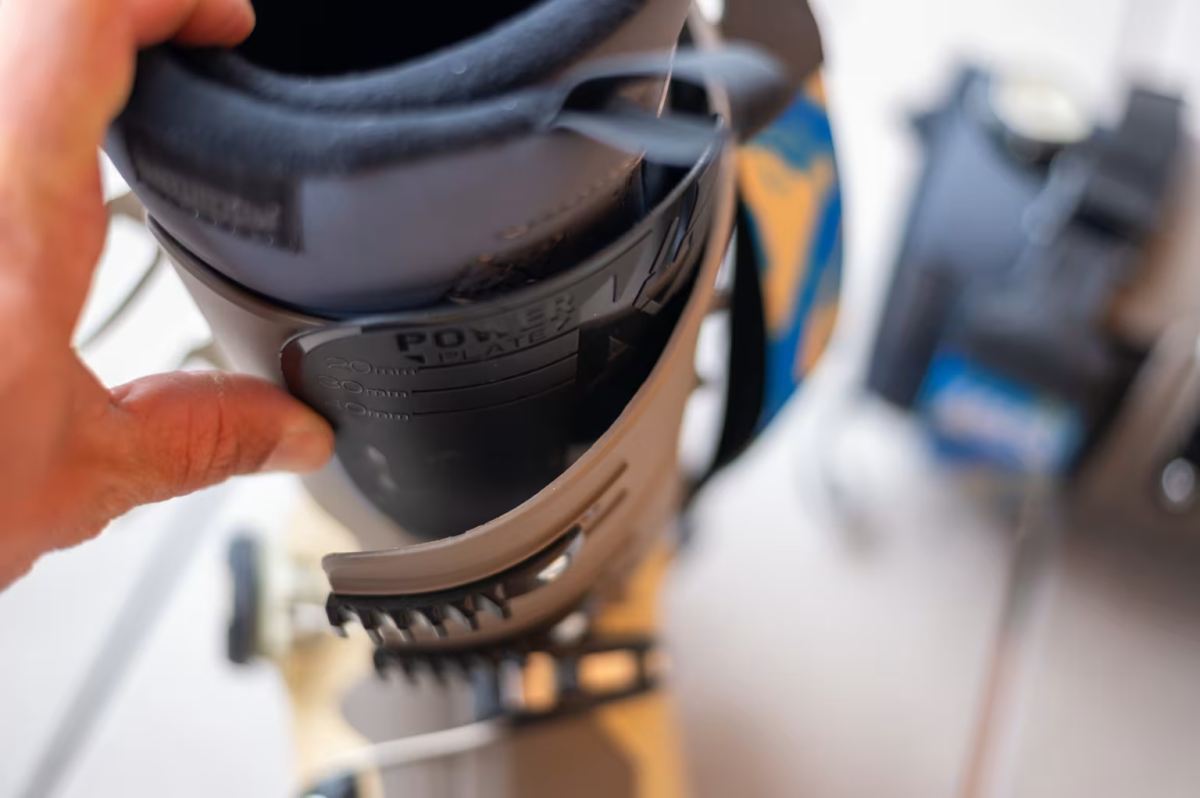
Perhaps the most involved mod on this list, it’s possible to add stiffness to your boot by simply adding more material. Of course, this will take quite a bit of MacGyvering, but the basic principle is more plastic=stiffer boot. I’ve seen all kinds of strange things to come from this method, but perhaps the most refined comes from K2 and Salomon’s highest-performing boots. On the K2 Recon 140 freeride boot, the boot engineers added a thin plastic “PowerPlate” piece under the top buckles that makes the cuff taller and stiffer. Salomon does something very similar to their newly-updated Shift Alpha BOA 130 boot, adding a piece of plastic over the instep for added power.
If you’re going to try this at home, I’d recommend finding an old pair of boots that you can cut up and harvest plastic from. Traditional injection-molded polyurethane (PU) plastic is what you want here–it’s dense and stiff, but still retains better energy absorption qualities than lighter-weight Pebax or Grilamid. Using a Dremel or hot knife, cut a piece off the old boot wherever makes the most sense, and either epoxy or bolt to the front of the cuff of your new boots. Please wear a respirator…plastic fumes and dust are NASTY. This will definitely take some trial and error, but it’s possible.
4. Upgrade The Liner
In general, I’ve never been a fan of stock liners in ski boots. They might be comfortable out of the box, but for the most part, they don’t retain performance for more than a few days. Of course, there are a few exceptions here, but most pro bootfitters will agree on this point.
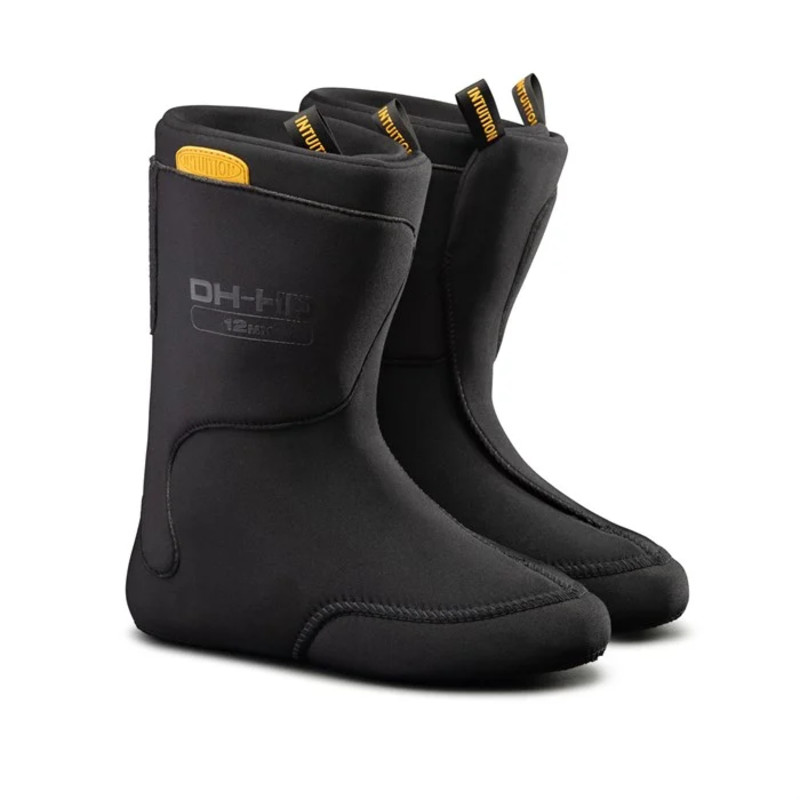
A quick way to add more stiffness to your boot is by swapping that crappy stock liner with either an Intuition PowerWrap (or DH Wrap) liner or a lace-up style liner from ZipFit. These have a ton of natural stiffness on their own, and both the wrap and lacing systems will help keep your foot locked into your boot much better than a stock liner ever could. Intuition liners in particular tend to add some height to your boot, which, while adding stiffness, also makes them flex more naturally because there’s smoother leverage along your leg.
An added bonus is that these are designed to be custom-fit, so you’ll get some extra comfort on top of the performance boost.