Published April 7, 2026 12:21PM
Spring is here, bringing slush, pond skims, and T-shirt skiing to much of the country. But in some regions of the U.S., those conditions haven’t just arrived; they’ve defined the season. As of April 1, California’s snowpack was at 18 percent of average, marking the second-lowest level since 1960. And in Colorado, temperatures have been 30 degrees above the norm.
Meanwhile, at East Coast ski areas like Jay Peak, the snow keeps falling.
“We’re currently nearing 400 inches of natural snow and still accumulating, which places this season among our top historical totals,” said Dehlia Wright, communications coordinator at Jay Peak Resort, in an interview with SKI.
Whether it’s been a great winter and spring is just arriving, or you’ve been skiing slush all season, this is the time of year when everyone shares a single goal: staying on snow as long as possible. So, how are resorts across the country making the most of what they have to extend the season? We asked.
Sugarloaf, Maine
Average annual snow totals: 200 inches
Snow totals in early April: 140 inches
Planned closing day: April 26
This winter, Sugarloaf in central Maine started strong and remained consistent all season long. But even during off years, the resort has a built-in advantage: its elevation. Sugarloaf offers the only lift-serviced skiing above treeline in the Northeast and tops out at 4,237 feet — high by East Coast standards. That high elevation brings colder temperatures and the ability to make snow late into the season.
How Does Perfect Corduroy Get Made? I Rode With Deer Valley’s Grooming Crew to Find Out.
“Even this late in the season, it’s not out of the question for us to fire up the guns when conditions call for it,” said Jessica B. Sechler, the vice president of marketing, sales, and events at Sugarloaf, in an interview with SKI.
Their challenge comes in the spring, when the thaw-freeze cycle melts snow and turns what remains to ice. The Sugarloaf solution is strategic grooming. “Rather than breaking up a frozen surface and exposing the snow underneath to additional moisture, we’ll sometimes hold off on grooming entirely to preserve the snowpack. This approach keeps more terrain skiable, longer,” shared Sechler.
Arapahoe Basin, Colorado
Average annual snow totals: 350 inches
Snow totals in early April: 141 inches
Planned closing day: “as long as the snow lasts.”
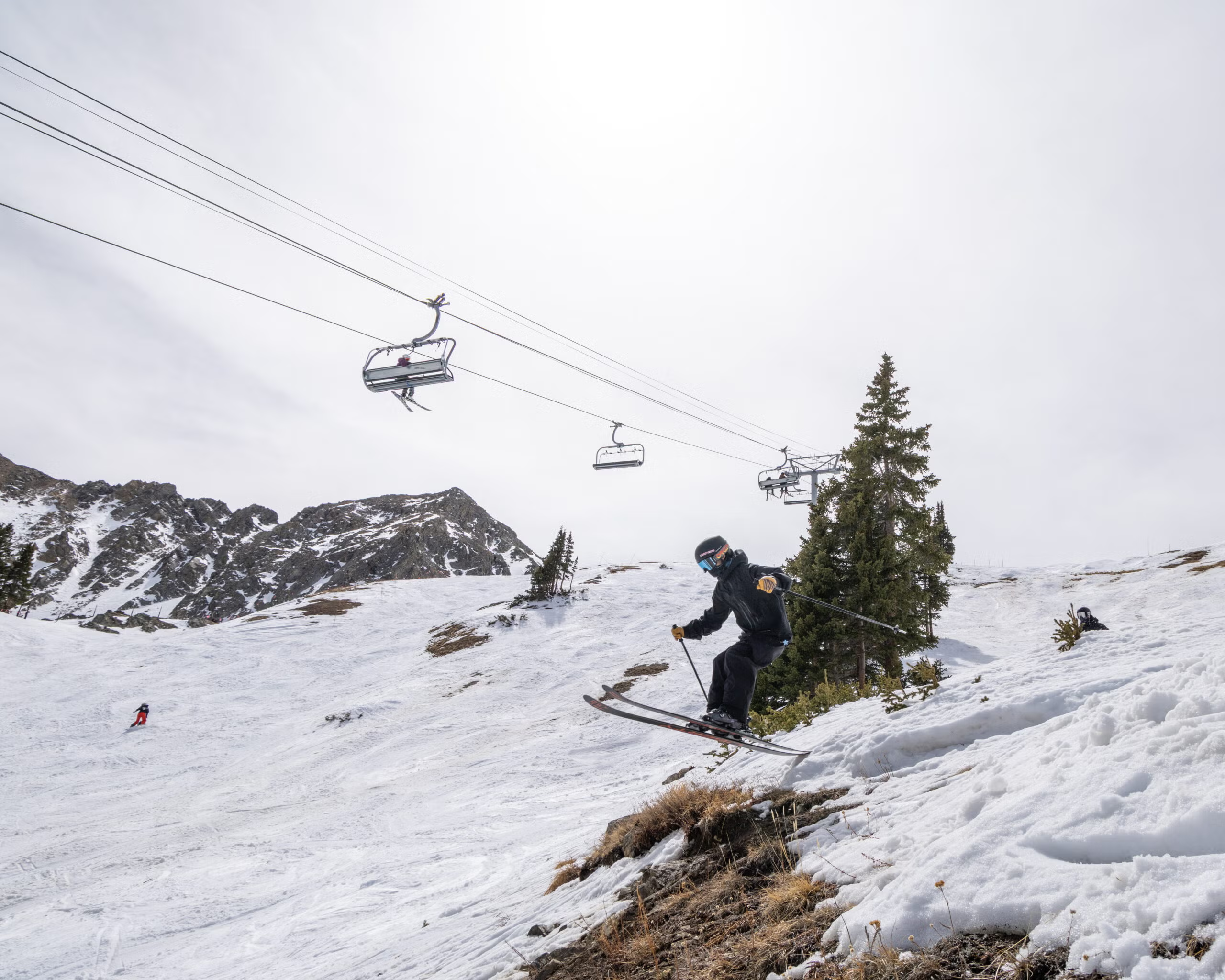
Arapahoe Basin is known for offering the longest ski and ride season in Colorado, remaining open until June 15 last year. This year, things might look a bit different. As of April 1, 2026, the mountain reported 141 inches of snow, less than half of what they typically see. But Shayna Silverman, the communications manager at Arapahoe Basin Ski Area, said: “What really affected our operation was warm temperatures and unfavorable winds.”
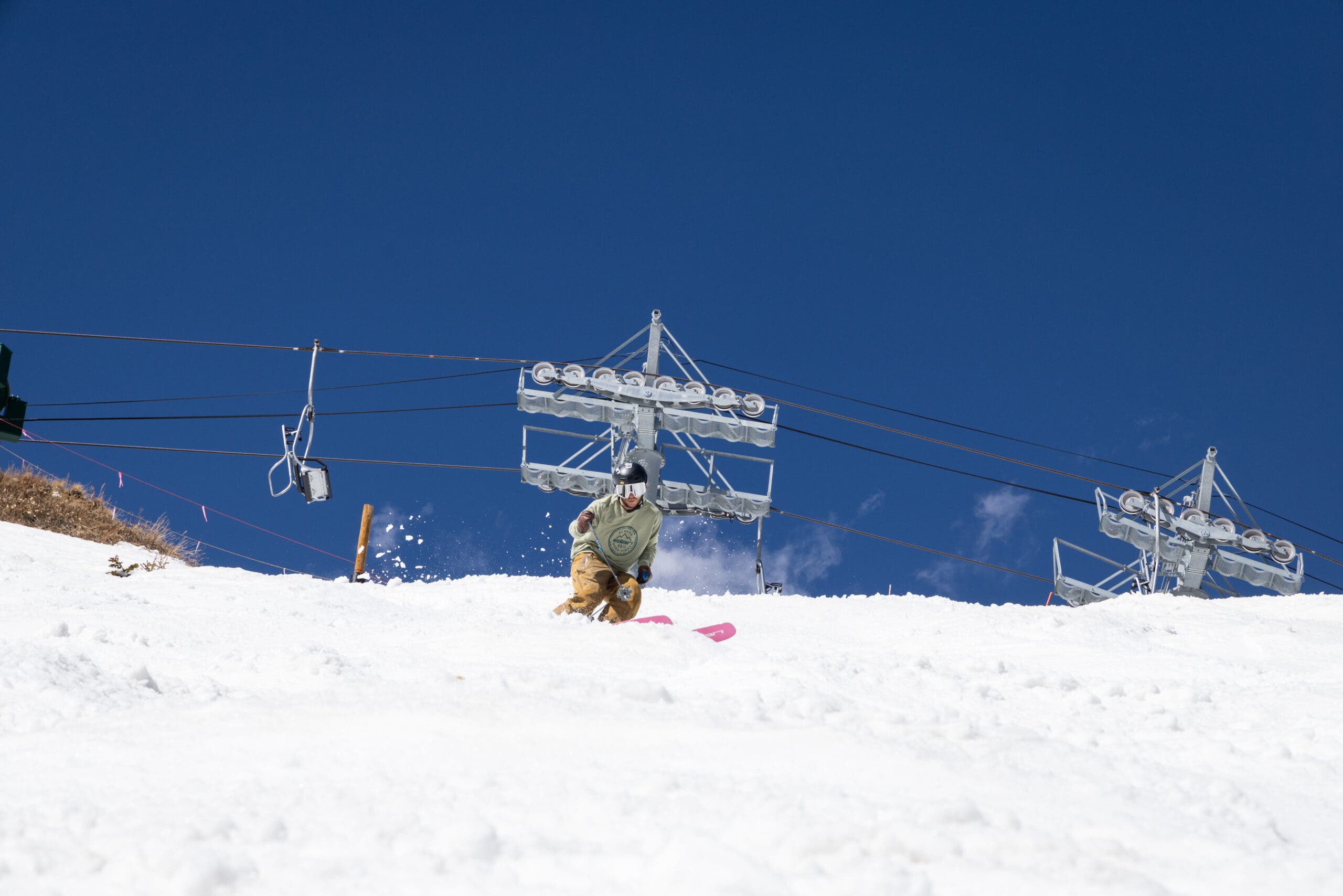
However, even in low-tide years, Arapahoe Basin has some methods to manage and preserve snow as long as possible. And it helps that the resort is naturally positioned to get and keep snow.
“Our competitive edge is our elevation,” said Silverman. “Our base is at 10,700 feet, and we’re on a north-east facing slope high up on the continental divide. This all helps the snow stick around longer, which is why we can often ski into the summer. This year, it’s what’s helped keep us afloat in a warm and dry season.”
She shares that the ski area also has nearly two miles of permanent snow fencing that traps blowing snow, which can be dispersed around the mountain. Methods like these lean on the mountain’s grooming team’s expertise. “They know where to stash the snow, and we rely on those reserves when things warm up. When an area becomes unmanageable or unsafe, we close that zone to skiers and harvest as much snow (moved by groomers) as we can to keep the rest afloat. Finally, we fold some of our runs over onto themselves, doubling the depth while halving the width,” shared Silverman.
Jay Peak, Vermont
Average annual snow totals: 347 inches
Snow totals in early April: 397 inches
Planned closing day: May 10 or later
It’s a different world at Jay Peak, a mountain that has seen one of the best snowfall years in history. The ski area usually gets under 350 inches of snow, a mark they’ve already surpassed as of early April.
In a high snow year like this, Wright shares that “preservation becomes less about intensive intervention and more about managing what’s already there effectively.” When things start to thin out, she says they typically “reduce the overall footprint of open terrain to preserve depth and quality on core trails. Natural wind loading in certain zones helps us maintain deeper coverage in select areas without mechanical redistribution.”
She notes that, like Sugarloaf, Jay Peak is subject to variable spring weather, including rain and thaw-freeze cycles. Wright notes that Jay Peak’s high annual snow typically offsets those challenges, and that “our tree skiing and natural snow zones hold coverage well into spring, especially in areas that benefit from wind loading and reduced sun exposure.”
Mammoth, California
Average annual snow totals: over 350 inches
Snow totals in early April: 248 inches
Planned closing day: May 25
At Mammoth Mountain, a ski area accustomed to welcoming multiple feet of snow from a single storm, it has been a low-snow winter. Snow totals are down, and a historically warm March has caused more melt than normal. In response, the mountain is leaning into its strengths: wind and elevation.
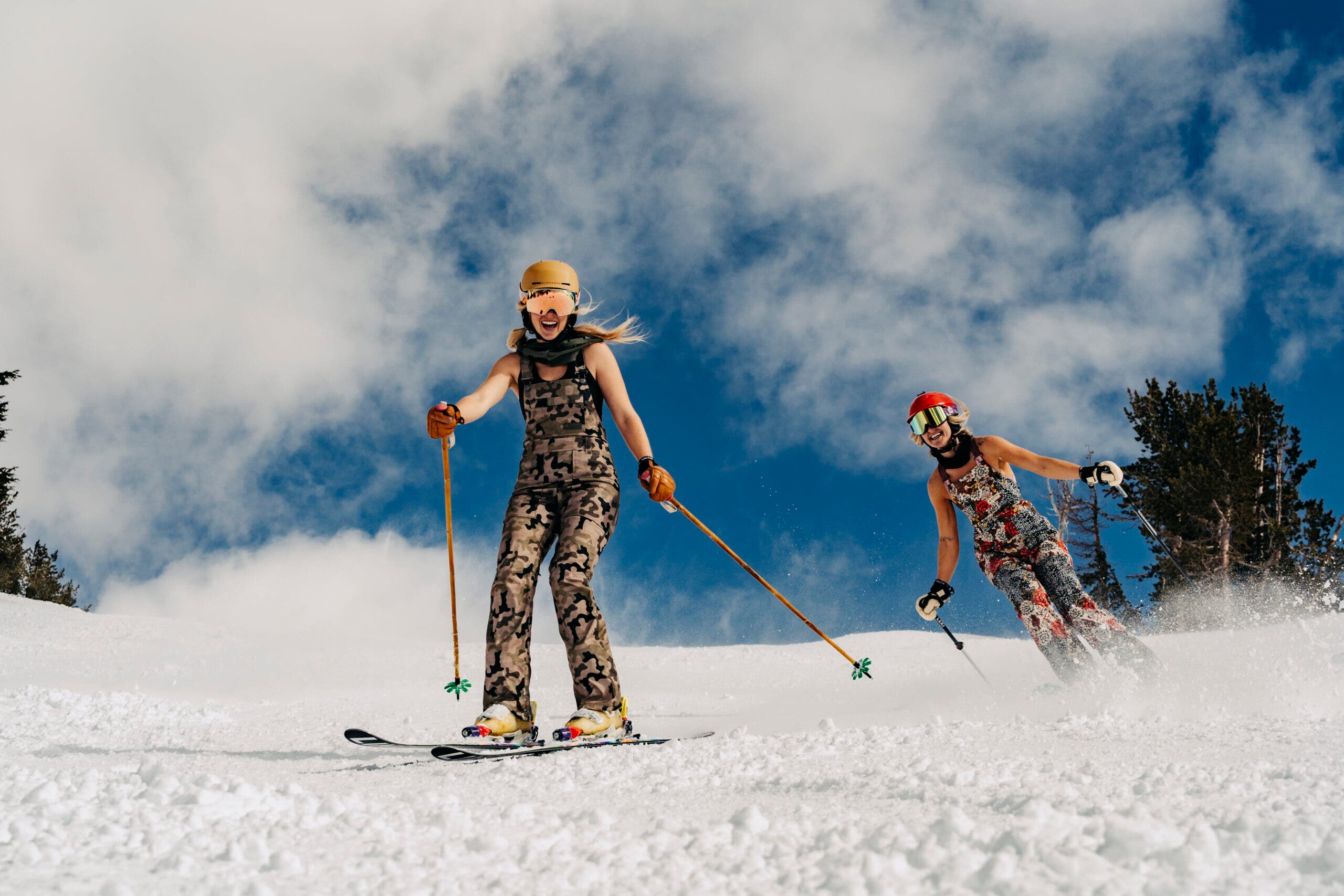
The wind deposits snow in certain areas on the mountain, so “As the snow begins to melt, we move snow from our wind-loaded storage locations to pad runs we plan on keeping open for the entire season. For us, the key is to not let that run get too thin, or for dirt to start creeping in from the sides. Both heat the area and melt the snow faster,” shared Gabe Taylor, the marketing manager at Mammoth Mountain, in an interview with SKI.
The ski area also relies on its high elevation (much of Mammoth is above 9,000 feet) to attract and maintain snow. “Winter storms get squeezed into this valley and unload moisture at the highest point in its path, which, luckily for us, is Mammoth Mountain. Our high altitude also gives us cold overnight lows, allowing the snow to get a deep freeze well into summer, and higher quality corn conditions,” said Taylor.