Updated April 20, 2026 04:46PM
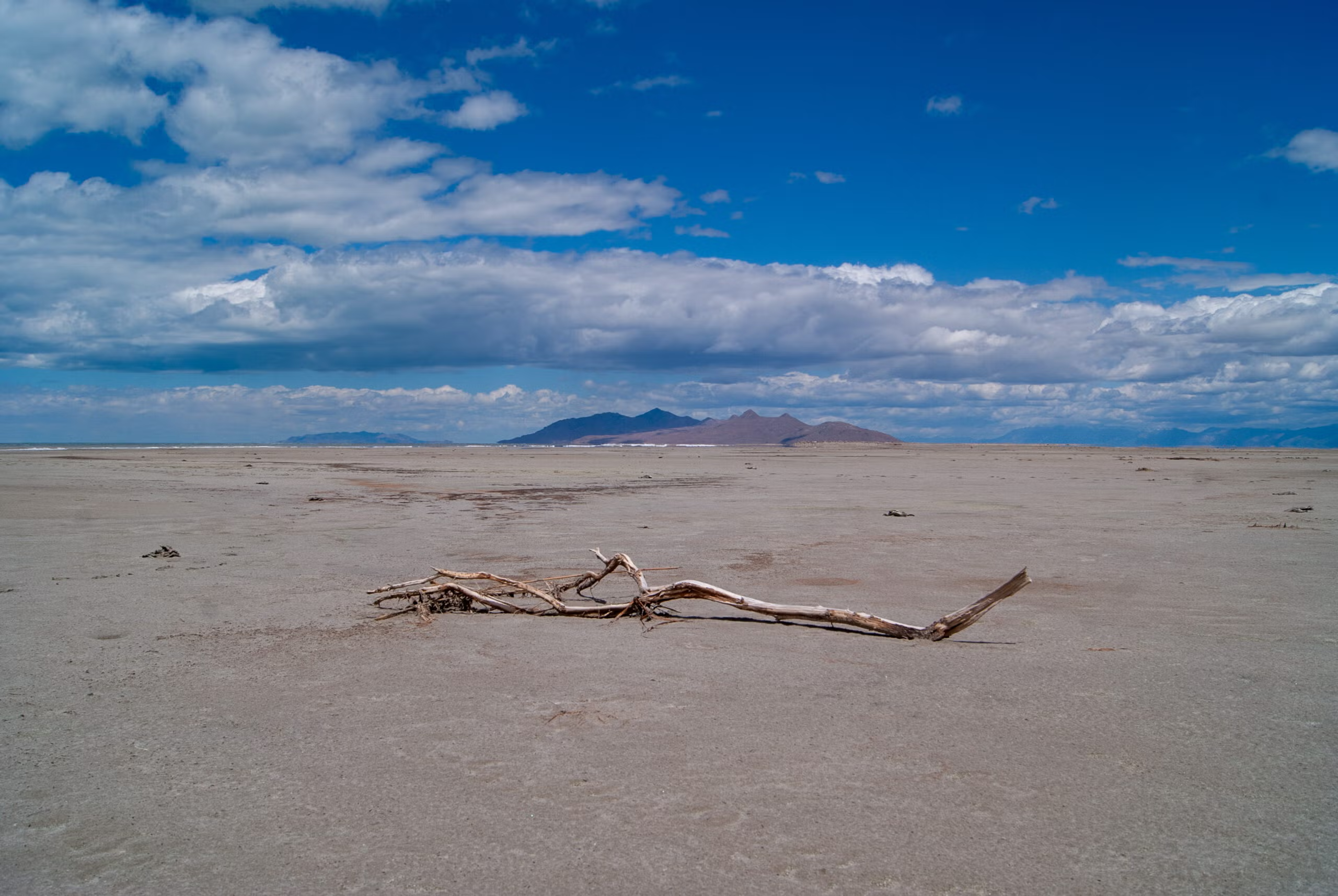
The largest saline lake in the Western Hemisphere—the Great Salt Lake—sits less than an hour from Utah’s most famous ski resorts, including Alta, Snowbird, Solitude, and Snowbasin. It contributes between five and 10 percent of the state’s renowned snowpack every year. But the fabled body of water is shrinking fast, threatening not only the skiing in the region, but throughout the Mountain West.
Utah’s snowpack relies heavily on the Great Salt Lake thanks to the lake effect phenomenon—where cold air passes over the lake and picks up moisture that’s converted to snowfall. The lake’s salinity plays a role, too, preventing the body of water from freezing and keeping the snowpack hydrated.
Jake Serago, a water resource engineer for the state of Utah, said that scientists at Utah State University used a computer model to simulate the impacts a smaller lake might have on storms. “They found that if the lake were to be completely dry, it could reduce precipitation by up to 50 percent,” he said. This is just one example of how scientists are exploring the risks that the shrinking lake poses to Utah’s ski industry. Less snowpack leads to shorter ski seasons, as well as impacted snow quality.
If the lake were to disappear, the remaining snowpack would be more dense, and dust storms would intensify, wreaking even more havoc and permanently altering Utah’s world-famous snow—and the skiers who love it.
Dust Shortens Ski Seasons
As the lake shrinks, vast stretches of toxic dust are left behind. Wind storms sweep across the bare flats, lifting the dried dust that was once underwater and carrying it into the mountains. On top of degraded air quality and toxic living conditions in the nearby communities, the dust also leads to faster snowmelt. When snow melts faster, ski seasons are shortened and avalanche cycles can become more dangerous.
Snow is the brightest naturally occurring surface on Earth, reflecting up to 95 percent of sunlight. When dust contaminates it, reflectivity is diminished, causing more heat absorption and faster melting.
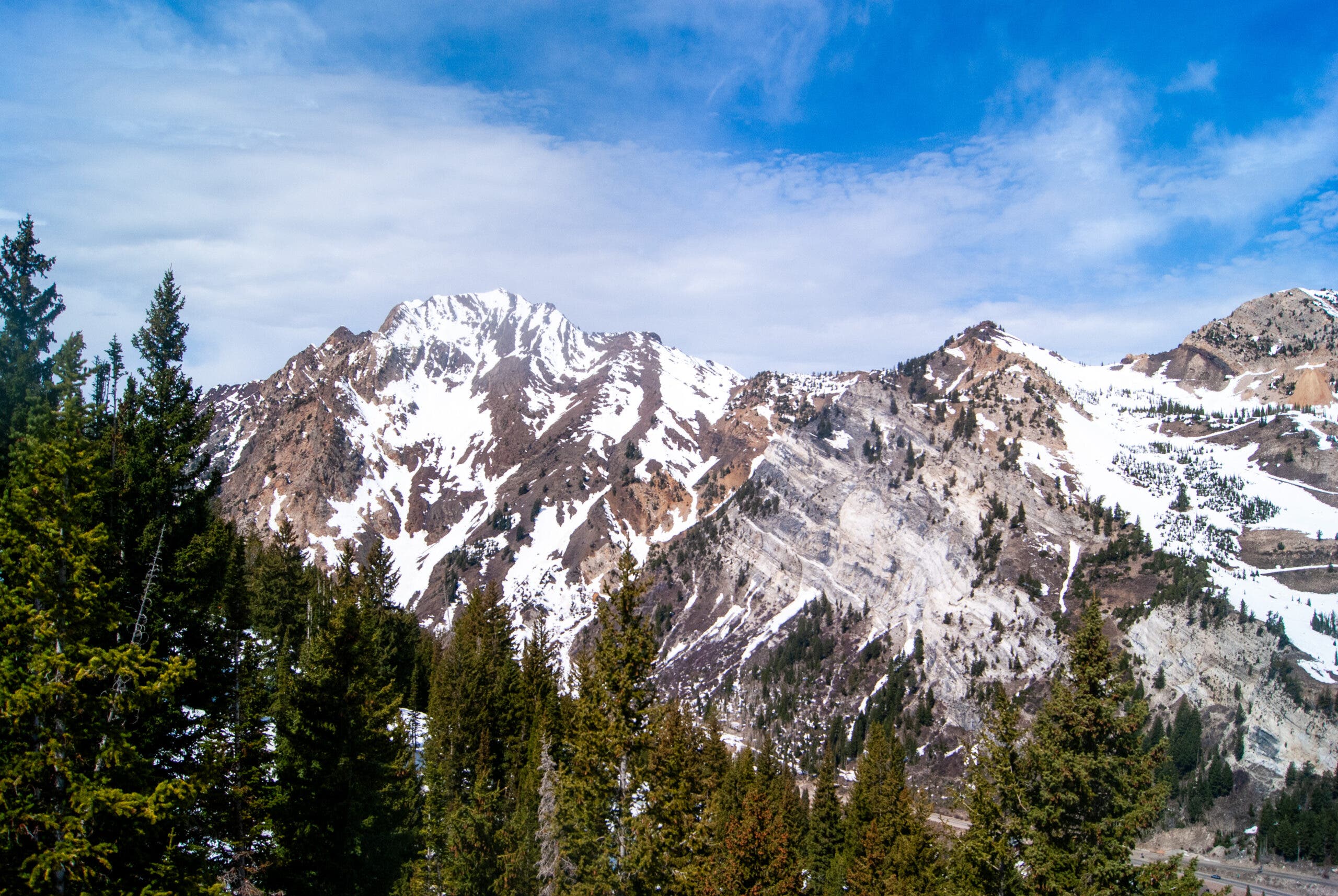
Dust has been the subject of multiple lake-related studies. One study, conducted in 2023 at the University of Utah, examined how dust impacted the 2022 snowmelt season and found that it accelerated snowmelt by 17 days. Researchers believe the impact could have been larger, but that year’s unusually wet spring helped curb the effects.
Another study, published in 2025, examined satellite imagery of the Colorado River Basin, an area also plagued by drought, collected between 2001 and 2023. It linked consistent dust deposition and accelerated snowmelt.
Serago wasn’t involved in either of the studies, but he agreed that dust is an issue across the Great Salt Lake Basin. “[Dust] creates problems for skiing and for water managers,” he said. “It depends on how dark that dust gets and then how much time passes before a new storm comes and covers it up.”
If enough dust is deposited, Serago said, it causes a feedback loop where snow melts too fast, leading to drier summers and more dust.
A lack of comprehensive dust monitoring in the Great Salt Lake Basin has left it unclear how far the dust usually travels, but this research shows that the impact is rippling through the state, and will only get worse if the lake continues to decline. As the west grapples with rising temperatures and ongoing droughts, dust research functions as an indicator of the continued impacts climate change will have on skiing at large.
Great Salt Lake’s Condition Signals the West’s Larger Water-Use Issue
Humans began heavily diverting water off Great Salt Lake’s tributaries during the industrial revolution, and the trend has continued with booms in population growth. Nowadays, industrial, agricultural, and municipal water use accounts for as much as 73 percent of the lake’s current decline, according to a 2023 report from the Great Salt Lake Strike Team, which is a joint effort between the University of Utah and Utah State University.
The majority of water diversions are related to agriculture, reflecting the reality that Western water laws were built for a different era—one when the region assumed an endless supply and prioritized “use it or lose it” policies.
New pressures have risen, too. Political debates over water use have become even more complicated with the rise of AI-driven data centers, which consume millions of gallons per year and continue to sprout up, concerning environmental advocates.
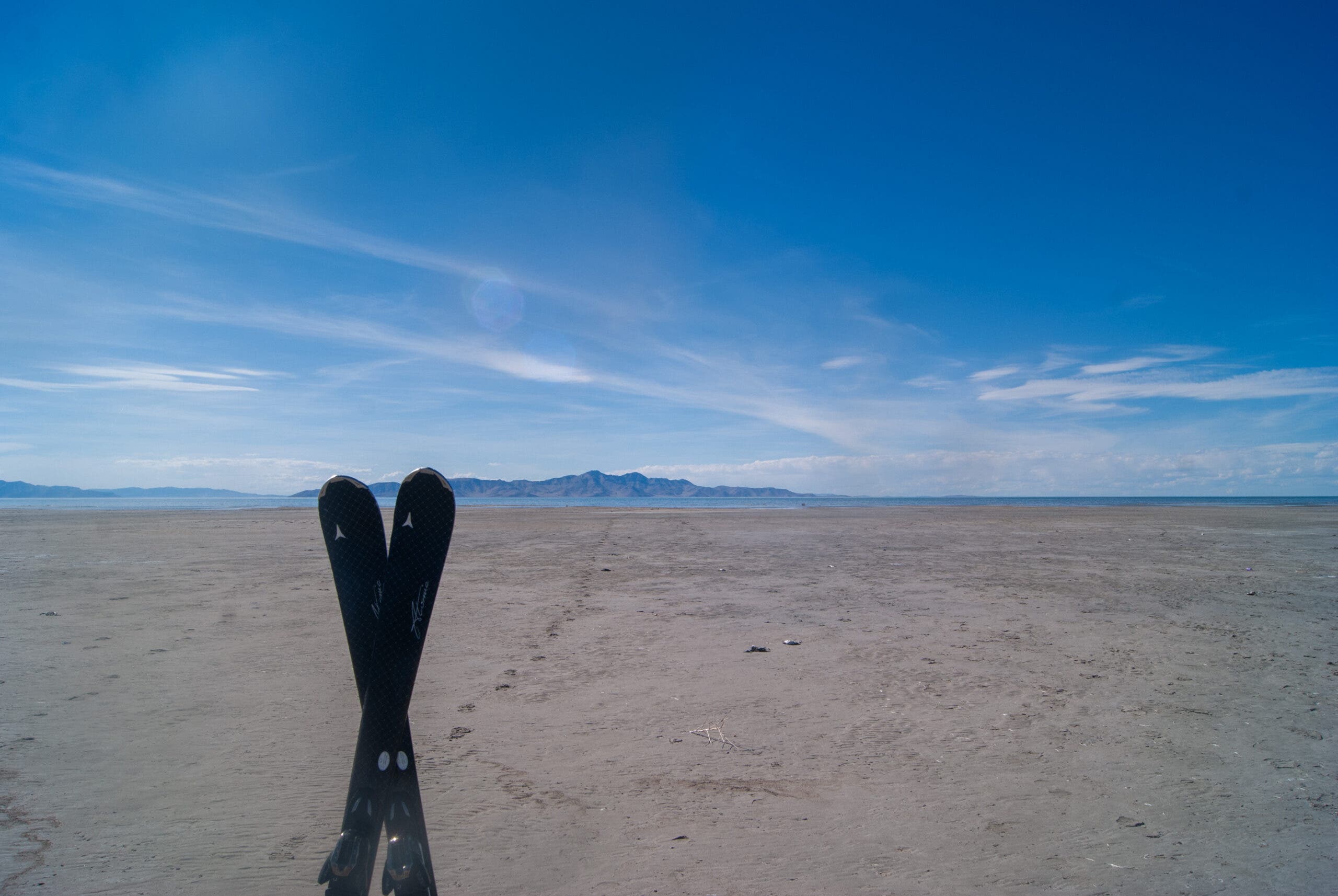
Over time, those rules encouraged maximum diversion, even in years when water was scarce. When you factor in rapid population growth, thirsty industries, and a warming climate that reduces runoff, the lake’s decline becomes less a mystery and more an inevitability.
In 2022, the lake hit a record low, prompting alarm bells from lake advocates and climate scientists about the impacts of Great Salt Lake’s collapse. While lawmakers have begun responding, decades of overuse aren’t undone quickly, especially in today’s highly polarized political climate.
Policy gears are turning slowly, but the consequences are already unfolding in real time: more dust, less snow, and ski seasons increasingly shaped by the fate of a shrinking lake. Those impacts are likely to become even more visible following the record‑low snowpack of winter 2025–’26, which is further exposing how vulnerable Utah’s mountains are to warming temperatures and dust‑driven melt.
Great Salt Lake’s decline is not just a Utah crisis—it’s a warning for the entire West. The future of skiing in Utah, and the communities that love and support the sport, will depend on how quickly the region can rethink its relationship with water and adapt to a changing climate.