Published June 26, 2026 08:15AM
This week’s Cottonwood Fire has left Utah’s Eagle Point Resort facing an uncertain future. While it’s still too early to gauge the full extent of the damage, the news coming out of Beaver is heartbreaking. Community-oriented ski areas like Eagle Point are woven into the fabric of their towns, and rebuilding after a disaster like this is never easy.
As devastating as wildfires are, Eagle Point isn’t the first ski resort to face one. Over the past several decades, fires have threatened, damaged, and, in some cases, fundamentally transformed ski areas across North America. Some resorts narrowly escaped with the help of snowmaking systems turned into firefighting tools. Others lost forests, lodges, lifts, and even entire mountainsides. Nearly all emerged with a different understanding of how to live in the shadow of wildfires.
These are five of the most significant fires to affect North American ski resorts—and the lasting mark each one left on the mountain and its community.
No. 5: Sipapu, N.M.
The resort that narrowly escaped
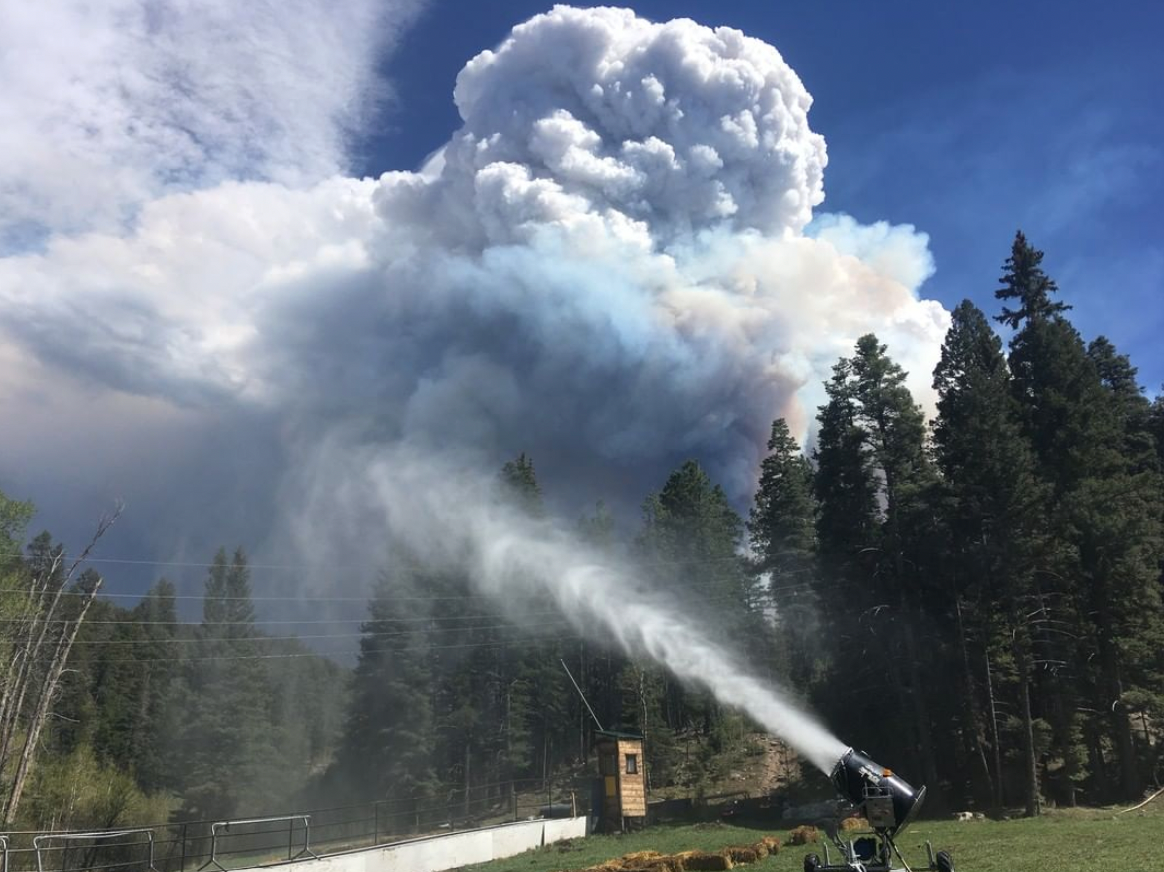
In the spring of 2022, the Calf Canyon and Hermits Peak fires burned over 340,000 acres in northwestern New Mexico, threatening several ski areas, though they came closest to Sipapu, located about 40 miles south of Taos Ski Valley. Not willing to go down without a fight, resort staff fired up the snowguns and sprayed water on the ground, vegetation, lift shacks, and whatever else they could reach with the powerful spray. They’re credited with sparing the resort any lasting damage.
No. 4: Marmot Basin, Alb.
The town burned while the resort remained untouched
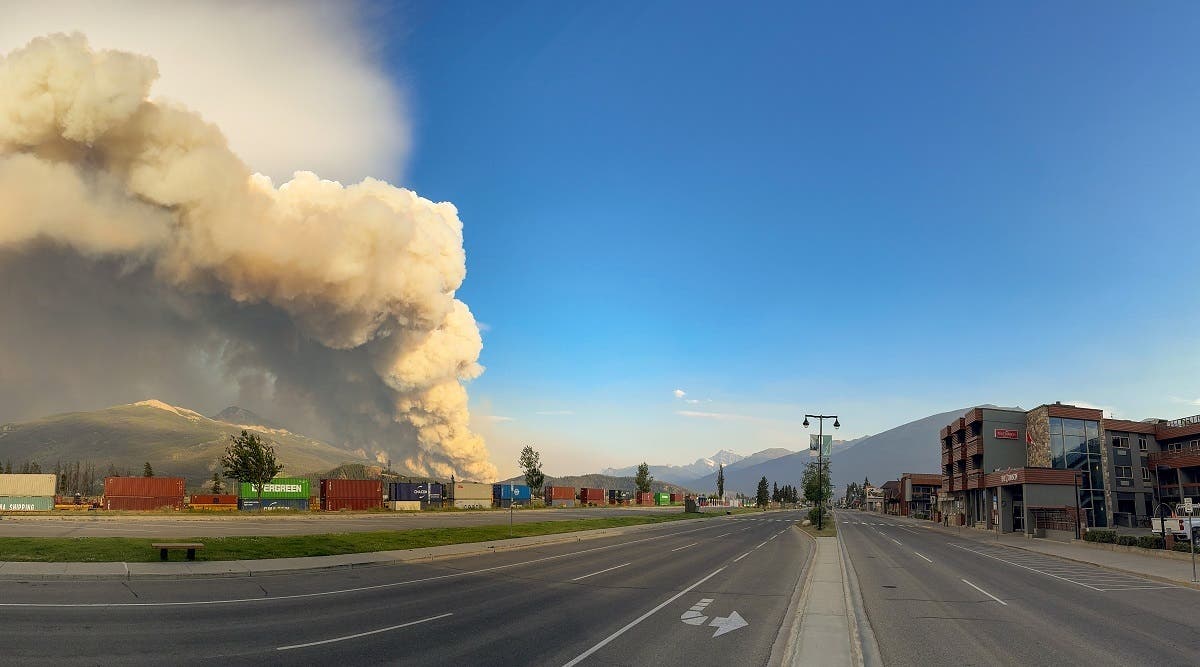
July 2024’s Jasper Wildfire Complex burned across 80,000 acres in Jasper National Park, home to Marmot Basin. Amazingly, the ski resort itself escaped unscathed, with reports saying that the blaze got within a mile of Marmot Basin’s village.
For Marmot visitors, the nearby town of Jasper is the heart of the experience. Tragically, while the resort survived the recent wildfire, the town did not fare as well: a third of its structures were destroyed, and 25,000 residents and visitors were evacuated. The subsequent drop in tourism highlights a crucial truth: ski resorts don’t exist in a vacuum, and they are only as strong as their surrounding communities.
No. 3: Sun Valley, Idaho
The new terrain created by wildfires
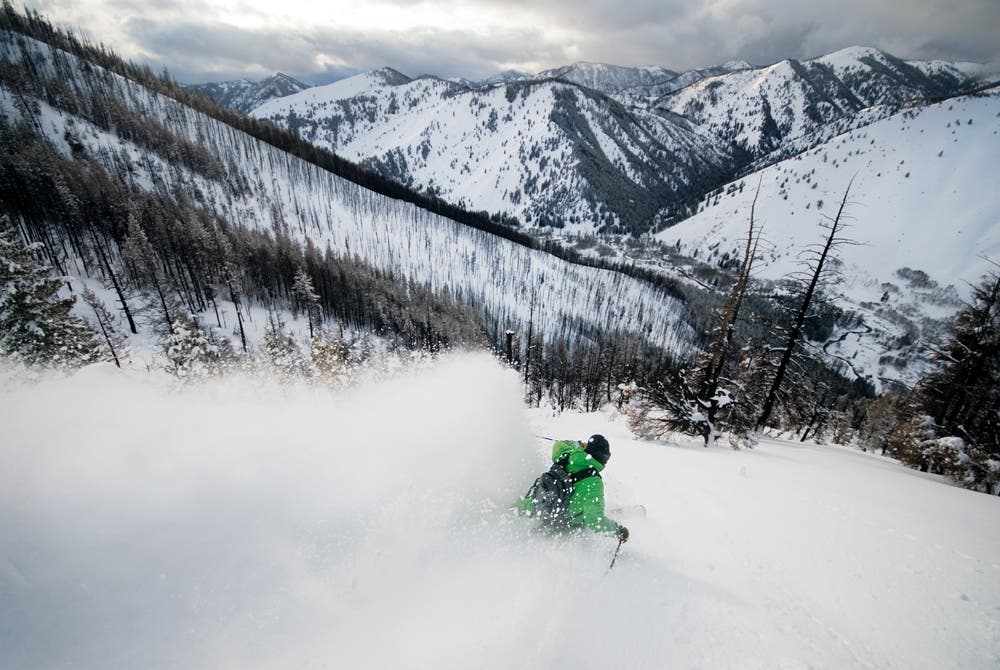
Two wildfires came uncomfortably close to Sun Valley’s slopes and lodges, but fast-acting staff utilized the snowmaking systems both times to saturate the structures and surrounding landscape. Interestingly, both fires led to new sidecountry and backcountry terrain.
More: Is Sun Valley’s Radical Project Enough to Save the Community from Wildfires?
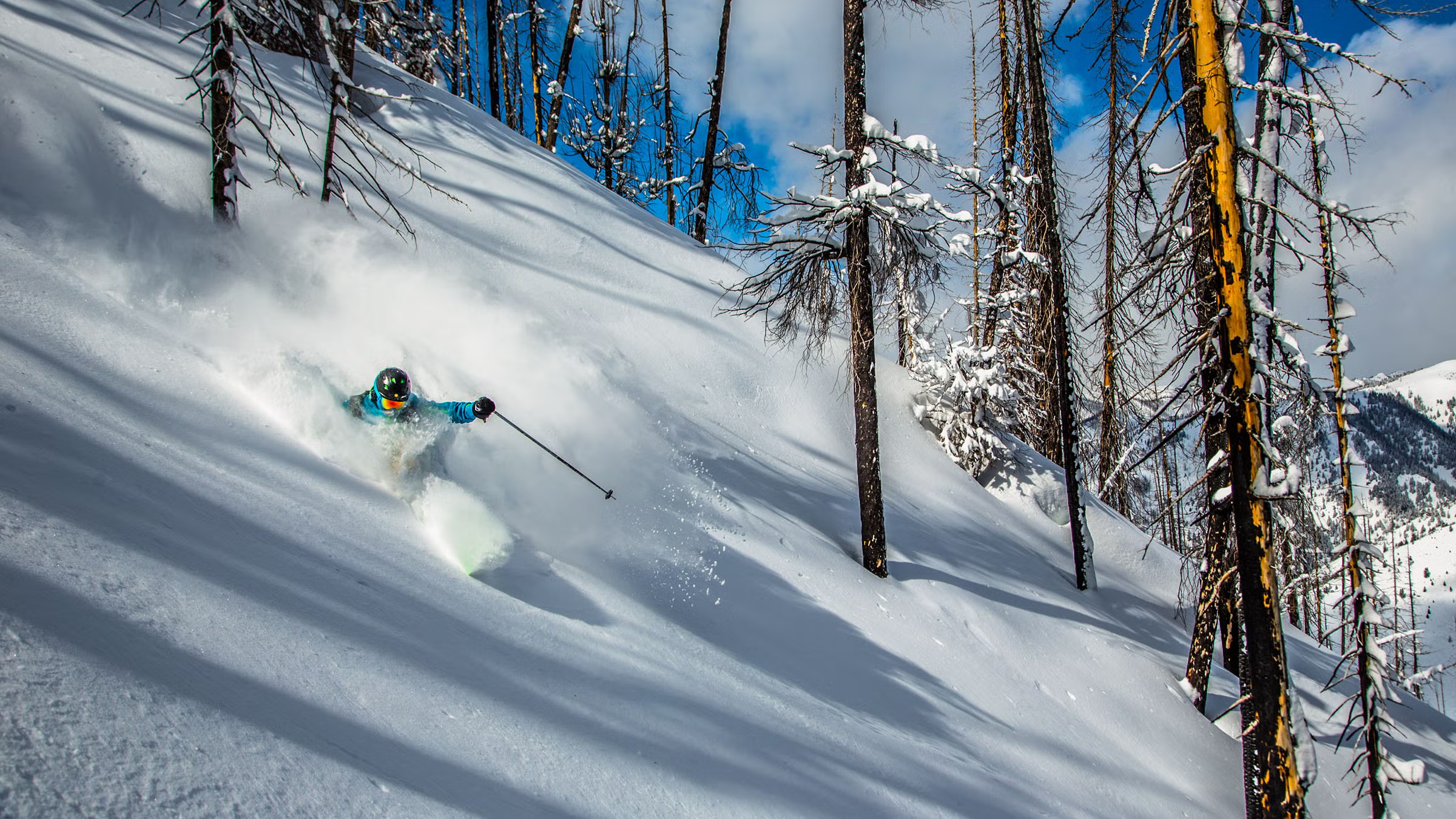
First, 2007’s Castle Rock Fire scorched the out-of-bounds terrain adjacent to the resort. After clean-up and mitigation, the area became known as The Burn, a zone of lift-accessed sidecountry popular for its dramatic, charred and blackened trees.
Several years later, the Beaver Creek Fire of 2013 tore through old-growth forests in Sawtooth National Forest, thinning the glades and paving the way for some of the best backcountry skiing in the region.
What’s more, the fires prompted the resort to be more intentional with its forest-thinning strategies on Bald Mountain to mitigate any fallout from future wildfires.
No. 2: Vail Mountain, Colo.
The fire that sent a message
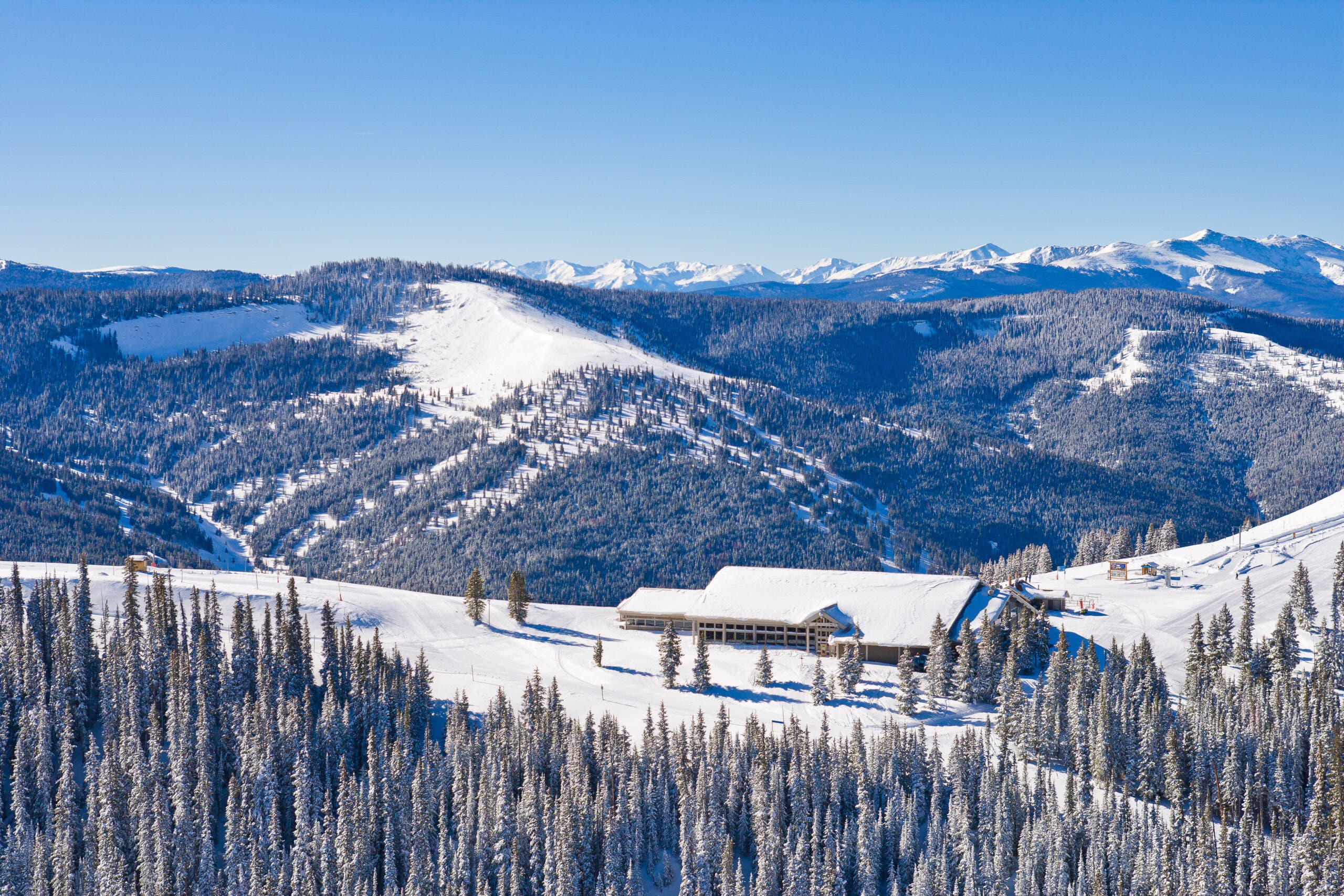
Not the result of a wildfire but rather an act of eco-terrorism, Vail’s Two Elk Lodge burned to the ground early on the morning of October 19, 1998. A radical environmental group staged the arson attack in protest of the resort’s proposed Blue Sky Basin expansion into 4,000 acres of White River National Forest land that was a known lynx habitat.
Terrorist group Earth Liberation Front used jugs of gasoline to level the 12,000-square-foot log building, causing up to $24 million in damages. Ski patrol headquarters and four lifts were also damaged.
Unlike every other fire on this list, Two Elk Lodge wasn’t the result of drought, lightning, or a changing climate. It was an act of sabotage. The lodge was rebuilt within a year, and Blue Sky Basin opened shortly afterward—a reminder that while buildings can be reconstructed, the forests lost to wildfire take decades to return.
No. 1: Sierra-at-Tahoe, Calif.
The resort that rose from the ashes
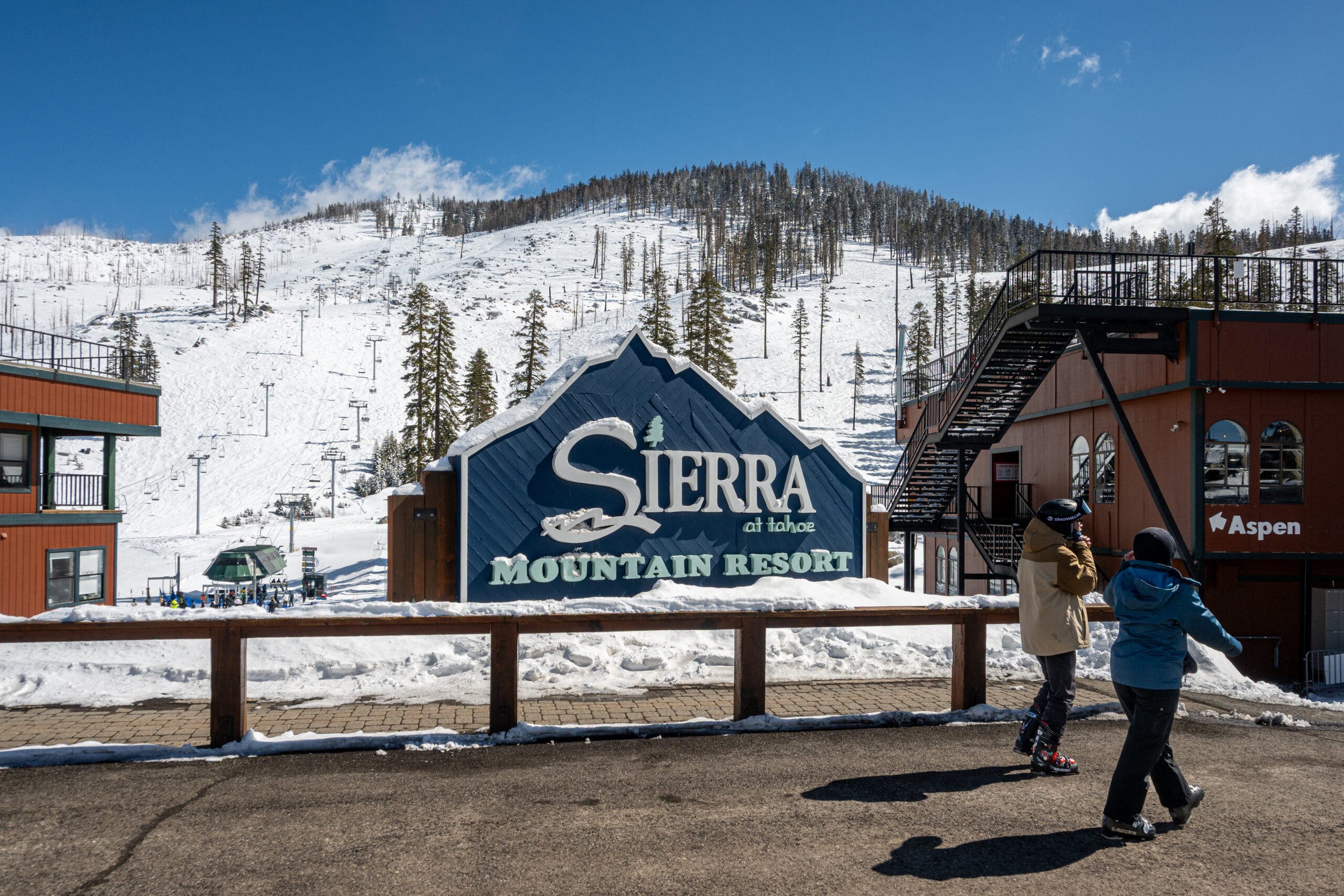
Lake Tahoe’s Caldor Fire devastated the region in August of 2021. Although it came close to several ski resorts south of the lake, Sierra-at-Tahoe took the brunt of it. Roughly 80 percent of its 2,000 skiable acres were damaged, making the Caldor Fire the single most destructive ski resort wildfire in history.
In addition to the terrain itself, the fire took out a fleet of snowcats, millions of dollars’ worth of tools and other maintenance equipment, and damaged six of the ski area’s nine lifts. The resort shuttered for the entire 2021-’22 season while it regrouped and made plans to move forward.
Sierra reopened for the 2022-23 season, looking like a completely different mountain. Entire glades had become bowls, sightlines stretched for miles, and lessons learned during the Caldor Fire have since influenced how resorts across the West think about things like fuel reduction, emergency planning, and fire resilience. The landscape may never look the same, but neither will the way ski resorts prepare for the next fire.