Timing, sizing, brand loyalty—the small decisions that can steer you towards the wrong pair.
Buying new skis? Avoid these seven common mistakes, from shopping the wrong season to chasing a ski that doesn’t exist. (Photo: Ray J Gadd)
Updated August 25, 2026 08:09AM
Buying new skis should be exciting, not stressful. But it’s easy to let hype, habit, or bad timing steer you toward the wrong pair. Here are the most common mistakes skiers make when shopping for new sticks—and how to avoid them.
Mistake #1: Shopping During Ski Season (Or Right Before)
More than any other sport, skiing rewards planning six months ahead. Season passes and gear go on sale in spring and summer—not once the leaves start turning. Wait until temps drop in October, and you’re shopping at peak season, when retailers have restocked with this year’s newest (read: priciest) models and cleared out anything discounted. If you want a real deal, shop the off-season: March through August is prime time for markdowns.
Mistake #2: Buying Whatever Ski Your Friend Has
Asking friends what they ride is a solid way to narrow your search—word of mouth is real research. But take it with a grain of salt. Skiing is deeply personal: two skiers of the same height and build, with similar styles, can still prefer completely different skis. Some like a softer, more playful feel; others want something heavier and damper underfoot. It comes down to preference, so don’t assume your bestie’s favorite ski will be yours too.
Mistake #3: Buying for the Conditions You Want, Not the Ones You Get
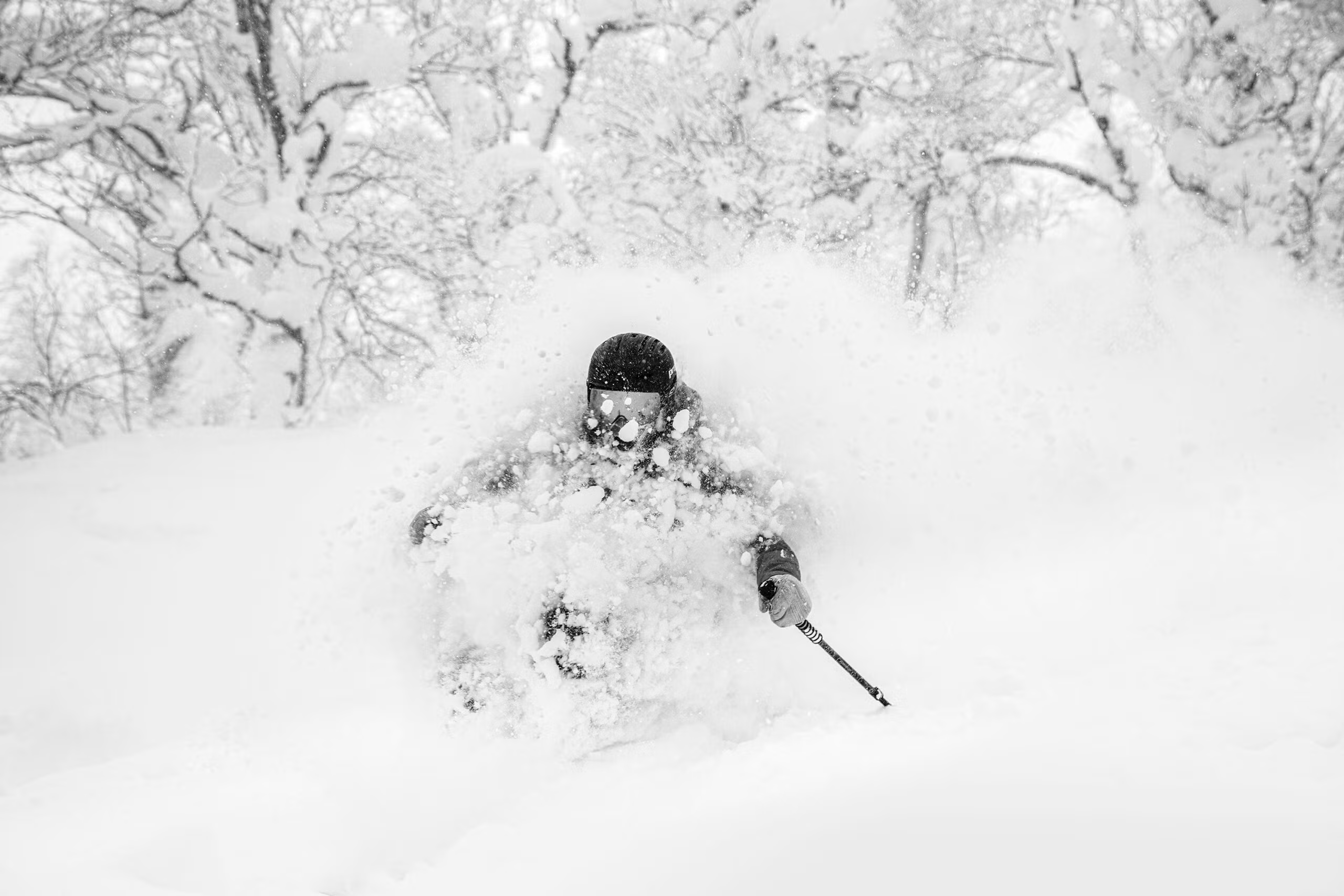
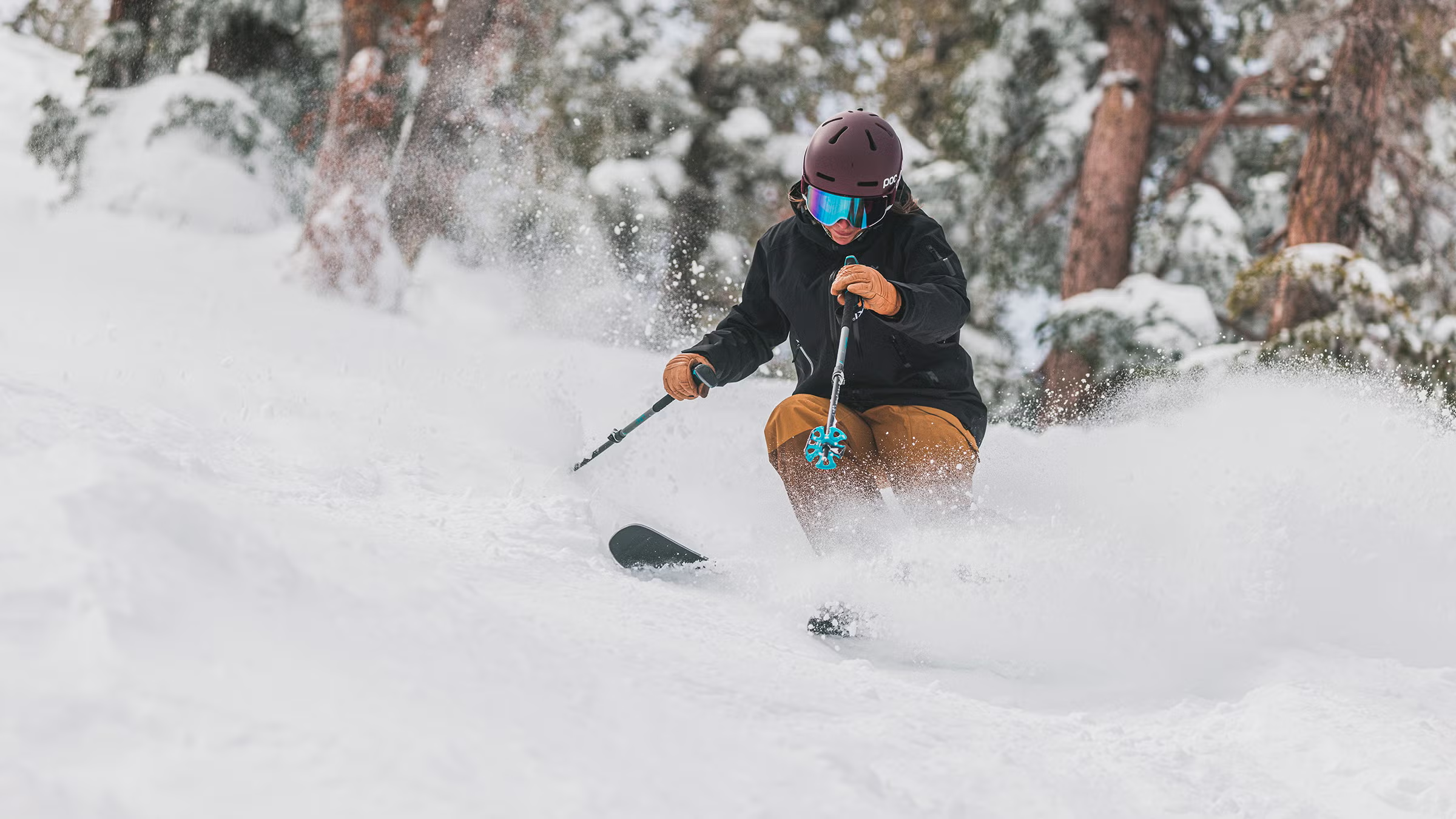
Fat powder skis are sexy—they promise deep days, and pro athletes make them look like they can do it all. But before you buy a pair of new planks, be honest about the conditions and terrain you actually ski most of the time. If that’s blower pow, congratulations, you’ve won at life. But if you’re a resort skier back East, a versatile frontside or all-mountain ski is usually the smarter buy. The same goes for weekend warriors out West who can’t just drop everything on a powder day—chances are you’re skiing scraped-off groomers, wind buff, and leftover crud more often than fresh snow. A ski in the 85-105–millimeter range underfoot is a better bet than anything north of 110 millimeters.
Mistake #4: Skipping the Research (and the Demo)
You wouldn’t walk onto a car lot and buy based on the salesman’s pitch alone. Skis deserve the same scrutiny. Even if you know next to nothing about current models—especially if you know next to nothing—study up before you hit a shop or buy online. Learn the basics: how ski categories differ, camber versus rocker, metal versus all-wood cores. That knowledge will help you make sense of reviews, hold your own with the shop guy, and buy with confidence instead of guesswork.
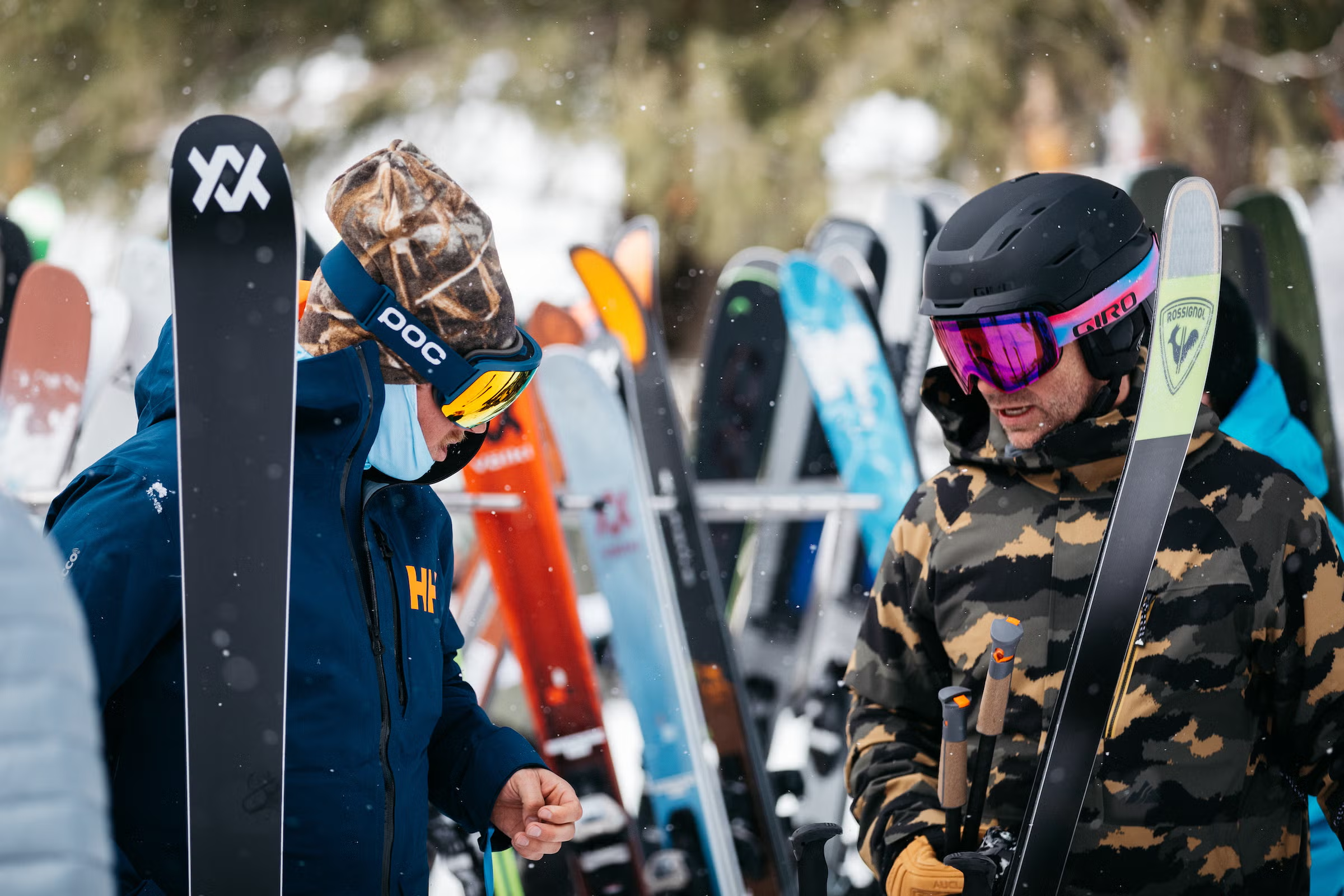
Better yet, demo before you buy. Many ski manufacturers run free demo days at resorts throughout the season. Plenty of ski shops offer demo programs that credit the demo fee toward a purchase. And retailers like Christy Sports host annual demo events where you can compare skis from multiple brands side by side.
Mistake #5: Assuming Your Old Length Still Fits
Ski length isn’t just about height—it depends on your style, ability, and the type of ski. So if you haven’t bought new skis in years, don’t assume you need or want the same length as before. Say you’re 5’9″ and used to a 175-centimeter frontside ski. You’ve leveled up and now you’re shopping for a wider all-mountain model. Buy that same 175-centimeter length and it’ll likely ski shorter than your old frontside setup, because all-mountain skis tend to have more tip and tail rocker and less effective edge. If you want the same stability and carving power you’re used to, size up a smidge. Going the other direction—from a 175-centimeter all-mountain ski to a skinny carving ski—you’ll probably want to size down; a 175-cm carving ski will feel like a lot more ski than your all-mountain ski of the same length.
Moral of the story: don’t assume skis of the same length ski the same. We’ve met too many skiers—women especially—who are skiing on something that’s too short for them because they never reconsidered length after buying their first set of skis more than a decade ago.
Mistake #6: Staying Loyal to One Brand No Matter What
No judgment—we all have a favorite brand, whether it’s the skis themselves, the graphics, or the reputation. But if you never stray from one brand, how do you actually know what you like in a ski versus what you’ve gotten used to? Demo widely, and seek out brands known for making very different skis. If you’re a Nordica loyalist, skip the Blizzard tent and go try a K2, Salomon, Head, or Armada instead. Skiing a broad range is the only way to find out whether you genuinely love what you’re on, or you’ve just never tried anything else.
Mistake #7: Chasing the Mythical One-Ski Quiver
Every skier wants the one-ski quiver: something that carves on bulletproof ice, punches through crud, whips around moguls, and floats in a foot of fresh. That ski doesn’t exist—trust us, we’ve looked. Lots of all-mountain skis come close, but there’s always a tradeoff somewhere. So do some soul-searching and decide what performance characteristics matter most to you. That way you could still end up with a jack-of-all-trades, but one that’s still above average in the one department you care about most.