Published February 19, 2026 08:45AM
After testing 12 budget ski goggles under $100, our favorite is the Goodr Snow G. It’s affordable but doesn’t skimp on features like a bonus lens, magnetic lens change system, and clear optics.
The price tag on a day of skiing is higher than ever, and let’s be honest—we’re all looking for ways to trim costs. While you can spend hundreds on high-tech ski goggles with premium anti-fog coatings, scratch resistance, and IMAX-wide fields of view, you don’t have to. If you’re trying to assemble a kit without blowing your ski trip budget, today’s affordable ski goggles are better than ever. Plenty of budget ski goggles deliver solid clarity, UV protection, and all-day comfort, some surprisingly close to their premium counterparts. Here are our favorite affordable ski goggles under $100 that prove you don’t need to overspend to see clearly on the mountain.
Best Budget Ski Goggles Under $100: At a Glance
Best Overall: Goodr Snow G
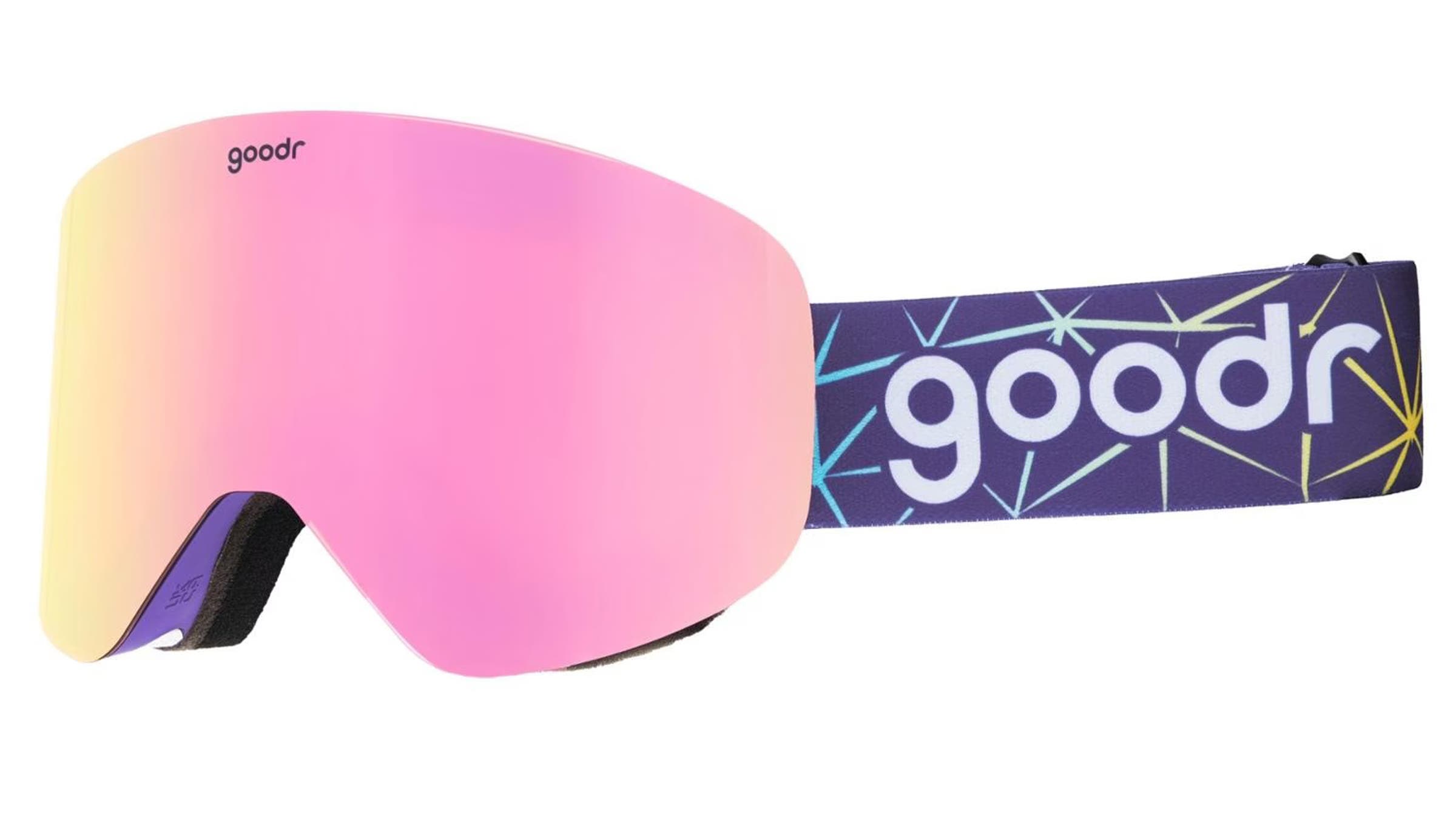
Fit: Medium
Lens shape: Cylindrical
Pros and Cons
+ Magnetic lens swap system
+ Comes with bonus lens
+ Comes with soft and hard case
– Testers with small faces found the fit too large
Easily swappable magnetic lenses are usually reserved for much more expensive goggles. But when Goodr—the king of low-price, good-quality shades—debuted their first goggles in winter 2023, it shook that concept upside down. The Snow G goggles come in three colorways/lens tints with cheeky names—Apres All Day, Bunny Slope Dropout, Here for the Hot Toddies—but you’ll buy this goggle for its high-end optics and $75 price tag. Our testers couldn’t believe these clear, high-contrast lenses came on a goggle at this price point. A grippy silicone strap that stays put on your helmet seals the deal.
Best Value: Smith Tribute
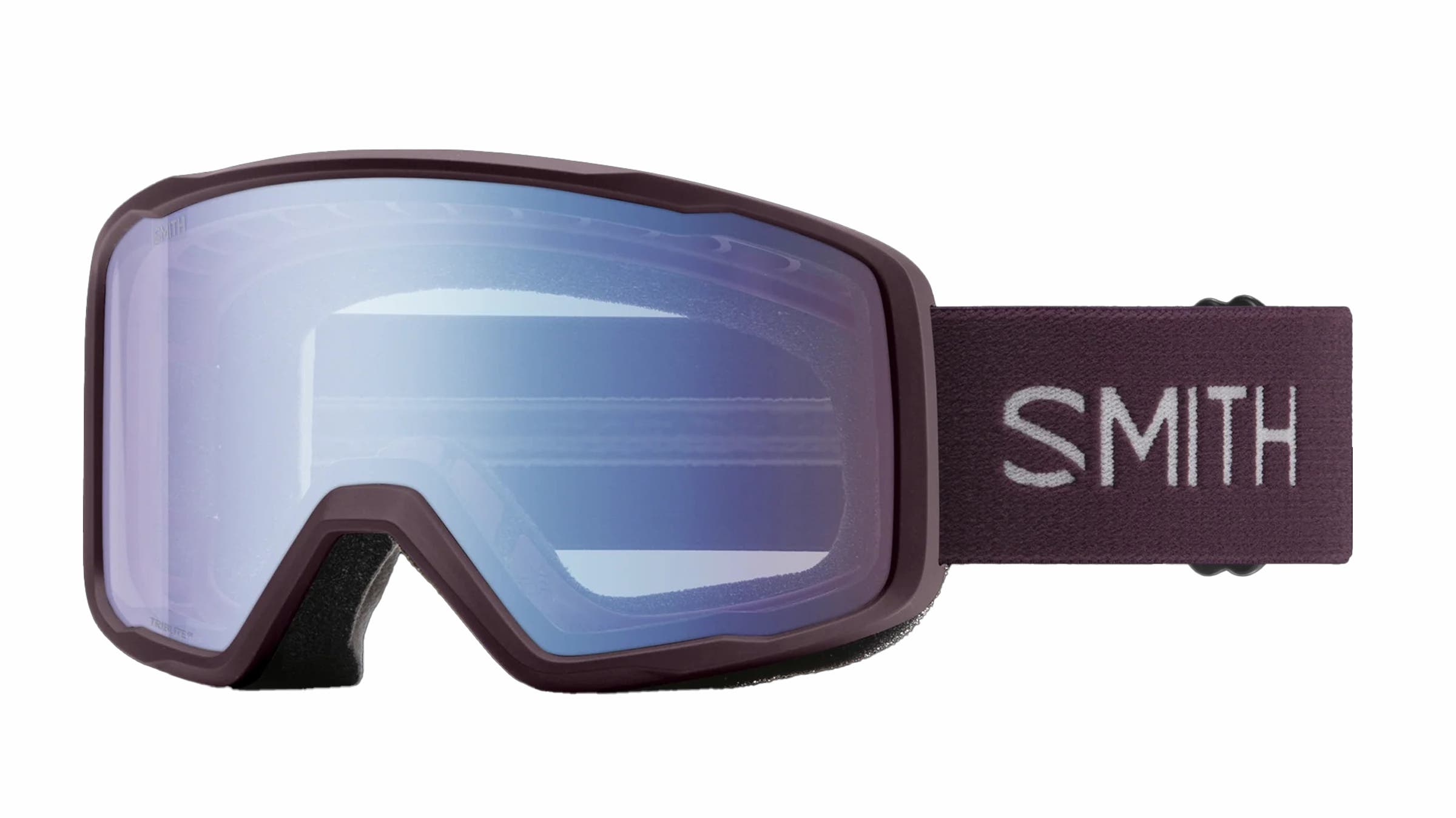
Fit: Small
Lens shape: Cylindrical
Pros and cons
+ Very affordable
+ Solid anti-fog treatment
+ Can swap the lens out (extra lens not included)
– Small frame was limiting for many testers
For about the price of a burger and fries at your favorite mega resort, you can rock the Smith Tribute goggles trip after trip. We found these low-profile goggles fit best on smaller faces, but the field of view feels anything but small. Thanks to anti-fog treatment on the inner lens, they stayed crystal clear lap after lap during a storm day at Jackson Hole Mountain Resort, Wyoming. The dual-layer face foam remained comfortable through a full day on the hill, and the silicone-backed strap never budged while we bobbed through bumps. The Tribute doesn’t include a second lens but the lens is removable—buttons in the frame release the lens easily—if you want to swap it out with a different option. We tested the Red Sol-X Mirror lens, which was ideal for blocking light on bluebird days, but for low-light days, we recommend choosing a more versatile lens like the RC36.
Most Versatile: Glade Mesa
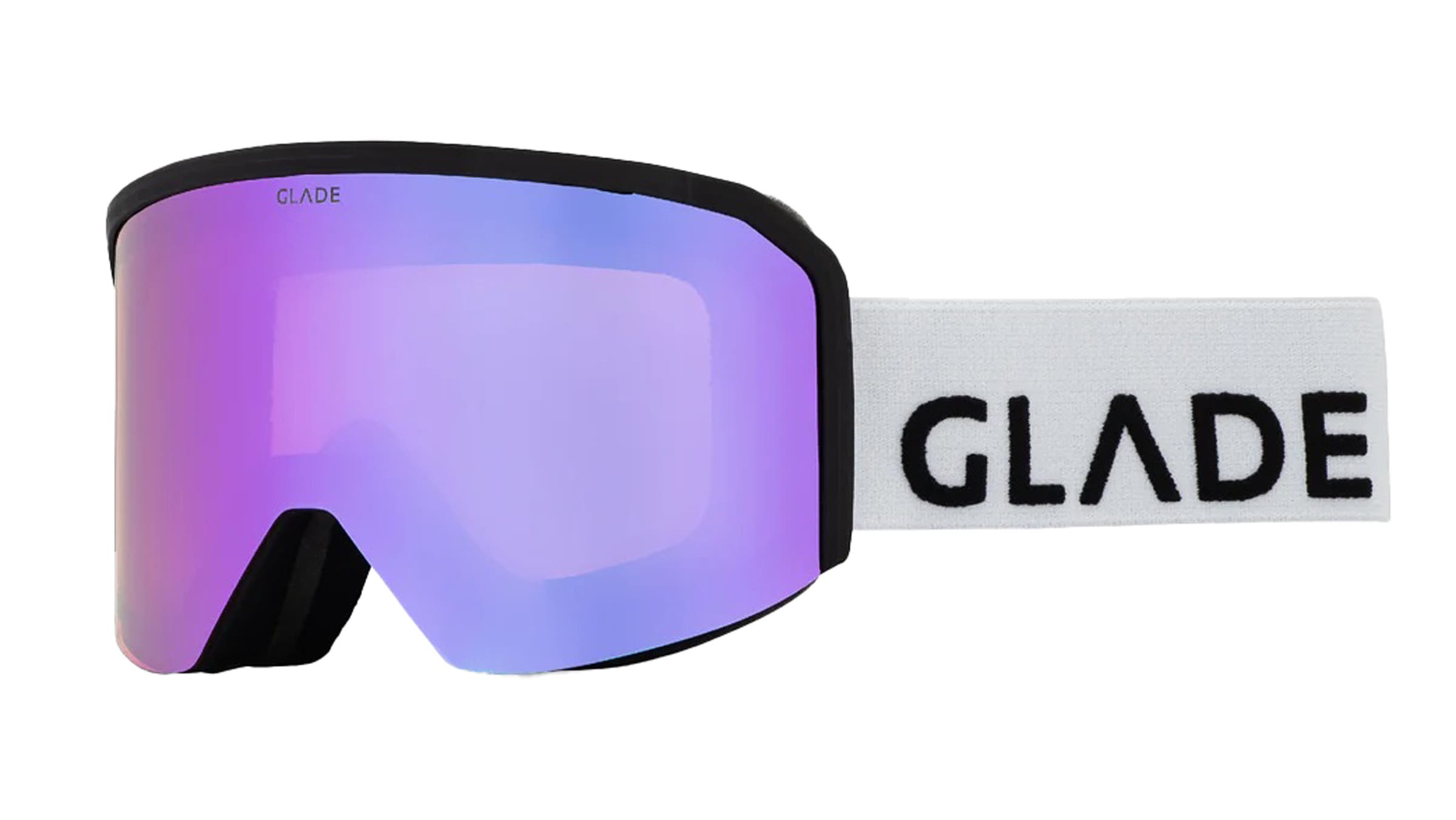
Fit: Medium
Lens shape: Cylindrical
Pros and cons
+ Medium frame fits most
+ Interchangeable lens is ideal for a variety of conditions
– Most expensive option in the category
– Lens swapping takes a bit of finesse
Tickling the $100 mark, the Glade Mesa is a budget goggle that hangs comfortably with pricier counterparts. It includes a spare low-light lens—rare in sub-$100 goggles—along with an active ventilation system that kept our lenses fog-free on steamy gondola rides and during wet storms. We found the medium sizing highly adaptable, working well for both larger faces and those on the smaller end. Swapping out the lens requires a bit of finesse—the button system isn’t as smooth as a magnetic system (which tends to make goggles pricier)—but for $100, we had no complaints. The Mesa is also available in a wide range of lens colors, so you can choose a tint (bright or low light) to best suit your home hill environment.
Best Single Lens: Atomic Savor M
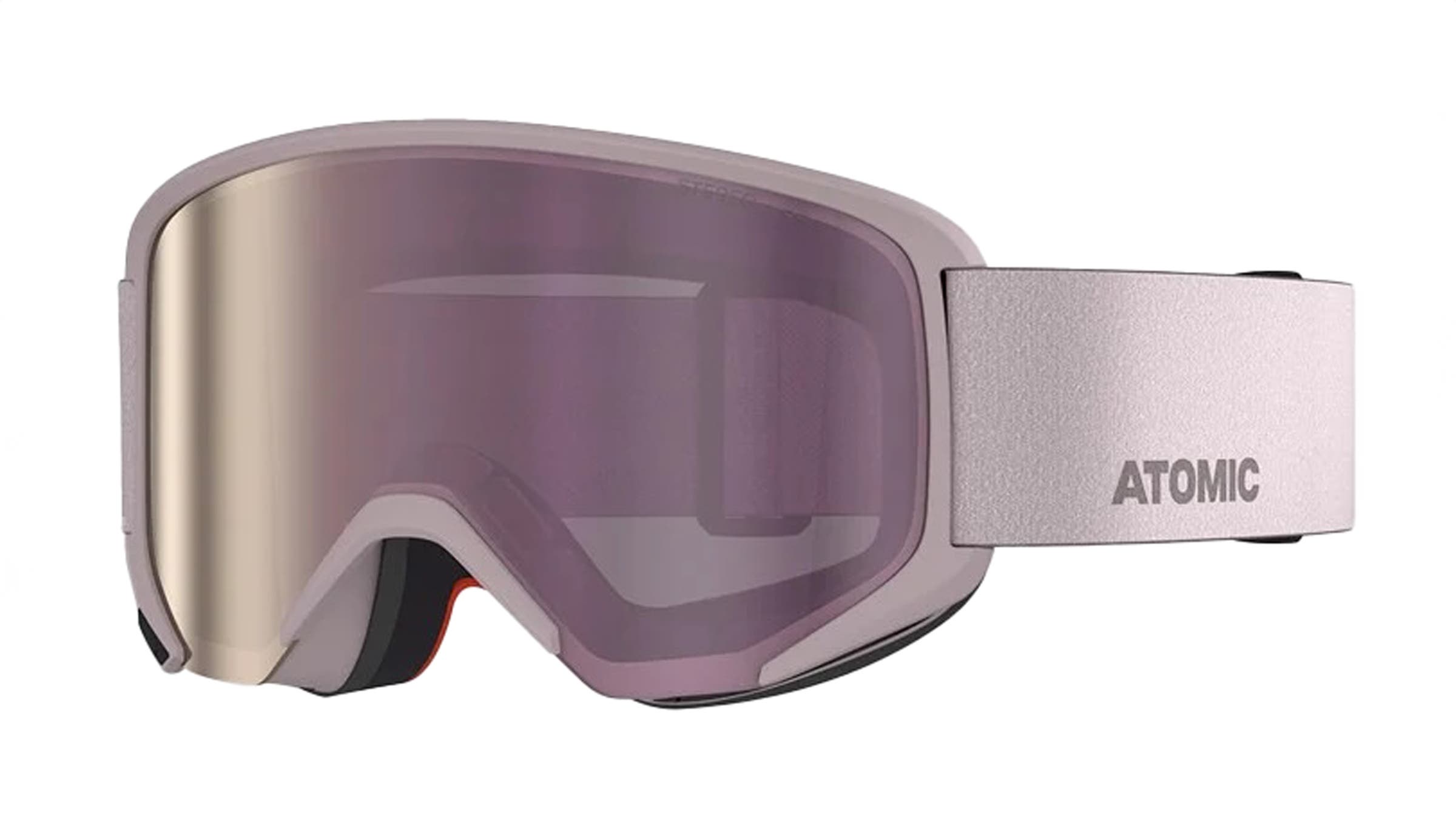
Fit: Small/medium
Lens shape: Cylindrical
Pros and cons
+ Solid venting for storm days
+ Comfortable face foam
– Small frame doesn’t fit larger faces
A scaled-down version of Scott’s popular Shield goggles, the Factor Pro holds its own on the mountain with a comfortable fit and impressively wide field of view. We wouldn’t recommend them for larger faces, but the compact frame still delivers strong visibility thanks to cylindrical lenses that maximize sightlines. The super-cushy two-layer face foam earned no complaints, and the thick, silicone-backed strap stayed securely in place while integrating cleanly with a range of helmets. We tested the Factor Pro with the AMP black chrome S3 lenses, which were ideal for bluebird days, but if you’re looking for more versatility, we recommend the S2 lens that transitions well between sun and clouds. There are 18 color and lens options for the Factor Pro, so you’ve got options.
Best Field of View: Salomon S/View 3 ML
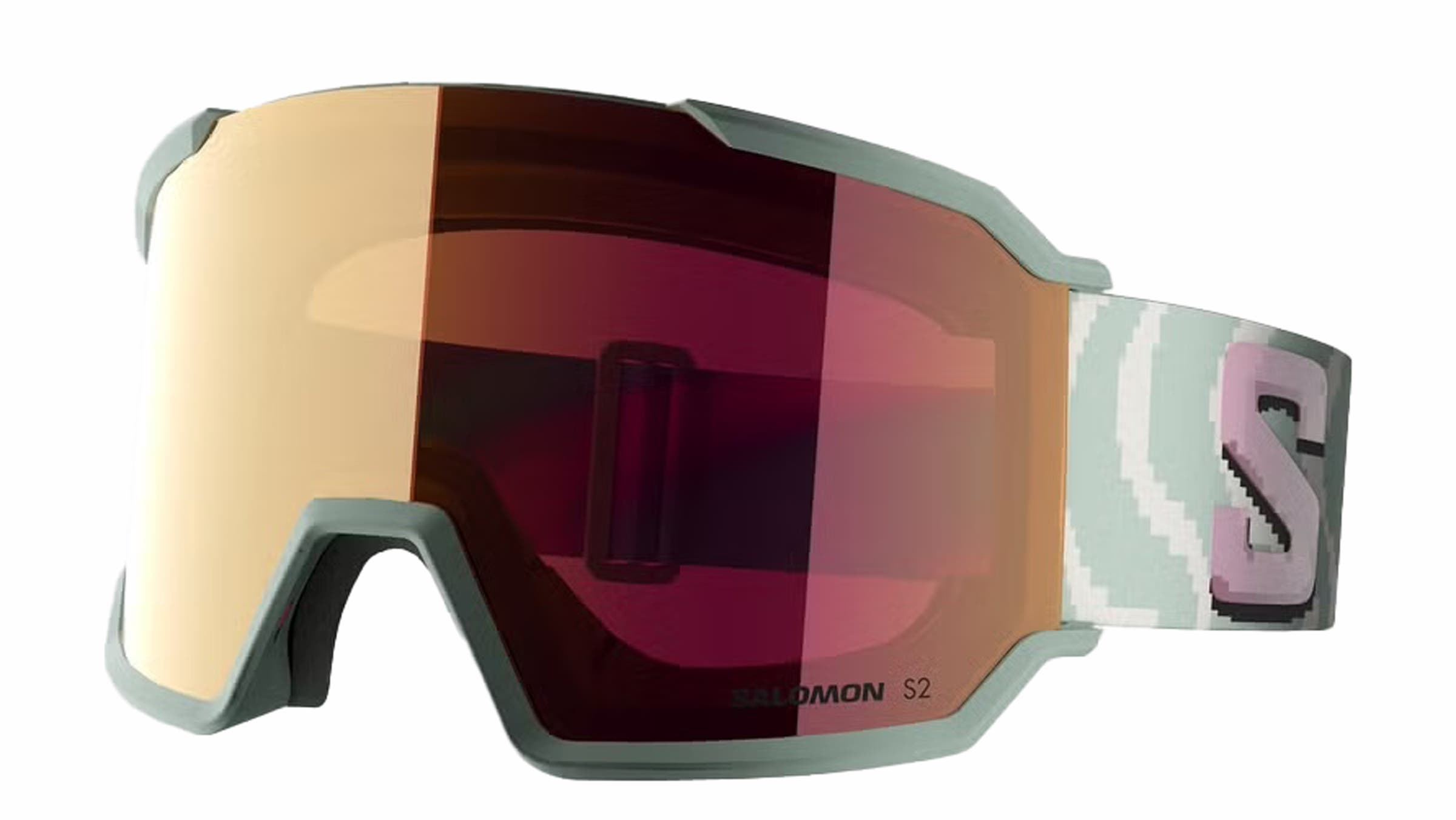
Fit: Medium
Lens shape: Cylindrical
Pros and cons
+ Large field of view
+ Medium frame fits most faces
+ Fun, unique strap
– Lens not ideal for ultra sunny days
If we hadn’t seen the price tag on the new Salomon S/View 3 goggles, we might not have guessed they fall into the sub-$100 category. Budget goggles often skew toward smaller frames and tighter fields of view, but that’s not the case here. The semi-frameless design gives the S/View 3 a wider feel than many medium-fit goggles in its class. Salomon’s triple-layer face foam sat snug and comfortable on our faces all day, and the multilayer lens delivered solid clarity with fog-free performance through stormy weather. The only drawback: the included lens wasn’t quite dark enough for true bluebird days.
Best for Small Faces: Scott Goggle Factor Pro
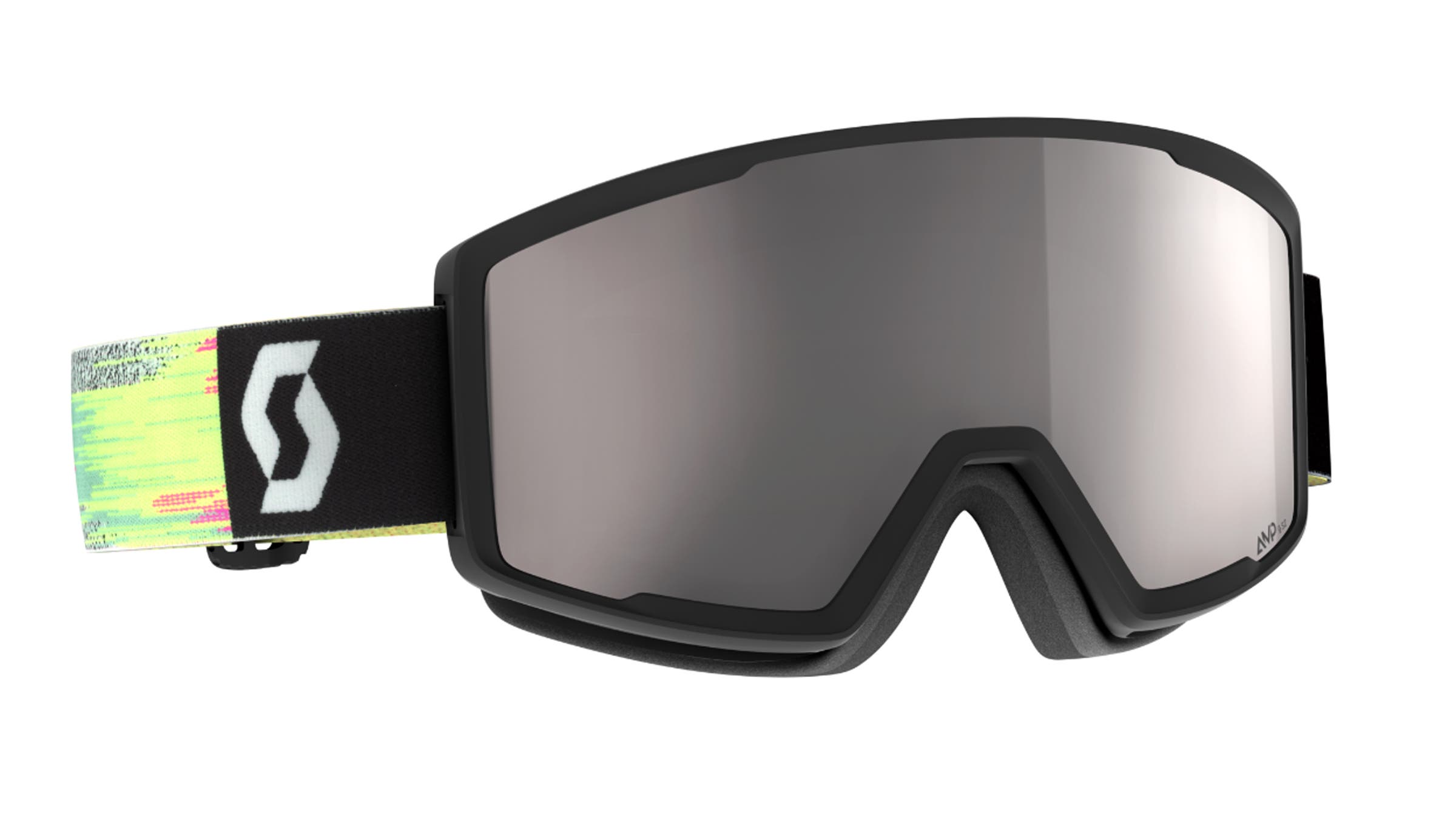
Fit: Small/medium
Lens shape: Cylindrical
Pros and cons
+ Solid venting for storm days
+ Comfortable face foam
– Small frame doesn’t fit larger faces
A scaled-down version of Scott’s popular Shield goggles, the Factor Pro holds its own on the mountain with a comfortable fit and impressively wide field of view. We wouldn’t recommend them for larger faces, but the compact frame still delivers strong visibility thanks to cylindrical lenses that maximize sightlines. The super-cushy two-layer face foam earned no complaints, and the thick, silicone-backed strap stayed securely in place while integrating cleanly with a range of helmets. We tested the Factor Pro with the AMP black chrome S3 lenses, which were ideal for bluebird days, but if you’re looking for more versatility, we recommend the S2 lens that transitions well between sun and clouds. There are 18 color and lens options for the Factor Pro, so you’ve got options.
Best for Women: Giro Moxie
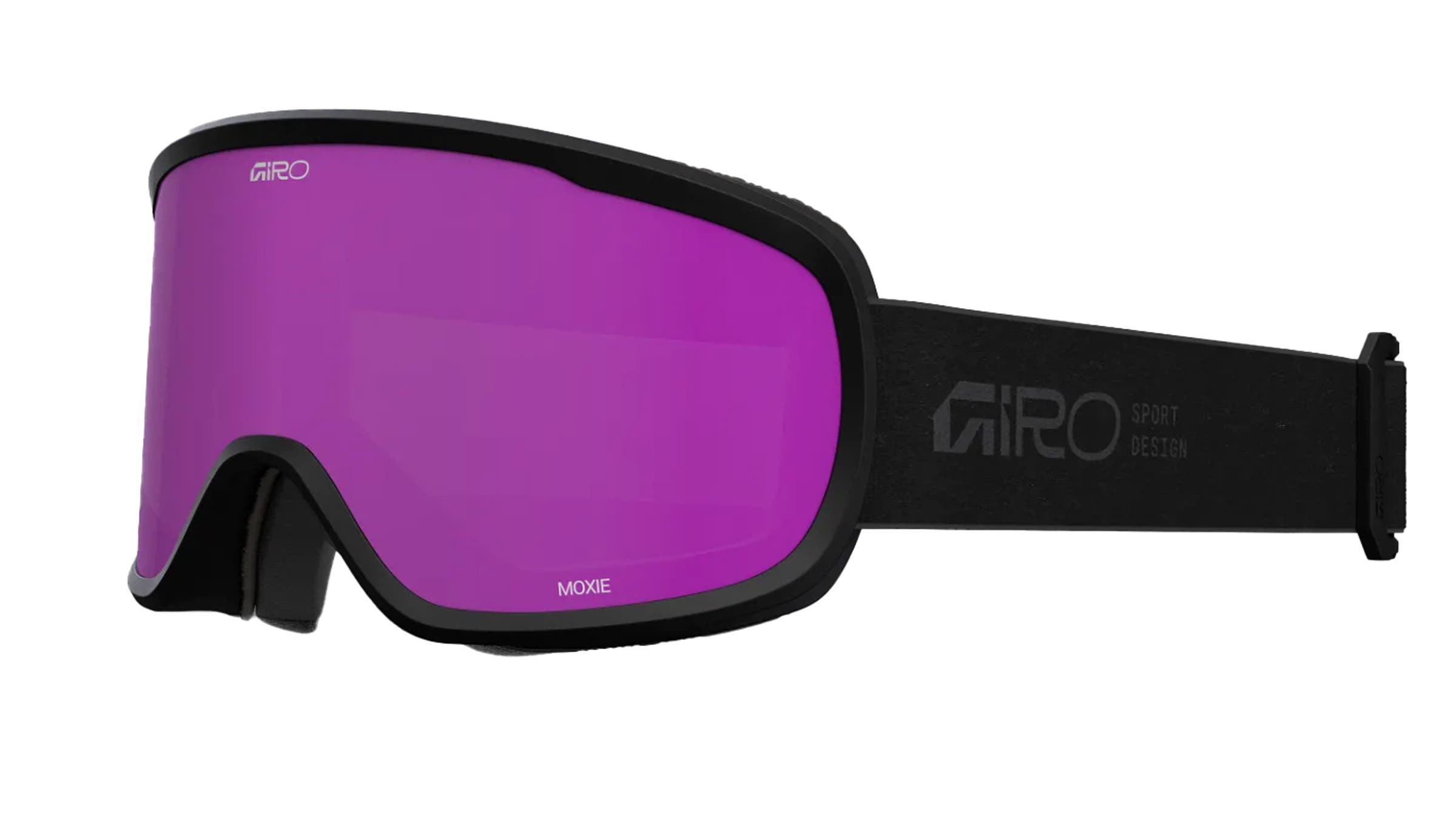
Fit: Small/medium
Lens shape: Spherical
Pros and cons
+ Great peripheral vision for a small frame
+ Bonus lens and easy swapping system
– Small frame doesn’t fit larger faces
Giro’s Moxie goggles are a strong pick for women or anyone with a smaller face, borrowing much of the same tech found in the brand’s premium models. That includes Giro’s Expansion View (EXV) Technology, which boosts peripheral vision by trimming down the frame edges, along with a crucial anti-fog coating for stormy days. You don’t need to wear glasses to appreciate the Moxie, but the over-the-glasses design adds extra interior volume to accommodate eyewear. If you’re not wearing glasses, that space simply translates to a bit more airflow. We tested the Moxie with the Amber S2 lens—best for a mix of sun and clouds—but they also come with a bonus S1 low-light lens that pops out easily for night skiing or heavy storm days.
How We Test Ski Goggles
- Number of testers: 4
- Number of goggles tested: 12
- Deepest day: 18 inches overnight at JHMR
- Warmest day: 42°F at the base of JHMR
Early-season skiing in the Tetons delivered every kind of condition imaginable, from cold bluebird days to deep storms and unseasonable rain. It turned out to be ideal for testing ski goggles. We put 12 pairs through their paces at Jackson Hole Mountain Resort, Wyoming, and on Teton Pass, tracking lens performance through major temperature swings. We also evaluated long-term comfort, paying close attention to face foam feel after hours on snow and how well each goggle integrated with a helmet. For models with interchangeable lenses, we assessed how easy they were to swap mid-day.
How to choose the right ski goggles
Frame size
Fit matters more than any single feature. Ski goggle sizing varies widely, and even the most advanced lens won’t help if the goggles don’t seal properly on your face. If possible, try goggles on before buying to determine whether a small, medium, or large frame works best for your face shape. Check that the goggles are compatible with your helmet—a seamless fit improves comfort and reduces fogging.
Lens shape
When shopping for ski goggles, you’ll typically choose between spherical and cylindrical lenses—both common in the budget category, with different tradeoffs.
- Spherical lenses are usually found on pricier goggles. Their rounded shape offers better peripheral vision and more internal volume, which can help reduce fogging and improve overall visibility.
- Cylindrical lenses are more common in affordable ski goggles. They sit flatter against the face, giving a lower-profile look that many skiers prefer. While the field of view may be slightly narrower, cylindrical lenses often integrate more cleanly with helmets and can be easier to protect from scratches.
Lens tint
Most budget ski goggles under $100 don’t include interchangeable lenses, so choosing the right tint for your typical conditions is key. Darker lenses work best for bright, sunny days, while lighter tints perform better in flat light, storms, and overcast conditions. If you ski in mixed weather, a versatile mid-range tint can be a solid all-around choice.
What’s the difference between budget and expensive ski goggles?
The biggest difference between budget ski goggles and premium models comes down to the lenses. While all of the affordable ski goggles on this list offer full UV protection, lower-priced options typically skip features like interchangeable or photochromic lenses (which automatically adapt to changing light).
Budget goggles also tend to have slightly smaller frames, which can mean a more limited field of view compared to high-end models. Lens durability is another tradeoff: less expensive materials and fewer anti-scratch coatings mean lenses may not last as long if they’re not cared for properly. Store them in their microfiber bags and handle them with care, and most budget goggles will deliver solid performance for years—at a fraction of the price.