Published March 4, 2026 10:17AM
When we got off the Jackson Hole tram in late January, the temperature was hovering around zero degrees and steady winds were blowing in our faces. I was skiing with a group that included two guides, three brand reps, and another ski journalist, so there was no dallying around. We immediately skirted by Corbet’s Couloir and ripped down Rendezvous Bowl. There were a few stops to regroup, but mostly we flew down 4,000 feet of vert at 20-30 miles per hour.
After about two hours of screaming down steeps and fresh corduroy groomers, the temp had only risen to five degrees. Waiting for the next tram, I stood in line trying to assess my overall comfort. My hands were starting to get cold, my nose was frozen, but my toes were fine. On a bitterly cold day my toes often went first, but this time they weren’t even on the edge of being uncomfortable.
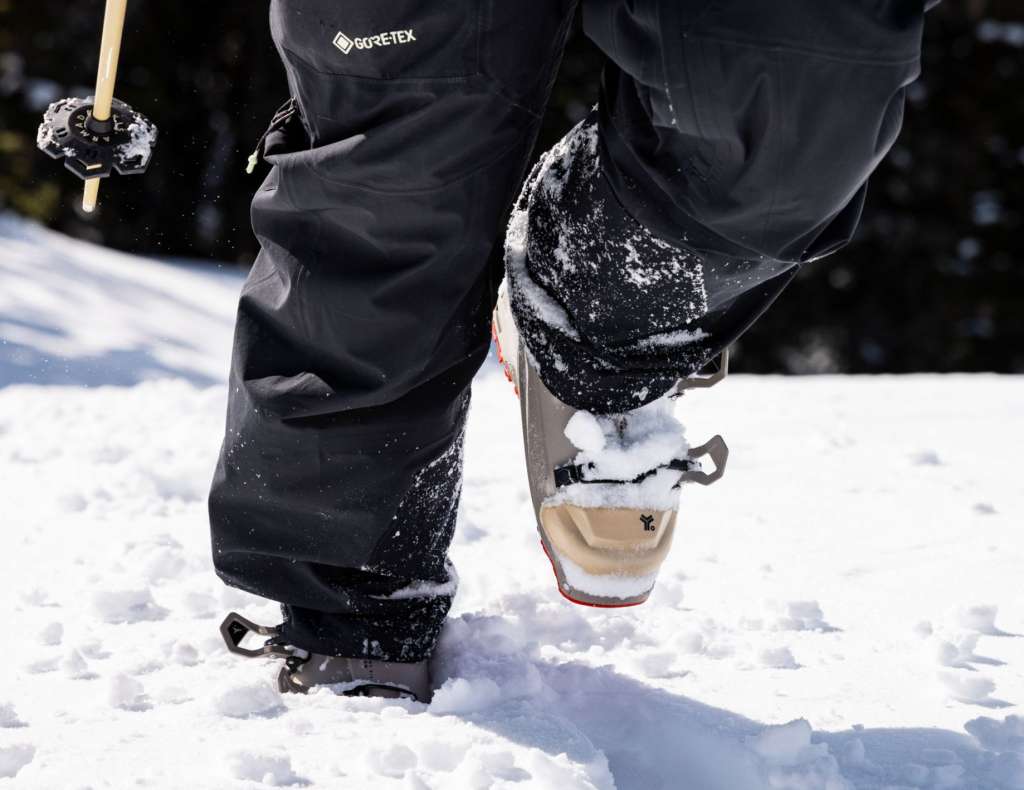
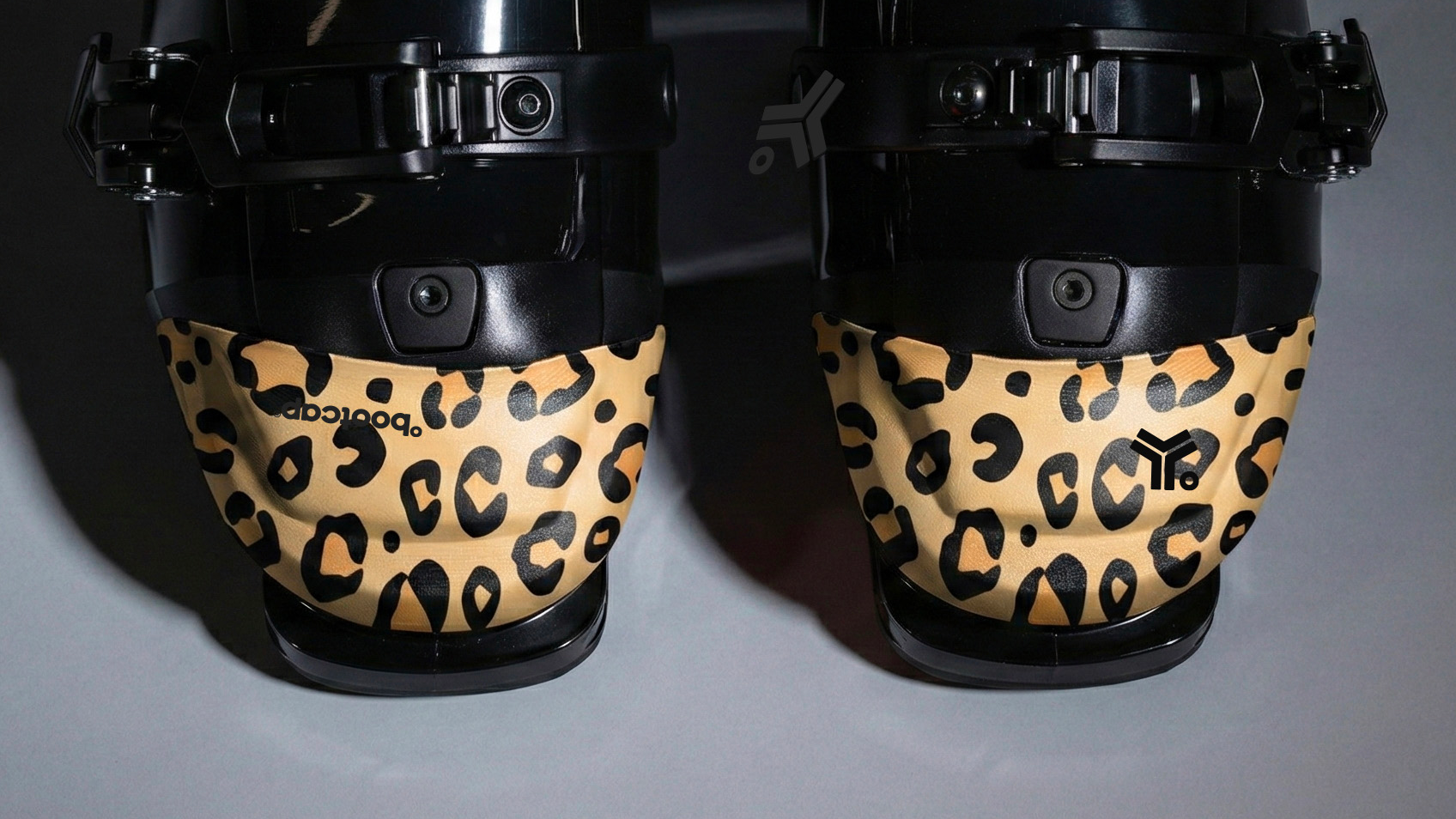
Looking down, I remembered that I had a new piece of gear strapped to my boots. The day before, a brand rep had updated my Atomics with something called a Bootcap: a piece of custom-molded closed-cell foam that sits on the outside of the boot and wraps the entire front of the toe. When he first pulled them out, I thought the caps were a bunch of hooey, but had agreed to try them as a favor to the rep whom I’ve known for many years, and who has always steered me toward smart new gear. Turns out he was right again. Thanks to this seemingly insignificant toe cap, my feet were happy and I was ready to keep going.
Bootcaps
A Bootfitter’s Inspiration
Back home, I called Bootcap co-founder Mike Thorpe, and he told me one of the best product development stories I’ve heard in a long time.
A bootfitter in Salt Lake City for the past 30 years, Thorpe had long ago noticed that any time he used a high-end, closed-cell foam boot liner, his feet stayed warmer. He knew most people would never splurge for a liner that can run north of $200, but he thought there might be a way to bring that kind of technology to the masses. For years, he kept the idea in the back of his mind until, in 2017, he finally tried strapping high-end foam to the outside of the boot. To create that first prototype, he took a $250 liner, cut off the toe, and glued it to the outside of his own boot.
The toe is always the coldest part of the foot because that’s what hits the wind first. And skiers were only complaining more at his shop because the plastic around the toe was getting thinner to save weight. At the same time, boot fitters like Thorpe often had to “punch” out the toe, making it even thinner, in order to create a custom fit. His new device made up for the lack of insulation in a remarkably simple fashion.
Proving the Concept
He first tested the prototype Bootcap at Snowbird, where he skied for four hours with only his left toe covered to see if he could feel a difference. Riding the tram, he said his right foot was frozen, but the left foot with the covering felt fine. Worried he was just falling victim to the placebo effect, he kept skiing and tried to reassess. Driving home, he said his right foot ached in the car, but his left foot was toasty.
“At that point, after a full day of testing, I knew I was onto something,” he said. “I wasn’t lying to myself.”
Thorpe’s next step was to bring in his friend Nate Ries, whom Thorpe had talked to about starting a company for years. Ries, who brought design skills, saw potential, so they both threw down $25,0000 and started the company.
During the rounds and rounds of development and testing, Thorpe went back up to Snowbird regularly. One time, he rigged his ski boots with digital thermometers between the plastic shell and the liner to try to avoid interference from his feet, and taped a temperature readout device to his thigh. After four hours of skiing, the boot with the cap was 20 degrees warmer, further verifying that he wasn’t crazy.
Obsessing the Details
By then, Thorpe said he was all in. He and Ries went deep, trying to figure out the perfect material, shape, and adhesive. High-end foam was the obvious material choice because it did the best job beating back the cold and retaining any heat coming off the boot. As for shape, luckily, all the toe pieces on adult ski boots need to fit into universal bindings. This allowed Thorpe to come up with a one-shape-fits-all cap. They thought about Velcro as an adhesive but realized it would allow air to seep between the cap and the boot, so they eventually landed on a strong glue.
The caps started to gain traction with friends and a roster of pro skiers they knew or ran into in the SLC area. Big names, including Dash Longe, Jonny Moseley, Ted Ligety, and Todd Ligare, all saw the benefits and requested samples.
Finally, during the 23/24 winter, six years after Thorpe’s first prototype, the company officially launched as Bootcap and began selling the product online and in select retail stores.
“Nate and I are obsessive, so it took a long time, but we didn’t want to put a bad product on the market,” Thorpe said.
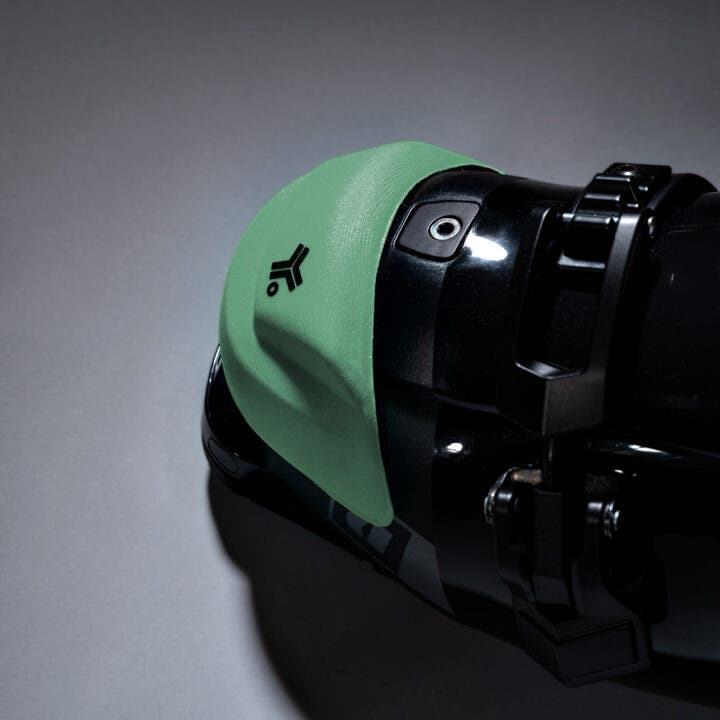
Thorpe still works as a boot fitter 10 hours a week because he has clients who want his years of experience. But the rest of his time is spent growing the company. They’re launching caps for kids’ ski boots next year and also expanding partnerships. They already have a collab Bootcap with the film company TGR, and have been approached by several other companies asking for something similar. The goal is to expand but stay true to the original idea of providing a simple product that makes skiing easier and more fun.
“The whole reason Nate and I got into the ski industry was because we love product development and we love style,” Thorpe said. “We want Bootcaps to be useful, but we also want people to love the brand and feel great about wearing our product on their gear.”
Testing Verdict: Gimmick or Essential Equipment?
Today, Bootcap is on its third design. Ries went back to the drawing room and created a new clay mold for an improved Bootcap that the company launched this past December. Thanks to small but important tweaks, Thorpe said the cap now fits better and is easier to put on—something I saw firsthand.
It’s simple to peel off the paper covering the glue and fit the caps snugly onto the toe. The adhesive works at room temperature, but sticks even better when the glue is heated up with a hair dryer. An easy-to-use jig enables you to correctly position the caps so that they never interfere with your binding.
I’ve only had two weeks of testing my Bootcaps, so I admit I may be imagining their benefit. But even with some placebo effect built in, it’s obvious the Bootcaps make a perceived warmth difference. I’ll gladly keep wearing mine and will get some for my kids when they launch the youth version next year. $60 seems like a lot for a piece of foam, but my testing has convinced me it’s a small price to pay for dependably warm toes.