Published April 8, 2026 08:00AM
There’s a difference between a ski trip and a ski vacation. I’ve been on many of the former, cramming as many guys in a roadside motel room and as many runs into a day as we could, creature comforts, aside from good beer, be damned. Ski vacations, on the other hand, emphasize the “vacation” side of the equation. It’s the difference between busting out vert and belting out karaoke at the base-area brewery.
North Carolina’s Beech Mountain Resort attracts the latter. And it’s a raucous reminder of what skiing is supposed to be.
The highest-elevation ski area in the Eastern U.S. at 5,506 feet, Beech Mountain lies five winding miles outside of the charming town Banner Elk. With two ski resorts visible from downtown’s white clapboard buildings—Sugar Mountain Ski Resort occupies the horizon less than four miles to the south—Banner Elk has a legitimate claim as the Ski Capital of the South.
As the closest mountains in reach for many in the deep South, these Blue Ridge ski resorts cater to vacationers from Florida, Georgia, and South Carolina., among other states For the snowbirds, Spring Breakers, and school and church groups, the slopes occupy the same space as Six Flags or an all-inclusive resort.
Beyond their geographical accessibility, Beech and Sugar have made it easy to be a first-time, or once-a-season, skier: a Floridian, who would otherwise have no reason to own a jacket, can board a flight in Miami without a stitch of ski attire and rent everything, from boots to outerwear.
This part of North Carolina has longstanding roots with deep South recreationists. During the 1800s, the hardwood-forested hills of the southern Blue Ridge Mountains spawned summer camp culture as we know it, as families came up from sweltering South Carolina to escape malaria scares.
That same rejuvenating Blue Ridge air attracts families in the winter now, too—as does that sense of summer-camp-like nostalgia.
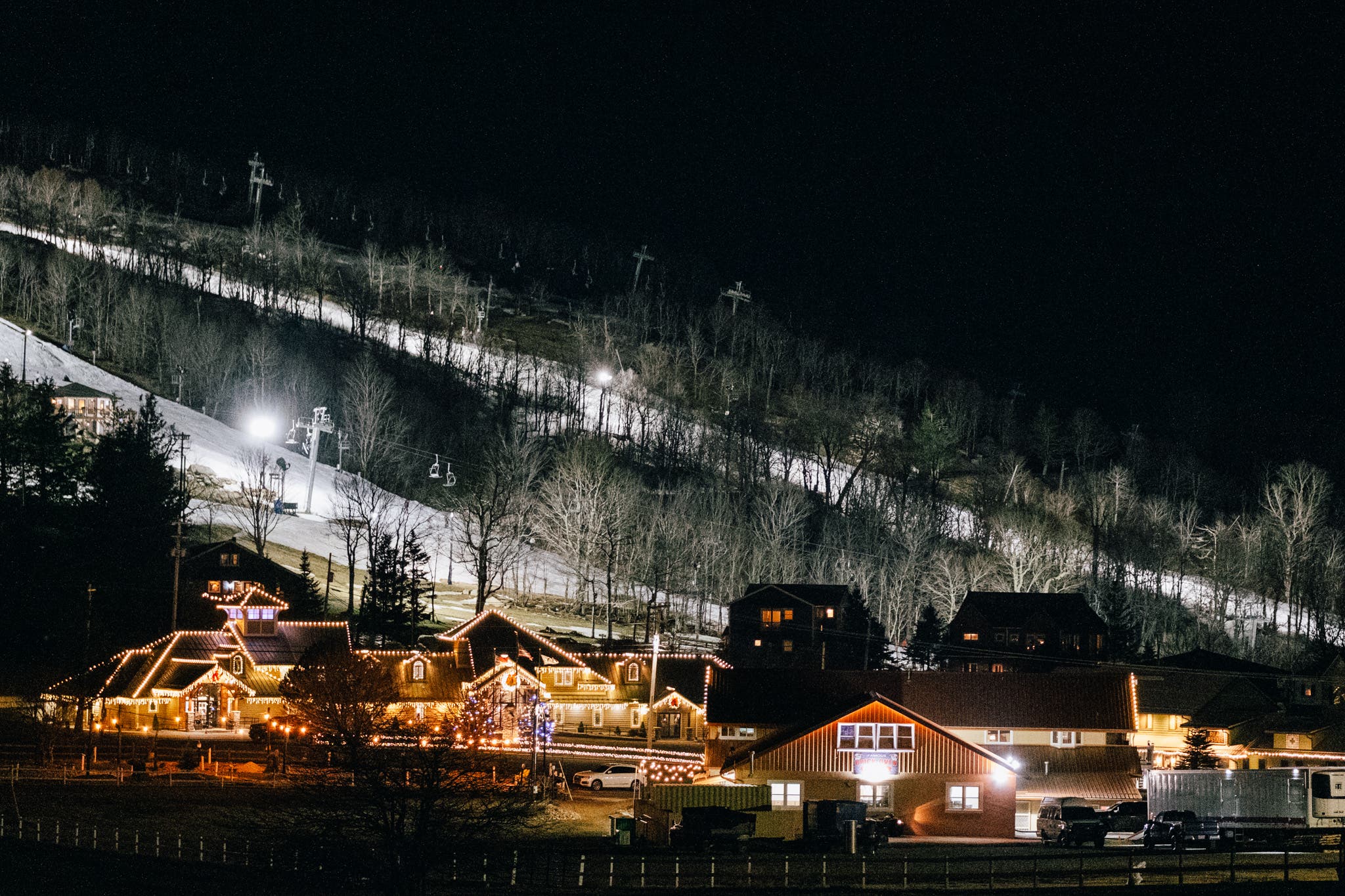
“In this part of the country, so many people learned to ski at Beech and Sugar,” says Nancy Owen, Tourism Director at Banner Elk Tourism. “So, it really holds a lot of emotions and nostalgia for people that they can bring their child to the same resort that they learned to ski at as a kid.”
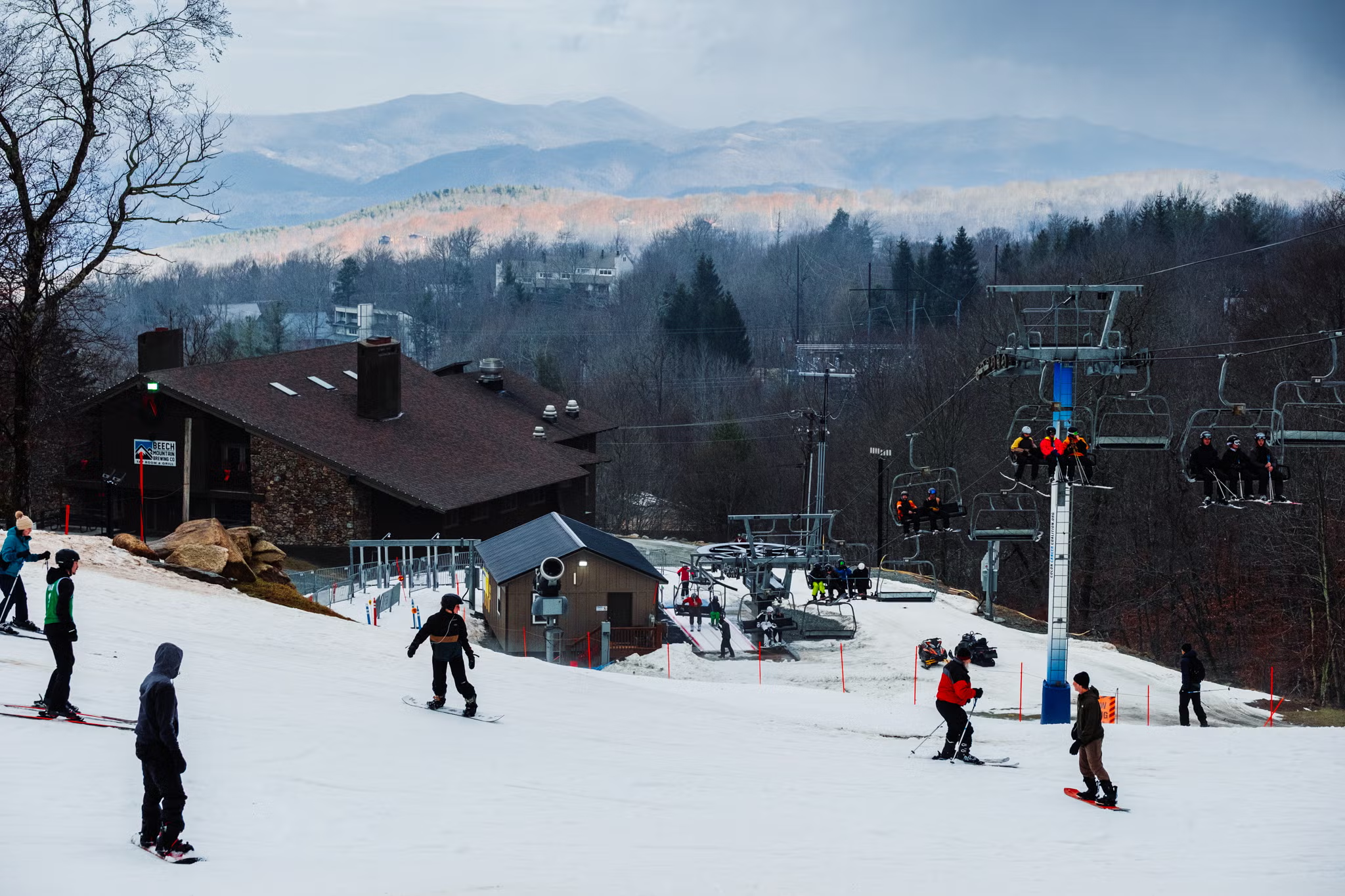
At Beech Mountain, winter-bare beech trees and rhododendrons typical of Blue Ridge balds frame 17 ski runs across 95 skiable acres and 830 feet of vert. The community of Beech Mountain sits on the same long ridge as the ski area; a neighborhood even flanks the upper chairlifts. At the base lies Beech Mountain Brewing, one of the first and only American microbreweries located within a ski resort (take that, Vermont). Meanwhile, Sugar Mountain boasts North Carolina’s only double-black run on its 125 skiable acres. It’s a short, double-fall-line pitch that scratches the itch for steeps amongst the resorts’ high-speed, roller-coaster runs.
Surprisingly, the ski areas here pride themselves on long, and consistent, seasons. Sugar Mountain Ski Resort has been open for Halloween in years past, and it routinely runs lifts until April. Even in the aftermath of Hurricane Helene, which devastated western North Carolin—and its ski areas—in September 2024, the resorts opened for the 2024-’’25 season with little interruption, Sugar Mountain renting lighting equipment for its popular night-skiing operations.
The secret to their consistency: snowmaking. North Carolina ski areas have been at the forefront of southeast snowmaking, and both Beech and Sugar can offer 100 percent snow-gun coverage. (Having a small skiable footprint certainly helps.)
“We have so many visitors in the area where it’s the first time they’ve ever seen snow, and with the advances in snowmaking we can pretty much guarantee that for them,” says Owen.
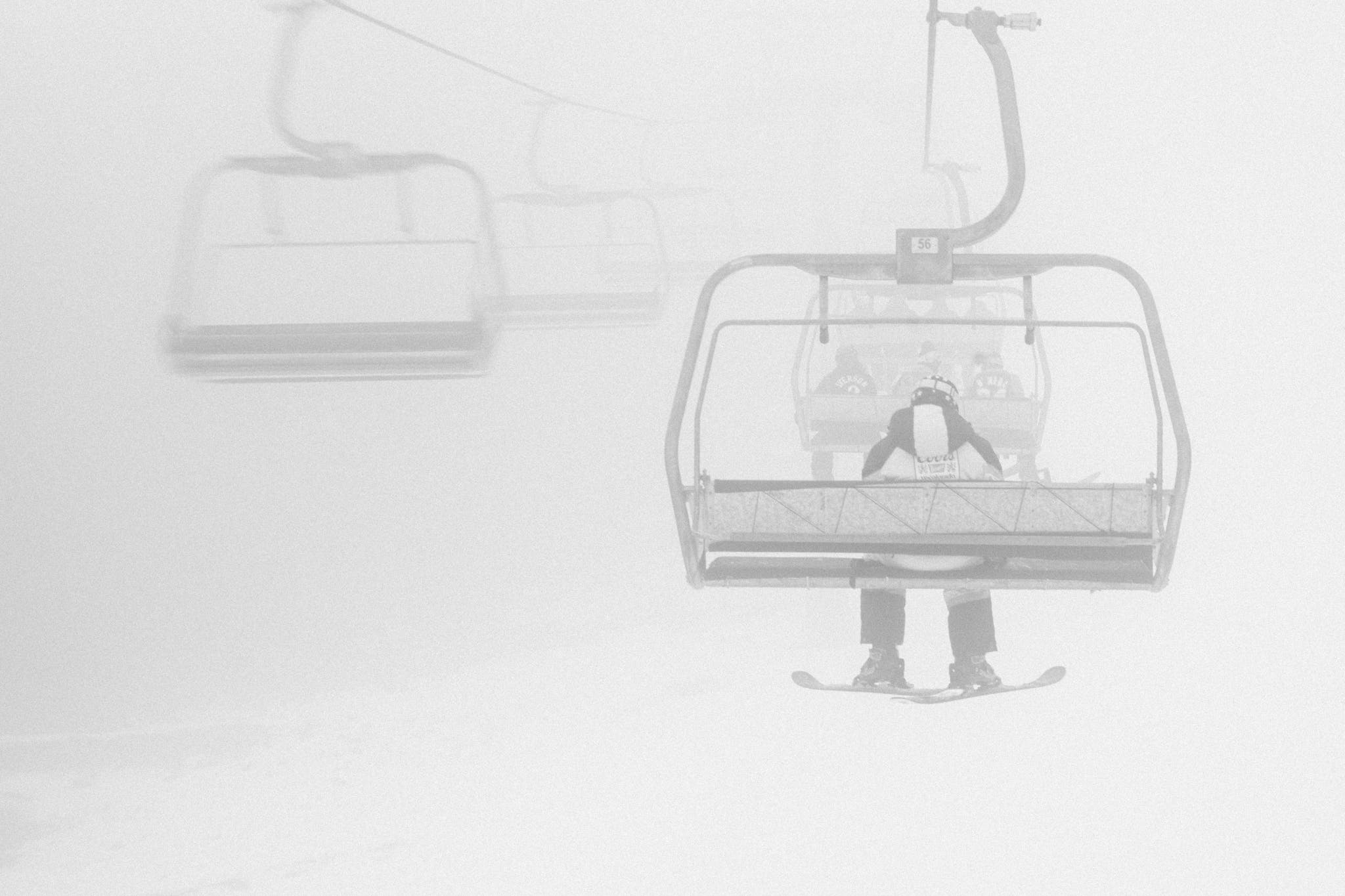
That’s not to say this area doesn’t receive genuine snowfall though, as this winter’s snowstorms that gripped the Eastern Seaboard can attest.
The Ski Capital of the South attracts serious skiers, too. Lees-McRae College, a private liberal arts school occupying a cluster of stone buildings on a small bluff on the edge of Banner Elk, consistently produces Division II national champions in skiing and snowboarding. In 2024, the college elevated the ski and snowboard teams to varsity status, a first for southeast ski programs. Lees-McRae even offers a Ski Industry Business and Instruction minor.
Perhaps it’s the relative lack of powder fever, or the vacation vibe, or just the Southern pace of life—or some combination of all three—but, Lees-McRae’s racing bona fides aside, skiers here are obviously in less of a hurry. And that can come as a bit of culture shock to someone used to skiing in the powder-mad Pacific Northwest.
The first time I see a line of four singles each board Beech Mountain’s base-area quad chair solo, I scream “make 4s!” in my head. But I quickly realize that no one else seems to care. It’s a busy Thursday evening—karaoke night hasn’t quite reached fever pitch yet, so the slopes thrum with activity. As many people as there are here, and on such limited terrain, everyone skis like they’re the only one on the mountain: straight-lining it or turning across the entire run, no in between. At some point, I see a guy skiing with actual beech branches for poles.
“It’s expensive to fly a family of four to Colorado or Vermont,” says Owen. “[Beech or Sugar] is not going to be the biggest hill, but you’re still going to get kids and people on the snow. If you only relied on the diehard skiers, the sport would be dead.”
Skiing is very much alive in the South, and while it may not be blower powder, carving high-speed lines with no concern for stats, stashes, or the clock has its own lure.
It feels, in other words, like a vacation.