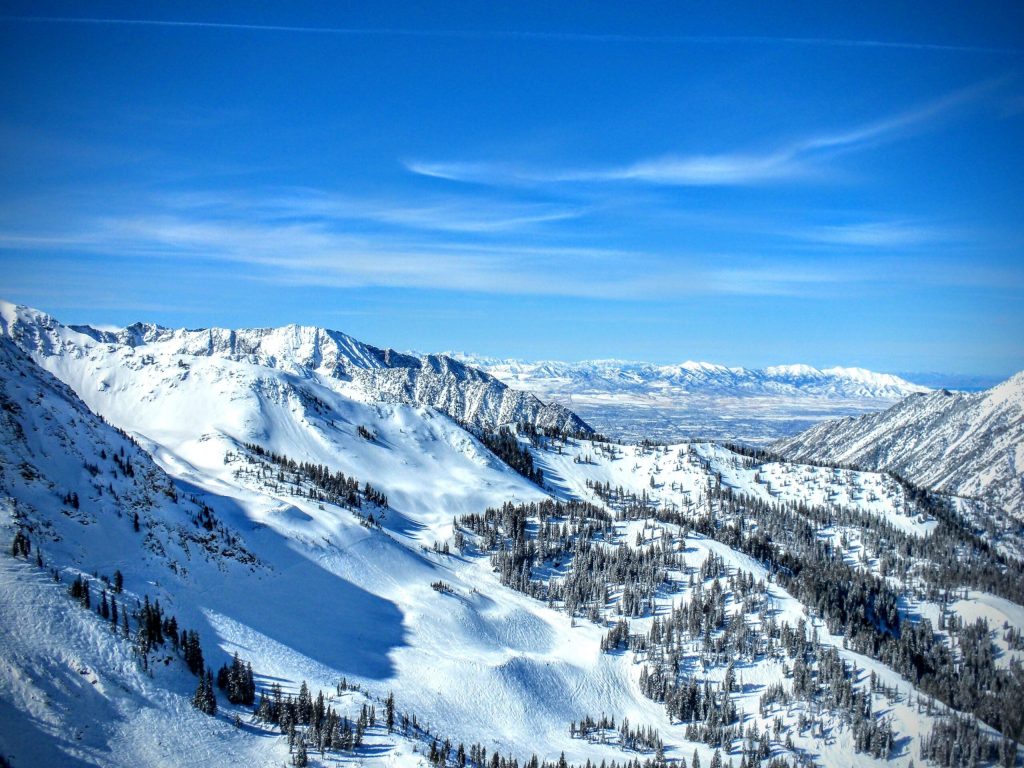
Make no mistake: Venture beyond resort boundaries—even if you rode a chairlift to get there—and you’re in unmitigated backcountry terrain.
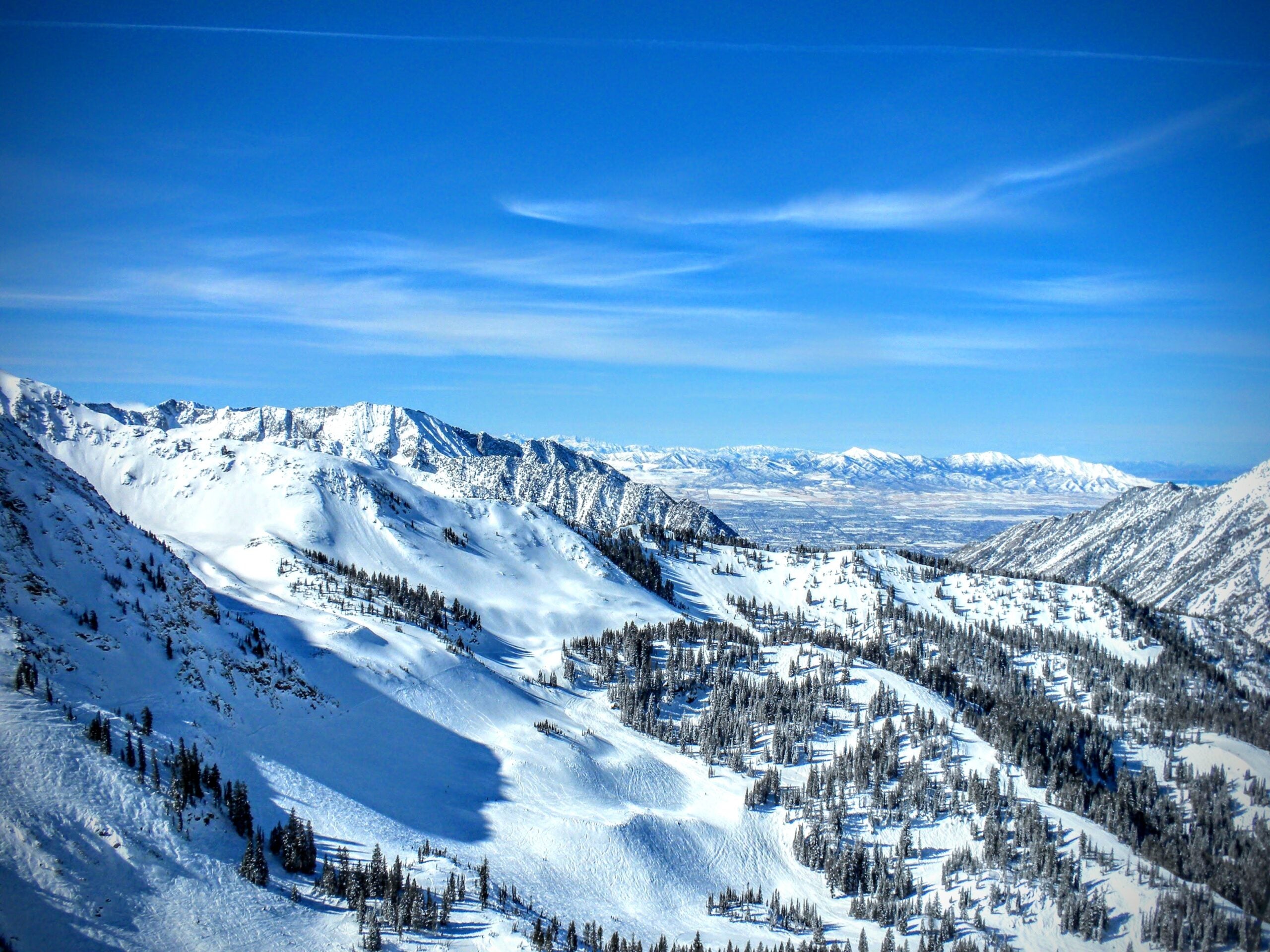
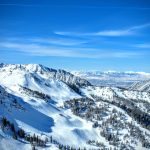
Winter Panoramic view of the back of the Wasatch Mountains Utah from the top of Brighton Ski Resort in the Rocky (Photo: Getty Images)
Updated February 20, 2026 01:30PM
We’ve seen it many times: The storms finally start rolling in and just like that, ski season changes on a dime. Powder-starved enthusiasts beeline to the ski areas to feast on new snow like they’re making up for lost time.
In places throughout the West this weekend, including Colorado, California, and Utah, it’s going to be deep. And while that’s amazing—it’s what we live for as skiers—it’s also going to be dangerous, with a level of powder frenzy that can lull us into bad decisions.
On Feb. 19, an 11-year-old girl died after being buried in an avalanche just outside Utah’s Brighton Mountain. She was skiing with family members. While many details remain unclear, the slide occurred in the Rock Garden, a popular backcountry area that is easily accessed from the ski resort.
The Rock Garden is a great example of terrain typically referred to as “sidecountry”—zones just past a resort’s boundary that are easily accessible from the lifts, but unpatrolled and not mitigated for avalanches. These spots are clearly marked with signage that going past a certain point means you’re exiting the safety of the resort, and that everyone must have appropriate backcountry safety gear, including a beacon, probe, and shovel—and know how to use it. Early reports say that the child caught in the Brighton avalanche was not wearing a beacon. It’s unclear whether the other skiers had any safety equipment.
These “sidecountry” areas are often the most dangerous terrain out there. Why? Because people can get to them without having to hike or skin in. It doesn’t require backcountry skis or tech bindings, nor climbing skins to navigate switchbacks. This kind of easy access breeds a false sense of security that it’s somehow “less dangerous” than full on backcountry travel.
But make no mistake: “Sidecountry” is full-on backcountry travel. Unless you possess the snow-safety knowledge, the backcountry skills, the avalanche gear—and the know-how to find someone should the worst come to pass—please stay inside resort boundaries.
What’s more, consider wearing a beacon and carrying your safety equipment even inbounds on the types of deep weekends like the one we’re heading into. Ski patrol does its best to keep the mountain safe and open terrain slowly and carefully after proper mitigation, but in-bounds avalanches happen. Mammoth ski patroller Cole Murphy was killed in an in-bounds avalanche at the resort on Dec. 26. His death marked the first avalanche fatality in a season that’s now seen 16.
The bottom line, as we’re learning in the tragic Castle Peak avalanche that killed six backcountry skiers and three professional guides in the Tahoe area on Feb. 17, this sport we love comes with risk. Heed the avalanche warnings, monitor storm conditions, and most importantly, arm yourself with the knowledge you need to keep yourself and your loved ones safe.