Published March 19, 2026 02:49PM
Daron Rahlves is a rare breed of athlete: Not only did he race Downhill, Super-G, and GS on the World Cup circuit, but after retiring from the U.S. Ski Team as an alpine ski racer, he was named to the Olympic Freestyle team and competed in the inaugural skicross event at the 2010 Vancouver Games.
A native of Northern California, Rahlves grew up skiing at Palisades Tahoe, where he honed both his big mountain freeski acumen and racing skills. He would come home to ski for spring break from the Vermont-based Green Mountain Valley School, or in between races after he was named to the U.S. Ski Team. In fact, he credits skiing with Shane McConkey and Jonny Moseley on a March powder day as a key factor to his first World Cup win a week later.
SKI met up with Rahlves to talk about his success as an American downhiller, his participation in four Olympics, the return of the Banzai Tour at Palisades Tahoe that he created, and how skiing has changed now that his own kids are at the age he was when he was first named to the U.S. Ski Team.
5 Questions with Daron Rahlves
SKI: You won the famed Hahnenkamm, one of the most demanding and technical downhill runs. How did you prepare mentally?
Daron Rahlves: I spent a lot of time watching videos and doing mental imagery of the track. Just like anything else, the more you do something, the more comfortable you get with it. I thrived on really pushing in demanding areas with high consequences.
To give myself a stronger advantage mentally, I put together a VHS tape called “Thrills and Spills,” with all the crashes where racers got up and skied away. Bode made the reel quite a few times. We got feed from the TV truck, and I would edit the thrilling moments, crashes, and incredible recoveries. It was like a highlight reel. If there was a helicopter or sled, that didn’t make the tape. If there was a good outcome, it would make the tape. I’d watch that during the week so that I’d know if I were to go through something like that, I’d be fine.
That was a mental advantage, and I never had any fear of crashing on the downhill track. I never had a time where I was in the starting gate and saw demons like a lot of other guys have had to deal with. It comes down to prep work. I would accept the fear and the consequences and think about how to execute the run so that the worst-case scenario wouldn’t happen.
SKI: You attended three Olympics as an alpine ski racer, then a fourth as a freestyle skier in the debut of the skicross event. How was the last Olympics different from the rest?
DR: I put a lot of effort into all of the Olympics. Once I was on the U.S. Ski Team, that became 100 percent my life. Then my wife, Michelle, and I had our kids, and I didn’t want to be on the road. I was doing skicross to have an outlet because I didn’t want to give up competition.
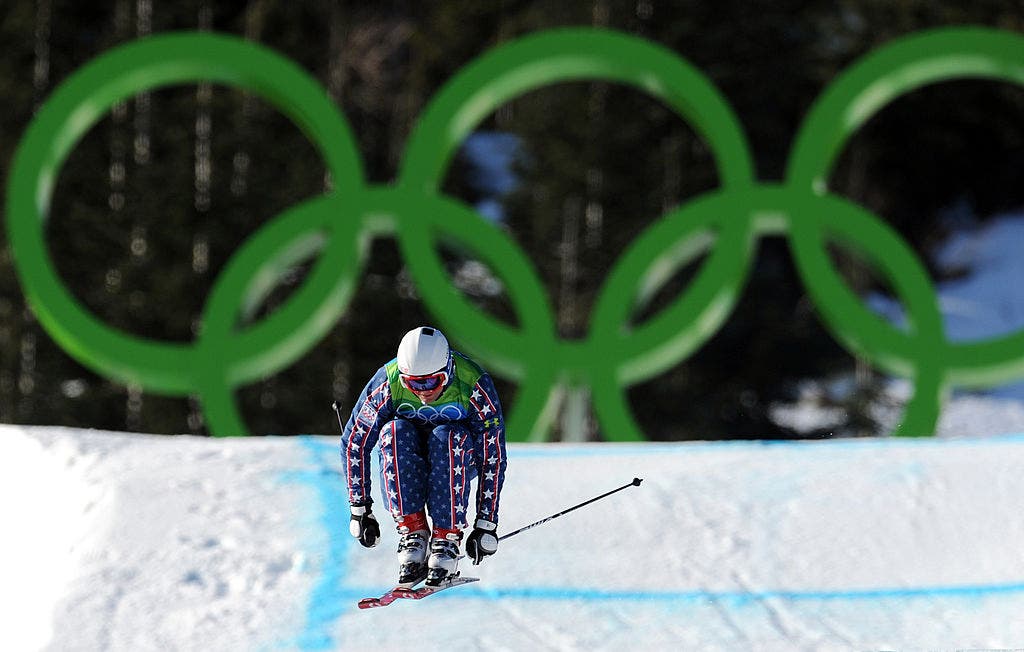
Then there was an opportunity to be part of debuting a new sport in the Olympics, so I committed in 2009 to do some World Cup events to qualify. It was a whole different kind of prep. Like a football team, you need to know what their defense and offense is like.
Unfortunately, I dislocated my hip at X Games 10 days before the Games. I felt pretty good with two days of practice and qualifying, but I was behind in terms of strength, power, and endurance. [During the Olympics] I was in second place and then had contact from behind when a competitor came in on an aggressive line, drove his tips in the back of my boots, and we both crashed.
It was fun and another element of skiing, but my preparation for that was really quick compared to my alpine years of consecutive effort for DH, SG and GS events. Someone told me I shouldn’t do skicross because it will tarnish my ski reputation. But I’m competitive so I put the effort into being successful. If you’re afraid of failure, don’t do it. I was willing to fail for the challenge of it.
SKI: Your Rahlves Banzai Tour returns to Palisades Tahoe on April 10-12, on the iconic KT-22 run. What is this competition all about, and what are some pro tips to win?
DR: The Banzai Tour is a top-to-bottom battle where the first one down the mountain wins. It’s a throwback to what ski racing was in the past. When we were little, we grew up racing each other, saying “last one down is the rotten egg.” You don’t want to be the rotten egg. All off-piste in rough natural terrain, it showcases a good all-around skier. It also has an element of head-to-head, like skicross; it’s a timed run, and the top 32 racers go into heats.
My pro tip is to have a good start and get in the mindset of being aggressive. You have to be aggressive, but also make quick judgement calls and not do anything too reckless. The stronger you are, the better, because when you ski off-piste, you expend a lot more energy than a smooth groomer. I set the course and l look for ways to use the whole mountain, so competitors should read the mountain so they can be in a good position to make a move if they’re not out in front.
I’m putting up $20,000 for a prize purse—an even payout for men and women; ski and snowboard—all the way to 5th place. This is more than just a competition—it’s getting everyone together.
SKI: Your twins, now 18, are growing up in a different era of skiing than you did. How would you compare ski competition now to when you were competing?
DR: Our era was about ski racing or moguls, and now there’s so many options like big mountain and slopestyle, plus there’s an opportunity to be a pro skier without competitions, like being an influencer or making sick edits. I’m glad that I didn’t have to deal with social media. For me, it was interviews, TV time, and if I did well, there was coverage. You made a career off of results.
One thing that is incredible is how fast kids are progressing these days because they see each other doing things. It elevates the level so quickly, especially on the big mountain side. Also, it’s cool to see equal pay between men and women.
SKI: How is life after competing and what’s next on your bucket list?
DR: I’ve been able to build a career off of ski racing and it’s been great to continue to live a life outdoors and be challenged in different ways. I’m trying to do what I can to inspire others. I do a lot of corporate events where I run across successful people, and I try to push them beyond their comfort level. The Banzai event enables people to find another level inside themselves.
I’ve also been working with a lot of different brands like Giro, Flyow and Atomic, and I like helping to improve products. And with Red Bull, I get to work with a team and mentor other athletes. I’m trying to pass that on to other athletes, as well as my own kids, that it feels good to work hard for something and have it come back. It’s a big reward.
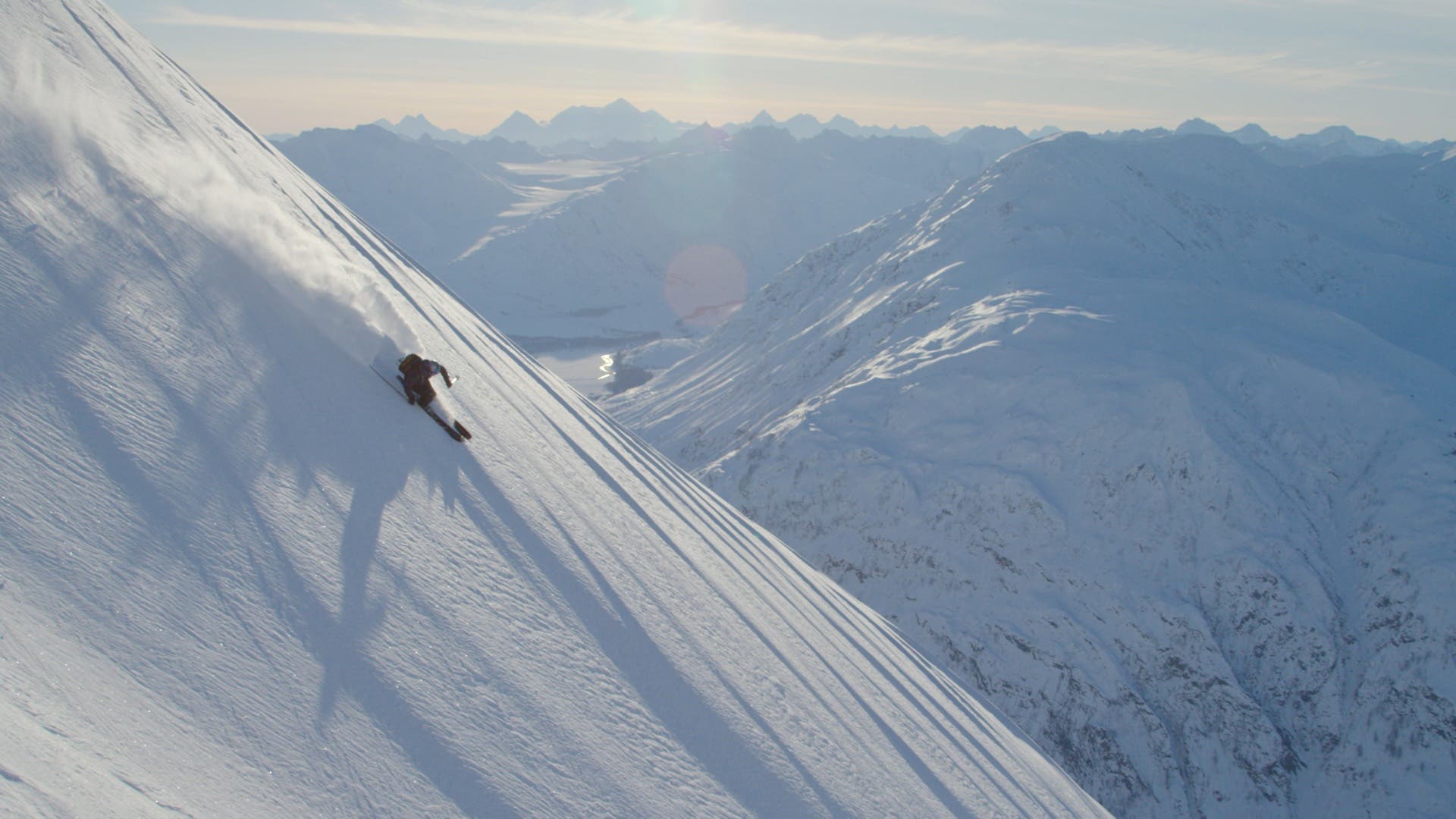
What’s next? My wife and I bought a lodge in Alaska with (U.S. Ski Team alumni) Reggie Crist and his wife. We’re elevating the Chilkat Mountain Lodge, 18 miles from Haines, and it’s getting to be a great place to go out in the mountains. I want to make a trip to Alaska happen every year to score some incredible skiing and share it with others.