When it comes to competitive skiing, most think of alpine ski race disciplines like downhill and slalom. Ski racing has always drawn the most eyes of any discipline in the sport, and even more so with the celebrity status of recent athlete phenoms like Lindsey Vonn and Mikaela Shiffrin.
As a result, ski racing is allotted much of the sport’s financial resources, whether it be in the form of prize money or sponsorship deals. Still, most skiers make pennies compared to the salaries of athletes in traditional sports, like the NFL or the NBA. It seems that in 2026, as the line between athlete and influencer becomes more blurry and the ski industry continues to experience fallout from the pandemic and the increasingly volatile nature of winter, it’s more difficult than ever for skiers to get paid.
Freeskiers occupy a much smaller niche than alpine skiers, meaning the sport gets a fraction of the funding. In the early days of action sports, landing a big video part or winning a contest was grounds for a ski sponsor to pay an athlete a high salary. Now, an Instagram following can be equally, if not more important than one’s athletic prowess, and film parts, print spreads, and singular competition results don’t carry nearly the same weight they used to.
The 2026 POWDER Photo Annual is here! Look for a print copy on a newsstand near you, or click here to have a copy shipped directly to your front door.
Izzy Lidsky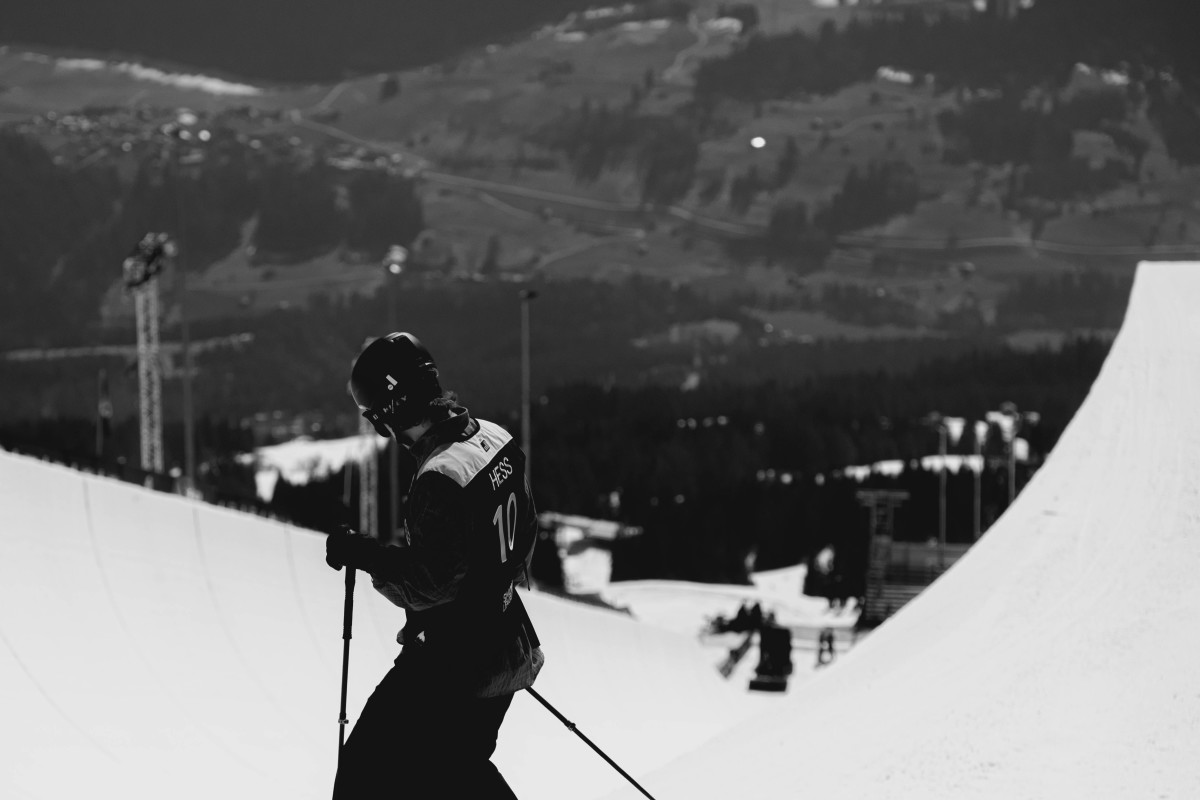
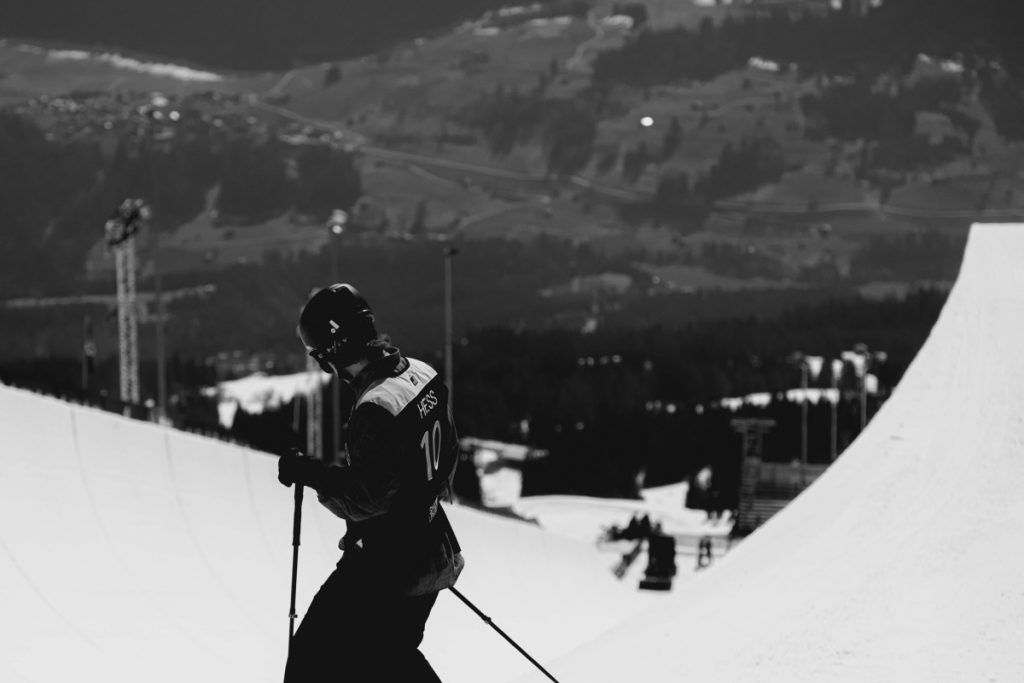
Bend, Oregon-bred freeskier Hunter Hess has spent his winters traveling and competing on the FIS World Cup halfpipe circuit, at the X Games, and this year, representing Team USA in the Olympics. Hess receives support with things like travel costs from the U.S. Ski & Snowboard team, which he’s been on since 2017, and sponsorship dollars from endemic ski brands like Volkl, Dalbello, and Peak Performance.
However, not all skiers on the FIS circuit have the same support. Freeskiing, which includes halfpipe, big air, and slopestyle, also has fewer World Cup events per season than alpine skiing, and the prize purses are a fraction of the size. Without financial support from sponsors or a national team, competing in World Cup events isn’t financially viable for many freeski athletes.
“Skiing is a gigantic industry. So you’re kind of asking, where’s this money going? Why am I representing such a big demographic of skiers and not getting paid for it?” said Hess. “I know freeskiing is more of a niche, but it is a situation where we’re still making money for these brands. There’s a lot of companies dumping a lot of money into it. We’re an Olympic sport, we have the X Games, a lot of us have large social media followings. Those are all things that people get paid for, and we’re almost seeing none of that money.”
Today, the skiers who make the most are rarely doing so exclusively from endemic brand deals and competition money. Athletes like Eileen Gu, who has a muilti-million dollar net worth, has partnerships with luxury brands like Porsche and Louis Vuitton, or Hess’ teammate on the U.S. Ski Team and close friend, Alex Hall, who is sponsored by pasta & soup brand, Rao’s Homemade, and luxury fashion brand, Moncler, are perfect examples.
Fellow halfpipe skier Gus Kenworthy had a similar take to Hess.
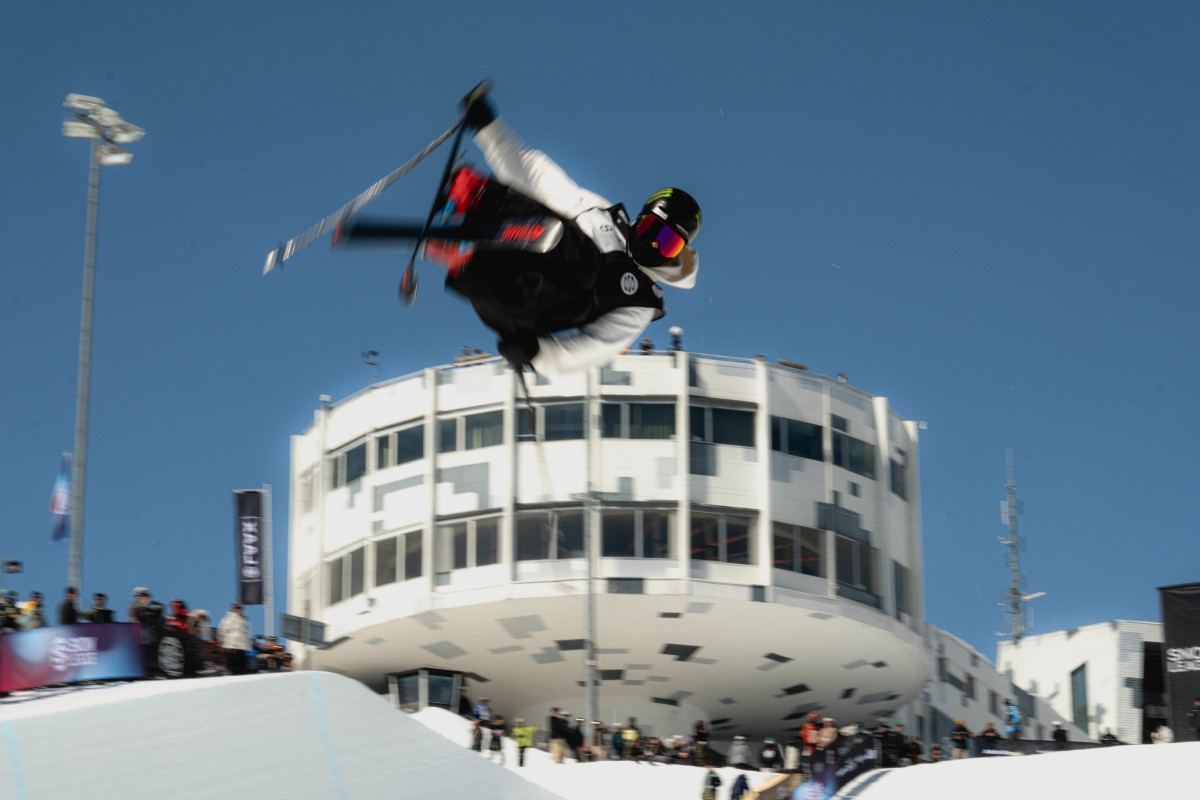
Kenworthy, who was born and raised in Telluride, Colorado, found success in freeskiing after posting a ski clip online that went viral. His first sponsorship and first freeski competitions followed, blossoming into a super successful career as a slopestyle, big air, and halfpipe skier. Already well-known in skiing, Kenworthy gained worldwide recognition in 2015 when he came out as the first openly gay skier on the cover of ESPN.
Izzy Lidsky
Following the 2018 PyeongChang Olympics, Kenworthy announced his retirement. As a result of two concussions leading up to PyeongChang, he hadn’t felt good about his training or skiing at the Games, and in combination with residual symptoms from his injuries, it was easy for Kenworthy to walk away.
However, the symptoms of his concussions had mostly subsided about six months after the Games, and the thought of returning to skiing crossed his mind. Still, he didn’t, and over the next three years, Kenworthy went through the ups and downs of ending a relationship, a loss of identity as a skier, and the pursuit of another lifelong love: acting. As the 2026 Olympic Games drew closer, Kenworthy found himself following along with his friends on the World Cup circuit from afar and thinking, “I should be there.”
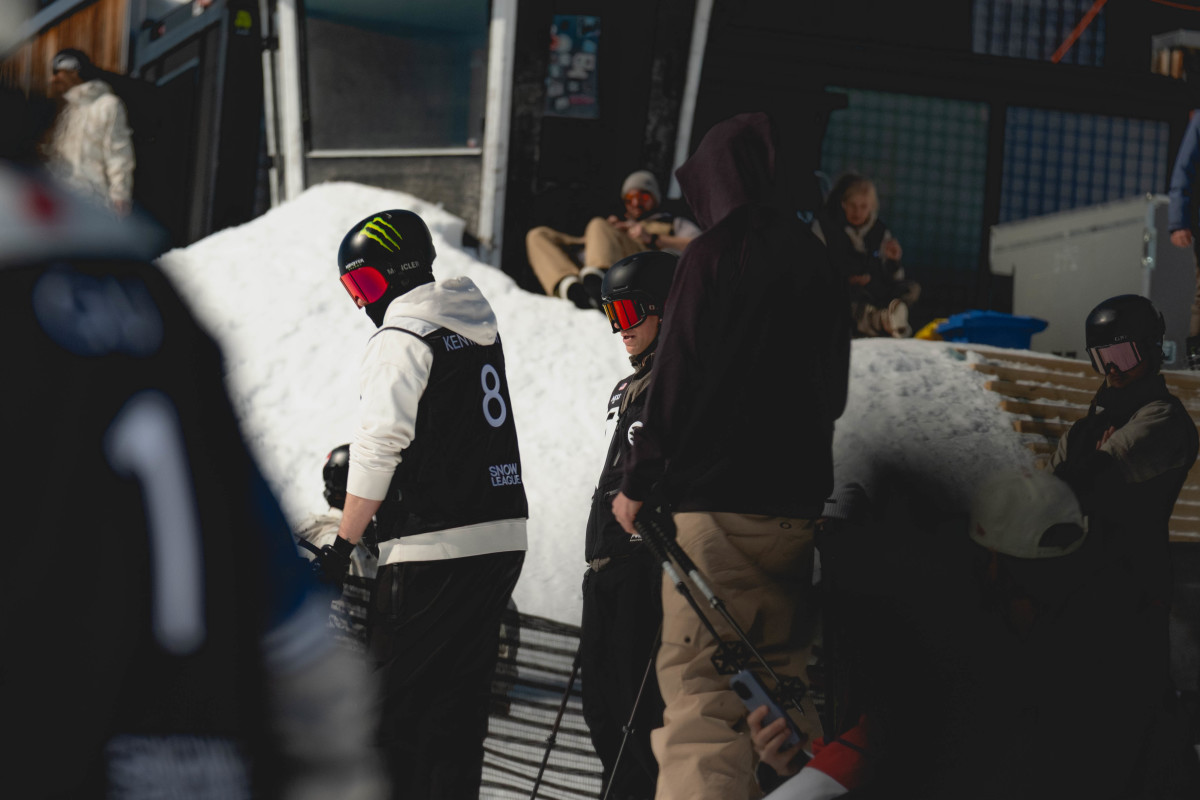
Returning to skiing wasn’t simple, though. Kenworthy had gained fame, but he no longer had ski sponsors, aside from Monster Energy, who had stuck with him in retirement. To return to skiing and have a shot at competing in the 2026 Milan-Cortina Olympic Games, Kenworthy would have to fund it himself.
Izzy Lidsky
Historically, skiing’s ‘core’ has rejected the permeation of luxury brands. For a brand like Balenciaga to release a pair of skis (which cost a cool $6,290, more than 6x your average pair of skis) is laughable. Those who wear certain brands or styles of outerwear, amongst other faux pas, are associated with a population that can afford the ever-rising costs of skiing but don’t meet some standard of athletic performance.
In other words, those who can afford brands like Balenciaga or Moncler aren’t seen as ‘getting after it’ enough to be welcomed by those willing to bum it in search of powder. The irony of this standard is, of course, that brands that are considered core are still wildly expensive, although the point is made in the price difference between a $900 Arc’teryx shell and a $3,300 Moncler jacket.
While the core might reject this, Hess and Kenworthy both pointed out the unignorable fact that everyone, even skiers, need to make a living. Luxury brands aside, athletes often partner with brands outside skiing, but even in that lineup, it’s still far more acceptable to have a beer sponsor than a corny ad for contact lenses or cereal. After all, aren’t freeskiers supposed to be the ‘chill’ ones?
“It’s about bringing enough eyeballs over to encourage those non-endemic brands to actually jump in and put some marketing budget towards it,” said Hess.
Kenworthy recalled hearing about skiers who had turned down deals because they were worried about being perceived as selling out. “I know of people that have not wanted to do things in the past, like Olympic deals, and it’s like, dude, this is your job.
It’s not cringe. It’s actually sick. You get to do this random Olympic commercial or whatever it is, because you’re one of the best in the world at your sport. Enjoy that. Don’t be ashamed of it,” he said.
Unlike skiing, snowboarding has never had a more rigid older sibling in competition. While competitive snowboarding’s roots may have started out in racing in the very earliest days, freestyle disciplines quickly took over and became the gold standard of competition. As a result, snowboarders gained fame on par with alpine skiers, such as Shaun White, who brought the sport’s core culture to the public, becoming household names.
In an effort to give back, White wanted to create an opportunity that would pay athletes and bring more eyes to their stories and to freestyle snowsports as a whole. So, in 2025, White created the Snow League, a halfpipe event series for freeskiers and snowboarders that would elevate athletes and create media that would allow the public to learn about, relate to, and idolize them, as White had experienced in his career.
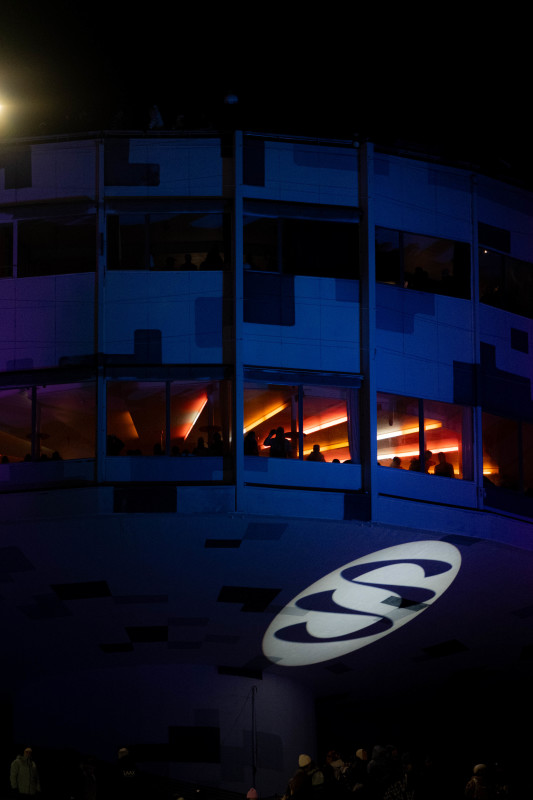
Rather than mimic the other halfpipe competitions like FIS World Cup events and the X Games, he wanted to shake it up a bit. Out of the gate, or rather, from its first drop-in, the Snow League adopted a unique format, both in competition and funding. With White at the helm, it was hard to argue that the event was anything other than ‘core.’
While there are marginal differences in format between the Snow League’s freeski and snowboard events, an equal field of invited male and female athletes compete in a series of head-to-head style halfpipe competitions throughout the winter season. Athletes are awarded points based on performance that are tallied up both during individual events, and throughout the season, contributing to an overall standing in the Snow League.
The top athletes at each event are awarded impressive prize purses (male & female first-place freeskiers are awarded $25,000 each, first-place male & female snowboarders are awarded $50,000 each, for reference), and the athletes with the most points overall at the end of the season are also awarded large cash bonuses. Additionally, each athlete receives a $5,000 appearance fee for each event.
Despite White being synonymous with the sport of snowboarding, he chose to include skiers in the Snow League as well. For Hess, who grew up skiing at Mt. Bachelor, which is known as “a snowboarder’s mountain,” and was coached in his local program at the Mt. Bachelor Sports Education Fund (which, at the time, was also run by a snowboarder), competing in a ski event started by White was a no-brainer.
“I think a lot of skiers idolize snowboarders in some capacity,” said Hess, “I grew up looking up to and riding with snowboarders like the Fergusons.” Professional snowboarders Ben and Gabe Ferguson both grew up at Mt. Bachelor and have gone on to compete at the X Games, World Cups, the Olympics, Natural Selection, and more.
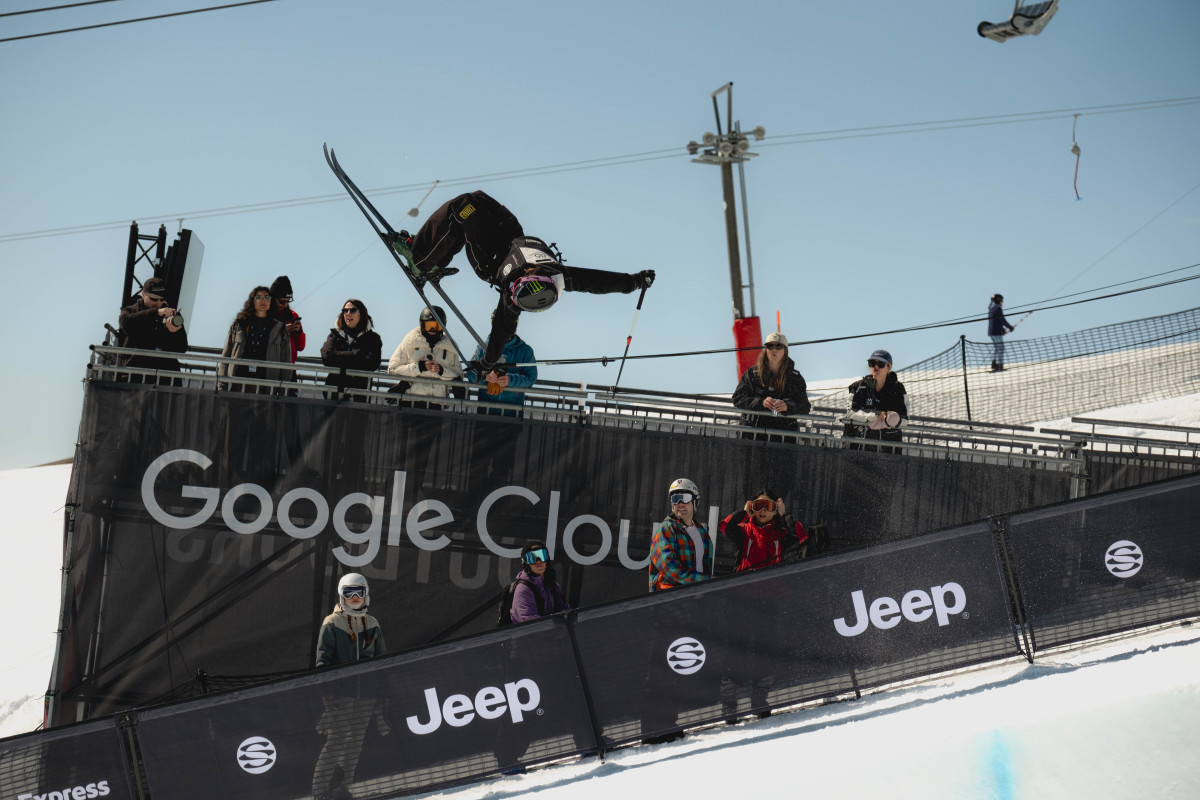
To Hess, events like the Snow League exemplify how, without the aforementioned ‘older brother’ of a race discipline, snowboarding has been allotted resources that it’s then able to give back to freeskiing. Furthermore, without an endemic presenting sponsor, but rather funding from VC investors and brands like Adobe and Google, the Snow League has allowed White to invent something that elevated the entire spectacle of freestyle winter sports.
Izzy Lidsky
“The more money you bring into the sport as a whole, the more people can eat, and the more money people can get, and hopefully the longer the sport can go, and you can keep those really unique figures around for longer,” said Hess.
The conversation around paying athletes has more facets than just earning potential as a career. Professional athletes in all sports, not just skiing, put their bodies and health on the line constantly. When it comes to the training they put in and the risks they take, financial compensation plays a big role for many.
“We should be getting paid to show up, and we should be getting paid to ride the way we ride,” said Hess. “If you’re putting your body on the line, every single event, and you’re not expecting compensation, I think it really dilutes the sport and changes people’s mindsets a lot to then not go and try to get fair pay anywhere else.”
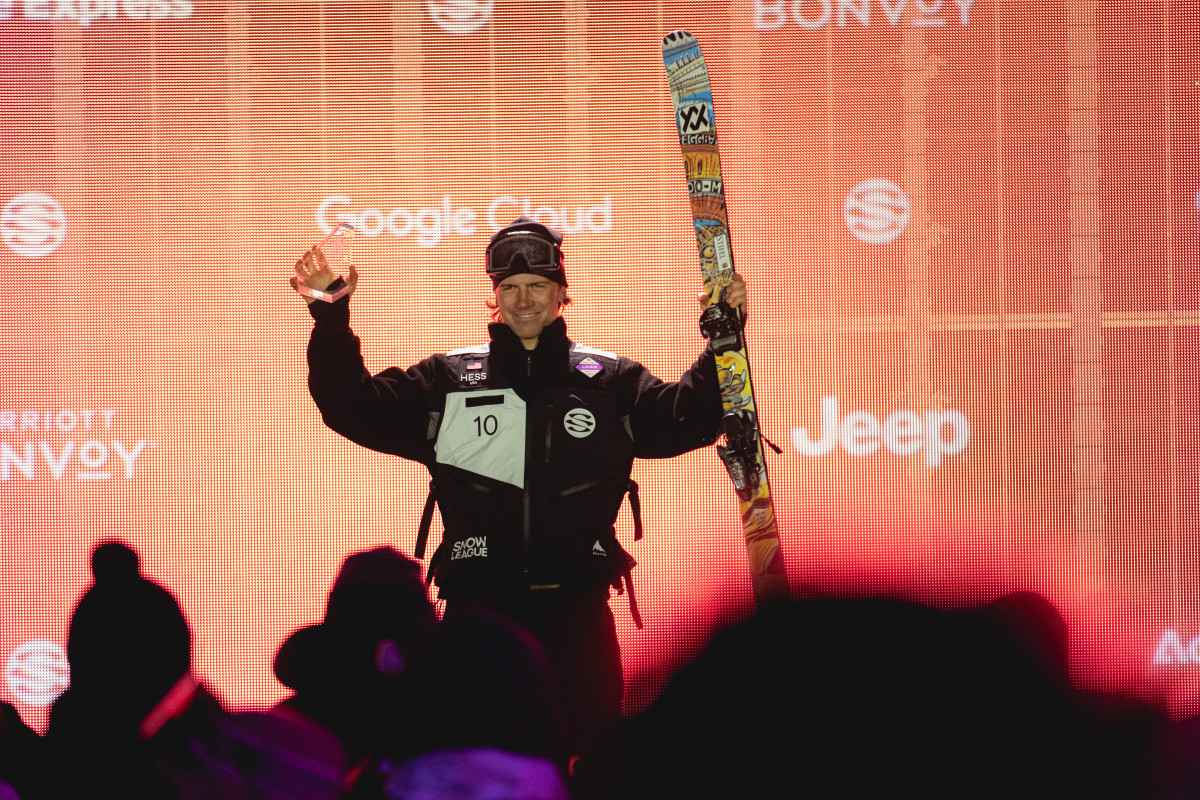
Hess, who broke his wrist and suffered a massive hematoma on his hip at the Olympics, was back in the halfpipe to compete in the Snow League just weeks later. He went head-to-head with David Wise for the final podium spot and crashed in his second run, landing on the same hip and hand again. Yet, Hess still went back up to the top of the pipe for a final run, which he laced, landing him in third place at the World Championship event and third place in overall Snow League season standings, earning him a total of roughly $20,000 from the Snow League.
Izzy Lidsky
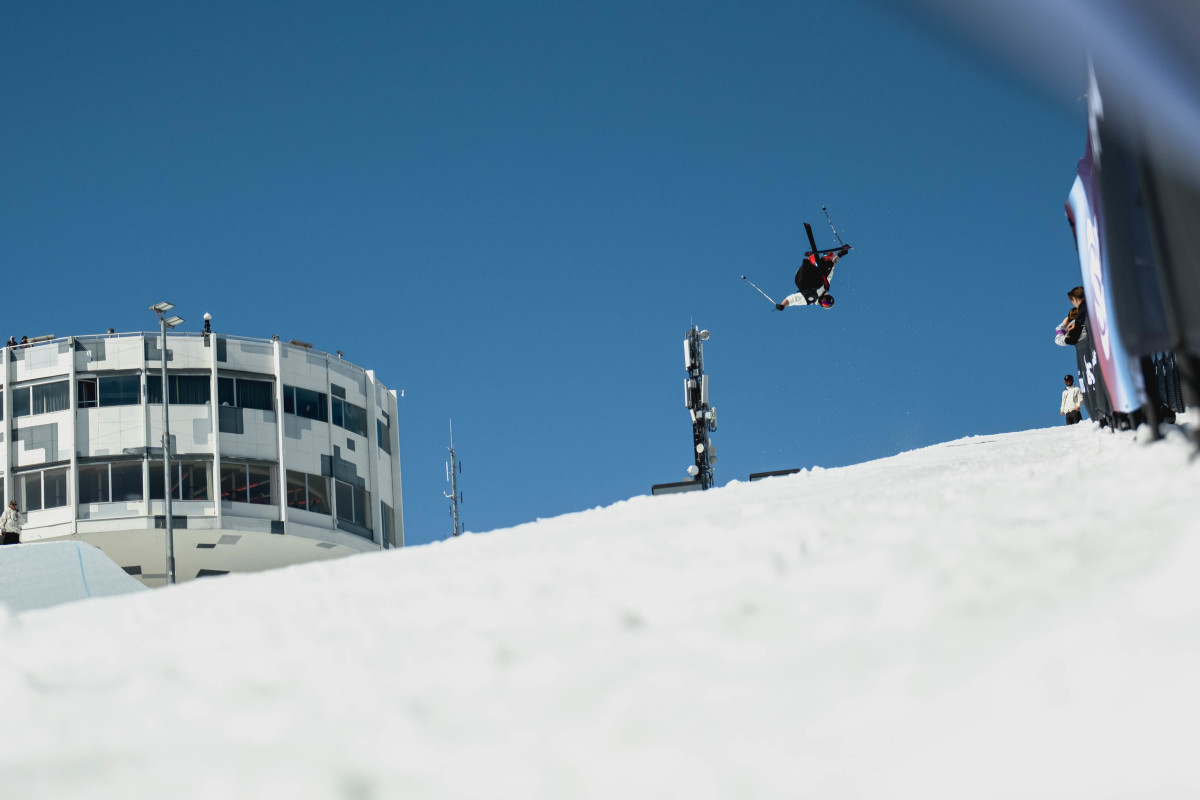
For Kenworthy, funding his return to the sport without sponsors meant more than just spending money; it meant truly investing in and believing in himself. It also meant that he was more willing to put it all on the line.
“I was at training camps in the fall and would think ‘I’m not really feeling it today,’ and then I’d do a quick calculation in my head — between my flight and my coach’s flight, and how much I’m paying him, and this training camp costs five grand, and I’m paying for my coach’s lift tickets, and so on. I’d be like, actually, today’s costing me $1,200, so I’m actually gonna do the fucking trick,” said Kenworthy.
Izzy Lidsky
White and The Snow League have gone above and beyond to collaborate with and support athletes in both disciplines to create an event that’s truly athlete-centered. It doesn’t leave the viewers out either. The event format is a head-to-head bracket-style battle, with minute differences between ski and snowboard. In both fields, athletes must drop in from both sides of the pipe for at least two out of their three runs per heat. Many athletes are accustomed to one side of the pipe over the other, which created a brand-new challenge for many at the start of the season.
Additionally, the head-to-head style format creates an element of strategy against one’s opponent that isn’t present in a traditional halfpipe contest. Natural Selection Ski employed the same bracket format last spring, which, in natural, choose-your-own-line terrain, makes the most sense for scoring, but also made for a great show. However, in halfpipe, it can dictate how hard a skier will go in a run versus how much gas they’ll leave in the tank, not to mention which side they drop in on.
If a skier makes it to the final round, they’ve potentially done nine runs in the halfpipe. Canadian skier Brendan Mackay, who won the first stop of the season in China and came in second at the World Championships in LAAX, called it an “endurance fest,” which is rarely a term you hear in park and pipe. The men’s freeski finals in LAAX saw the second all-out battle of the season between Mackay and the Snow League’s youngest competitor, Luke Harrold, which kept spectators on the edge of their seats late into the night.
The women’s field was equally exciting as Eileen Gu and Zoe Atkin, two of the most accomplished and talented freeskiers around, went head-to-head. Gu is known for her flawless execution and deep back of tricks, as is Atkin. However, Atkin has amplitude in the halfpipe that tops the women’s field, and rivals many of the men as well. Atkin came in third place behind Gu and Canadian Amy Fraser.
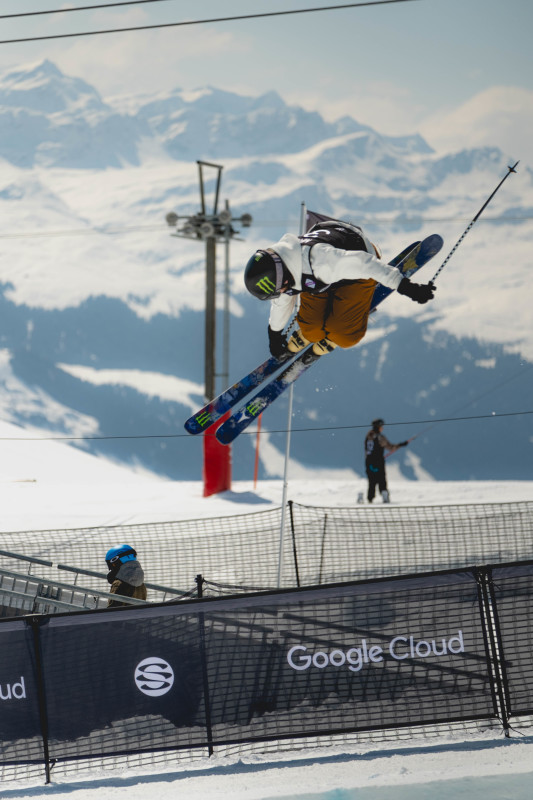
“I feel like what really makes us ski well is that joy and passion that we have for the sport. To be able to compete in an event that shares that ethos makes us all really stoked to be here,” said Atkin. “I feel like that’s when you see the best riding from everyone.”
Even this early on, it’s abundantly clear that White has created something special. Having just wrapped up its first season, The Snow League is still very much in its infancy, but it’s managed to pull some of the biggest names in skiing to compete just weeks after the Olympics (and in some cases, skip the Oscars to do so, we’re looking at you, Eileen Gu).
The sentiment at LAAX was clear amongst the sixteen freeskiers in the field: given the chance, they will be back for season two of the Snow League, and more so, they were excited to see the cultural shifts a snowboarder was about to create in skiing.
With initiatives like the Snow League, names like Hunter Hess, Gus Kenworthy, Zoe Atkin, and more will hopefully one day be as recognizable as Shiffrin or Vonn and garner support from eyes far beyond the core of freeskiing.
More importantly, perhaps by the next Winter Olympics, The Snow League will have created a model that allows freeskiers for generations to make a living from the sport and the thing they love most.
Related: How a Webcam Turned North America’s Most Famous Ski Run Into a Global Spectator Sport