Some skiers don’t need them, many are built badly, and a $50 off-the-rack insert might be all you really need.
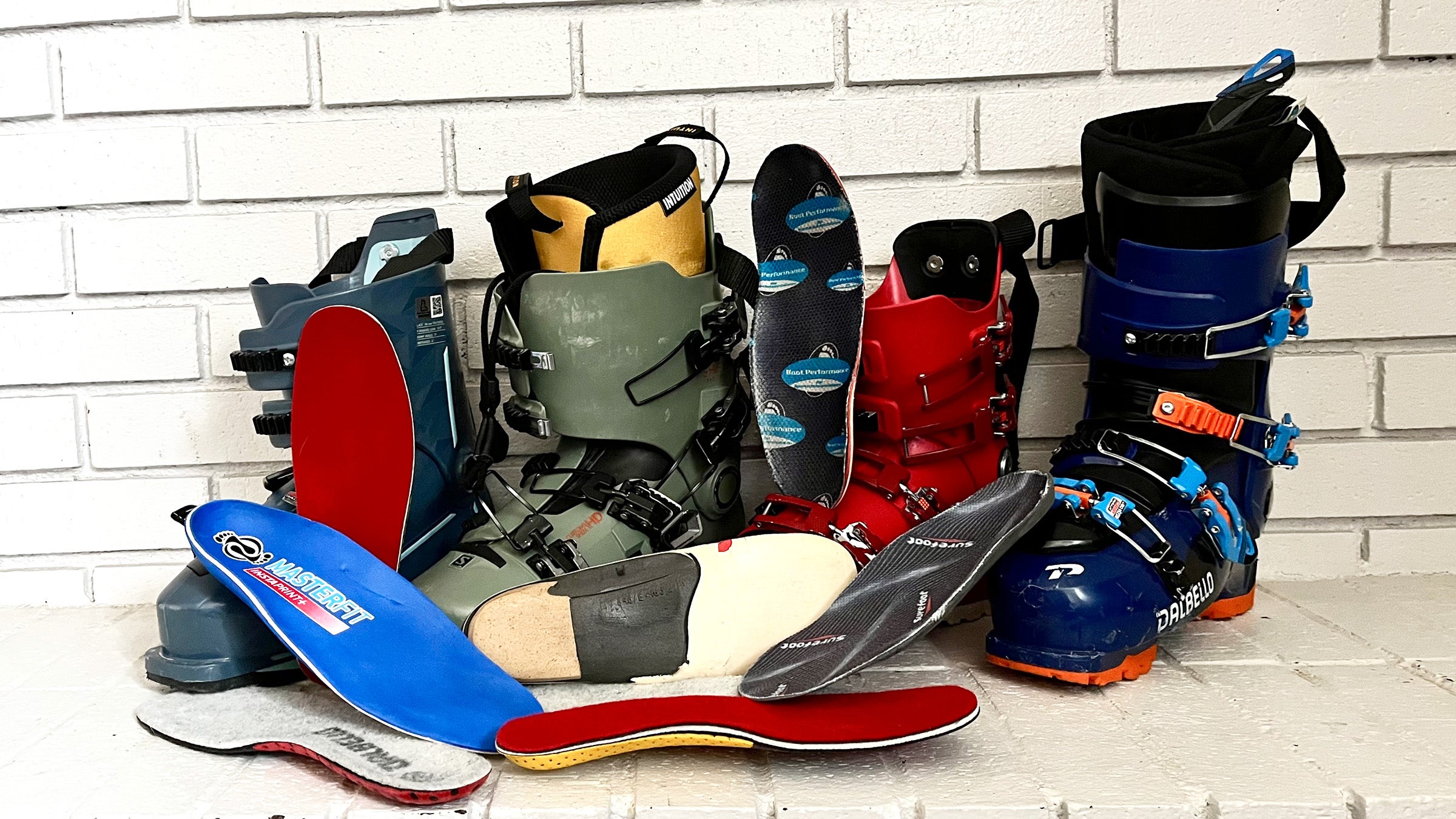
A professional bootfitter’s hot take: custom footbeds aren’t always worth it. (Photo: Jenny Wiegand)
Published March 4, 2026 09:04AM
A customer towered over me while I held his foot in place as the vacuum bag sealed shut around it. As a bootfitter, I’ve probably made 1,000 pairs of custom footbeds this way: heat the heel cup, stick it to the insole, place it just so, and seal the bag tight while positioning the foot in an athletic stance. But me? I don’t ski in custom footbeds. I prefer a $50 pair of drop-in, trim-to-fit footbeds—and here’s why you might, too.
What Do Custom Footbeds Do, Exactly?
The goal of a custom footbed is to stabilize your heel. The heel sits at the start of a long chain of biomechanical movement throughout your body. When it moves, everything above it follows. Skiers often think custom footbeds are about arch support, but they’re really about heel support. When the heel is stable, the rest of the foot tracks more predictably inside the boot.
Have you ever stepped into a boot with the stock footbed (read: a glorified piece of foam) and immediately felt pressure along the inside of your ankle? That usually happens because your heel rolls inward slightly, pushing your foot against the boot’s hard plastic shell.
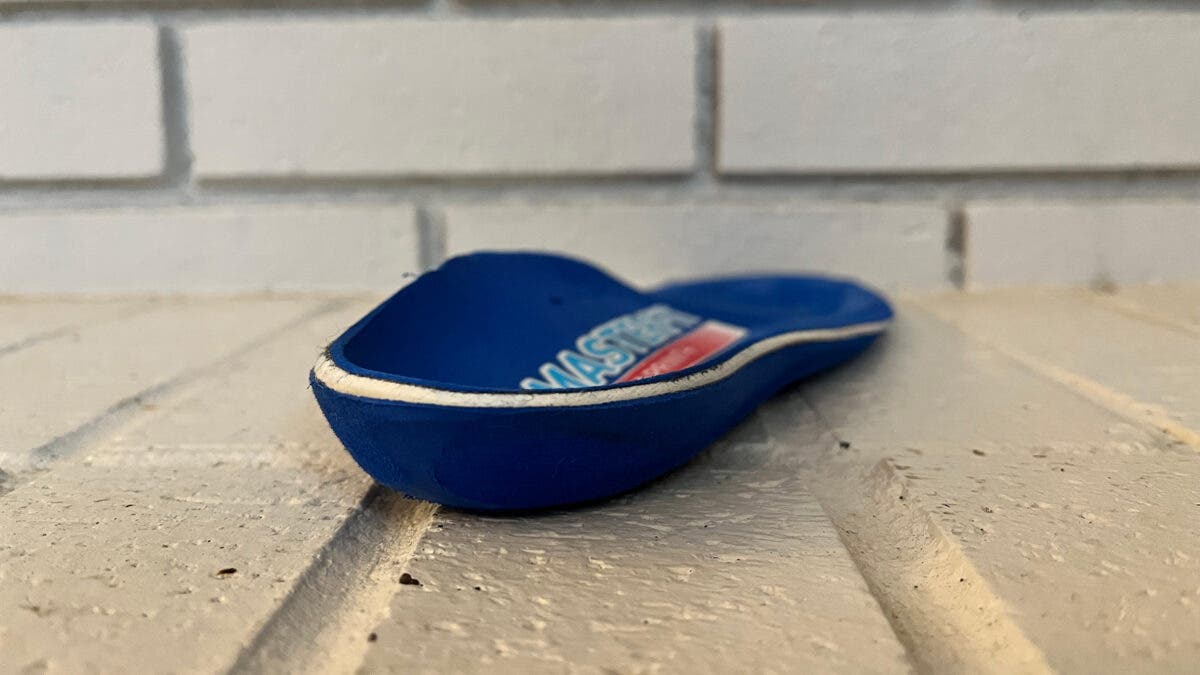
By supporting the heel, a footbed helps control that inward roll (pronation), keeping you centered in your boot and making it easier to move cleanly from edge to edge. Some elite skiers, like World Cup racers, actually need a more malleable heel cup to give them some pronation to get on edge faster and at a higher angle. But most recreational skiers aren’t skiing with that level of precision or intent.
Custom Footbeds Sound Great. What’s the Problem?
Before becoming a bootfitter myself—building boots for masters racers, freeride competitors, park rats, 50 Classics skiers, and vacationers alike—I was just someone who skied a lot. I have skinny feet and little chicken calves. That meant my feet hurt, my ankles ached, and my shins took a beating. I saw a lot of bootfitters.
Not to hate on your average bootfitter, but I got a lot of contradictory information: My arches were too high. Actually, my foot is hypermobile. My boots were too soft. Too narrow. No—too long. Along the way I was sold shims, wedges, and, of course, custom footbeds.
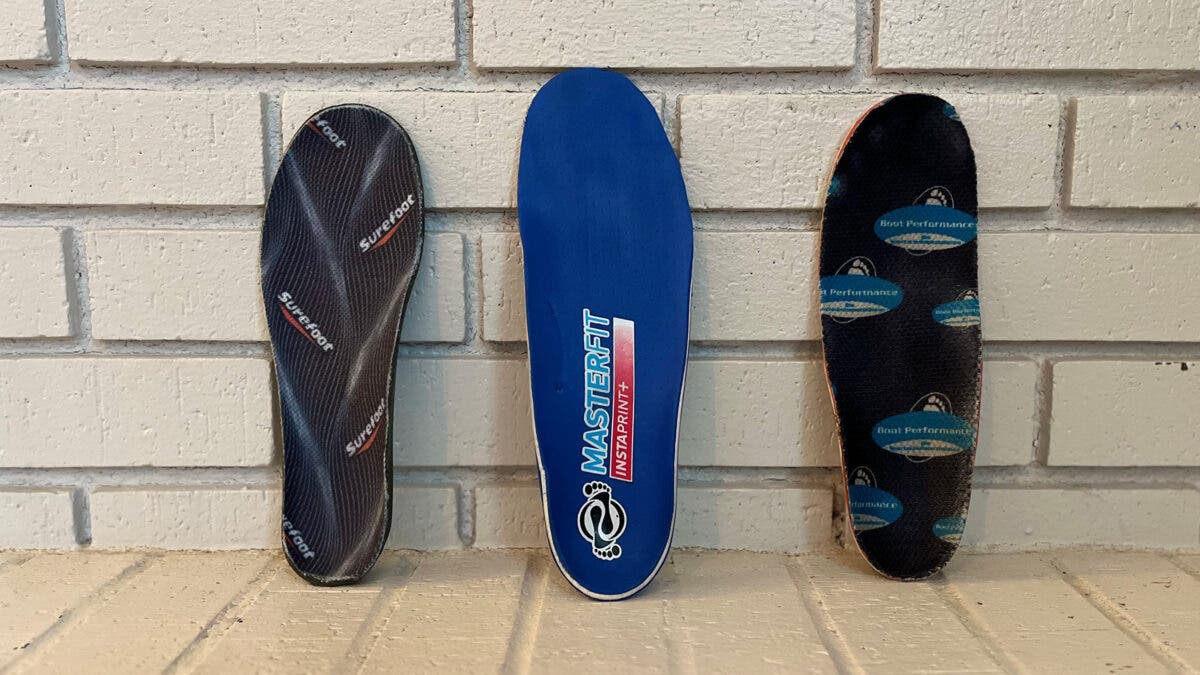
Custom footbeds are often presented as a cure-all: if your boots hurt, you must need customs. Some bootfitters jump straight to them without fully considering the skier standing in front of them. Many people do benefit from added support, but more than half of the custom footbeds that came into my shop from elsewhere were either poorly made or actively causing problems.
Beware the Pronated Footbed
Every foot is different, and so is every custom footbed. Customs are relatively easy to make—and just as easy to mess up. Small mistakes in shaping the heel cup or positioning the foot during molding can introduce unwanted angles that throw your stance off.
This happens most often with “weighted” footbeds, where the skier stands on a hot, moldable piece of plastic or dense foam. My shop preferred “unweighted” customs, where the customer sits with their feet dangling and the fitter manipulates the skier’s foot into an athletic position while a vacuum bag suctions a hot, malleable footbed onto the bottom of their foot. Even then, mistakes happen. Pinch the outside of the heel too much and it becomes higher than the inner wall, causing pressure on the ankle bone.
We keep a huge box of failed custom footbeds in the shop—dozens of pairs abandoned after being replaced with better ones. Good custom footbeds can absolutely outperform the flat insert that comes with your boots. But bad ones create pain, pressure, and new problems you didn’t have before.
So you paid more than $200 for a miracle cure, your boots still hurt, and now a crusty fitter tells you your fancy new footbeds are garbage. What now? That’s the worst part: you probably can’t fix them. Maybe a skilled technician can grind or modify them—if the materials allow it (bring back cork!). More often, you’re starting over. But all is not lost.
The Real Remedy Comes Straight out of the Box
Sven Coomer—the designer behind Zipfit liners, the Nordica Grand Prix, the Raichle Flexon (and the cabrio boots that followed)—ran into this problem decades ago. His solution was simple: build a supportive heel cup that prevents pronation and works for most feet, then offer it in a range of arch shapes and thicknesses. That idea eventually became Superfeet insoles and later inspired similar designs like DownUnders. After Coomer’s passing, Zipfit even began selling a version of them themselves.
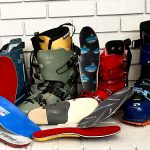
These drop-in footbeds differ from customs because they aren’t molded to your feet, they’re molded to support an average heel shape with an average amount of arch and pronation—I match the heel cup with the same mondo size as your ski boot, trim the toe edges to fit in the liner, and bevel them so they slide right in. I’ve put hundreds of people into drop-in footbeds and the consensus is this: They make a world of difference in your skiing.
I personally swear by drop-ins, specifically the Superfeet Winter Thin Support ($55). They’re light, comfortable, effective for a huge range of skiers, and easy to replace without draining your bank account.
The next time a bootfitter tries to talk you into an expensive, potentially calamitous custom footbed, peer around the shop. You might find a little rack in a corner, collecting dust, that holds the cure to your skiing woes. Don’t go custom, go off-the-rack.
Jake Stern is a former editor at Outside and Powder. He spent years working as a professional ski bootfitter at Footloose Sports in Mammoth Lakes, California, which led him to become the category manager of SKI and Outside’s ski boot reviews.