Published August 5, 2026 09:13AM
Right now, the ski industry is placing very different bets on the same question “Do women actually want women’s-specific skis?” Brands like Head are leaning in: the brand recently hosted a women’s summit to shape its next Joy collection, gathering retailers, testers, and marketers to figure out what today’s female skier actually wants. Then there are brands like Salomon, whose 2026 all-mountain and freeride collections only include unisex models, with various graphic options. It raises the question: how has the ski industry still not settled this debate?
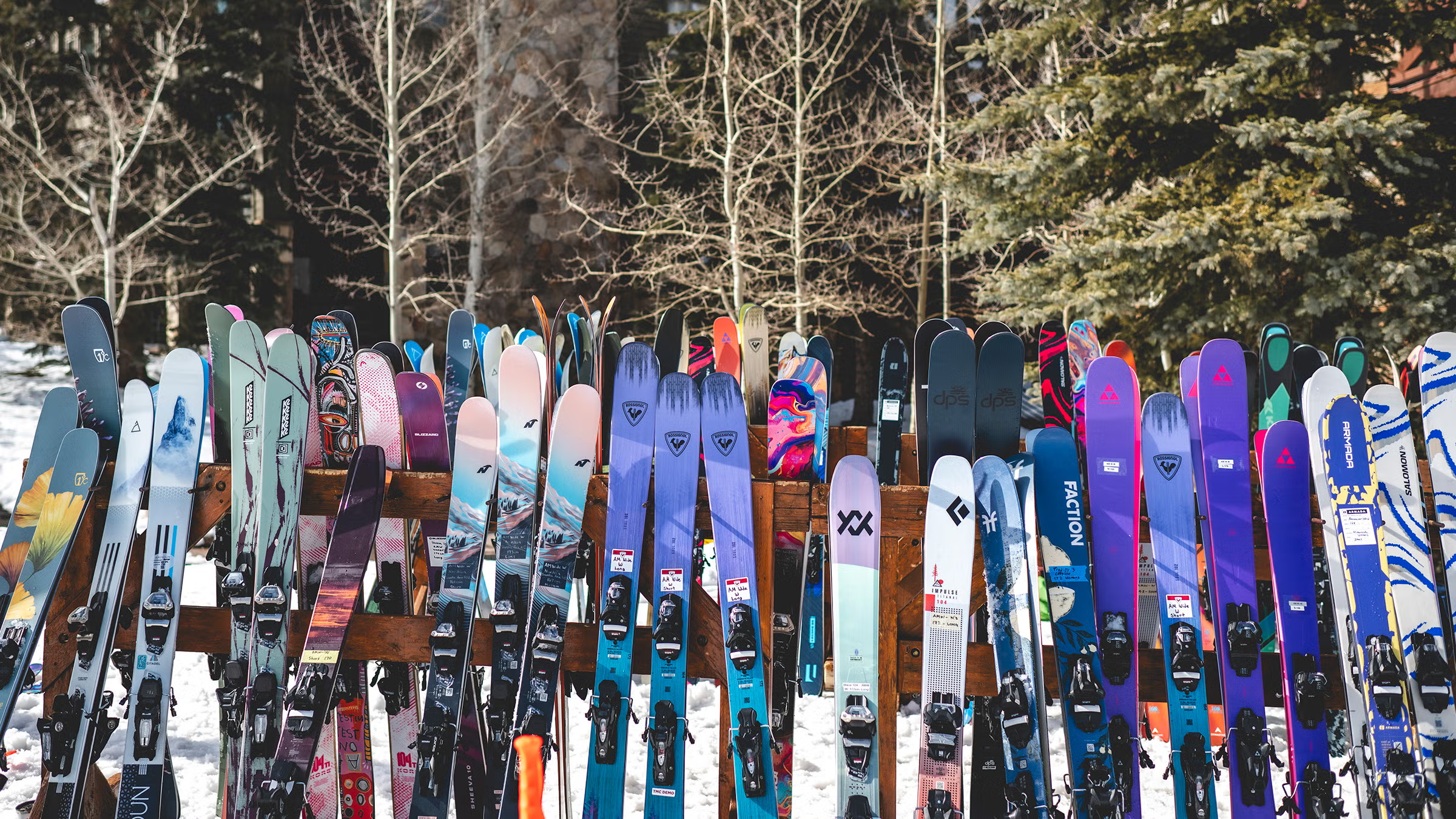
When I got a job as an editor at SKI Magazine in the late ’90s, the skis marketed to women on the shop wall were what my friend Kim Walker, co-founder of the women’s ski shop Outdoor DIVAS, called “shrinked and pink”—shorter versions of unisex skis with feminine graphics slapped on. But the industry was already shifting. Jeannie Thoren, a U.S. Ski & Snowboard Hall of Fame inductee known as a pioneer of women’s ski gear, had already helped build what’s commonly considered the first women’s-specific ski: the Blizzard Fame, launched in 1986. Thoren’s argument for the need for women’s gear was that women’s physiology—pelvic width, center of gravity, weight distribution, strength, and flexibility—demanded different engineering than what European men were designing, testing, and ultimately marketing to them.
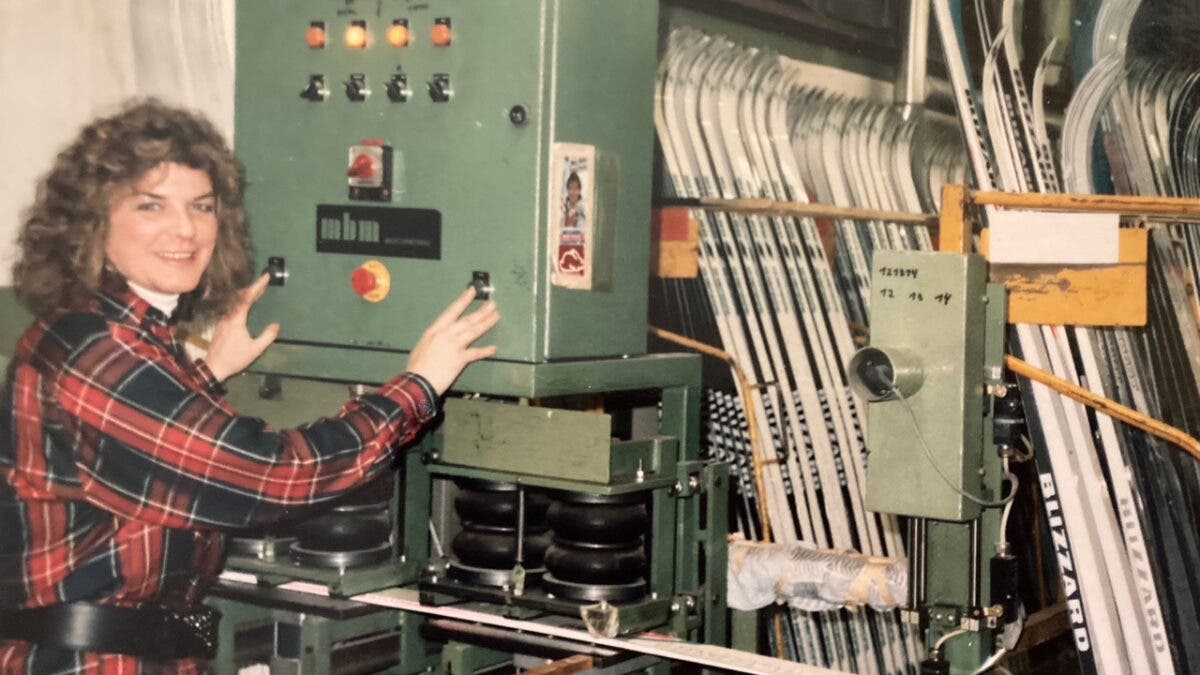
I didn’t ski on the Blizzard Fame, but my earliest recollection of testing a women’s-specific ski was the Volant Vertex in 1999. As a former ski racer, I was used to a stiff ski, so I went in skeptical—but I was won over by how easily the Vertex turned while still holding its line through bumps and high-speed sections, the kind of ski that let me relax instead of fight it. “The Vertex line was born out of the recognition that women liked Volant skis because they were soft, easy to ski and inspired confidence due to their inherent stability,” says Peter Turner, the Vertex’s designer, who’s since worked for Hexcel, Goode, and DPS, which he co-founded. “We put together a team of women, including Jeannie Thoren, and worked with them to better optimize the steel technology for women.”
The Early 2000s Boom in Women’s Skis
Then, in the early 2000s, the women’s market exploded. I ran SKI Magazine’s women’s ski test at the time, and I still remember the shop walls filling up with skis in every shade of pink and violet that season. We reviewed more than 20 models a year. The K2 Phat Luv, with its hibiscus graphics and fat-GS personality, backed by K2’s all-female Alliance Team, became one of the era’s most memorable, but it was hardly alone. Brands across the industry poured money into R&D, focus groups, and dedicated women’s initiatives, from Head’s international women’s team to Blizzard’s Women2Women, still one of the industry’s longest-running. Some of that early tech even migrated into unisex lines later on, like Elan’s Tubelite (eventually used in the Ripstick) and Head’s Graphene, first introduced on the Joy.
A Split in Philosophy
So, what’s happened in the past 20-something years since that women’s-specific ski boom? Depending who you ask, quite a lot—or not nearly enough. “There was large market growth in women-specific products in all categories from the early 2000s,” said Valerie Kechian, Atomic’s alpine women’s ski product manager. “But in the last five years, there is a mix of consumers—women who desire only unisex products, confident hard-charging women who want the ski-ability of a unisex product but with a female graphic, and those who’d rather stick with a ski designed with only women in mind.”
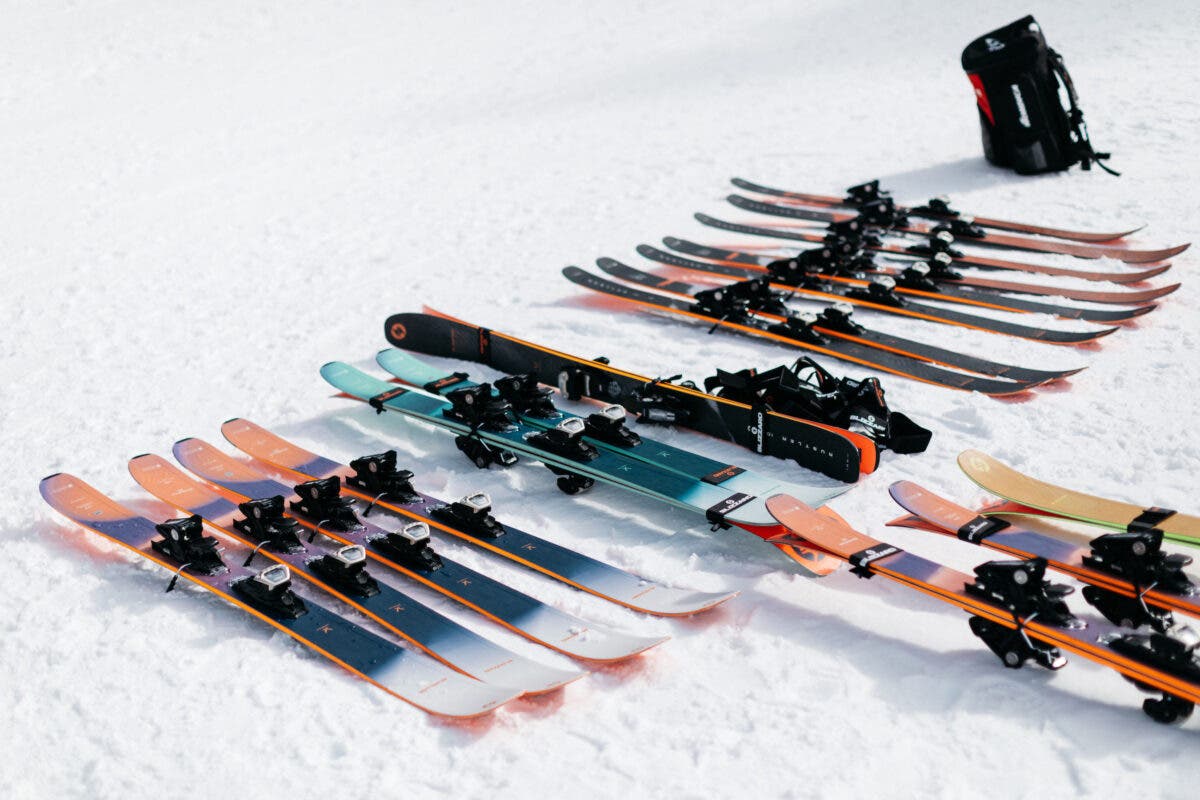
With the tidal-like ebb and flow of the market, there has been a lull in investment for women’s-specific skis. Some manufacturers hit the pause button on women’s gear projects after the pandemic caused volatility in the market—but the pause may have been premature. “I get that building molds is super expensive and the ski industry is fighting a ton of financial pressure right now,” said Lauren Williams, managing partner for Outdoor DIVAS. “However, there are some companies out there making truly unique women’s skis and guess what? They sell better than the companies who are just offering flowery graphics.” Demand, in other words, never really went anywhere—brands just stopped chasing it for a while.
Now, brands seem to be split on their women’s ski gear philosophy. On one side are brands like Blizzard, Head, and Elan, betting that women want skis engineered differently from the ground up—different mounting positions, flex, materials—not just marketed differently. On the other are brands like Salomon and Armada, who argue the performance gap was always a myth, and that what women actually want is the same engineering with the choice of aesthetics.
Engineered, Not Just Marketed
At Head’s women’s summit, the brand asked participants directly: who is the modern female skier, what does she want, and how does she want to be approached? “We heard feedback that there doesn’t necessarily need to be women’s-specific models for the freeride category, but women do want women’s-specific carving and frontside skis,” said Natalie Dyksterhouse, Head’s marketing and communications manager. “And they want to know the ‘why’ instead of blindly believing that they should get it.”
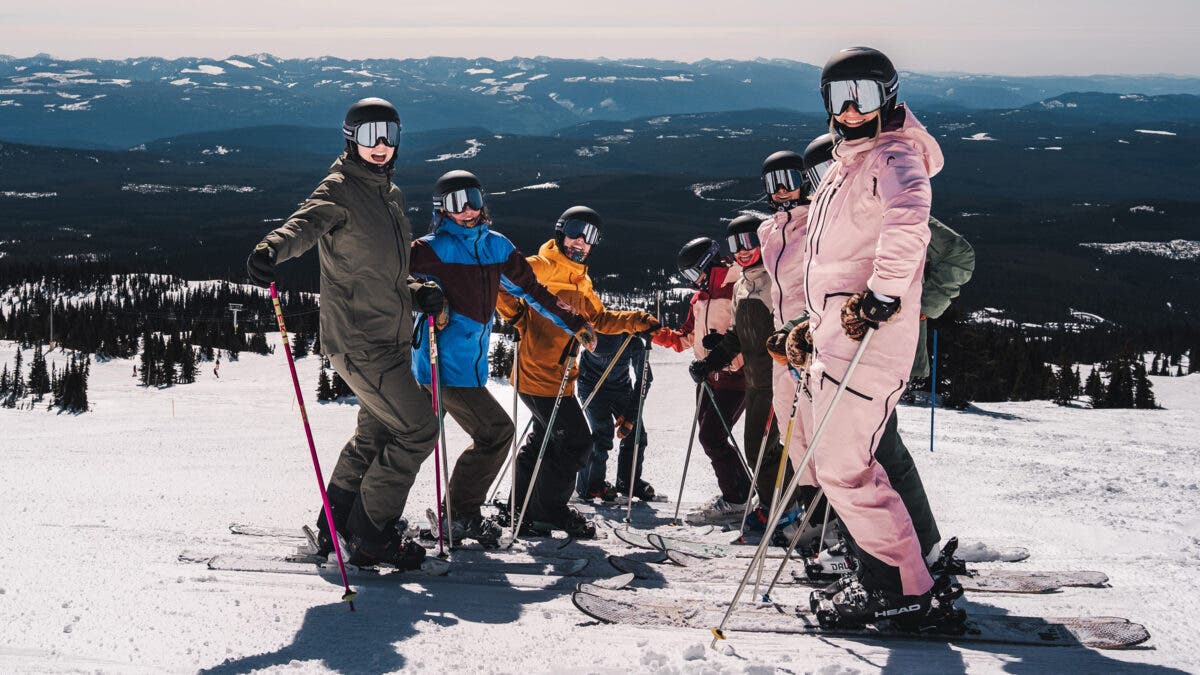
Head’s women’s-specific skis include two of the elements that made up women’s-specific models two decades ago—forward mounting positions and materials chosen to create performance characteristics that differ from a unisex ski in a similar category. In the past, manufacturers talked about making skis softer and lighter, but Dyksterhouse said they received feedback that language like “lightweight” makes women feel inferior.
Other brands are converging on the same women’s design elements: mounting position should reflect boot sole length (women’s boot sizes average between 265–295 millimeters, versus 306–315 for men), and flex should reflect weight, since women on average weigh less than men. The goal, according to Völkl/Marker/Dalbello category director Anja Blieninger, is a ski that’s more accessible without giving up performance. “Better accessibility doesn’t mean that the ski is weak,” she says. “Accessibility is totally different from the past. We can now make a more approachable ski without taking away edge grip and precision.”
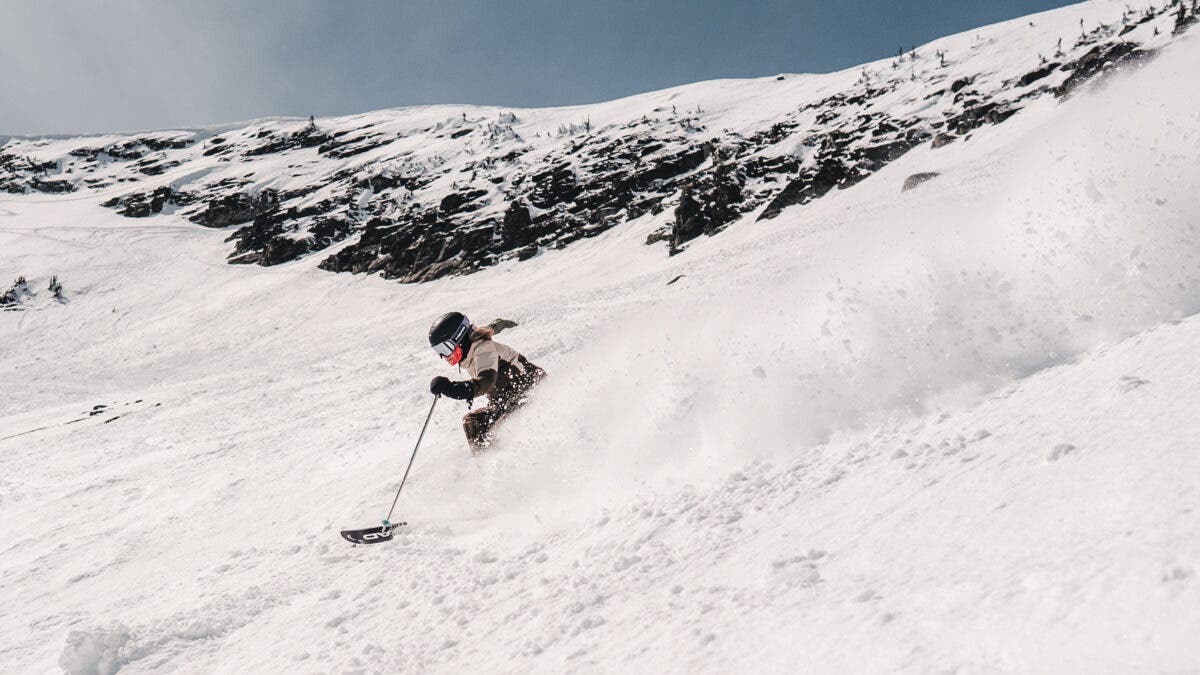
With women’s summits, focus groups, and female test teams, brands are strategically reaching out to diverse groups for feedback, including specialty retailers, who see which models sell, and to whom, on the sales floor. “I’m glad there are brands that are reclaiming some of that women’s market share and including women in the market,” says Andrea Palmer, hardgoods buyer for Backcountry.com. “A lot of women look for a women’s-specific ski, and we sell a lot of them. They want a good experience without so much effort. It does seem to be the 30-plus consumers that care about this the most, but unisex skis offered in shorter sizes and marketed as women’s skis just don’t have the same traction in the market.”
The Case for Unisex
Not everyone buys the engineering argument, though. “Historically, the industry assumed female skiers needed a compromised construction and we reject that,” says Lauren Samuels, Salomon’s North American alpine product and commercial manager. “Instead, we are decoupling performance from aesthetics. We no longer force a hard-charging female skier to buy a ‘men’s’ model just to get a 106-millimeter waist in a 180-centimeter length. The engine under the hood is identical; the graphic is simply a matter of personal style.”
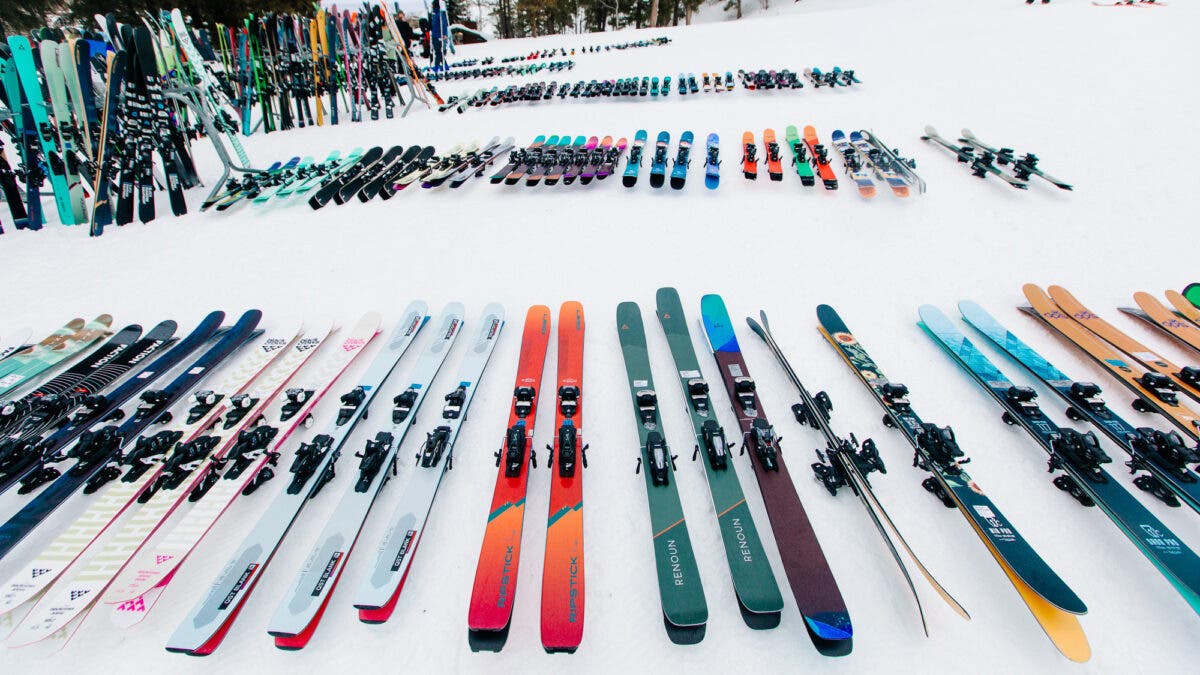
Athlete-driven brands like Armada echo that sentiment. “Armada’s ski lines are developed in collaboration with males and females alike (except for signature models), and we found that athlete needs and ski direction didn’t vary between male or female—both want the same performance with different aesthetics,” said Jesse Ambrogi-Yanson, head of Armada alpine marketing.
Speaking to Women, Authentically
Getting the engineering right is only half the battle. Klarisa Veselič, head of product for Elan’s W Studio, believes that female consumers are now highly engaged, performance-driven, and digitally savvy. “They expect products that are developed with their needs in mind and supported by testing and feedback from other women. We have also learned that women are deeply sensitive to whether a brand’s investment in them is real or performative.”
Age complicates the picture further. The consensus from Head’s focus group is that younger generations have a different outlook on gender and social norms, as well as an aversion to being forced into a box or label. “We learned from the group that Joy skis have often been attractive to an older demographic. However, there’s a younger segment of the market that would not only benefit, but would love skiing on these skis, so it’s an evolving challenge to figure out how to communicate to different consumer groups.”
Choice, Not a Box
The takeaway is that some female consumers—whether they’re Gen Z’ers or immersed in a skiing subculture like the freeride scene or park and pipe—don’t want to be different from the guys. They want a ski that’s trustworthy at speed, confidence-inspiring off-piste, or super maneuverable, and they don’t want to be told they need a softer ski or something considered “less than” a unisex ski, though they may or may not want unique graphics. Other women, including some millennials and up, seek gear designed with their physiology in mind, and want to know that other women had a seat at the table in the design process.
After 25 years of testing these skis myself, and watching new generations of strong female skiers hit the slopes and benefit from myriad choices, I’m not sure there’s one right answer here, and maybe that’s the point. Women want options, authentically designed for them or designed to be the best for what it’s made for.
“The trend in the ski industry is that we’re going back to having a quiver and not just one ski anymore,” concludes Head’s Dyksterhouse. “Women can have a women’s ski and a unisex in their quiver and can enjoy both and not be boxed into anything.”