Every skier, whether they’re part of the diehard crowd or a casual dabbler, knows the titans of industry—the sprawling resorts with villages that rival small towns, expansive lift infrastructure, and more places to buy a burger than you can count on one hand.
“Destination” resorts, as you might call them, have their place. Namely, that’s satisfying almost every imaginable skier. The brave can hop on the tram and gorge on steeps. The moneyed vacationers can stick to the groomers. But the top-tier spots only forward one, often-glitzier vision of skiing. North America’s roster of nonprofit mountains forward another. Run with the goal of serving communities rather than making a profit, these ski areas have a unique throwback charm. And no, they aren’t all just duct tape and aging rope tows.
Here are a few—but not all—worth your attention.
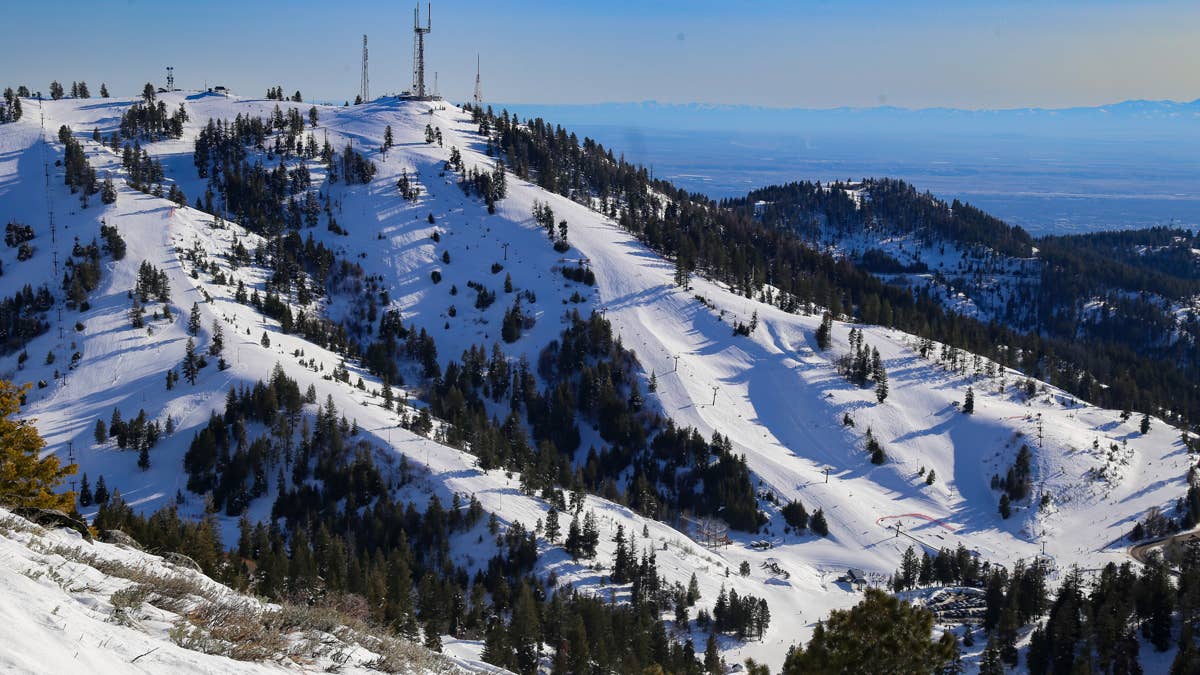
Photo: christiannafzger/Getty Images
Bogus Basin, Idaho
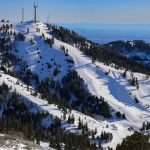
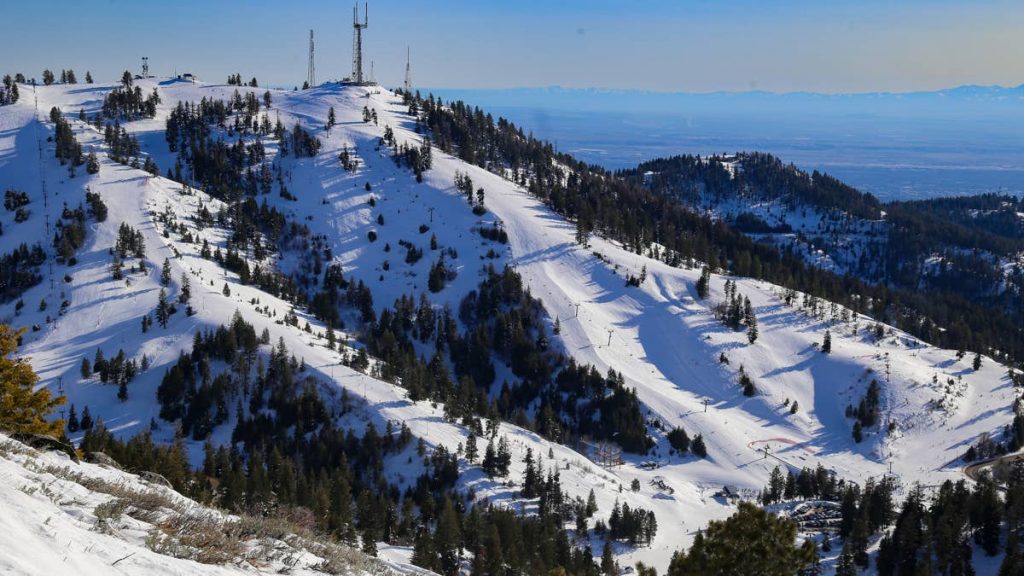
Perched high above Idaho’s capital, Boise, Bogus Basin may shatter your rinky-dink expectations of a nonprofit ski area. Look at the stats first. Bogus Basin spans 2,600 acres of skiable terrain, or about the same as nearby hotspots like Crystal Mountain and Schweitzer. Add in ten lifts (four of which are high-speed quads), 90 named trails, and 1,800 feet of vertical drop, and it becomes clear: this is a full-fledged mountain.
Bogus Basin got its start in 1942, led by a crew inspired by Sun Valley, which, just a few years earlier, had opened as North America’s first destination ski resort. The Idaho Press reported that the Forest Service commissioned Norwegian ski industry pioneer Alf Engen to help search for a fitting place near Boise. Along with help from Boise Ski Club President John Hearne and Boise Forest Landscape Architect Yale Moeller, he decided on Deer Point and Shafer Butte, just northwest of town.
Bogus Basin and Boise have grown significantly since then. But what hasn’t changed about the ski area is its nonprofit status. While Bogus Basin became a 501(c)(3) charitable organization in 2005, it’s always been a nonprofit, proving, over the decades, that a different flavor of mountain management can work.
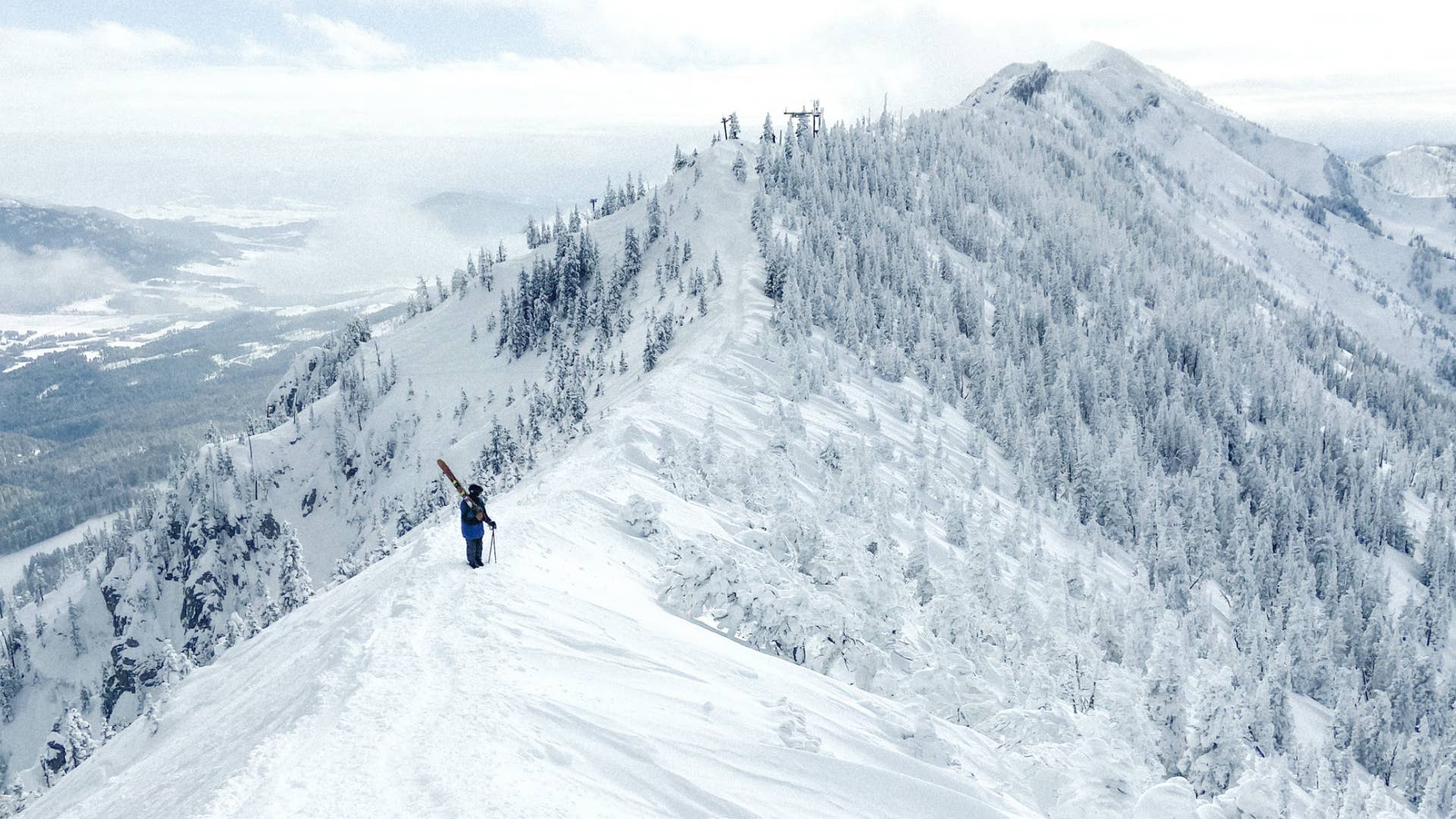
Photo: CharlieTurchetta/Getty Images
Bridger Bowl, Montana
Bozeman has a perhaps deserved reputation for being one of Montana’s ritziest towns. Like other mountain enclaves, it’s dealt with an affordability crisis, and, of course, is just up the road from the famed private ski area frequented by billionaires, the Yellowstone Club.
The town’s local ski area, Bridger Bowl, offers something of an antidote to all that. It’s no frills but not podunk, with thoroughly rowdy terrain accessed, in particular, by the famed Schlasman’s lift, which came online in 2008. Up here, it pays to know where you’re going and what you’re doing—this is serious, but wildly entertaining, stuff. “The Ridge terrain is difficult to figure out sight-unseen, and following tracks is no guarantee of good judgment. A crowd will gather to watch, photograph, and mock cliffed-out hucksters while they are rescued by ski patrol,” wrote Karin Kirk for POWDER back in 2015.
The Bozeman State Park Recreation Association formed as a 501(c)(4) nonprofit in 1954, with Bridger Bowl officially opening one year later (the Bridger Bowl name came in 1971). Today, the nonprofit said its mission is “To remain a locally focused recreation area that balances quality, affordability and sustainability in a way that best serves our community.” The steep lines certainly sweeten the deal.
Shames Mountain, British Columbia
Far north of Vancouver, British Columbia, sits the town of Terrace and its accompanying ski area, Shames Mountain. Humble in on-paper stature—the ski area has only two chairlifts—Shames Mountain makes its case in other ways. For one, there’s the snow. A lot of it. Averaging nearly 500 inches of the white stuff each season, Shames almost occupies the same hallowed (or buried?) grounds as Alta and Mt. Baker, at least when the snow gods cooperate.
Then, there’s the surrounding thousands and thousands of acres of backcountry terrain. “Many skiers have called Shames’ backcountry access the best of any North American ski area, and I quickly understood why,” wrote Leslie Anthony for POWDER after a visit to chronicle the story of Shames. He also compared the ski area’s vistas to the Himalayas, nodding to the jaw-dropping beauty of the Coast Mountains.
A near-death experience put Shames Mountain on the nonprofit path. As the ski area bled money, its then-owners announced in 2011 that it would close. But a local group called Friends of Shames that later became My Mountain Co-Op (MMC) had already formed in case of such an event. One all-out fundraising effort and one friendly deal later, MMC officially took the reins of Shames in 2013, establishing Canada’s first nonprofit community service ski co-operative.
Cochran’s Ski Area, Vermont
If you’re at all interested in World Cup or Olympic alpine racing, odds are good you’ve heard of the Skiing Cochrans. The dynastic American racing family has sent several of its members to the Olympics. Most recently, that was Ryan Cochran-Siegle, who nabbed super-G silver at the latest Winter Games in Italy.
He comes from a long line of alpine talent. Elder Cochrans Marilyn, Barbara Ann, Bob and Lindy all skied on the world stage, a tradition set off by their parents and the grandparents of Cochran-Siegle: the OG duo, Mickey and Ginny. They put the racing spirit in their kiddos by installing a rope-tow in the backyard of their Vermont home in the 1960s. The humble slope—which is only slightly less humble today—holds an outsized place in the annals of ski racing.
Now fittingly named Cochran’s Ski Area, the little mountain near Burlington has also produced elite racers outside the Cochran clan, offering an affordable proving ground for up-and-coming athletes. While the ski area earned official nonprofit status in 1998, Mickey and Ginny didn’t charge for access and offered free instruction. One of the kids likes to say that Cochran’s has always been a nonprofit, “becoming a 501(c)(3) just made it official.”
As for the secret of churning out stellar racers with just a rope tow or two, a quote from Mickey describing the “Cochran Way” might provide a tidy answer: “I just tried to make skiing a heck of a lot of fun.”