On August 20, 2026, the US Department of Agriculture and the US Forest Service released an environmental impact statement regarding the potential removal of the Roadless Rule. The statement comes roughly a year after the US Secretary of Agriculture, Brooke Rollins, announced initial plans to repeal the Roadless Rule.
The rule, which was established in 2001, keeps wilderness areas, including 30% of all national forest lands, from roadway development and timber operations. It is regarded as one of the most significant pieces of legislation in the protection of our nation’s forests since President Theodore Roosevelt built the scaffolding for the US Forest Service.
The environmental impact statement and proposed legislation cite that current legislation created by the Roadless Rule “constrains responsible officials from exercising the timely, place-based discretion needed to meet the Forest Service’s multiple-use mission.” According to the statement, removing the Roadless Rule would allow national forest and grasslands leadership to determine how best to manage things like wildfire risk, on a case-by-case basis, per local conditions, with public involvement and forest planning.
Currently, the National Forest Management Act requires that any planned national forest management ensure multiple uses and sustained yields of National Forest System ‘products,’ which includes the coordination of outdoor recreation, range, timber, watershed, wildlife, fish, and wilderness.
The initial proposal to rescind the rule in 2025 caused significant uproar among environmental organizations, the outdoor recreation community, and much of the general public. Originally, the environmental impact statement was predicted to be completed in March of 2026, with a decision about the repeal by the end of the year.
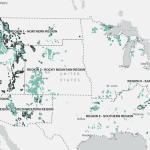
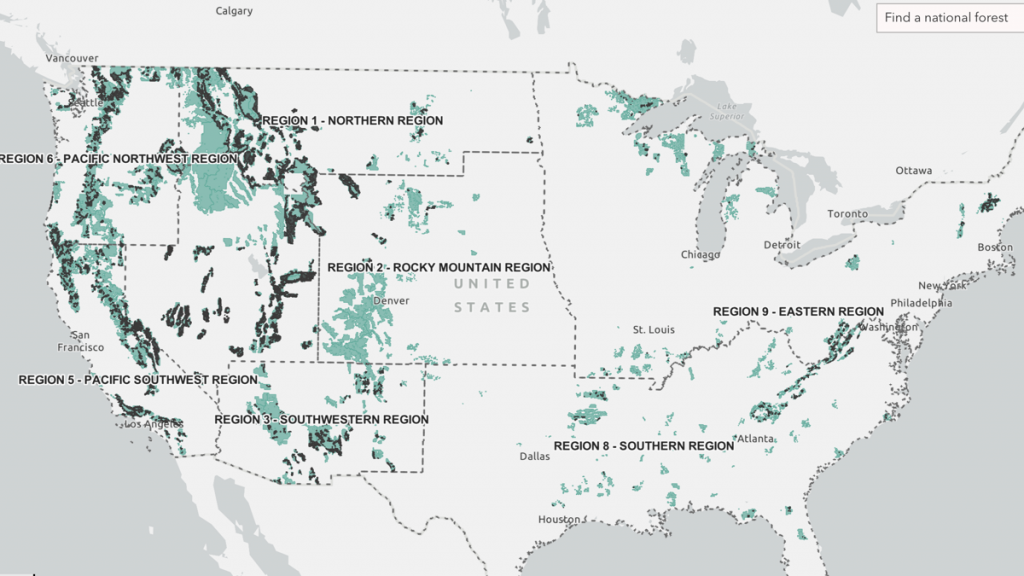
While Idaho and Colorado both implemented state-level Roadless Rule legislation that would remain unchanged, parts of Alaska, Utah, Oregon, California, Nevada, Washington, Montana, Wyoming, New Mexico, and parts of the East Coast could be affected. The USDA has a web viewing tool that shows USFS lands along with Inventoried Roadless Areas (IRAs).
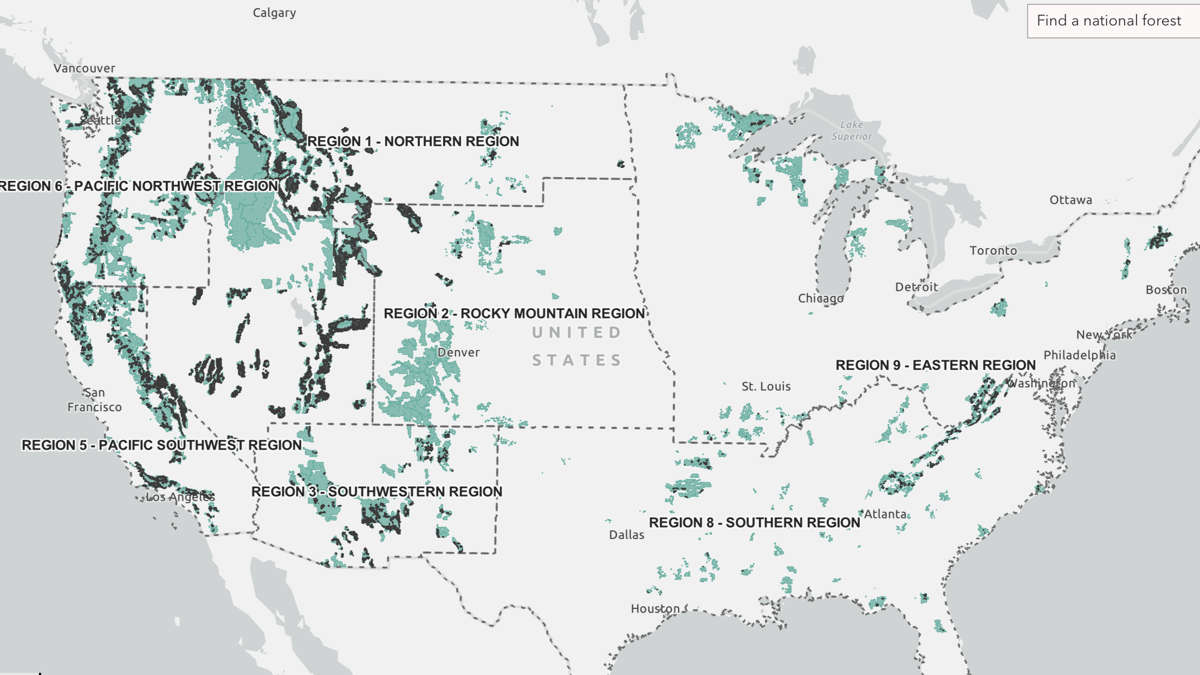
USDA
The repeal of the Roadless Rule has the potential to impact everything from access to non-National Forest System Lands to vegetation and forest management, fire and fuels management, biodiversity, soil, water, and air resources, to recreation and scenery, cultural and historic resources, and tribal rights and interests.
The environmental impact statement provides a comprehensive analysis of the potential impacts of keeping the existing rule, a complete repeal of the rule and all protections, which is the Trump Administration’s current proposal, and a third scenario that would entail a modified repeal of roadless rule legislation on 31.7 million acres.
While the potential repeal of the Roadless Rule is undoubtedly complicated and deeply nuanced, it raises several areas of concern for skiers, including the growth and management of certain ski areas, access to backcountry ski zones, the health of the outdoor guiding industry, and the economic benefits of outdoor recreation.
According to the environmental impact statement, more than half the US population engages in some form of outdoor recreation, with demand expected to increase dramatically between 2040 and 2070. Recreation has also accounted for about 2.3% of total US GDP, with spending on outdoor recreation trips and purchases of gear and equipment totaling roughly $639 billion and surpassing both the mining and utility sectors of GDP.
The USFS’s analysis of impact to recreation in the statement cites that potentially affected areas include 21,808 miles of trails, including 5,200 miles of motorized trails, of which 581 miles are snow trails, and 16,208 miles of non-motorized trails, of which 274 miles are snow trails.
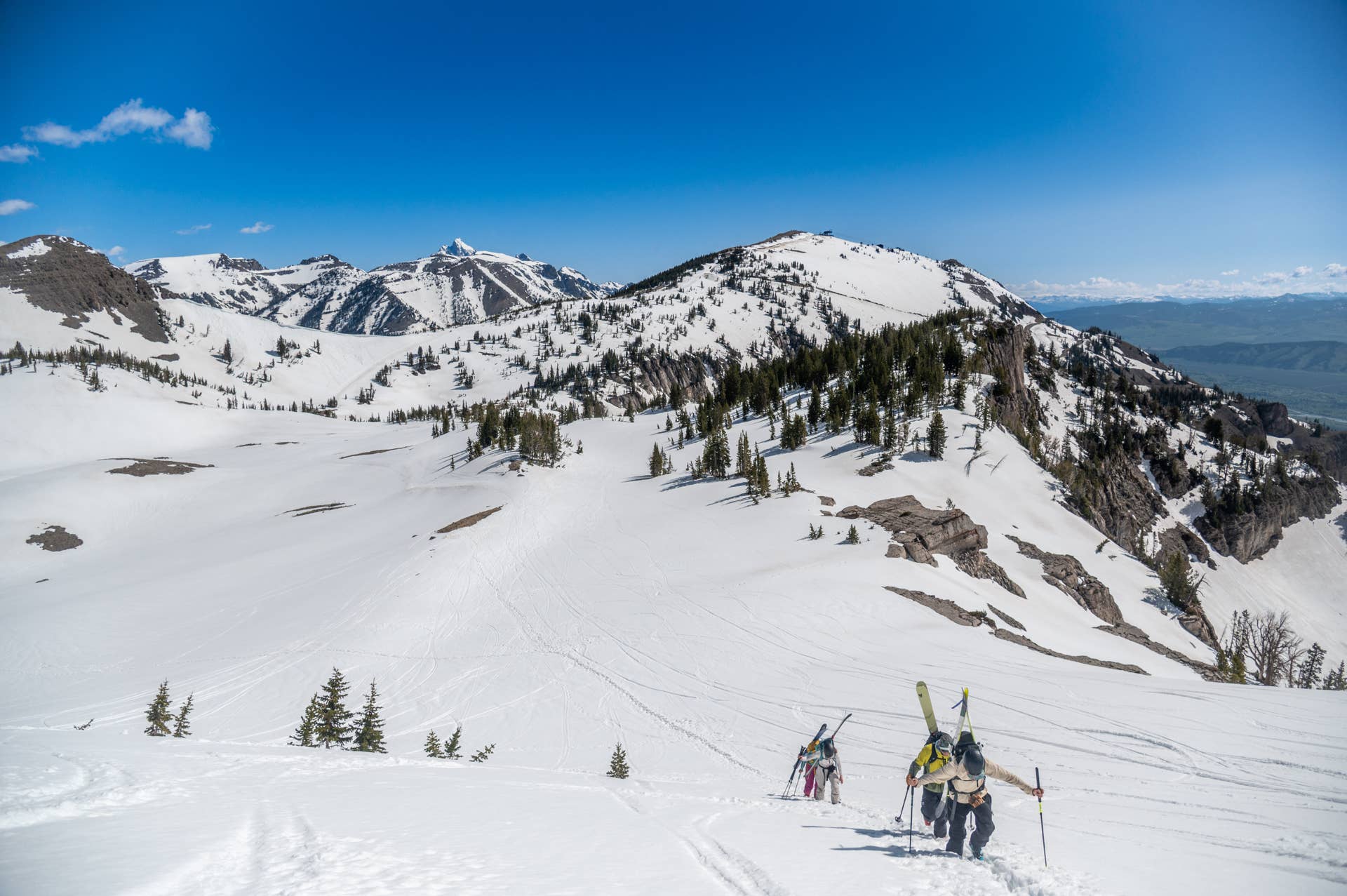
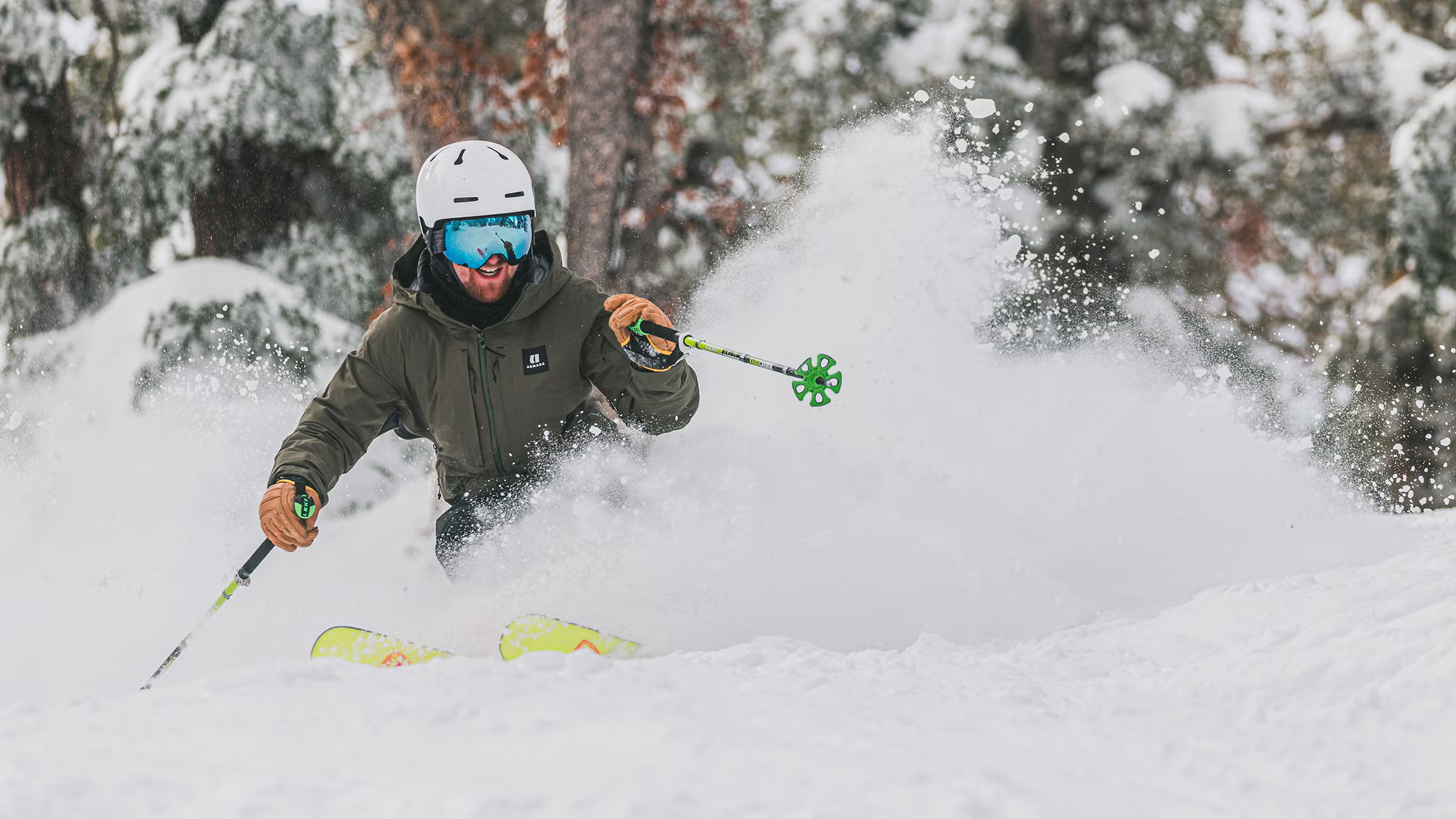
Photo: Max Ritter
As it pertains to “dispersed recreation: specifically, which is classified as “minimal infrastructure, limited human disturbance, and a focus on resource protection over user comfort align with the preferences of visitors seeking quiet, challenge, and low-impact outdoor experiences,” (and includes backcountry skiing), the USFS stated that repeal of the Roadless Rule would likely result in a decrease of availability to dispersed recreation, more conflict with motorized users, as well as impacts to visual and noise quality, and the possibility for temporary access issues and safety concerns around new roadways.
In the case of developed outdoor recreation, such as the 127 ski areas that operate under special use permits issued by the USFS in the United States, fifteen are in or adjacent to inventoried roadless areas, including Snowbird, Brighton, Solitude, Deer Valley, Mt. Bachelor, Mt. Hood Meadows, Crystal Mountain, and Mt. Baker. Any entities that hold special-use authorizations, such as ski areas, would proceed with planning under the current USFS procedures, and the residence would potentially allow for ski resort growth without road limitations.
However, the statement recognized that many guide outfitters for dispersed recreation activities such as rafting, hunting, and fishing operate under similar special use permits to ski areas in roadless areas. In the event the Roadless Rule is rescinded, the potential for road construction, timber harvesting, and other resource management activities could reduce the supply of unroaded backcountry areas available for guide-outfitter recreation opportunities. Additionally, potential negative economic impacts would likely be the greatest for outfitters and guides operating under special use permits due to changes in landscape, recreation quality, and wildlife habitats.
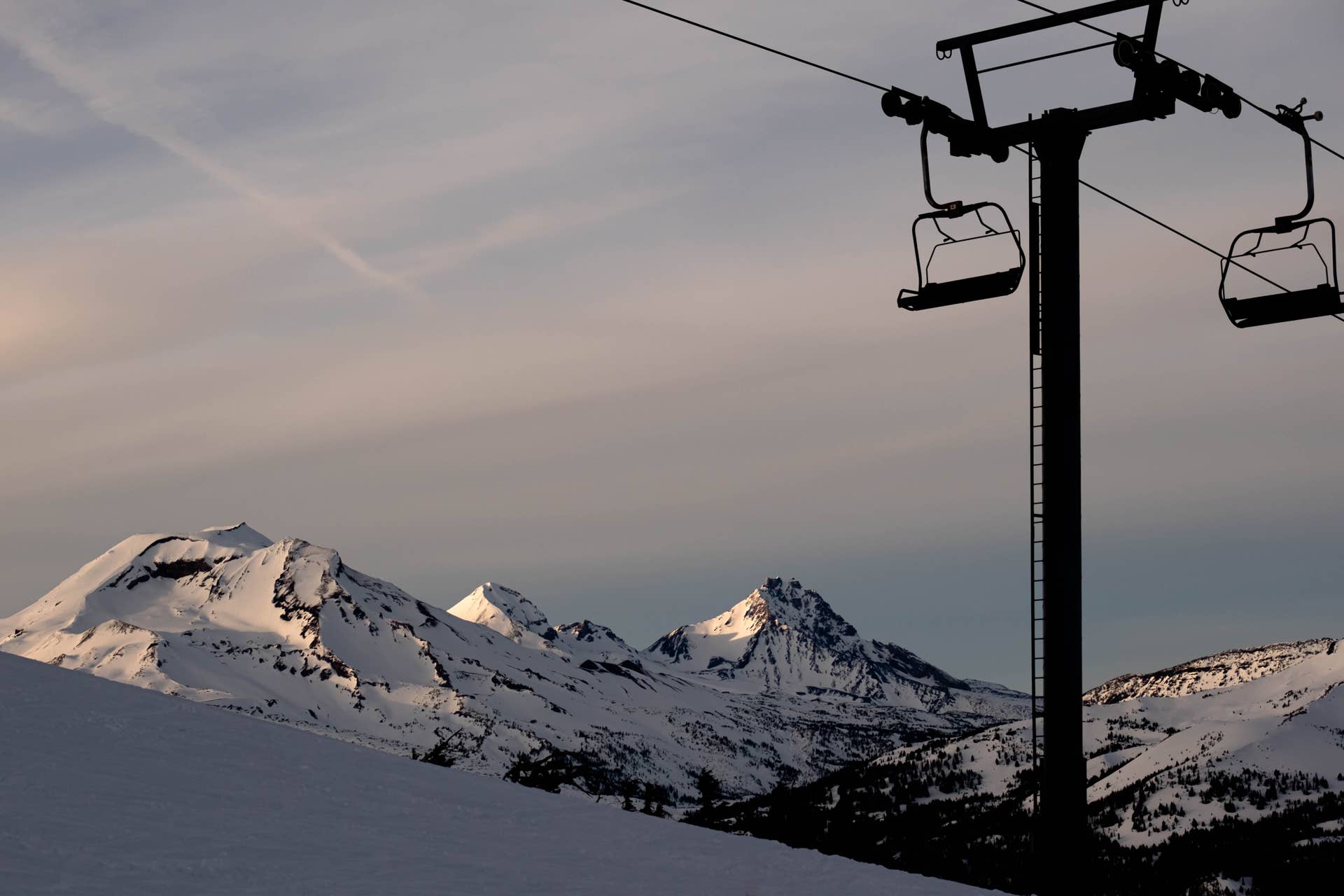
Photo: Izzy Lidsky
With popular backcountry ski zones in the Wasatch, Tetons, Central Cascades, North Cascades, Sierras, and Hondo Wilderness all currently protected by the Roadless Rule, and 29-39 million days of undeveloped (backcountry) skiing expected to take place in 2040, that could be a fairly significant impact. Specifically, a possible loss of $477 million in economic benefits from trail-based and dispersed recreation.
“Over time, if permanent roads are developed within IRAs, the supply of inventoried roadlessareas available would decrease resulting in more developed recreation settings, increasedresource management activity, and reductions in the size of lands available for uninterruptednatural processes. This trend of shifting human patterns, increased resource management activity, and reduced ecological integrity near designated wilderness could increase the threat to the qualities of wilderness character of these areas,” states the environmental impact report’s section on recreation.
The possible repealing of the Roadless rule could also have significant impacts on wildfire activity in some areas. “For too long, outdated restrictions have kept tens of millions of forested acres off-limits to the very treatments that improve forest health and reduce wildfire risk to our communities,” said Sec. Brooke Rollins in a press release on the environmental impact statement. However, the USFS’s analysis in the statement ultimately concluded that the repeal of the rule and the increase in roadways in certain areas could lead to more human-caused wildfires. The current rule also does not prohibit or prevent wildfire fuel reduction, particularly wildland fire use and prevention measures.
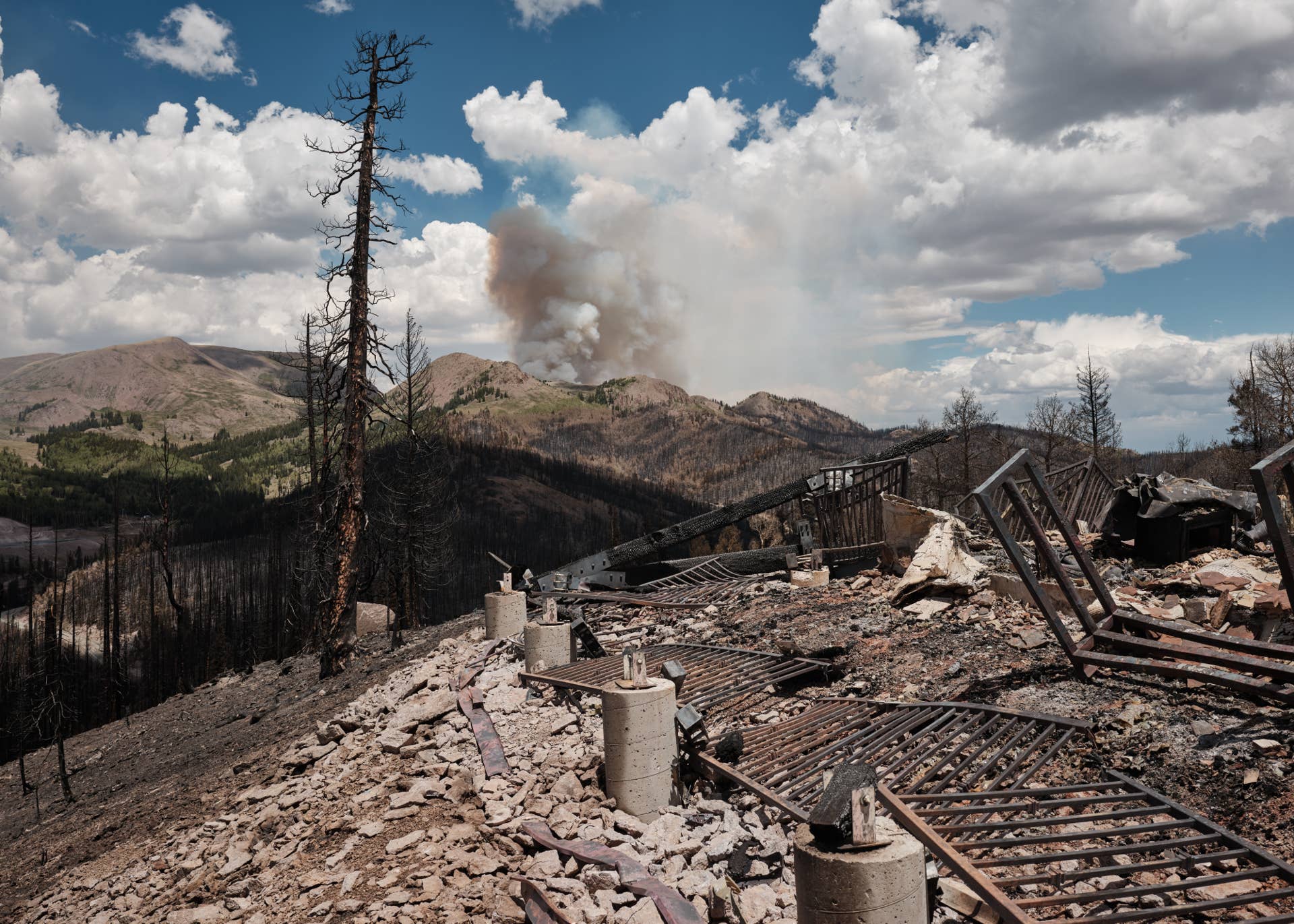
In short, the presence of roads can increase fire activity but can sometimes help put fires out more quickly. While humans may ignite more fires, wildfires in more remote areas tend to burn larger acreage. However, fires closer to roads are also often closer to development. This summer alone, wildfires burned structures, land, and infrastructure around Utah’s Eagle Point Resort, Montana’s Maverick Mountain, and Oregon’s Mt. Hood Meadows, not to mention millions of acres of land across the Western US and Canada.
Michael Kern/Eagle Point Ski Resort
Notably, the economic impact report also analyzed non-commodity values for Roadless Areas and the potential impacts of the rule’s repeal. These values pertain to the ecological, recreational, passive use, and aesthetic benefits of Roadless areas and include things like the conservation of plants, animals, air and water quality, a desire to experience solitude and personal renewal in wild areas, a sense-of-place attachment to a specific area, the desire to leave a legacy of natural areas for future generations to experience and benefit from, well-functioning ecosystems and biodiversity, and an enhanced quality of life.
Analysis of the effects of the repeal found potential long-term impacts on the benefits of roadless areas, including diminished air and water quality within the airsheds or watersheds, degraded scenic quality, and a diminished legacy of undisturbed natural lands for future generations. While none of these are specifically connected to skiing, air and water quality, scenic quality, and the legacy of natural areas are all things skiers often value highly, contribute to the best days in the mountains, and are worth considering.
The full environmental impact statement can be found here. Public comment on the environmental impact statement is open until September 21.