Properly fitting ski boots shouldn’t cause damage, but are your boots actually a proper fit? Here are the warning signs your boot fitter won’t tell you about.
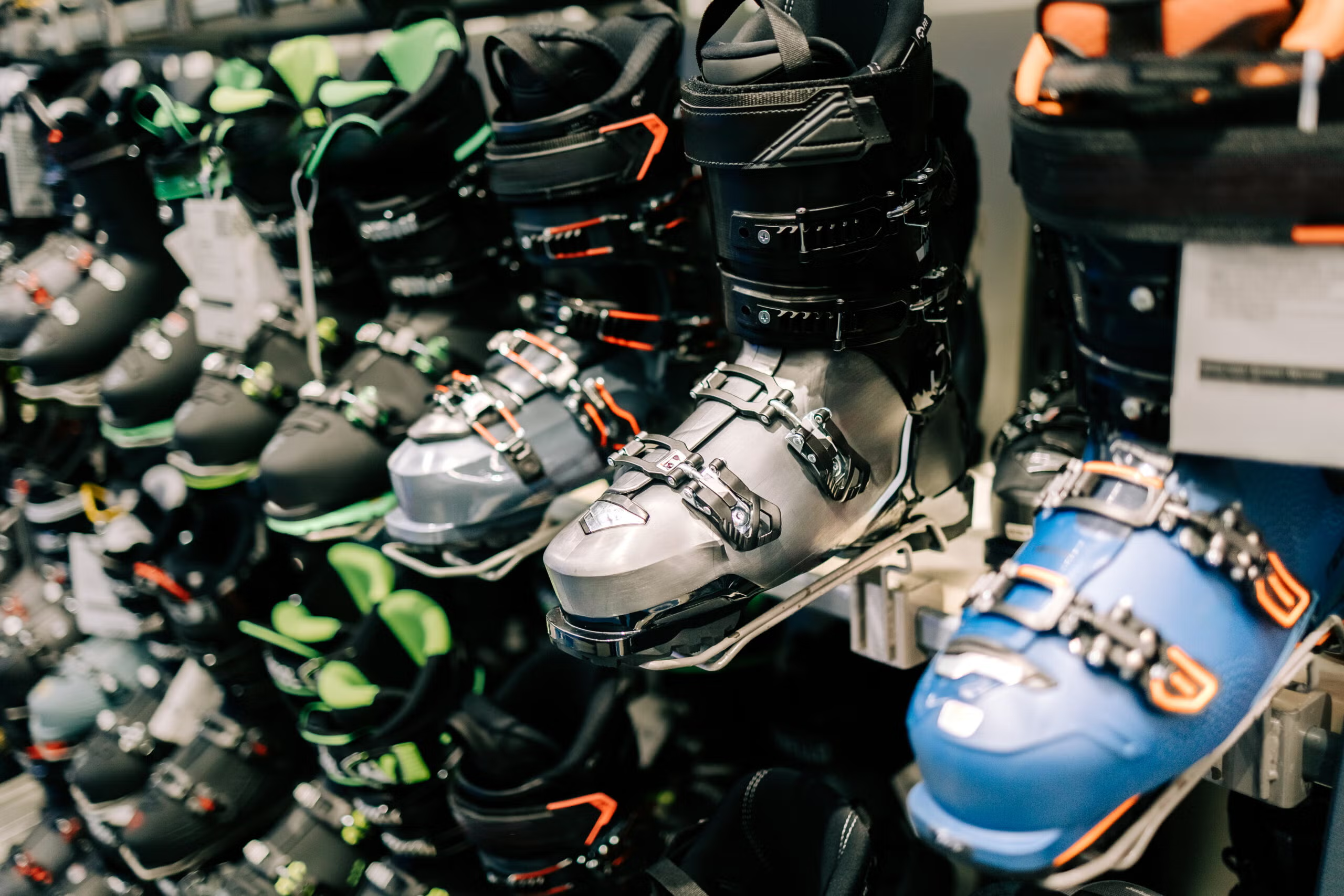
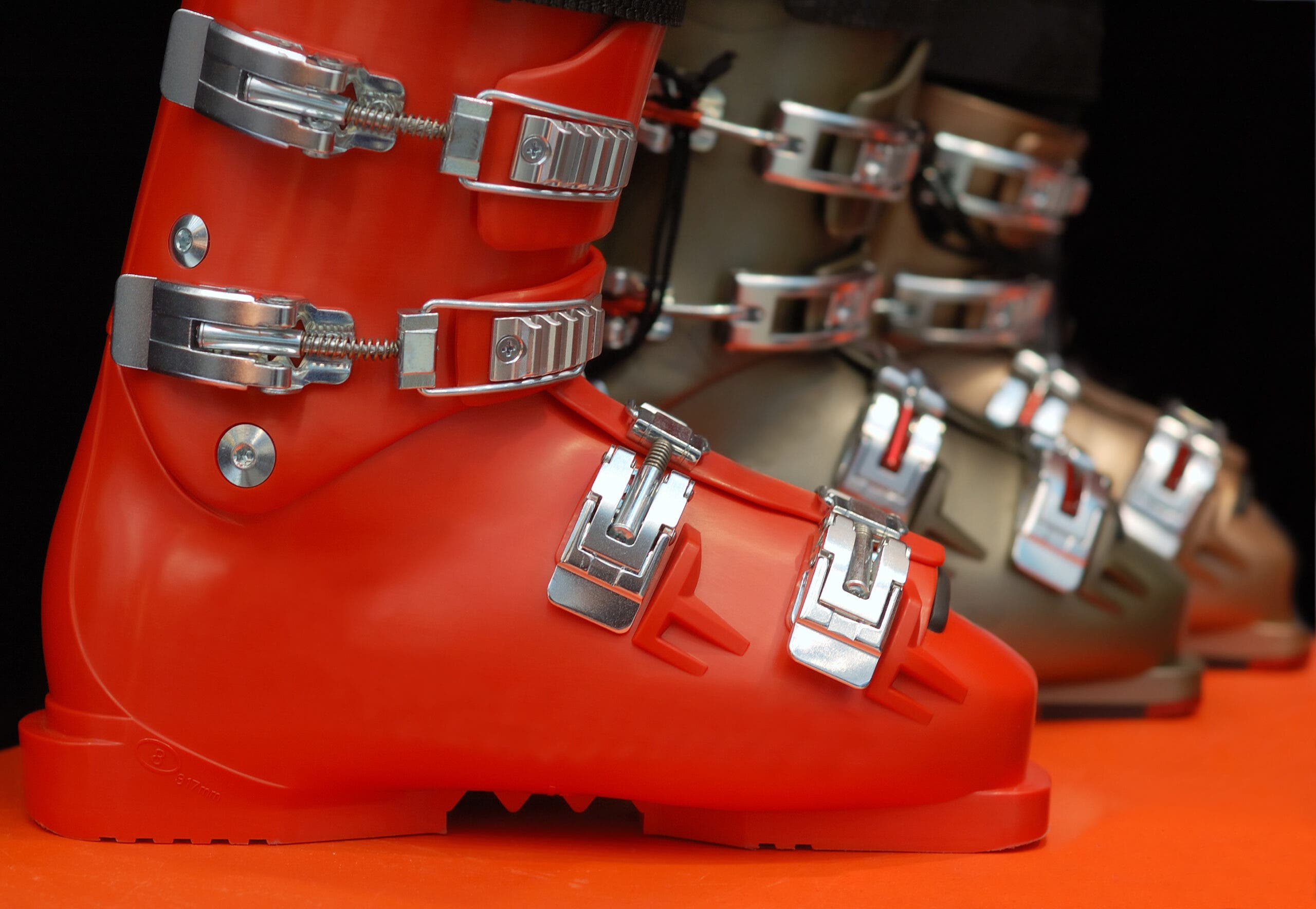
Ski boots displayed on a rack in a sports shop (Photo: Courtesy of Getty Images)
Published April 13, 2026 11:14AM
Every skier knows that ski boots are a far cry from cozy slippers or high-cushion running shoes, but for most of us, accepting this discomfort is simply the name of the game (or even a badge of honor). But can keeping our feet locked in a fixed position cause permanent damage to the foot?
According to Dr. Nelya Lobkova, a New York City-based podiatrist and skier, ski boots can exacerbate existing conditions such as bunions, a forefoot deformity that can be genetic, or Morton’s neuroma, a thickening of nerve tissue between the toes that can cause sharp pain.
“When the toebox in a boot is tight, friction can cause bunions, hammertoes, and neuromas to become painful. This is also the case if the boots are too loose, as the foot jams excessively forward inside the boot and impinges the toe bones. In either case, an inflamed bunion or an impinged nerve root (Morton’s neuroma) could become a lingering problem after the ski slope,” she says.
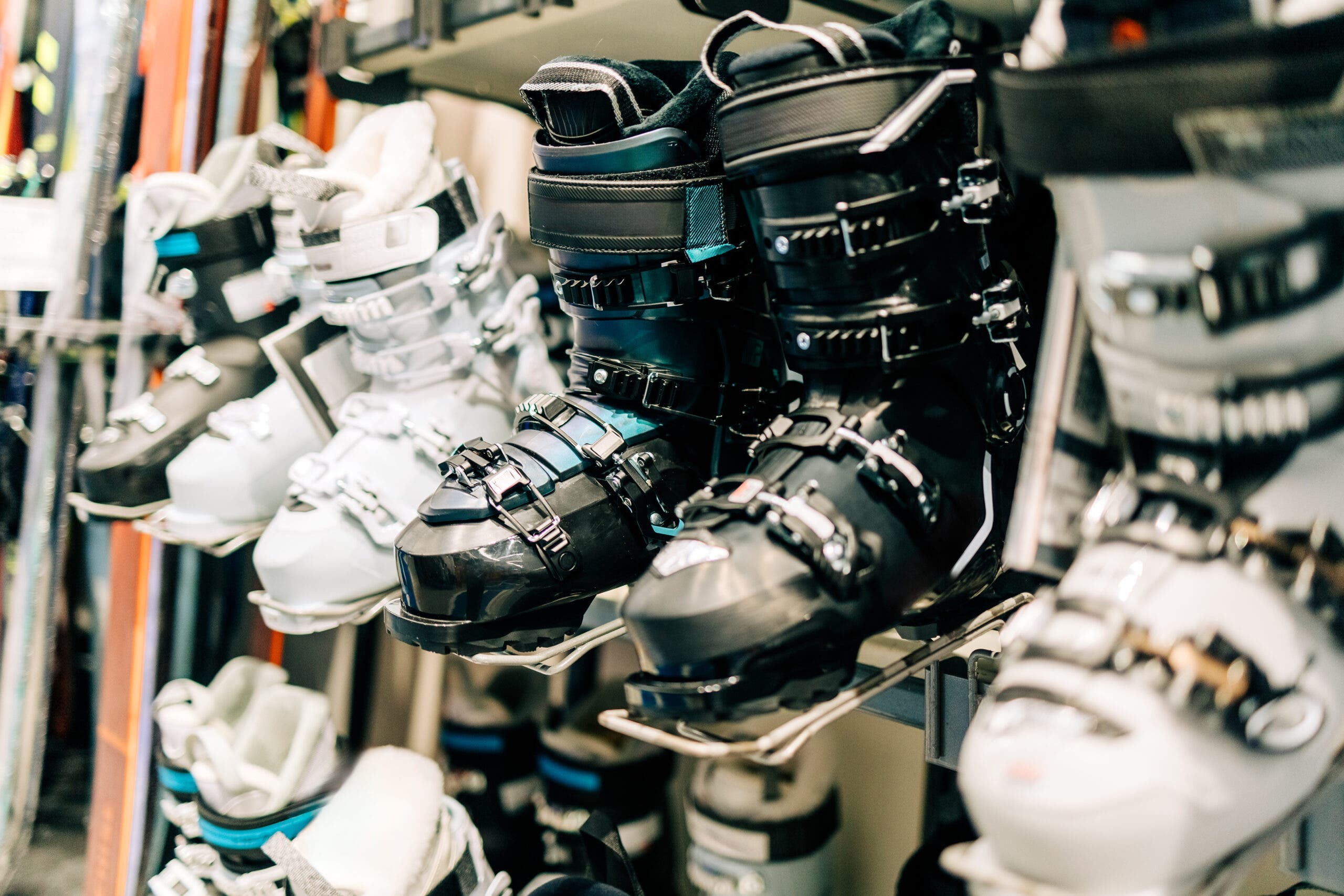
Pressure on the toes at the front of the boot can also lead to bruising under the nail (called a subungual hematoma) or ingrown toenails. “Both conditions could potentially lead to a toenail infection that may require removal of the toenail or oral antibiotics,” says Lobkova, who explains that excessive damage to the toenail bed can also cause irreversible damage. “The toenails may not look the same afterwards, typically appearing thicker and shorter compared to the other toenails.”
Are Ski Boots Bad for Your Feet? We Spoke To Experts And Found Out The Truth.
However, these issues are not inevitable. Properly fitting ski boots should mitigate them. “Ski boots are not ‘bad’ for your feet, but badly fit ski boots are,” says Dr. Mikel Daniels, a Baltimore-based podiatric surgeon.
Warning Signs That Your Boots Might Be Causing Damage
“There is a difference between regular ski boot discomfort and a bad fit,” says Daniels. A new boot should feel snug around the foot, and the toes should lightly brush the front when standing upright. “The toes need to pull back a little when you flex into a ski stance,” he says. With new boots, you may feel a general ache after a long day, but it should fade quickly once the boots are off, and as the foam liner compresses with wear.
Poorly fitting boots may cause localized pain, pins and needles, or unusually cold feet. “My rule is simple: if your boot pain makes you think more about your feet than your skiing, the fit is wrong,” says Daniels.
How to Ensure Your Boots Don’t Cause Damage (Even if You’re Renting)
If you are buying your own boots, Lobkova and Daniels both suggest getting them heat-molded. “When heat-molded and custom-fitted, downhill ski boots should contour all forefoot deformities, such as bunions, hammertoes, and Morton’s neuroma,” says Lobkova. This method reduces friction during skiing.
Boot fitters can also add a punch by using a special tool to push out a section of the shell in a specific spot (such as the big toe, a bunion, or a bony spot) to create more space. “I had one patient, a strong skier, who came in every February with black, big toenails and thought it was ‘just part of skiing.’ Once we got him into a boot with the right shell length and a small punch in the toe box, his toenails finally survived a ski season,” says Daniels.
The Best Women’s Ski Boots of 2026, Tested
And if you still have pain? “Often I see patients who have custom-fitted ski boots yet still experience forefoot pain,” says Lobkova, “In these cases, I advise custom orthotics for the ski boots. Prefabricated insoles are typically too thick for ski boots. I will create thin, specialized custom insoles with an embedded metatarsal pad to separate toe bones and tendons in the forefoot, thereby alleviating and preventing all causes of forefoot pain.”
Though you can’t get a fully custom fit while renting, there are still some precautions you can take to protect your feet. Daniels says you should always talk to the sales tech about any pre-existing issues. He says you should always opt for a shell that is reasonably snug, rather than oversized. “A loose shell with over-tight buckles gives you pressure points and poor control.”
Also, be sure to bring high-quality socks designed for skiing. A good ski sock should be thick and made of merino wool to keep the foot warm and prevent blisters (which are common with cotton socks). Daniels adds that if you wear insoles in your everyday shoes, you should put them in your rental boots too.
Other Preventive Measures You Should Take to Protect Your Feet
Lobkova says to always loosen or remove your ski boots during breaks. “This will allow the foot to relax. More importantly, when you move from a cold temperature to a warm one, your feet and ankles swell. You don’t want them to swell against a stiff boot because this will cause a tourniquet effect, preventing blood from reaching the foot,” she says.
And most importantly, don’t overdo it. Like with any sport, listening to your body is the most important thing you can do to protect it.