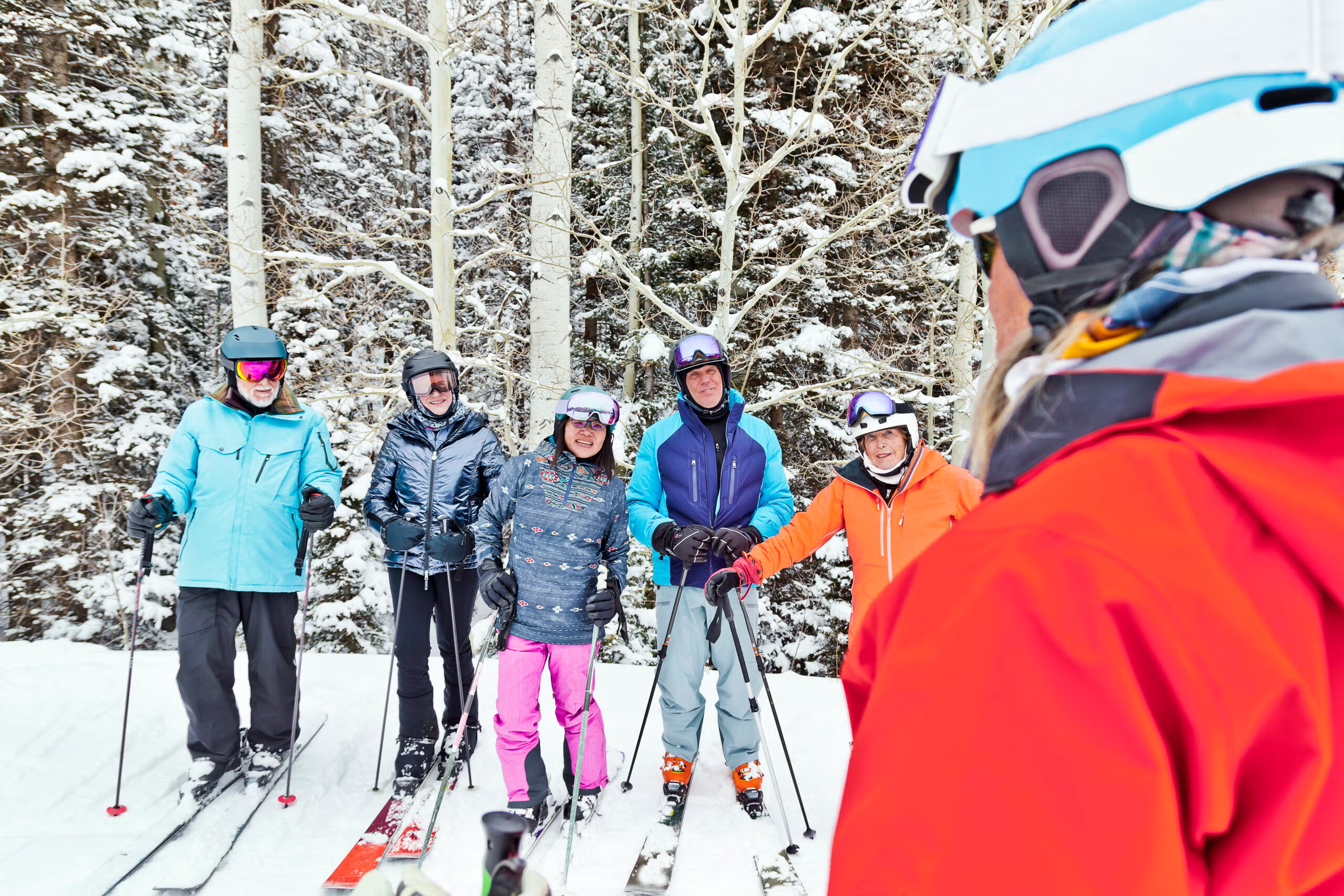
If we want to grow the sport and keep skiing relevant for decades to come, we have to make learning to ski more accessible.
Updated July 20, 2026 01:58PM
Every year, the ski industry says the same thing: We need to grow the sport. Then it charges beginners upwards of $300 for a group lesson and well over $1,000 for private instruction.
Yes, skiing has always been expensive. Lift tickets, lodging, equipment, food—it all adds up. But unlike almost every other part of a ski trip, there are ways to cut costs. Buy your lift tickets in advance. Pack your lunch. Stay in the next town over. Ride the ski bus. Rent gear or buy it used.
Ski lessons are different.
If you want to become a better skier, you’re stuck paying whatever the resort charges. There are very few alternatives, and that’s one of the biggest reasons skiing is still seen as a sport for the wealthy. I’m arguing that the industry has made a fundamental mistake here: It’s treating ski lessons like a profit center instead of a customer acquisition tool.
Rather than seeing those first skis lessons as a cash cow, they should be treated like an opportunity to cultivate a relationship. After all, a beginner who has a great experience today is tomorrow’s season pass holder, gear buyer, lunch eater, ski traveler, and parent introducing their own kids to the sport. If the industry’s goal is to create lifelong skiers, ski lessons should be one of the easiest things to say yes to—not one of the biggest financial hurdles.
But it’s about more than just learning how to link turns and getting down the mountain. Every season we see the same issues: Out-of-control skiers killed after colliding with trees, lift towers, and other skiers; people skiing too fast, making unpredictable turns, stopping in blind spots, or venturing into terrain that’s over their heads. We preach slope etiquette and mountain safety, but we make learning it unaffordable.
So people teach themselves, ask friends, watch YouTube, or just wing it. And in the process, they create lifelong bad habits that are hard to break, all because the alternative is spending thousands of dollars for a few ski lessons.
Before anyone says, “Well, instructors deserve to be paid,” I couldn’t agree more. The problem is, they often aren’t.
Resorts keep a significant share of lesson revenue, while instructors receive only a fraction of what guests pay. And because resorts control the lifts and terrain, skiers can’t hire an independent instructor, even if they’d rather pay someone directly for less.
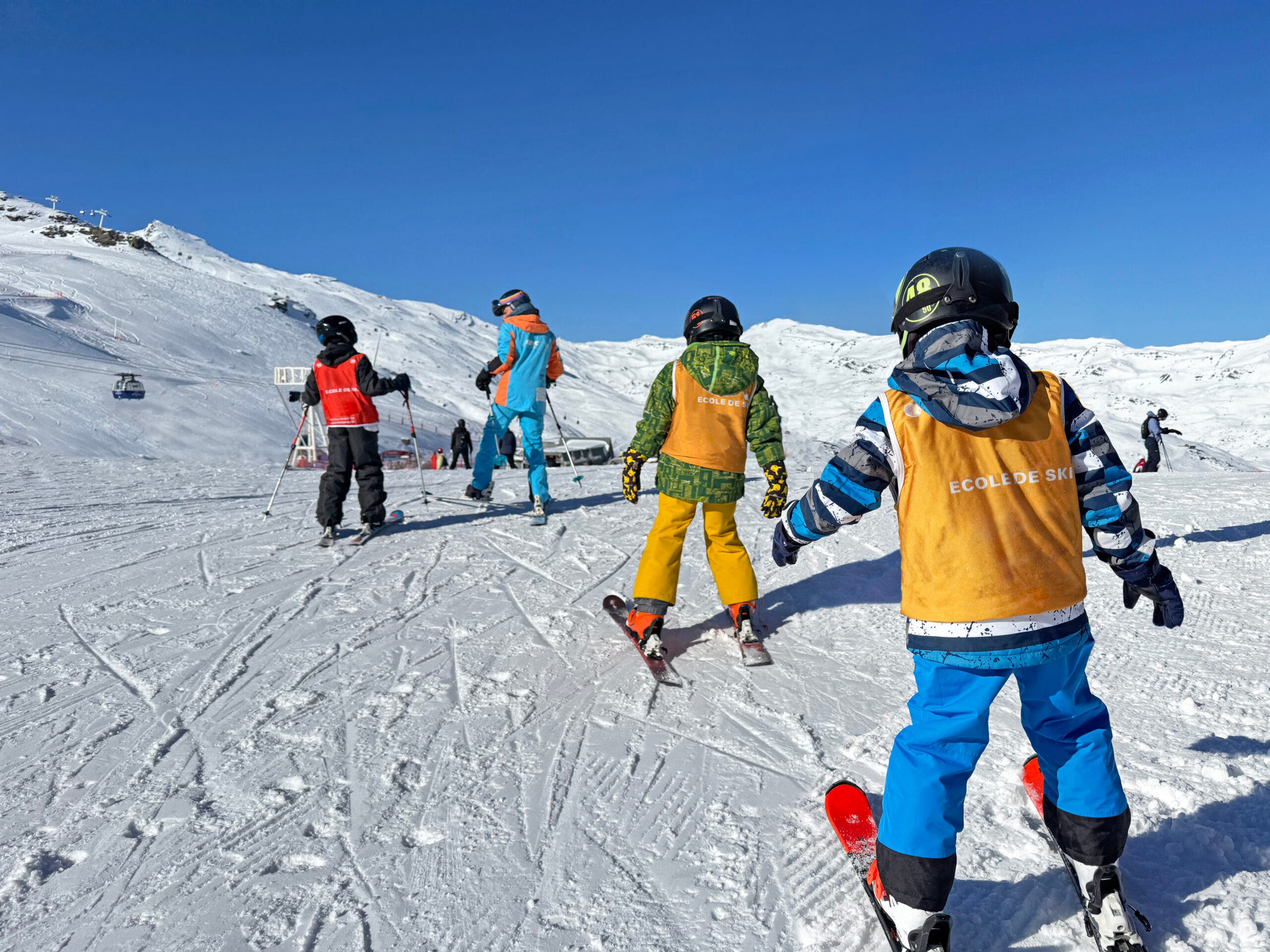
What’s even harder to explain is that this is largely a North American problem.
In the Alps, five full days of group lessons can cost about $600 total. In Japan, a full-day adult lesson is often around $100. In South America, you can get a week of lessons—a full six days—for under $500. Make it make sense.
Yes, different countries have different labor costs, resort overhead, and business models. But when an entire week of instruction overseas costs less than a single day at many North American destination resorts, it’s fair to ask why we’re the outlier.
Fortunately, there are still a few ways to learn without completely emptying your wallet: First, skip the big destination resorts if you’re just starting out. Smaller independent ski areas usually offer cheaper lessons, fewer crowds, and a much-less-intimidating learning environment.
Look for season-long lesson programs instead of buying one lesson at a time. As we see with the multi-resort pass models, ski areas reward advance planning, so committing to a handful of lessons is always a better bang for the buck.
To take it a step further, opt for a lesson-and-pass package—like Loveland’s 3-Class Pass, which awards learners with a season pass after completing three lessons. Programs like that prove affordable instruction isn’t impossible after all. Go figure.
At the end of the day, this isn’t an affordability problem—it’s a priorities problem. If resorts really want to grow the sport, ski lessons shouldn’t be viewed as a product to maximize revenue, but rather the single best investment they can make in growing the next generation of skiers. Because today’s pricey ski lesson just might come at the cost of tomorrow’s lifelong skier.