The Idaho resort is proving that better skiing and wildfire safety can go hand-in-hand—all while providing free heating for local native families.
Updated April 23, 2026 11:39AM
If you’ve skied Sun Valley the past few years, you may notice that the resort has changed.
Yes, they’ve finally adapted the RFID scanners that eliminate the need for skiers to wear their passes on the outside of their kit, and they now have outdoor cubbies for storing street shoes. But that’s all small [Idaho] potatoes compared to the resort’s Bald Mountain Stewardship Project.
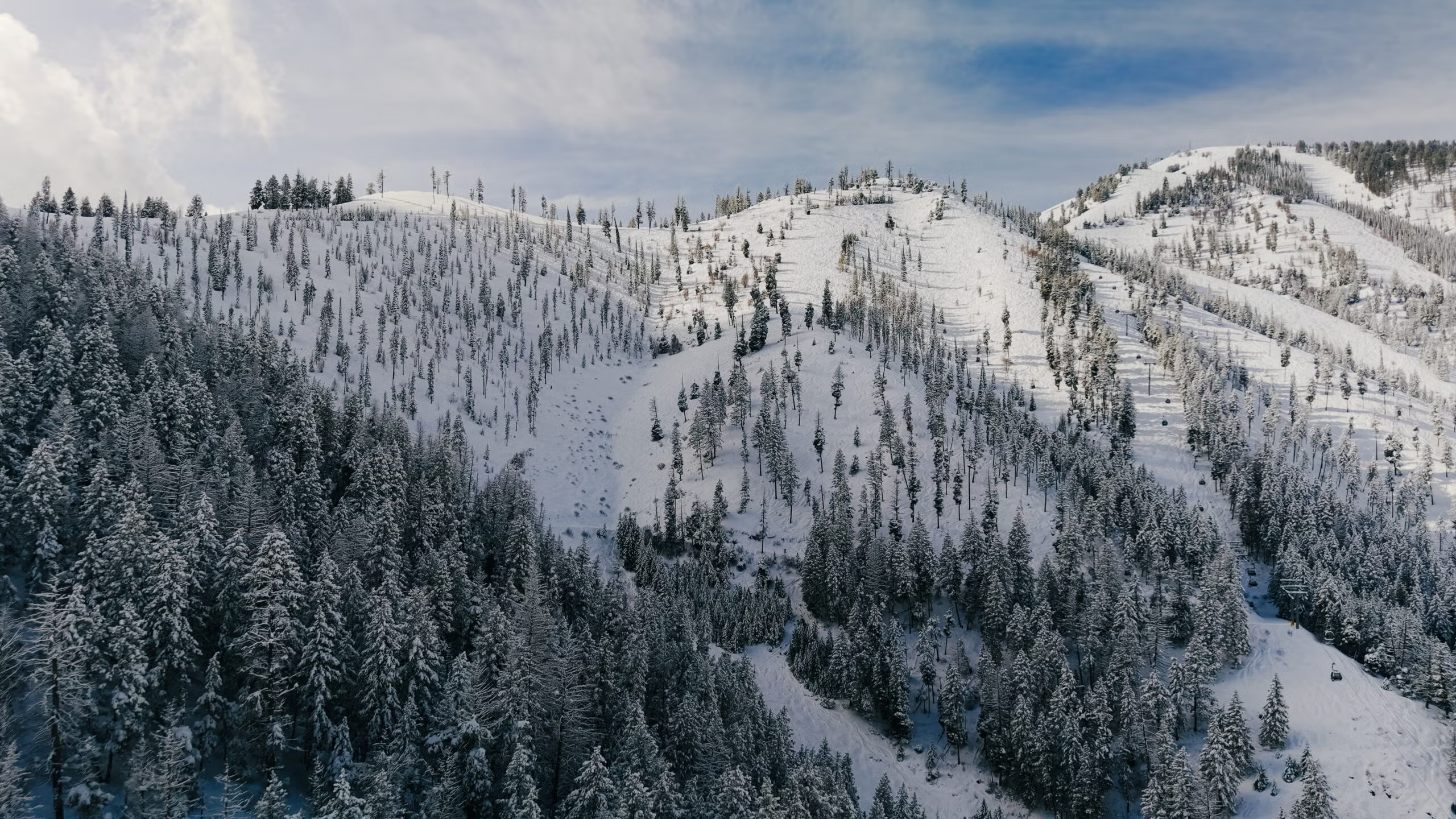
The project is a collaboration between the resort, the U.S. Forest Service, the Bureau of Land Management, and private landowners, along with many other local organizations, to remove dead and diseased trees from the resort, reducing fire risk. In turn, the removal of these trees creates more gladed terrain for skiers. The project also includes planting new, healthy trees in Sun Valley during the off-season. To date, there have been over 47,000 trees planted.
The Bald Mountain Stewardship initiative came to fruition after wildfires in 2007 and 2013 came too close for comfort to the resort and the nearby town of Ketchum. After analysis from the Forest Service, it was determined that Sun Valley’s dead and decaying trees were contributing significant amounts of greenhouse gases, adding literal fuel to future fires.
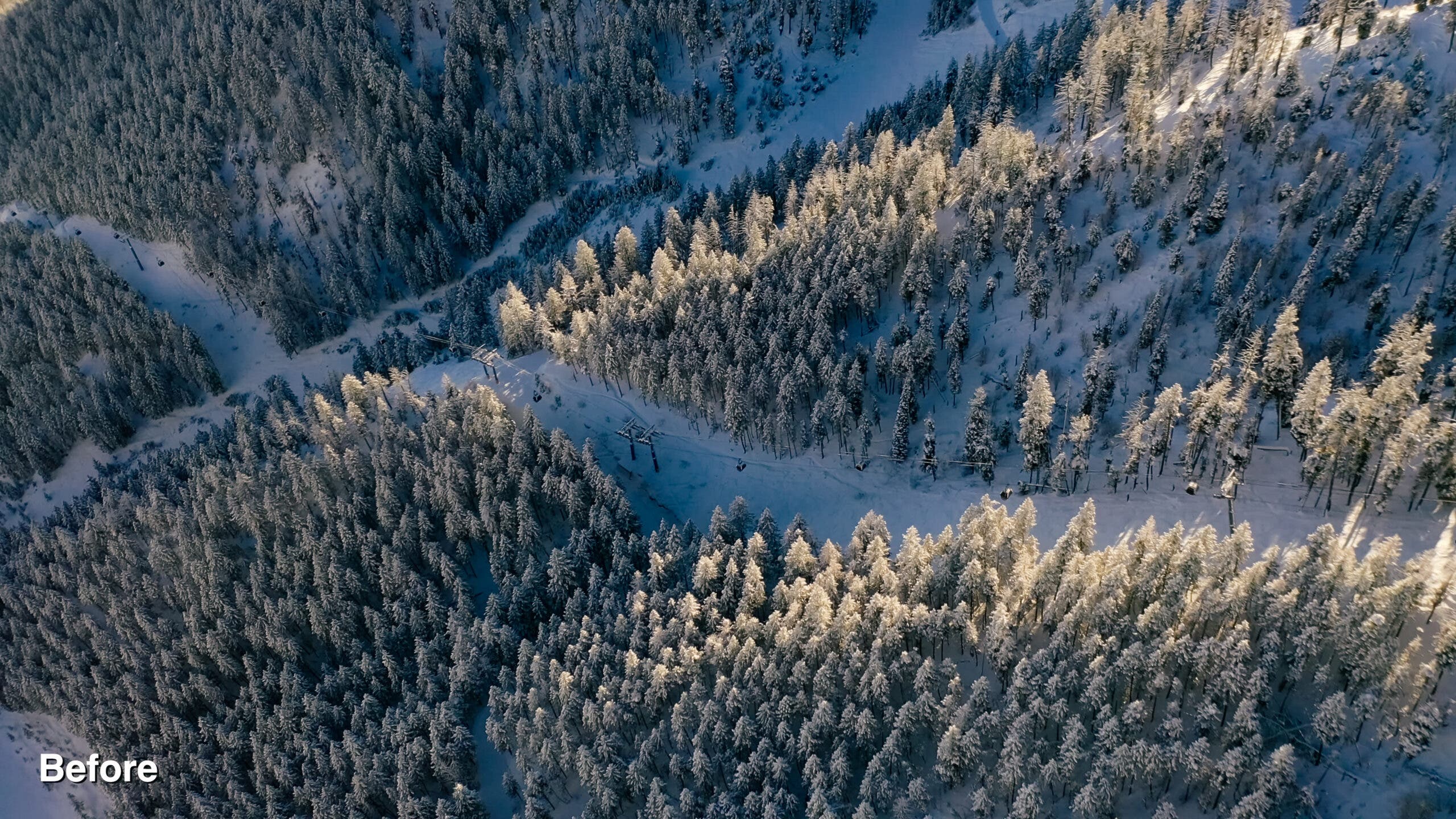
“What you see from the gondola in some places is a lot of gnarly-looking trees and a lot of dead trees. And so, for a multitude of reasons, from a fire perspective, that’s concerning. From a forest health, from a general biodiversity perspective, that’s concerning. And then from a recreational perspective and aesthetic perspective, it’s unattractive,” Ford Van Fossan, Central Idaho program manager of The National Forest Foundation, said.
Adding that the project’s three priorities are improving the health of the forest by addressing tree diseases and invasive bugs, wildfire mitigation, and improving skiing.
In addition to the project’s environmental benefits, wood from the removed trees is given to local Indigenous groups to heat their homes. As part of the Wood For Life project, almost 4,000 cords of firewood have been donated to the Shoshone-Paiute Tribe and Shoshone Bannock Tribe at Fort Hall.
So why don’t more resorts have partnerships like this?
Sun Valley isn’t the only resort facing diseased forests and the looming threat of wildfire, but its approach to the problem is distinct. Through the Bald Mountain Stewardship Project, the resort has leveraged a $1.5 million investment and complex multi-layered approvals into a powerhouse of collaboration. Interestingly, the project’s success is rooted in its public nature; since the land is managed by the Forest Service and the BLM— 60 percent of the resort is operated via the Forest Service, and 40 percent is operated by the Bureau of Land Management— there is a built-in infrastructure for bureaucratic cooperation that makes these ambitious ecological goals attainable.
Tangible Results For Skiers
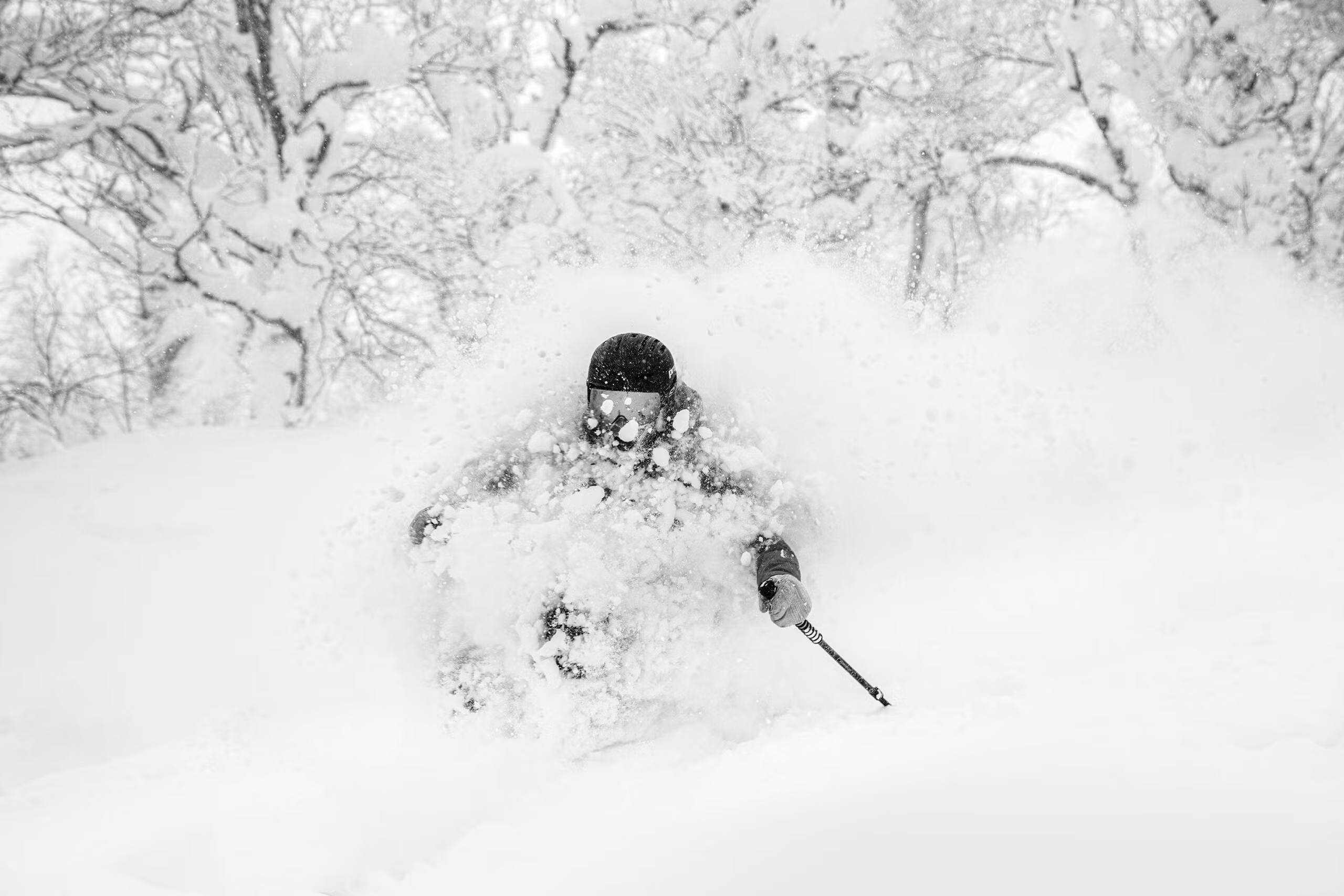
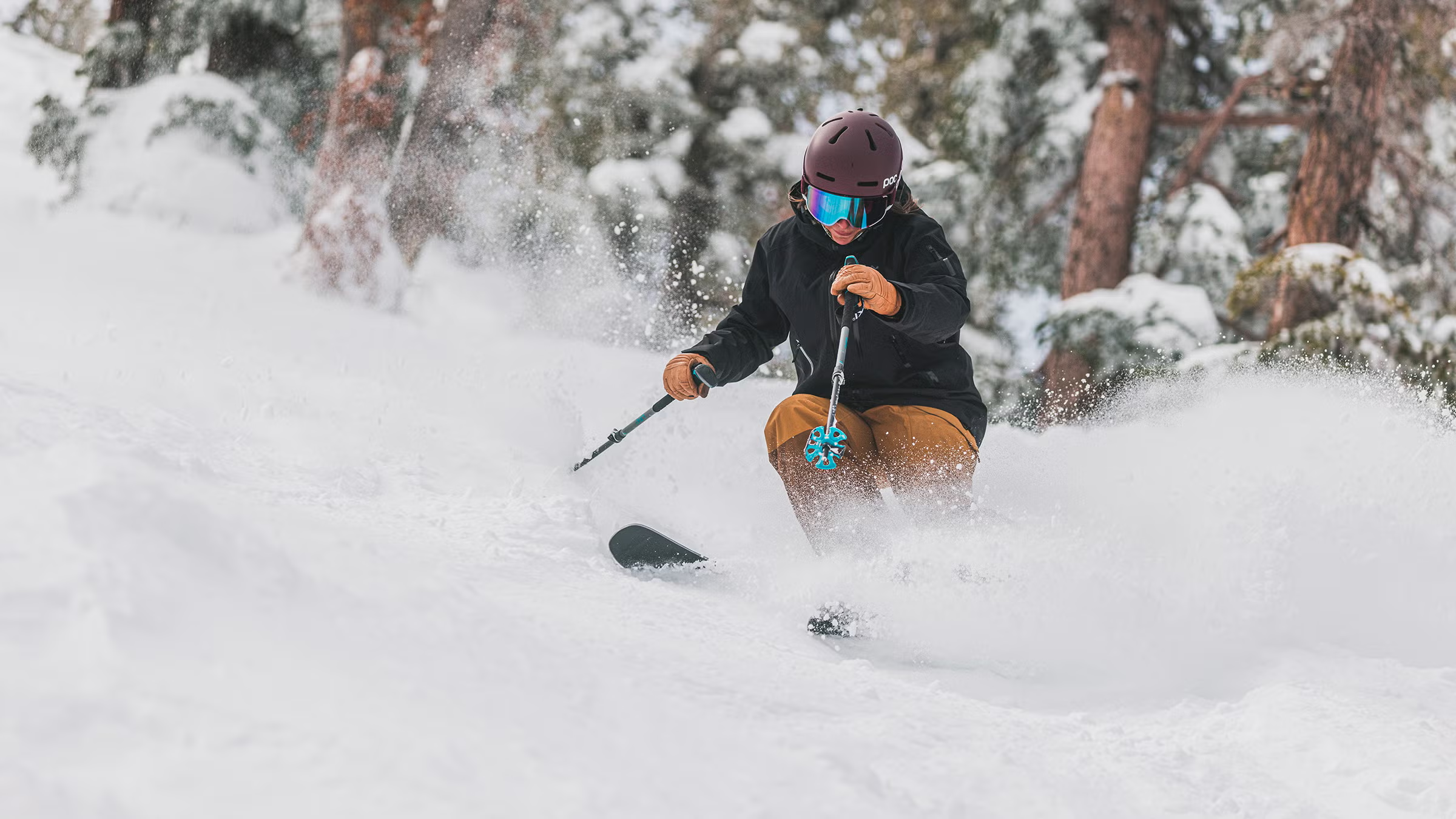
One of the best parts about this partnership is that skiers can actually see the difference from the removed trees. Areas that were previously too densely populated with trees are now open for skiing. As of this past ski season, skiers can enjoy gladed skiing on Pioneer Run, Bear Den, Sheep Camp, and Tim’s.
Next up on the agenda for the project is 26 acres of tethered logging (winch-assisted logging) and the removal of 50 windthrown trees on Seattle Ridge and 150 acres of hand thinning near Scorpion. On River Run and Cold Canyon, up to 40 acres of chipping post slash material. Finally, more trees and reforestation efforts are planned for the Olympic Ridge. This year, the logs removed from the resort will be delivered to the Shoshone Bannock. As of now, there is no formal end date to the project.