Published August 26, 2026 09:50AM
As a longtime gear tester for SKI, I get asked about all things skis, boots, bindings, etc. Folks tend to want to pick my brain about new things to try, innovations that excite, and get a sense for where the market is going. In response, my first instinct is usually to ask, “Have you ever tried a full rocker ski?”
Most skiers reply: Pretty cool, but that’s not for me.
I get it. Full rocker skis—also called reverse camber skis—tend to conjure images of Shane McConkey perched atop a huge face in Bella Coola, B.C. with a pair of literal water skis strapped to his feet, sliding sideways for hundreds of feet with powder exploding in the high-alpine air. They look like specialized tools for specialized skiers and specialized conditions.
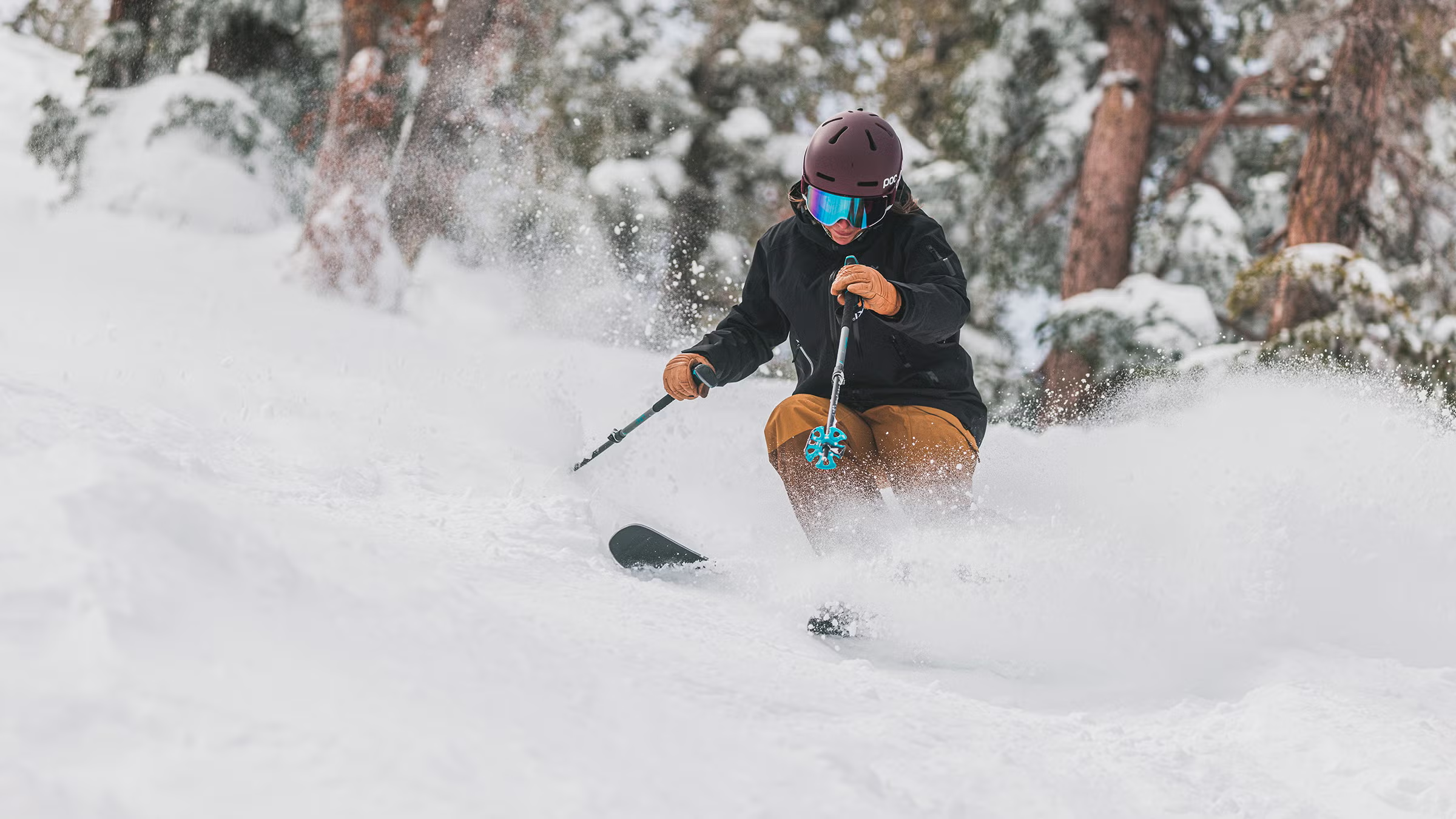
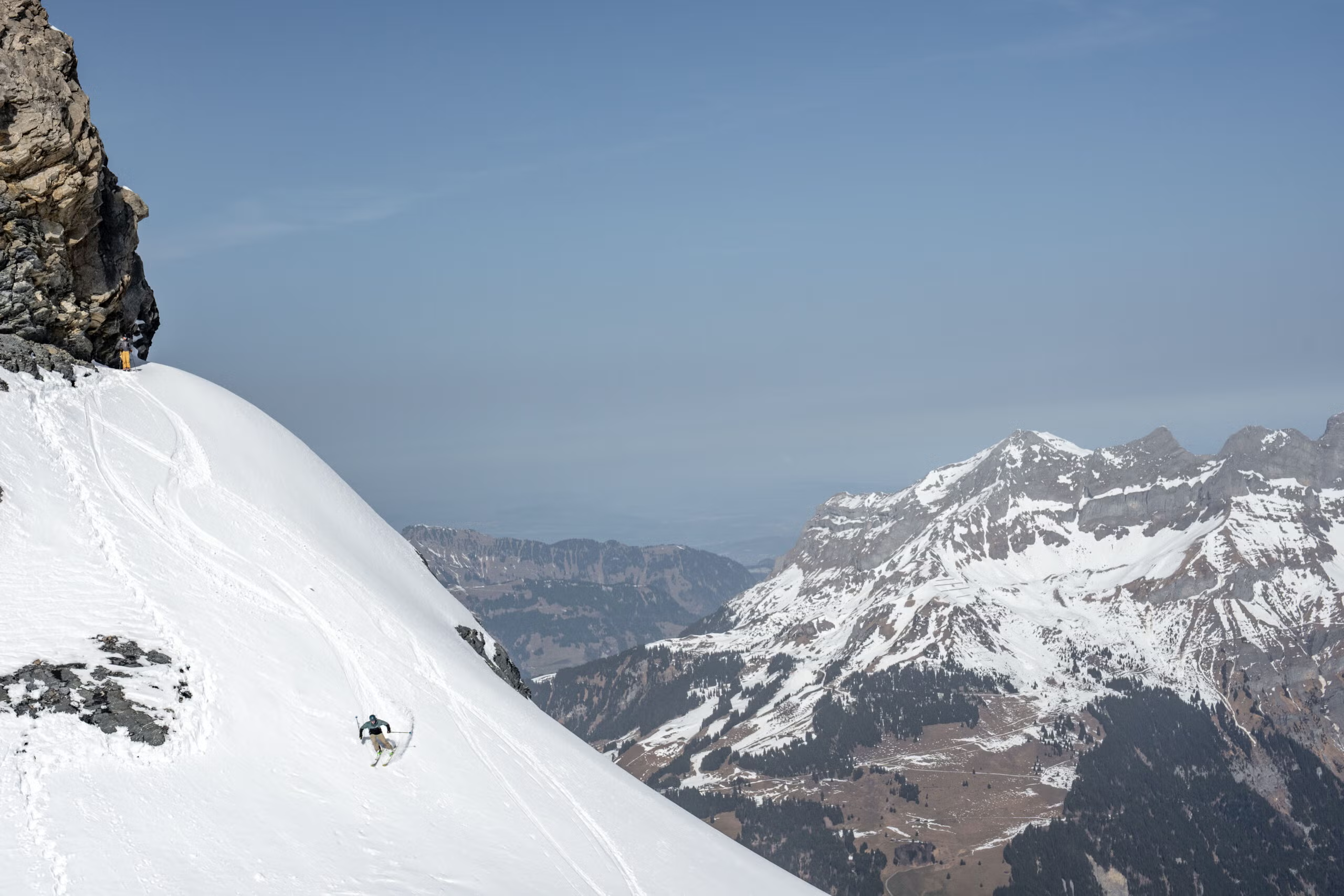
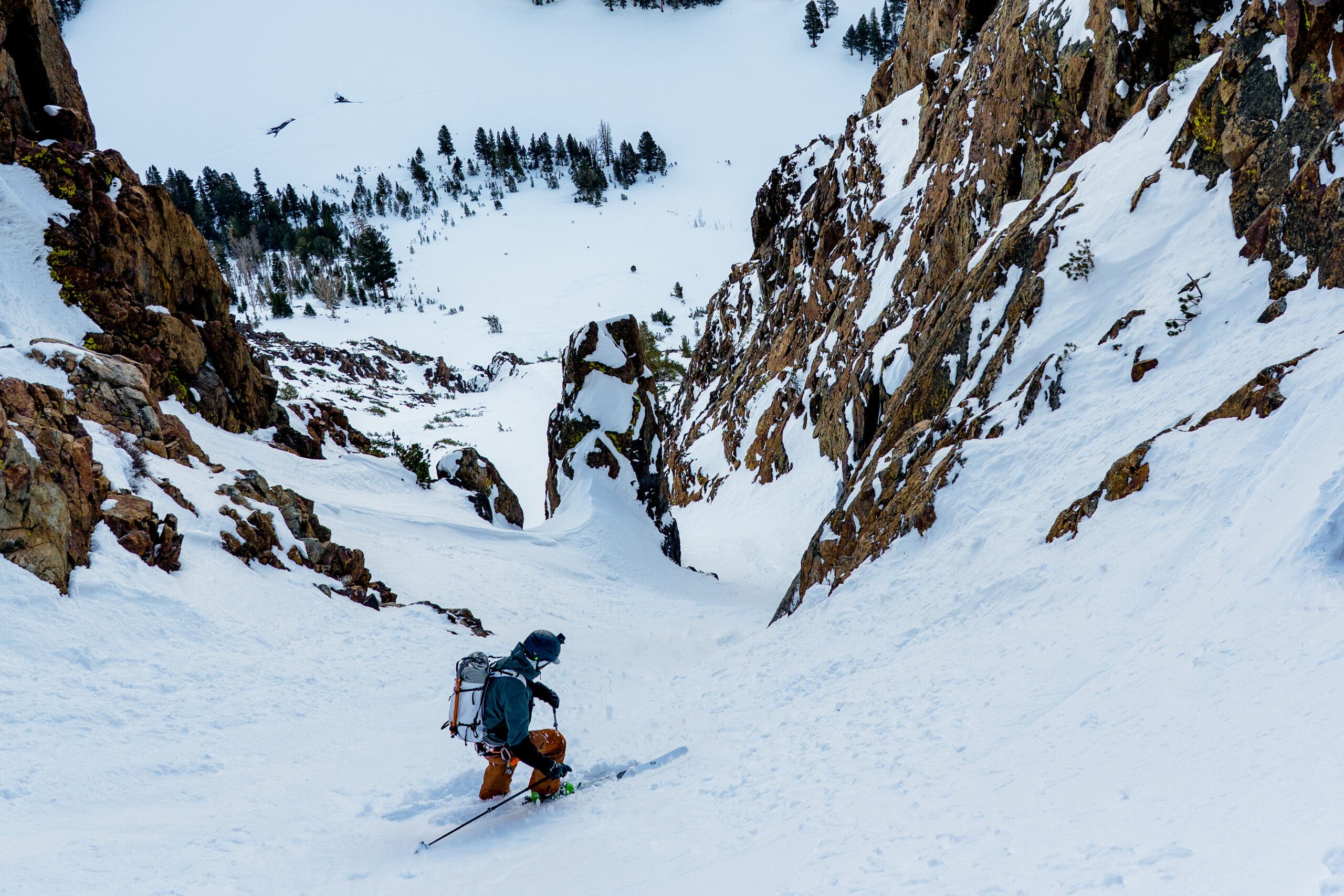
But some of the best skis I’ve ever ridden have been full rocker. They’re drifty when I want to drift and they rail when I want to rail. They feel loose and swervy in a way that hundreds of skis with conventional camber profiles simply don’t. Full rocker skis are unbeatable in grabby snow, which makes them my absolute favorite shape for the backcountry. In virtually any amount of soft snow, I’ll grab a full rocker ski over anything with a hint of camber in it.
The reason has less to do with adrenaline than it does with sensation.
People tend to misunderstand skiers as thrill-seekers, and I don’t think that’s quite right. Skiers are sensation-seekers. We covet novel feelings: the pull of gravity ebbing away as you speed through untracked snow, the pressure building as you sink into a carved turn, the unexpected delight when the icy wind scour beneath the cornice turns out to be days-old pow. It’s not adrenaline we’re after, but rather freedom, bottled up in sensation.
That’s what I love about full rocker. It unlocks a different feeling of skiing. To that end, I’m here to make the case for skis with full rocker.
What Is Full Rocker, Anyway? A Brief History.
Full rocker skis are built like bananas. They have no camber pocket underfoot, and are either flat beneath the bindings or visibly rockered through the entire length of the ski.
It’s widely believed that rockered skis were first imagined by McConkey, running with the idea from Scott Gaffney who argued his skis floated better once the camber pocket wore down from use. When Shane McConkey developed the Volant Spatula—the first commercially available full rocker ski—he wasn’t just trying to make a better powder ski. He was asking skiers to rethink what a ski could do, and how they could ski it.
The Spatula hit the market in 2002, and each pair came with an essay written by McConkey, inviting skiers to “open their minds” and forget everything they once knew about ski technique. The Spatula was a powder tool, meant to slip, slide, and slarve instead of carve in deep snow.
“Take most everything you have ever learned about skiing and stick it where the sun don’t shine,” McConkey wrote. “Or at least in the garage next to your shaped skis.”
More Ski Coverage: The Best-Selling Skis from Popular Brands—And What We Actually Recommend Instead
It was an extreme proposition, and the ski itself was extreme, too. The Spatula featured full rocker and reverse sidecut, making it incredibly floaty and almost impossible to submarine in the deepest snowpacks. The reverse sidecut, meanwhile, made it difficult to hook up in even the weirdest mank. These were for powder and powder only.
But today’s full rocker skis are much more versatile and balanced than you might imagine. Sure, there are still skis like the 4FRNT Renegade, that will do you about as well on piste as a GS ski will do you in two feet of blower; but there are other more modest approaches to the shape that will open the doors of perception in subtler ways.
The Modern Full Rocker Ski Is a Different Animal
In recent years I’ve tried a number of skis that take the reverse camber profile and tweak it in ways that preserve its loose, freeriding spirit, but tame the worst of its impulses. Skis like the Moment Meridian and 4FRNT Devastator add an appropriate amount of sidecut that allows the ski to feel loose and swervy when skied on flat bases, but locked into strong carves when tipped on edge.
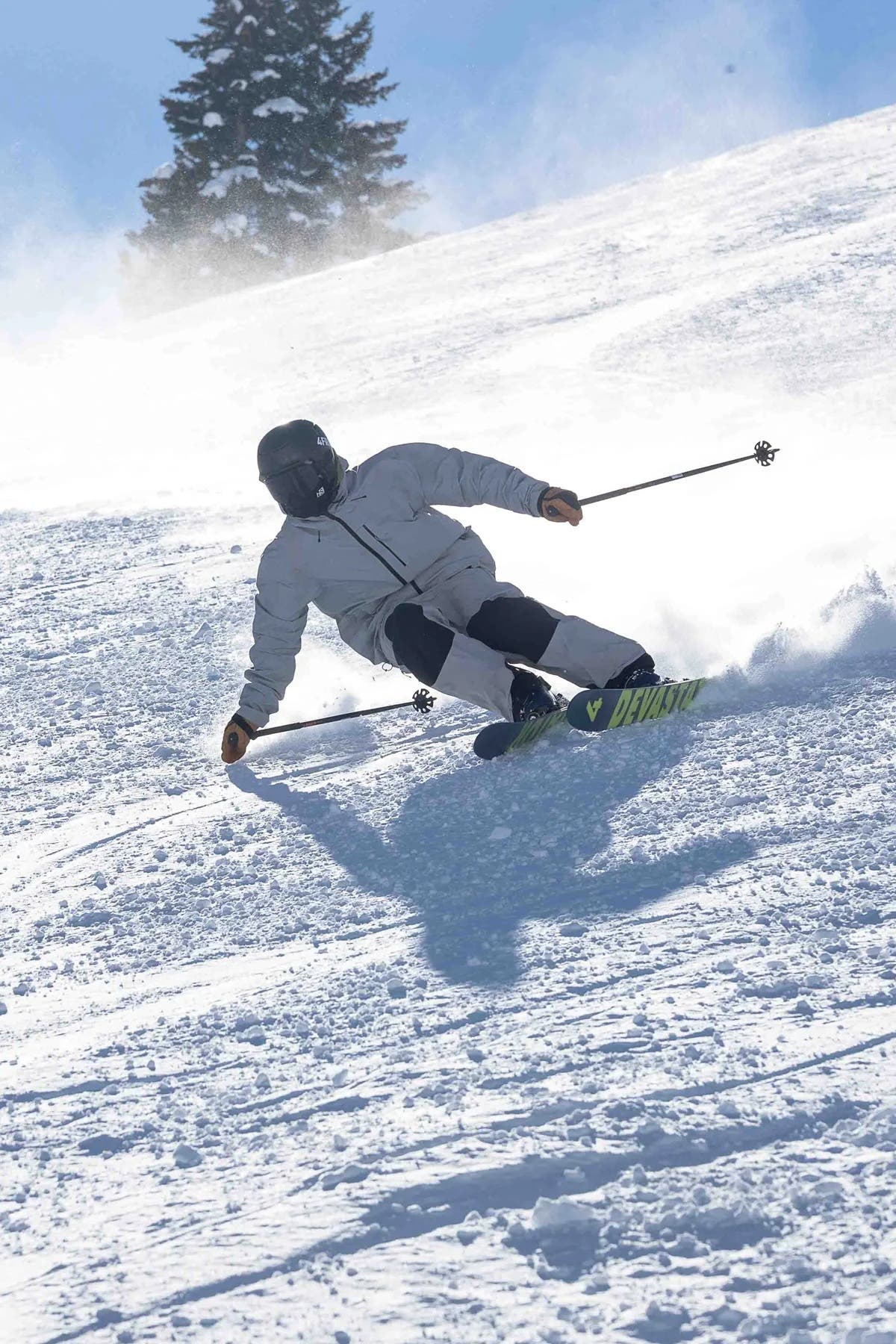
These ski makers learned McConkey’s lesson but took it to a slightly different conclusion: rocker equals easy turn initiation and float, sidecut equals hard-snow performance. Why not combine them instead of going to the extreme? The result is a ski that feels genuinely different from the hundreds of planks that feel like they were built by a focus group.
Why Should I Try Full Rocker?
This question to me is simple. Skiers have been skiing the same grey-beige 95-underfoot ski with some tip rocker, modest traditional camber, and maybe a whisper of tail rocker for the last 10 years. There are many reasons for this, but aversion to risk on both the part of the producers and consumers sits at the top of the list.
It’s understandable: Skis are expensive to make and costly to buy. Skiing is a luxury and family budgets are tighter than the Strait of Hormuz. Who wants to shell out nearly a grand on a weird shape they’re not sure they’ll like?
Also Read: What Is a Freeride Ski, and Why Is Everyone About to Want One?
But McConkey was onto something when he asked skiers to “open their minds.”
You don’t have to buy a pair of 138-underfoot reverse-sidecut powder boards and relearn how to ski. The options on the market these days are much subtler than that. They’re skis that remind me that skiing doesn’t have to feel the same every time I click in. But if you spend your entire skiing life on variations of the same shape, you’re missing out on a whole range of sensations the sport has to offer.
So don’t be afraid to try a specialized tool—or even just a ski with a shape that feels a little weird at first. It just might unlock an entirely new dimension to your ski abilities.