Every ski season brings a familiar set of rituals. There are the opening days, powdery storms, and chairlift chats. We find ourselves standing in line with the same people as fat flakes fall from the heavens. This is why we come back. The right amount of familiarity is good for the soul.
But not all winters are the same. Each one brings its own surprises and twists. Some are welcome. Some are not. Looking back at the 2025-26 season, these are the unexpected moments that caught our attention.
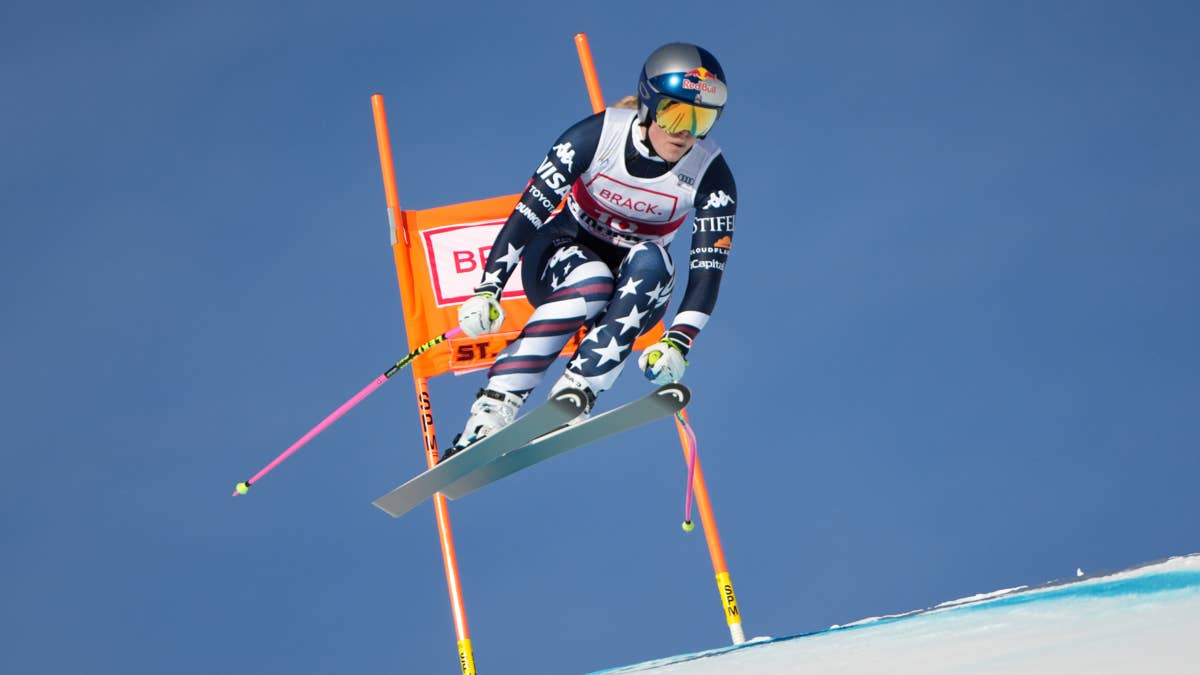
Photo: Mateo Sgambato/Agence Zoom/Getty Images
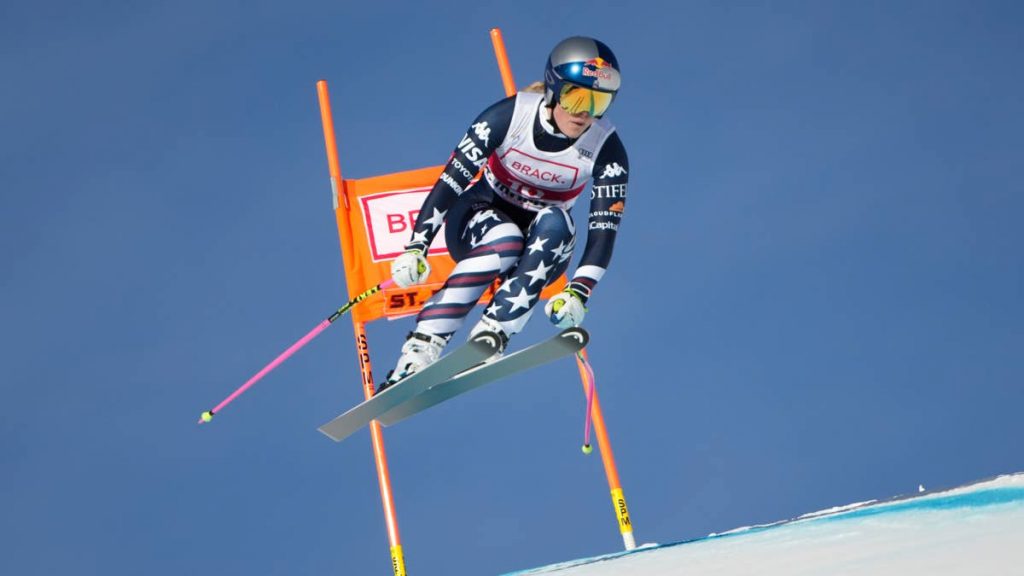
Lindsey Vonn Defied the Odds
Lindsey Vonn’s story this past winter, unfortunately, was overshadowed by a big crash. Seconds after pushing onto the Olympic downhill course, she clipped a gate, went spinning through the air, and crashed back to the snow. The fall left her seriously hurt, an event that soon dominated the headlines. The dramatic moment was so all-consuming that it may mean that when the average person hears the name Lindsey Vonn, that’s what they’ll remember.
But perhaps lost in the hoopla around the bail was the amazing absurdity that led up to it. Vonn, in her 40s, left retirement and returned to ski racing during the 2024-25 season. At first, she put on an admirable, but not mind-blowing performance—it roughly matched expectations for the once-retired, now older racer.
Then, when the 2025-26 season started, everything changed. Vonn was suddenly on fire. Here are a few numbers to consider: ahead of the Winter Olympics, Vonn competed in nine World Cup downhill and super-G races. Of those nine, she only missed the podium twice. I can’t, in words, properly convey how wild this is. You don’t return to racing in your 40s. You don’t return to racing in your 40s and finish in the top three over and over again. In one of the most physically demanding sports on Earth, it shouldn’t be possible. Vonn did, though.
That’s all to say: one tough, if highly publicized, fall shouldn’t negate one of the greatest and most unexpected sporting comebacks of all time. The real tragedy is that we didn’t get to see how far Vonn would have taken it, perhaps to the top of the Olympic podium.
RJ Sangosti/MediaNews Group/The Denver Post via Getty Images
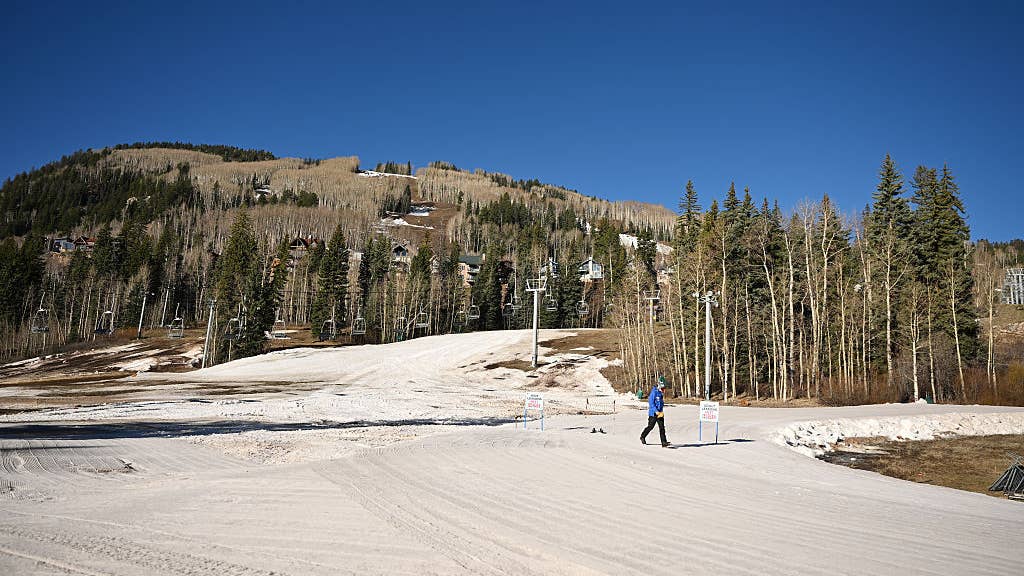
The Winter That Wasn’t
At the risk of stating the obvious, this past winter out West was rough. Visitation dropped, snow rarely showed up, and skiers are now snapping Epic Passes for next winter less quickly than did last year, a likely sign that they’re feeling skittish about this whole winter business.
It’s a truism, but you can’t predict the weather. No one knew last fall that the 2025-26 season was going to be a dud of historic magnitude. We could say, for instance, that it might be less snowy overall than the 1980s because of climate change. But you would’ve needed to a consult a crystal ball to anticipate how far south things would actually go.
Thankfully, it’s impossible to paint one season with too broad a brush. There were beautiful, powdery moments of reprieve (I caught one of them in Grand Targhee). The Northeast, miraculously, was spared, having a memorable—in a good way—2025-26 season. This brings us to another unexpected moment: the western ski resorts that defied the odds.
Courtesy Sunshine Village
The Winter That Was
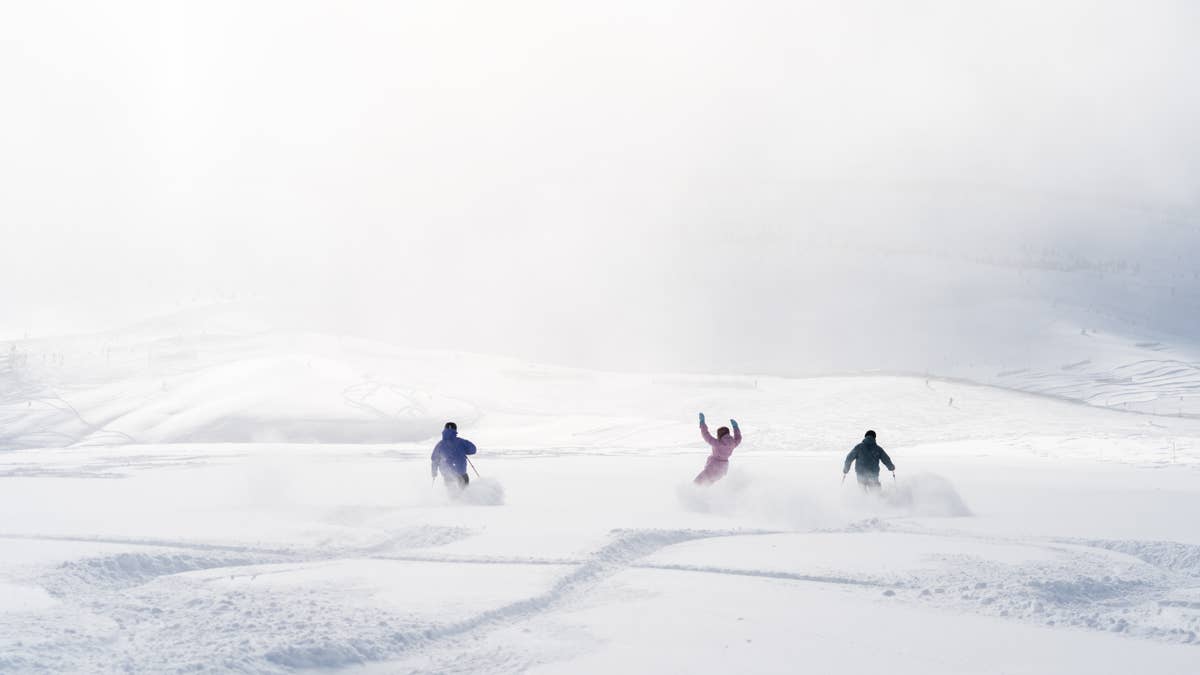
Regardless of the year, the ski resorts around Banff, Alberta—Norquay, Sunshine Village, and Lake Louise—had a noteworthy season. All saw plenty of powder. Lake Louise smashed its overall snowfall record. Norquay cracked the top ten. Sunshine Village managed a top-three season for precipitation. When I interviewed folks at those mountains, they used the words “remarkable” and “memorable” to describe the powder buffet.
But what made this season at Banff truly unexpected was everything that happened around it. Across the border, other ski resorts all around the West were having a polar opposite season. It was, as already noted in the last section, abysmal for some resorts, making for an eye-grabbing contrast.
The photos now emerging from Sunshine Village, which plans to reopen on June 20 for a few weeks of summer skiing, look like a mirage or hallucination. Long after most mountains dried up, there it is: a nicely-groomed trail waiting for the season to start again. The weather works in mysterious ways.
Fischer Releases a Ski, Doesn’t Share Its Specs
Diehard skiers love technical specifications. Swing weight. Turn radius. Waist width. Stiffness. Length. We want to know as much as possible about the skis we might buy. This way, hopefully, we’ll make the right investment.
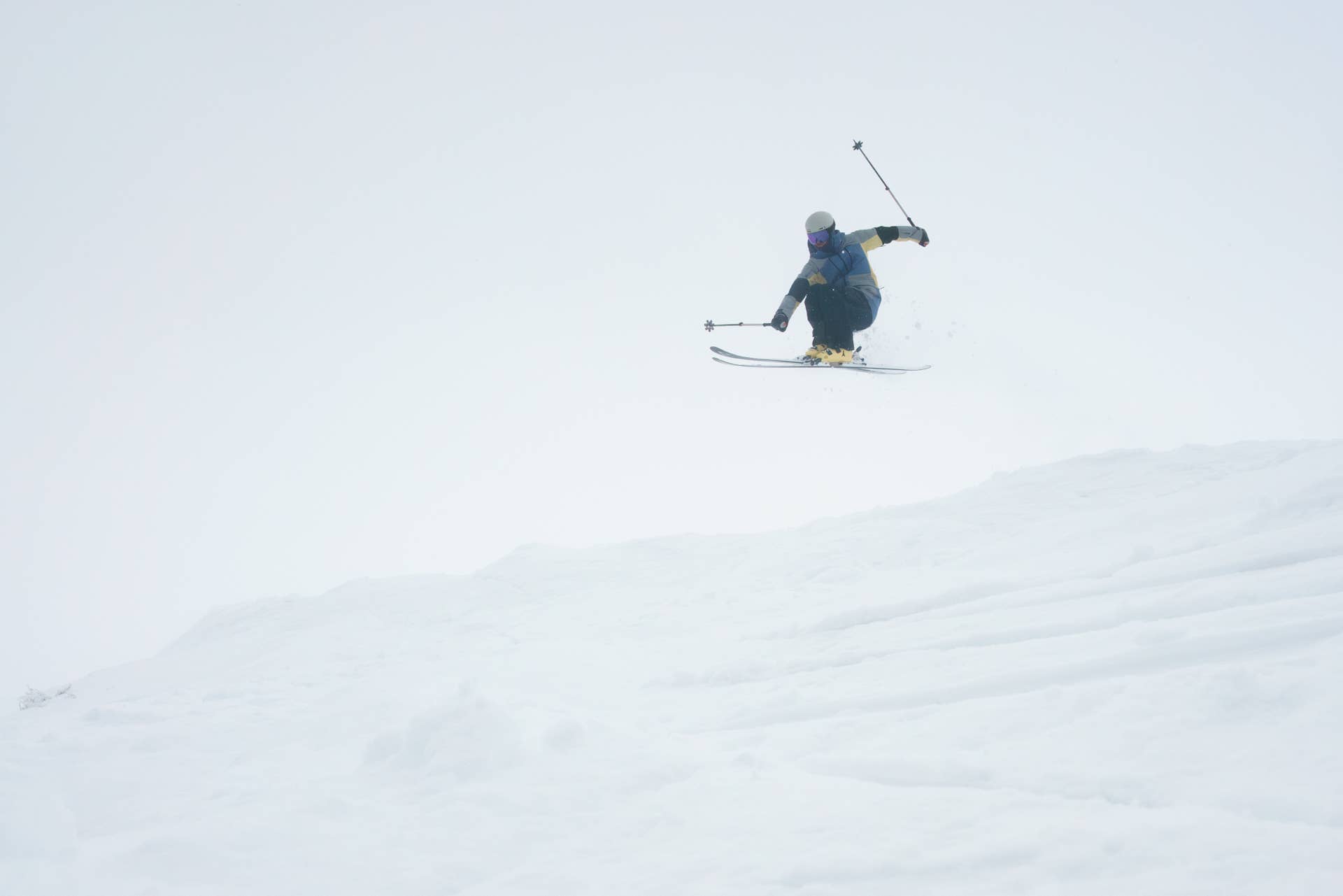
Fischer decided to throw all that out the window when they released the aptly-named “Nothing,” which came with minimal background information. Was it a silly marketing play? Sure. But the idea behind it is nice. After buying a ski, expectations matter almost as much as the ski itself. Is it hard-charging, playful, or adaptable? With those descriptors in mind, maybe we subconsciously use the ski how we think we’re supposed to. By getting rid of them entirely, there’s a bit more room for the operator to author their own relationship with a ski.
Or, as Fischer put it, “The ski doesn’t need to tell you how it should ski. It’s waiting to be told, by you. It’s based on the feeling of the rider with no predetermined information.”
Related: Review: Fischer’s Super-Secret Freeride Ski
Electric Skis Are Taking Off
It was bound to happen, eventually, but battery-powered skis are having a moment. Right now, there are at least two companies claiming to have the “world’s first electric skis.” I don’t plan on litigating that claim. But this much is true: if you’ve wondered what would happen if someone ran an electric current through some planks, you don’t have to wonder anymore. The future is now.
Each product fits a different niche. The E-Skimo is a lot like an e-bike. It has a track that flips on during the uphill section of an alpine tour, making it easier to climb up the mountain. The E-XC is a funky hybrid of skis and snowmobiles, with big rear treads that cruise as fast as 20 miles per hour. And the Skwheel is for those interested in skiing year-round, marrying skis, rollerblades, and motors with entertaining-looking results.
Related: A “Remarkable” Ski Season: How Banff Beat the Odds and Saw Powder Days Aplenty