Published May 26, 2026 07:37AM
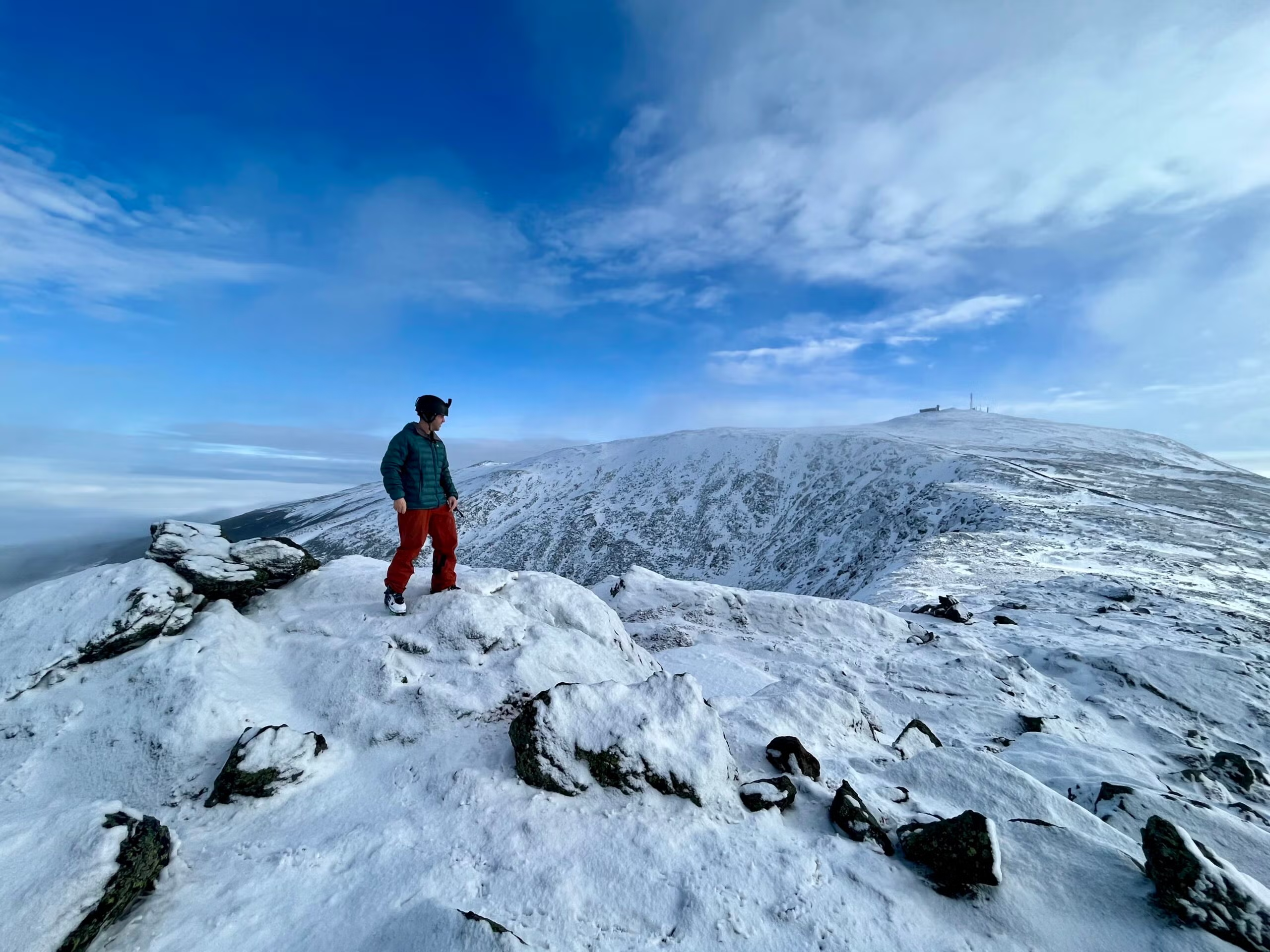
It was a beautiful, sunny day—minimal winds above tree line and a healthy blanket of snow for this time of the year in N.H.’s White Mountains. The Northeastern ski season was off to a great start and I was nearing 10 days on skis by December 9.
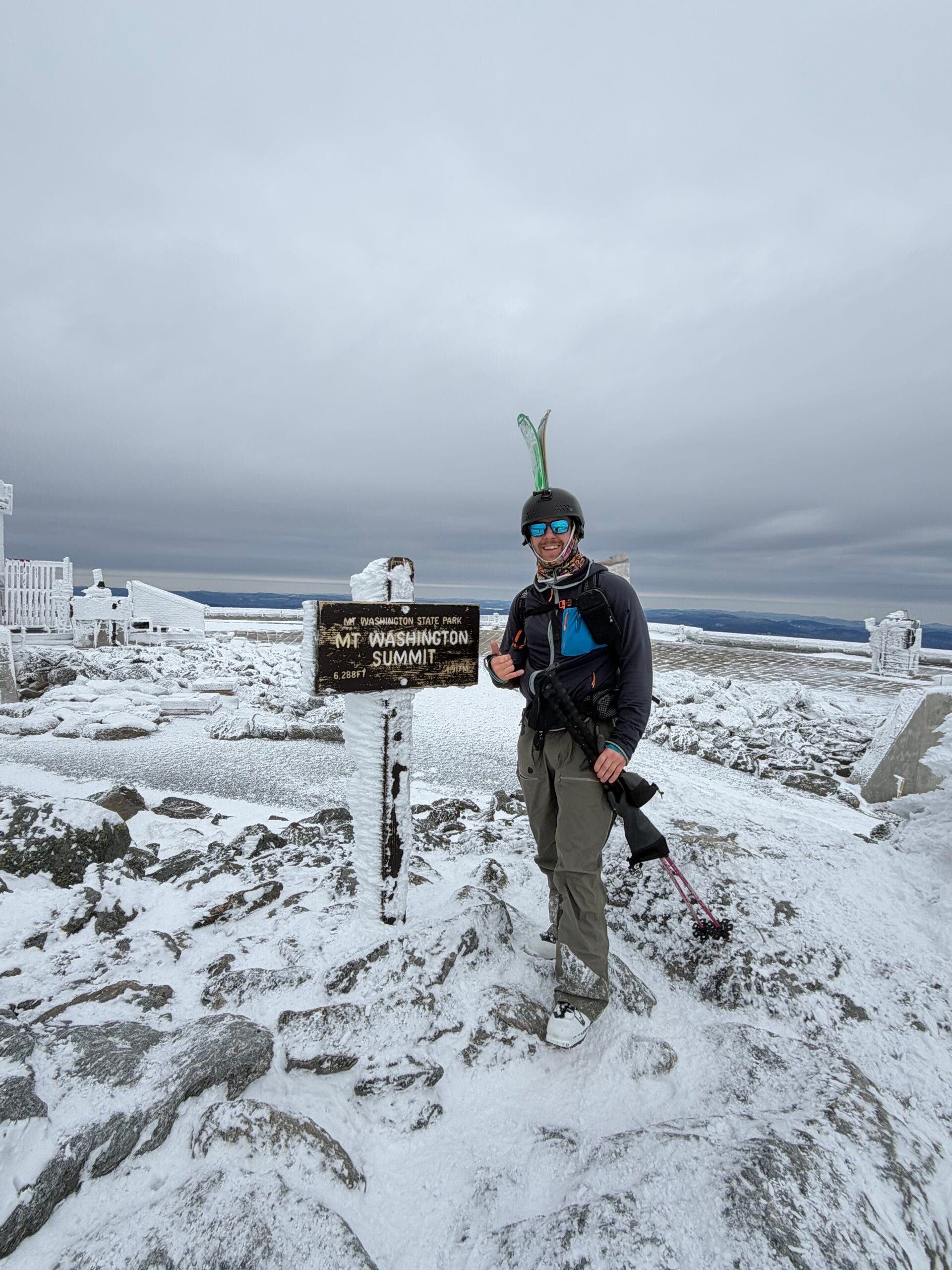
The day’s objective was to get eyes on the snowpack in the Great Gulf Wilderness, a remote area of the White Mountains that boasts some of the region’s steeper, more varied terrain, to see how things were filling in. We had talked about summiting Mount Washington and skiing down the classic Cog Railway trail to end the day.
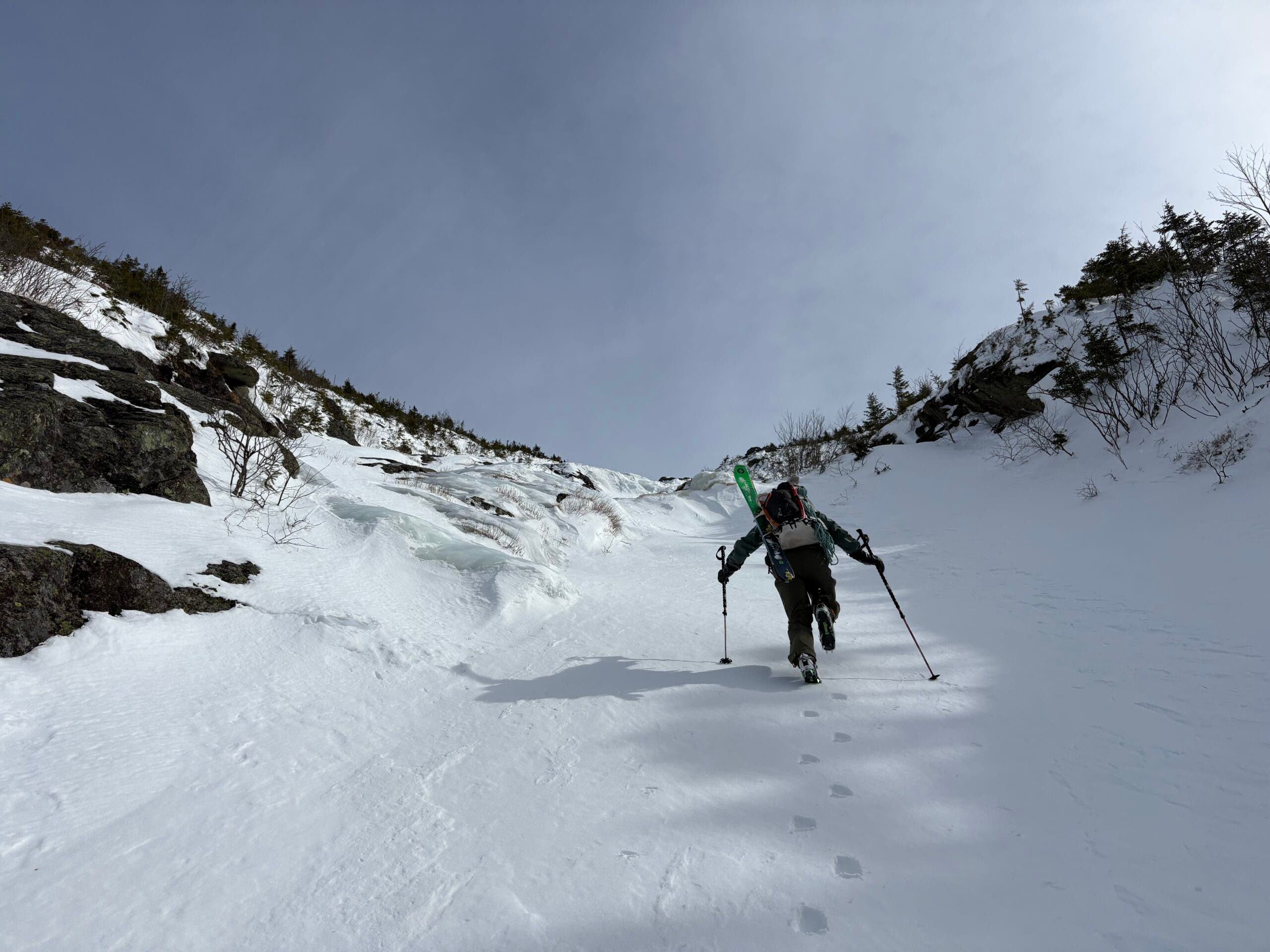
When I arrived at the top of Airplane Gully in December of 2023, it was surprisingly filled in. A classic in the northern Presidentials, Airplane Gully’s often-corniced entrance drops into an open snowfield before funneling you into a steep, rock-lined gully. On a good year, you can ski all the way to Spaulding Lake, making it one of the longer runs in the White Mountains.
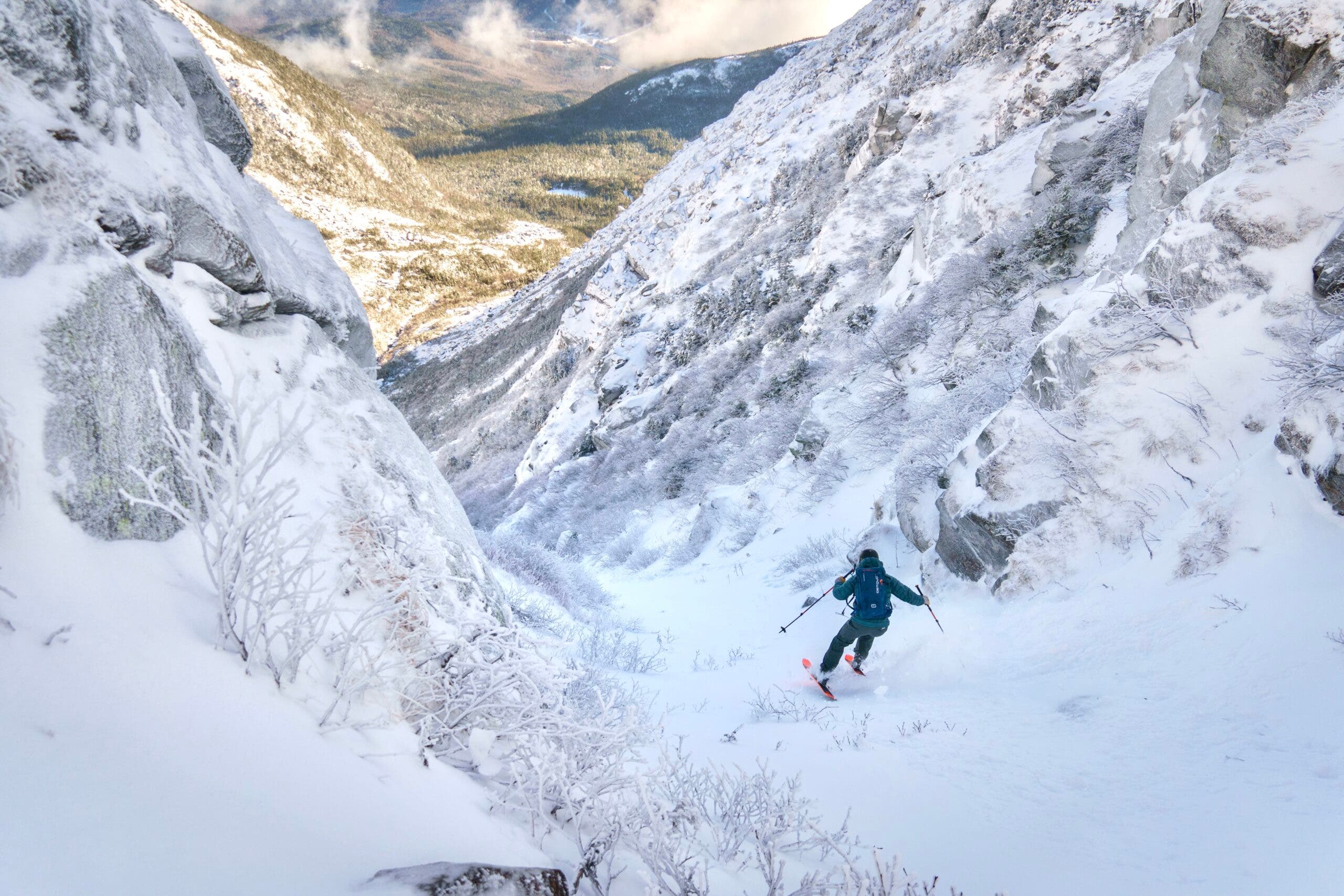
My touring partner and I did some snow pit tests and discussed our options. Out of nowhere a lone skier appeared, questioned us, and dropped in. We waited for him to hike up and out of the line, then asked how it was before making the decision to drop in ourselves.
This choice would change the next few years of my life. I made about five turns before the snow gave way beneath my feet. It all happened so fast, almost instantaneously. Before I knew it, I was barreling down the gut of the line, gaining speed, tossing and turning, fighting to escape the avalanche that had broken off. However, there would be no escaping this one. Having skied this line many times before, I knew chances were high I’d soon be launched off some small cliffs or directly into a rock buttress.
I fought for my life, trying to stay on top of the debris as best I could. It was fruitless. I was at the mercy of the snow and the mountain. I slid for what felt like an eternity. When I came to rest, I was shocked that I was alive. In fact, I’d remained conscious the entire time. Then I realized my left ski failed to release. My leg was twisted 180 degrees and I could see the blood pooling in my snowpants. I immediately radio’d to my partner: “Compound fracture, lots of blood.”
The next several hours were a blur. My touring partner and the lone skier we’d met earlier came to my aid and cut open my snowpants. I could see a sliver of bone protruding from my shin. “I’m going to bleed out up here,” I thought.
Between my touring partner and I, we had an abundance of medical supplies. Acting quickly, we applied a tourniquet, got the bleeding under control, removed my ski, and bundled me up in an emergency bivy and puffy jackets. Our medical training—I have my Wilderness First Responder certification and my partner had an EMT course under his belt— paid off. It was a long 4.5-hour wait for the N.H. Air National Guard to reach me in a Blackhawk. I was short-hauled, transferred to an ambulance, and rushed to the state’s only Level 1 trauma center.
The pain was some of the worst I had ever experienced. There’s nothing like seeing your lower leg dangling with a ski boot still on. I spent 13 days in the hospital undergoing three major operations in an attempt to save my leg.
Those were dark days. I had effectively ended a 27-year skiing career. The one thing I enjoyed so much almost killed me. How could one of my favorite places in the world be so thrilling and beautiful, yet so traumatically dangerous?
I was sent home on crutches, with a rod holding my leg together and little hope of having an athletic future. It went from bad to worse when, seven months after my first set of major surgeries, it was determined the bone graft had failed. My leg was still in two pieces, being held together only by the rod.
This news was shocking: Nine months post-accident, I was essentially back at where I started. My case was now considered “limb salvage.” My old identity was fading as I started researching prosthetics and amputations. The life I once knew, filled with long hikes, rock climbing, and big backcountry ski tours, turned into a non-weight bearing, post-surgical waiting game. I was soon scheduled for surgery number six—bone grafting, rod exchange, and plating my non-union fibula. If this surgery didn’t work, my options were becoming limited.
Time slowly passed by as life carried on. My friends kept skiing, the seasons kept changing, and my leg seemed to be stagnating. Then, at a follow-up appointment nearly a year and a half post-accident, the x-rays revealed a miracle: The bone graft was working! My fibula was also showing signs of healing. It was game time!
I was cleared for full weight bearing, so I started hitting the gym as often as possible. Throughout this whole ordeal I had been in PT the entire time, trying every exercise I could to get myself back to baseline.
I learned a lot about myself during those months. Questioning my purpose, trying to determine what my future trajectory would be. Despite all the pain and suffering this accident had caused, at the end of the day, I still wanted to get out and ski. I still wanted to continue guiding and instructing in the backcountry. I set goals for myself and I worked really hard to achieve those goals.
I finally clicked back into skis again for the first time since the injury in February 2025. Over the next two months, I steadily progressed from skinning laps at my local ski resort to hitting some backcountry in the White Mountains. It was nostalgic. I planned a trip to Montana and did some incredible skiing in the Beartooths. Then, in spring of 2025, I went out to Washington and skied off the summit of Mount Rainier and Mount Baker, two mountains I had ridden several times before my accident.
I slowly found my rhythm through all the darkness. I fought my way back and overcame the chronic pain and traumatic thoughts of potential amputation. In 2026 I began ski guiding again on Mount Washington, and this spring, after almost three years of painful growth, I jumped off the cornice in Airplane Gully and skied the line fast and hard, just like I used to.