Published June 5, 2026 08:09AM
For the last two decades, the biggest conversation in skiing has been about access. More specifically, multi-resort passes like the Epic and Ikon, and the role they played in getting people to the mountains.
These season passes effectively reshaped how people planned their ski seasons. When it was clear that it was working, competitors introduced their own products, like the Indy Pass, the Mountain Collective, and now the brand-new Snow Pass. Passes got bigger, networks got broader and grew to include far-flung ski areas in the Alps, Japan, Australia, and South America. Eventually, what was once a collection of disparate resorts separated by mountain ranges, state lines, and even oceans have increasingly become an interconnected ecosystem.
But according to Vail Resorts CEO Rob Katz, that era is beginning to mature, and what comes next may prove even more consequential.
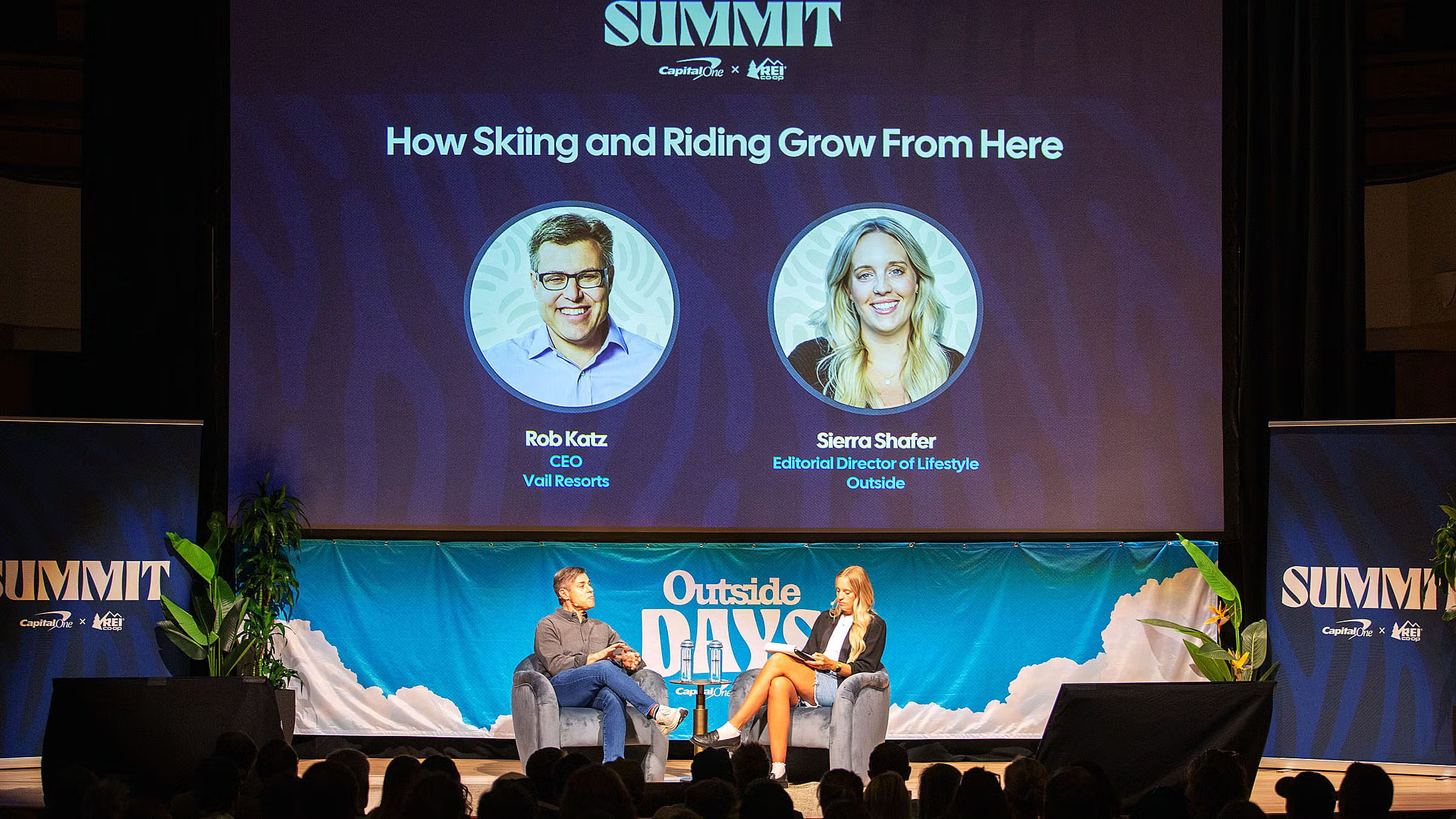
“The focus has to be on the experience people are having rather than necessarily access,” Katz said during a recent conversation about the future of skiing at The Summit industry conference at Denver’s Outside Days festival. “The pass stability is critical, and I’m glad we had it, but I think as we look forward, it has to be different.”
That’s a noteworthy shift coming from the man who’s largely considered to be responsible for introducing the modern multi-pass—and changing skiing as we knew it. It also hints at the question that many skiers have been grappling with over the last couple years: Can skiing continue to grow without sacrificing the very things people love about it?
Since the multi-passes have brought the cost of skiing down, the question has become how to keep skiing accessible to more people while still managing the crowds that it draws. After all, most skiers want the sport to thrive. We want more people to discover the joy of sliding downhill, floating through powder, and spending time outside with family and friends.
On the flip side, we’re over the traffic, the crowded parking lots, and long lift lines. It’s an obvious contradiction: Everyone wants the sport to grow, but no one wants it to personally affect their experience.
Katz doesn’t dismiss these concerns. But he also doesn’t believe the solution is to make skiing more exclusive.
“When people tell me we should charge more, or add more blackout dates, I always ask: Who is it that should go home and not get a chance to be on the mountain?”
Instead, he argues that the industry’s next chapter should focus on smoothing out the experience of actually getting on the slopes.
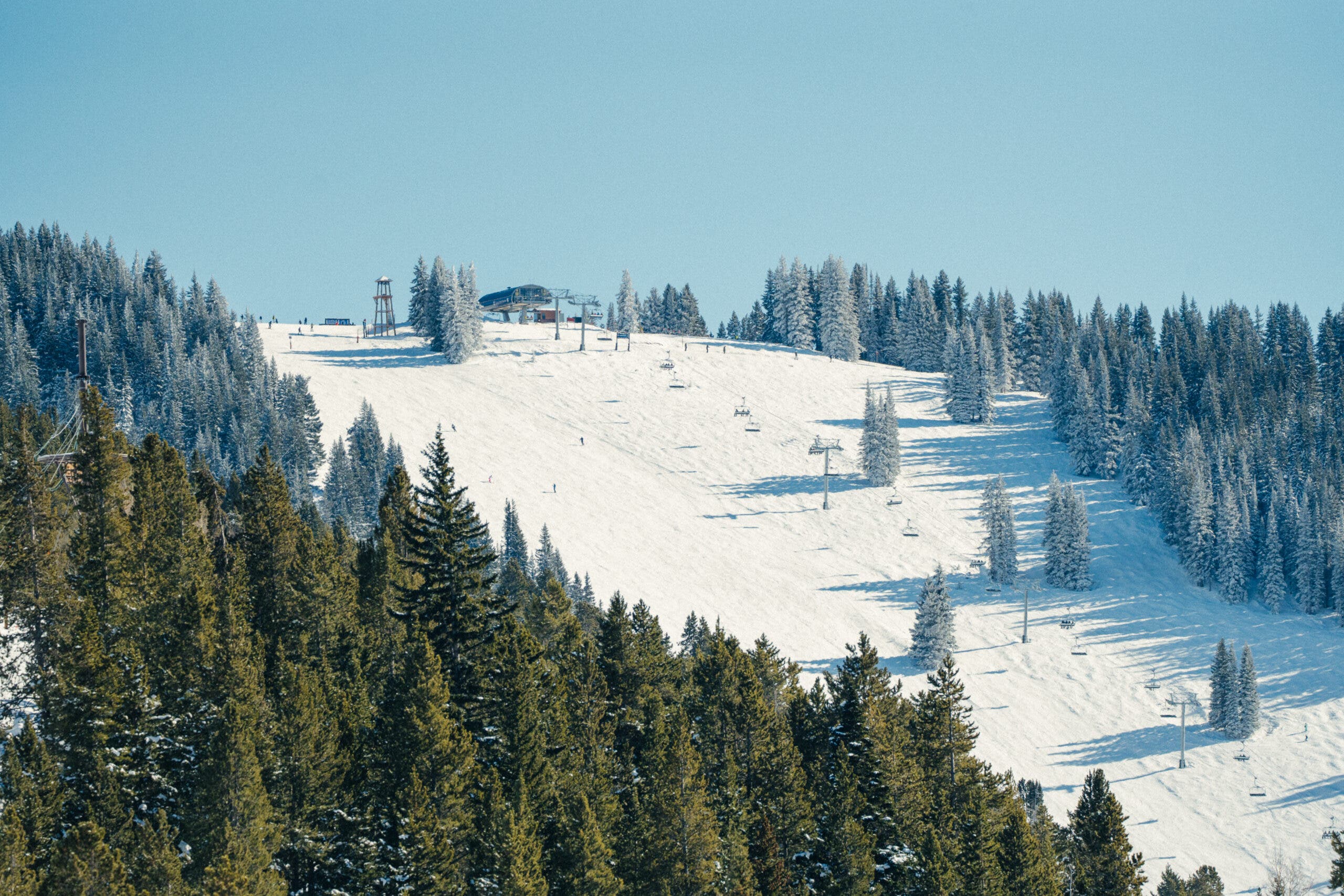
It’s not surprising to anyone who’s skied even once that it’s an arduous process, from making sure you have all the right gear to traveling to the resort to renting ski equipment and getting your lift ticket or season pass. Getting kids ready can feel like a multi-pronged military operation. Logistics threaten to overwhelm newcomers before they set foot on the slopes long enough to actually enjoy themselves.
For longtime skiers, we’re used to it; these hassles have become part of the routine. But for beginners, they can be reasons not to return. Katz believes technology can help solve many of these problems, but not by bringing more screens onto the mountain. The Vail CEO wants to employ technology to simplify everything.
He points to gear as one example. While the idea may sound downright sacrilegious to passionate skiers, Katz says that many casual participants would be better served by seamless access to high-quality equipment than by owning gear that spends most of the year collecting dust in a garage. Similarly, he sees opportunities to eliminate bottlenecks throughout the resort experience—from rentals to parking to lift lines—using technology, data, and better operational systems.
He’s clear about one thing, though: The goal isn’t to digitize skiing. Rather, it’s to remove the minor hassles and annoyances that keep people from enjoying it.
“We’re not digitizing that experience,” he said of the on-mountain product. “The human element of the mountain is so important.”
It’s that distinction which may ultimately determine whether skiers embrace the future he’s envisioning, because what people love most about skiing isn’t efficiency—it’s connection. It’s the chairlift conversations, the shared joy of powder days, the friendships, and the sense of identity that form around winters spent in the mountains.
Katz returned to that idea repeatedly throughout the conversation. According to the longtime skier, the sport’s greatest strength isn’t its infrastructure or business model. It’s the fact that people don’t simply participate in the sport—they build parts of their lives around it.
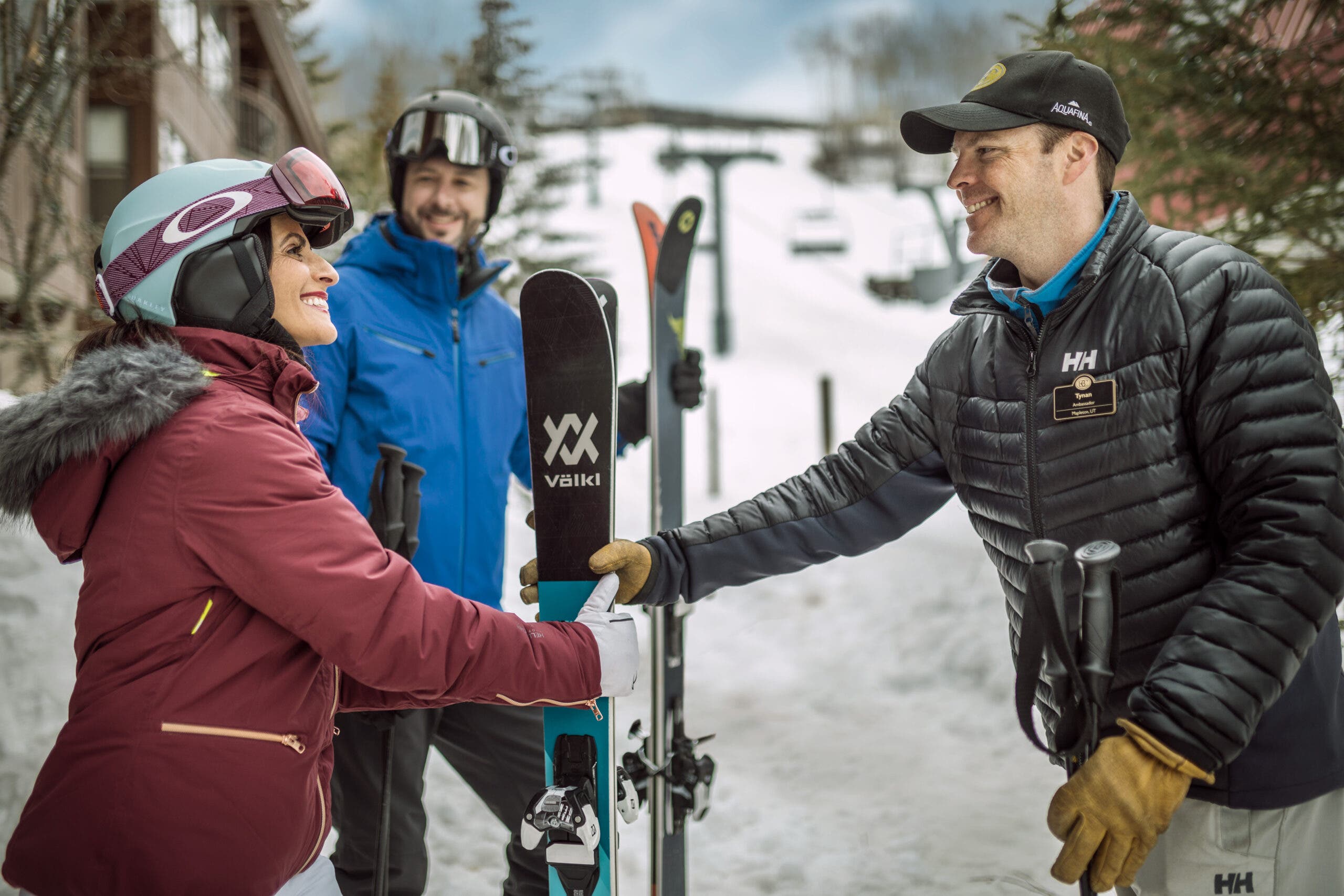
“People don’t say that about a lot of vacation activities,” he said. “They say, ‘I’m a skier. I’m a snowboarder.’”
That sense of identity may be why Katz remains optimistic about skiing’s future despite challenges ranging from crowding to climate uncertainty.
He believes the next generation can be brought into the sport, but doing so will require meeting them where they are. That means embracing social media, influencer culture, and technology-driven discovery while still preserving the authentic outdoor experience that draws people to skiing in the first place.
It also means addressing some uncomfortable truths about ski culture itself.
Katz acknowledged that skiing can be cliquey and intimidating for newcomers. The industry spends plenty of time talking about accessibility, but not always enough time examining how the sport treats beginners.
“The Jerry of the Day stuff that we all see out there,” said Katz. “It’s funny unless you’re the person on the other side.”
At the end of the day, the community needs to become more welcoming if we want to broaden participation, Katz asserts, and that may prove a bigger challenge than improving the gear rental process or shortening lift lines—technology can reduce friction, but it can’t create belonging.
Perhaps that’s the real question facing skiing’s next era.
The pass wars largely accomplished what they set out to do, creating more financial stability for the resort, encouraging return visits, and making the sport more affordable. Now it’s time for the next pivot: Turning enthusiasts into lifelong participants. Turning “people who ski” into “skiers.”
“There have been a lot of moments where people have doubted this sport,” said Katz. “I’ve skied since the ’70s, and I’ve been involved from a business perspective since the early 90s. What gives me a lot of optimism is the passion that is involved. The people are so passionate.”