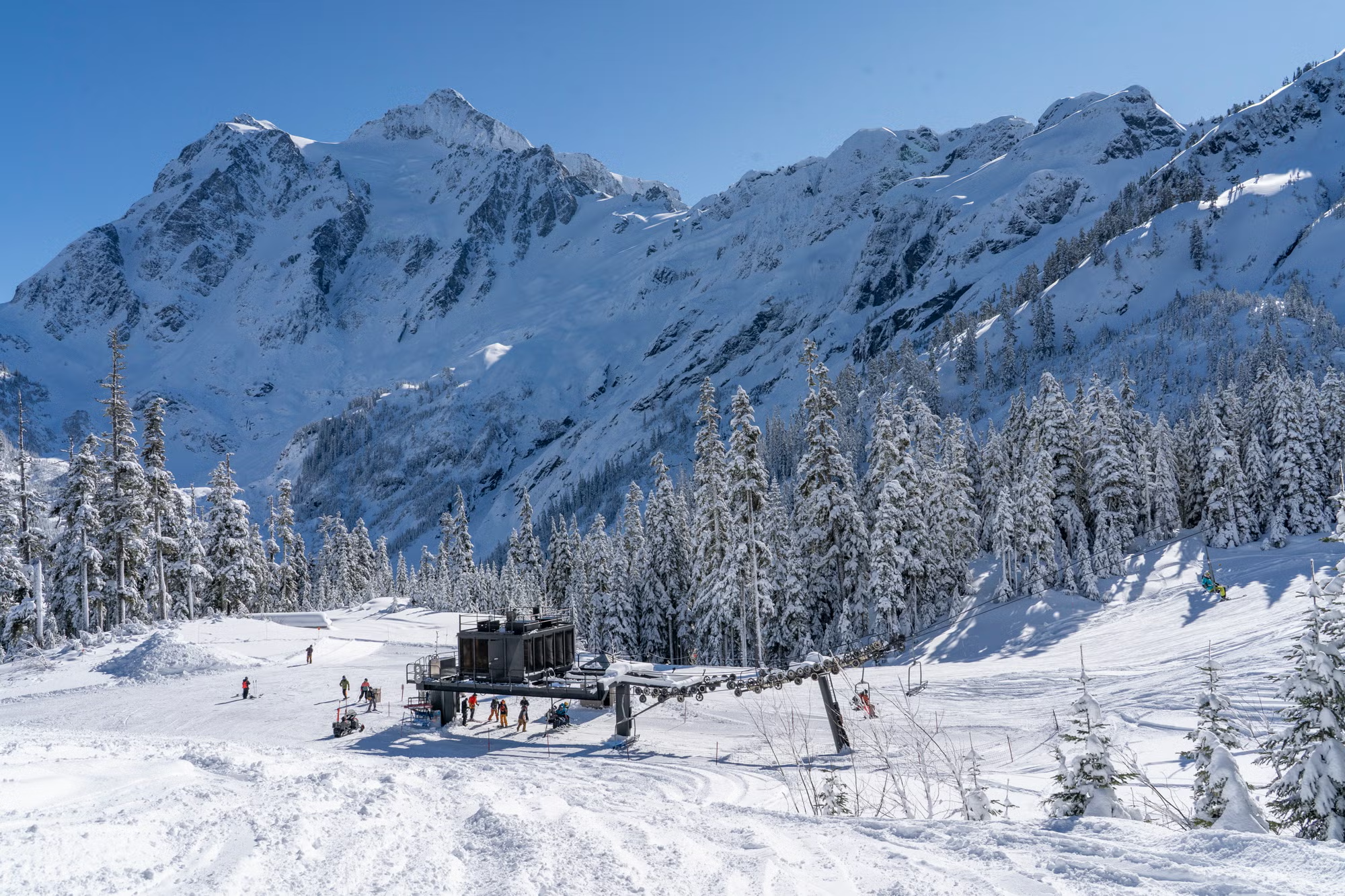
Mt. Baker Ski Area gets double the snow of most North American ski resorts, yet remains largely overlooked.
(Photo: MBSA | Janus Kober)
Published July 21, 2026 01:20PM
Mt. Baker Ski Area is completely off the grid, literally and figuratively.
In the literal sense: Tucked deep within Washington State’s national forest, far from the electrical grid, the ski area generates its own power, collects its own water, and manages its own wastewater.
Baker is culturally off-the-grid, too. It doesn’t advertise, partner with collectives, or join mega pass programs. If you want to ski at Baker, you have to buy your lift ticket in person on the day you plan to ski. A wire wicket attaches the printed ticket to your jacket. Old-school.
“We’re not a ski resort. We’re a ski area. We don’t sell purses or shoes, and you can’t get a pedicure or manicure here,” said former CEO Gwyn Howat.
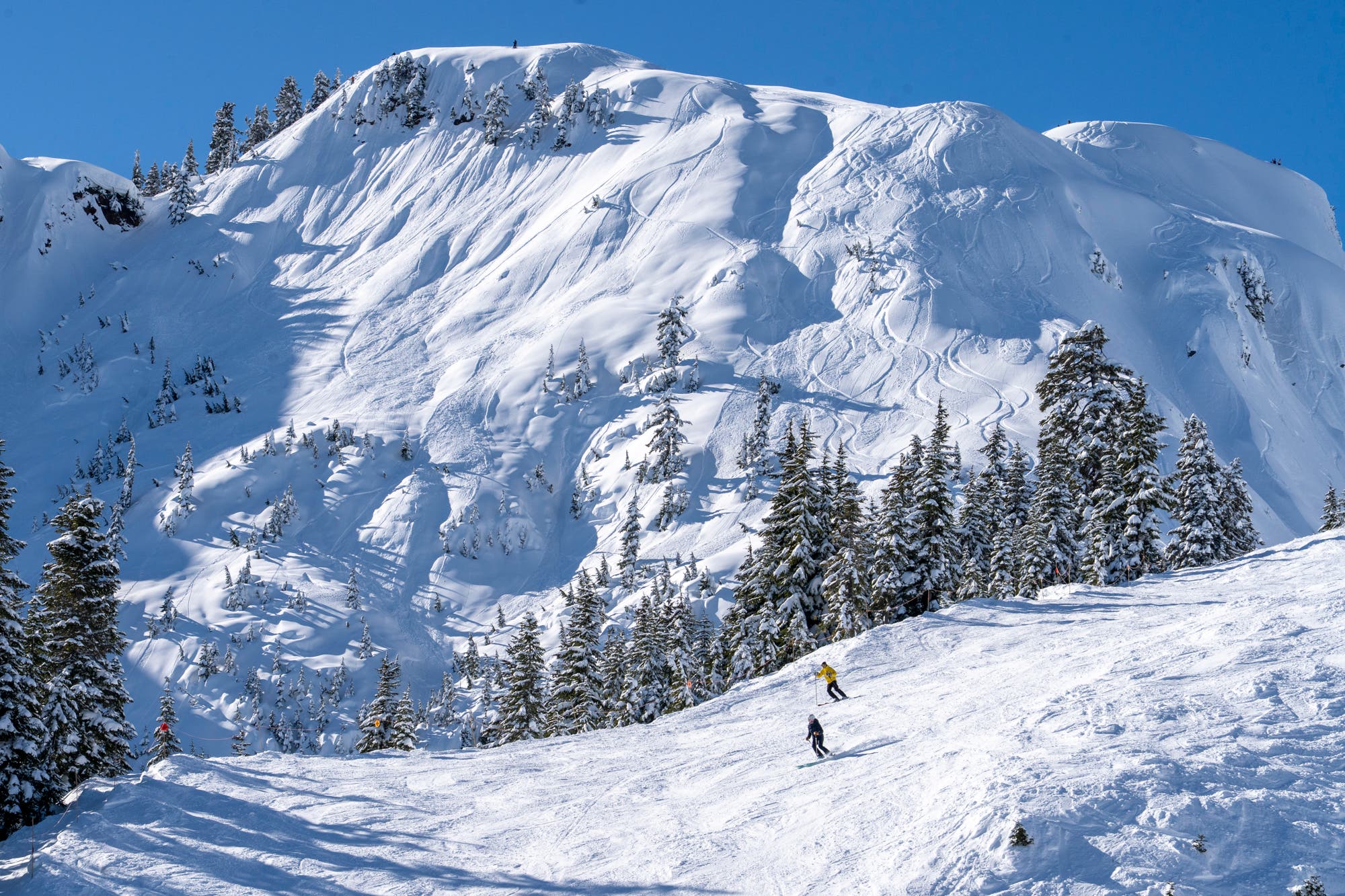
Mt. Baker’s unique mode of operation is the result of its owners; the ski area has been owned and operated by local families since 1953, a rarity in an era of corporate consolidation.
Keep Reading: We Drove an RV 1,800 Miles in Search of Canada’s Last Great Ski Hills
I didn’t know any of this ahead of my first visit, but I felt it. You won’t find TVs in the three lodges, and cell service is a new addition, but you will find resident lodge cats. And while the ski area has all the essentials — rentals, lessons, food — most people bring their own gear and opt to après in the parking lot.
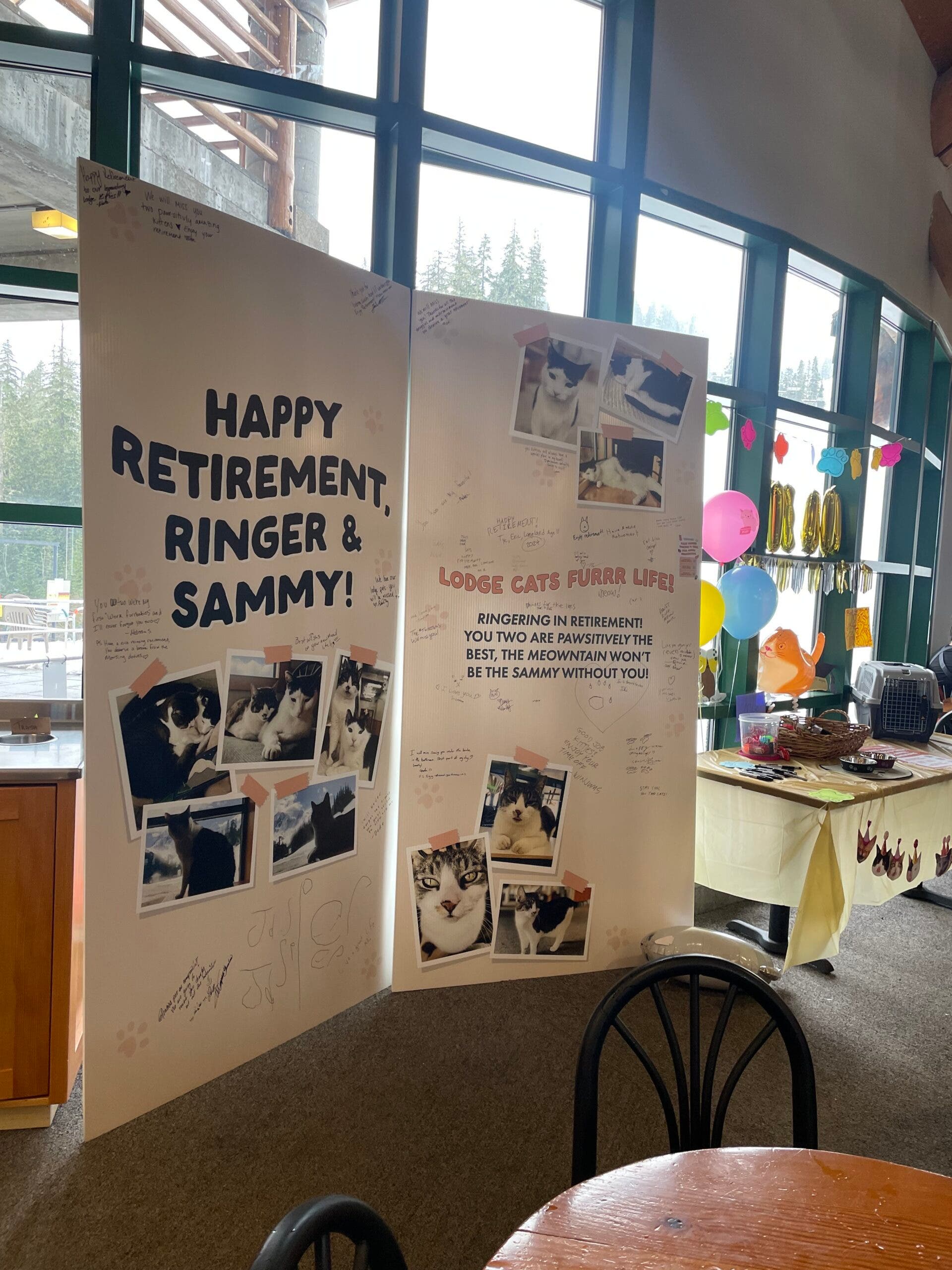
People don’t come to Baker to après; they come to ski.
The long trip is often worth it; Baker often receives twice as much snow as most U.S. ski resorts. In a typical year, Mt. Baker Ski Area gets 688 inches of natural snowfall; during the historic 1998-’99 ski season, Mt. Baker set the world snowfall record with 1,140 inches.
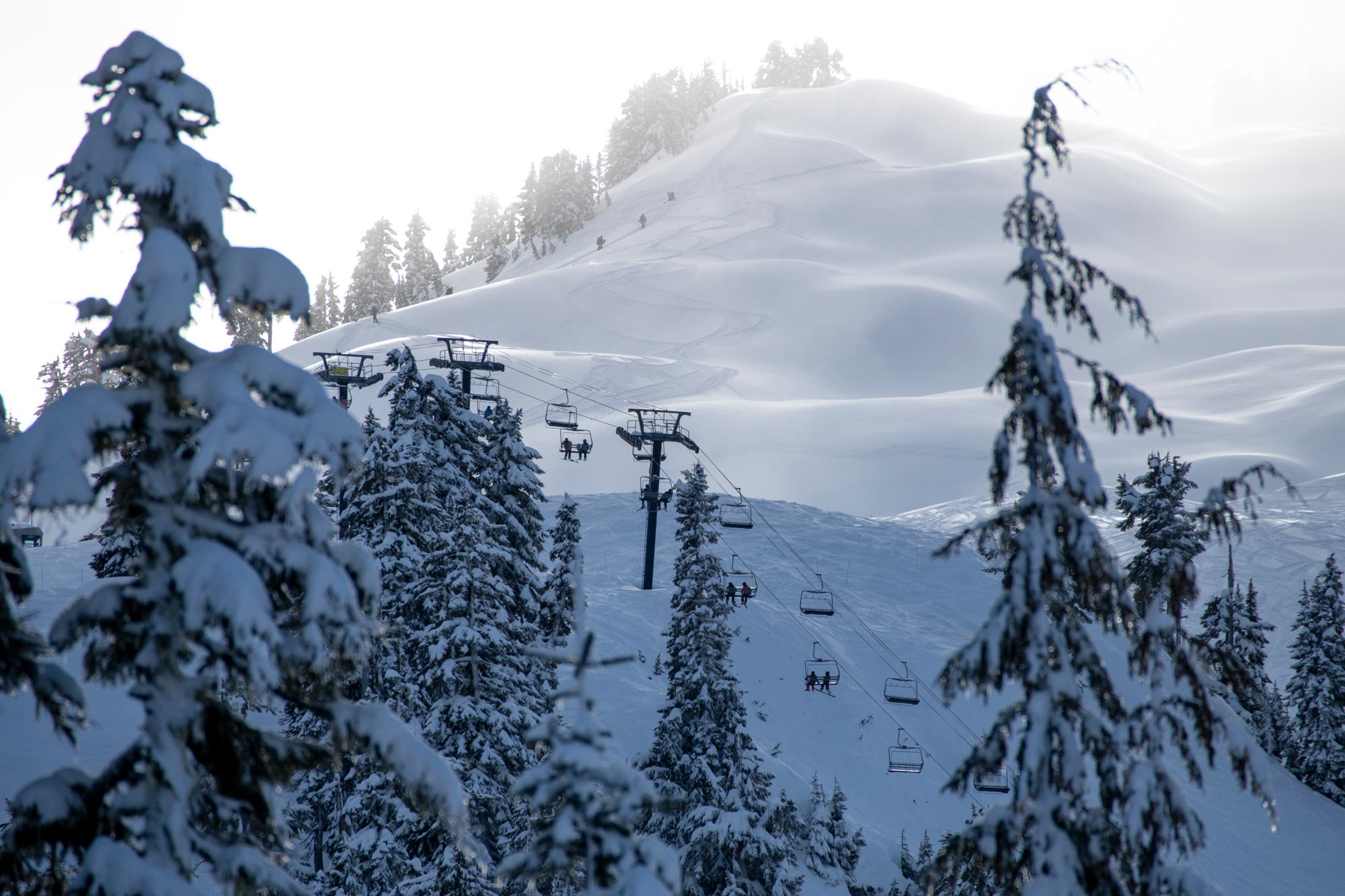
There’s no snowmaking at Mt. Baker, and it’s not missed. Due to its position, just 30 miles as the crow flies from the Pacific Ocean, skiers get reliably dense, wet snow. Sierra cement at its finest.
From the coastal town of Bellingham, Washington, the nearest major city, Mt. Baker Ski Area is 90 minutes on winding, primarily two-lane roads. The road ends at the ski area, which is tucked between a glaciated massif and an active glacier-covered stratovolcano. The end-of-the-road setting helps keep the crowds at bay.
“The scenery and the ruggedness of the mountains that surround us and the variety of the geology are very interesting. From volcanoes to uplifted rugged mountains — and that lends itself to intense terrain,” said Howat.
When Does a Ski Pass Pay for Itself? We Calculated the Break-Even Point.
For that reason, arriving at Mt. Baker Ski Area feels almost mythical. It sits within an ancient mountain landscape where lodge cats and lifers guard camped out in vans in the parking lot. The chairlifts are slower, and the locals are more prone to don duct-tape-patched gear than the latest Arc’teryx jacket. Even the skiing feels like a return to an earlier era: fewer groomers, no artificial snow, and a need to adapt to whatever the mountain throws at you.
Baker remains, even in 2026, a place where skiing is about actually skiing. You come for the snow, the terrain, the notoriety; you return because Baker is one of the few places that hasn’t been smoothed out for mass consumption.
For anyone searching for a reminder of what skiing used to feel like, Mt. Baker is waiting.