Published August 29, 2026 06:00AM
There’s no shortage of ski runs that look terrifying from the top. Knowing a run is hard is one thing; knowing what you’re actually getting yourself into is another.
In this guide, we’re going beyond bragging rights. Here’s what to expect on six of North America’s most challenging runs, including how to approach the terrain, and what type of skis you’ll want underfoot when it’s time to drop in.
Banana Chute, Crested Butte, Colo.
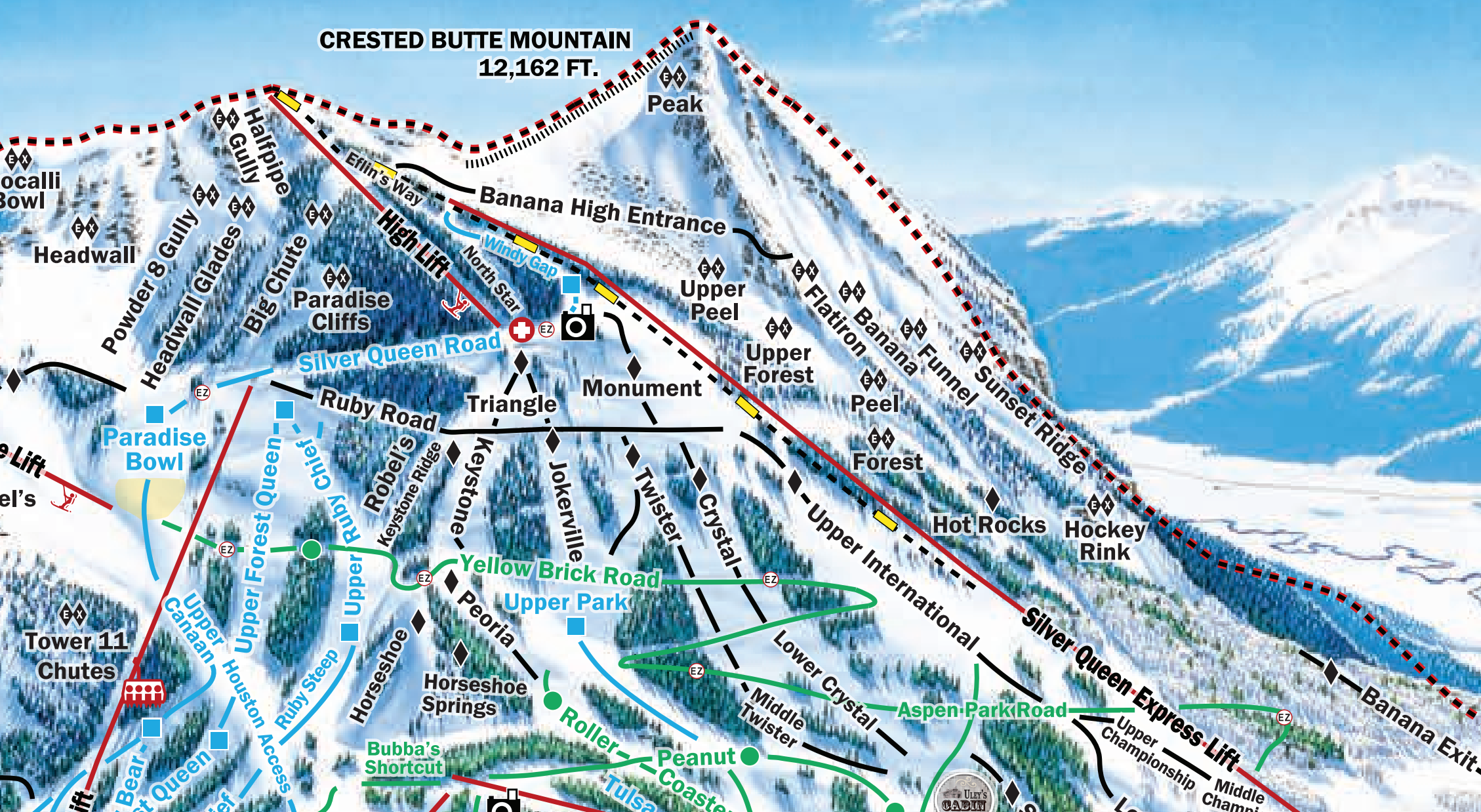
There are plenty of intimidating ski runs you can brag about skiing. Banana Chute offers something even better: proof. From town, you can look up at the hulking face of Crested Butte and point directly at it and say: “I skied that.”
Banana drops from nearly 11,000 feet and descends roughly 3,000 vertical feet down the mountain’s west face. Its namesake curve gives it a steady pitch from top to bottom, and when the snow is right, it delivers some of Crested Butte’s best skiing. When it’s not, it can feel like skiing over a rock garden.
What to Expect
Banana Chute has two entrances, from the High Lift mid-station or below the top of Silver Queen. Expect rocks up top, then a steep, sustained descent that gradually funnels into a narrow choke. Look for protected snow on the left side of the main bowl, and keep your speed in check as the terrain tightens. The lower section is filled with small evergreens with a knack for grabbing ski tips before the run finally opens into the Hockey Rink.
Best Skis for the Terrain
Bring relatively wide, soft skis, but don’t go too long. You’ll want something easy to pivot in the choke.
KT-22, Palisades Tahoe, Calif.
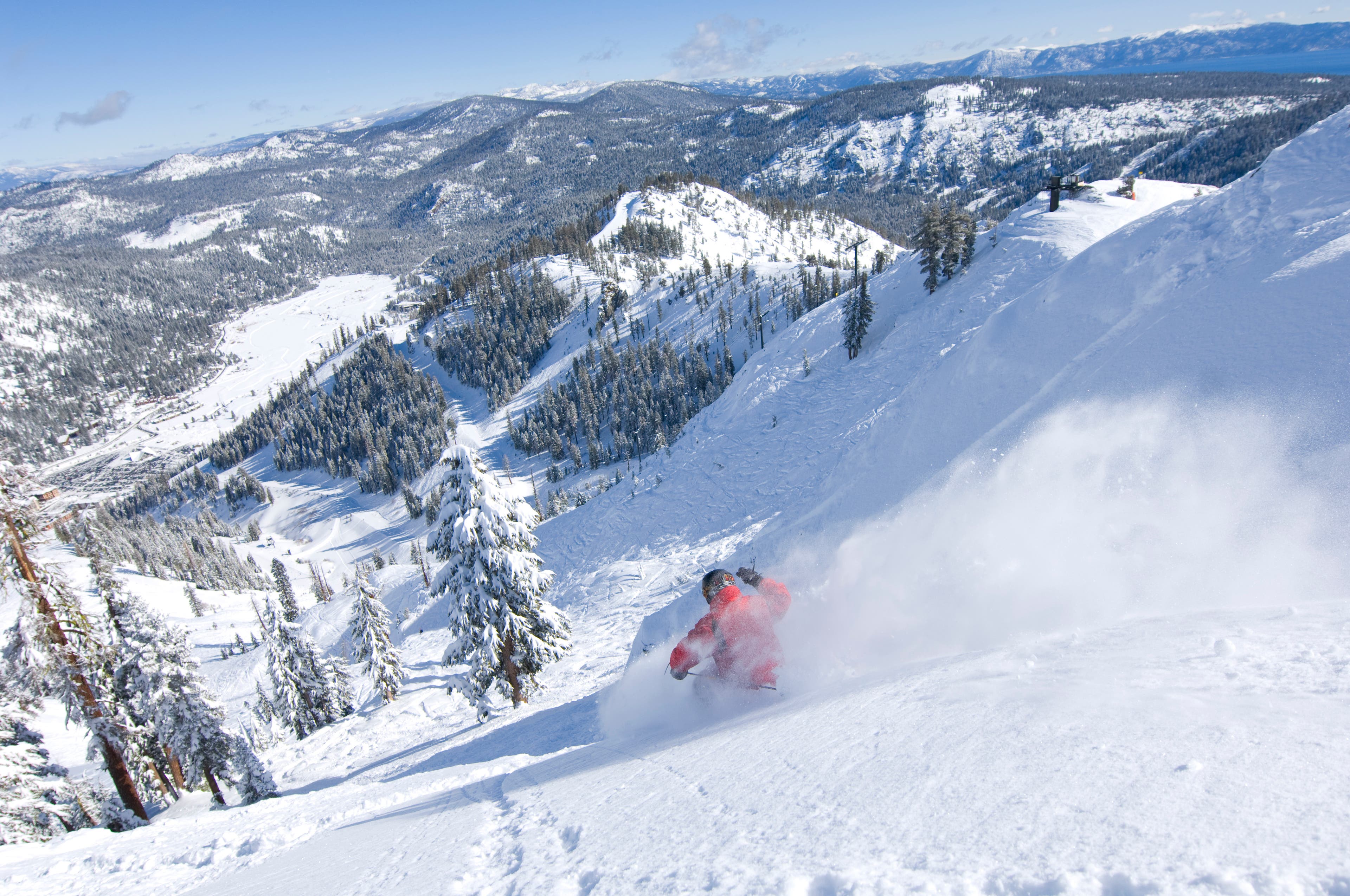
KT-22 isn’t a run, it’s an entire face with multiple ways to get yourself into trouble. The 2,000-vertical-foot zone packs cliff bands, chutes, bowls, glades and moguls into one lift-served, experts’ playground.
The name dates to 1946, when Sandy Poulsen, wife of Palisades founder Wayne Poulsen, hiked the 8,200-foot peak and made 22 kick turns on her way down. Today, the powder can disappear quickly, so if you want fresh tracks, take some advice from the locals and set your alarm early.
What to Expect
From the KT-22 chair, the terrain looks intimidating. That’s because it is. A good introduction is to traverse left toward Red Dog Ridge and the trees, where post-storm wind deposits can linger after the obvious powder is gone.
Once you drop in, commit to a rhythm of controlled turns. The terrain rolls from relatively mellow to steep, with plenty of opportunities to let your speed get away from you. Don’t straight-line it. Depending on your confidence, you can work your way toward more consequential terrain—or simply lap the trees until your legs give out.
Best Skis for the Terrain
A mid-fat all-mountain ski is a good starting point. Go wider when the snow is deep, but don’t overdo it; KT-22 rewards a ski that can turn quickly as much as one that can float.
Dave Murray Downhill, Whistler Blackcomb, B.C.
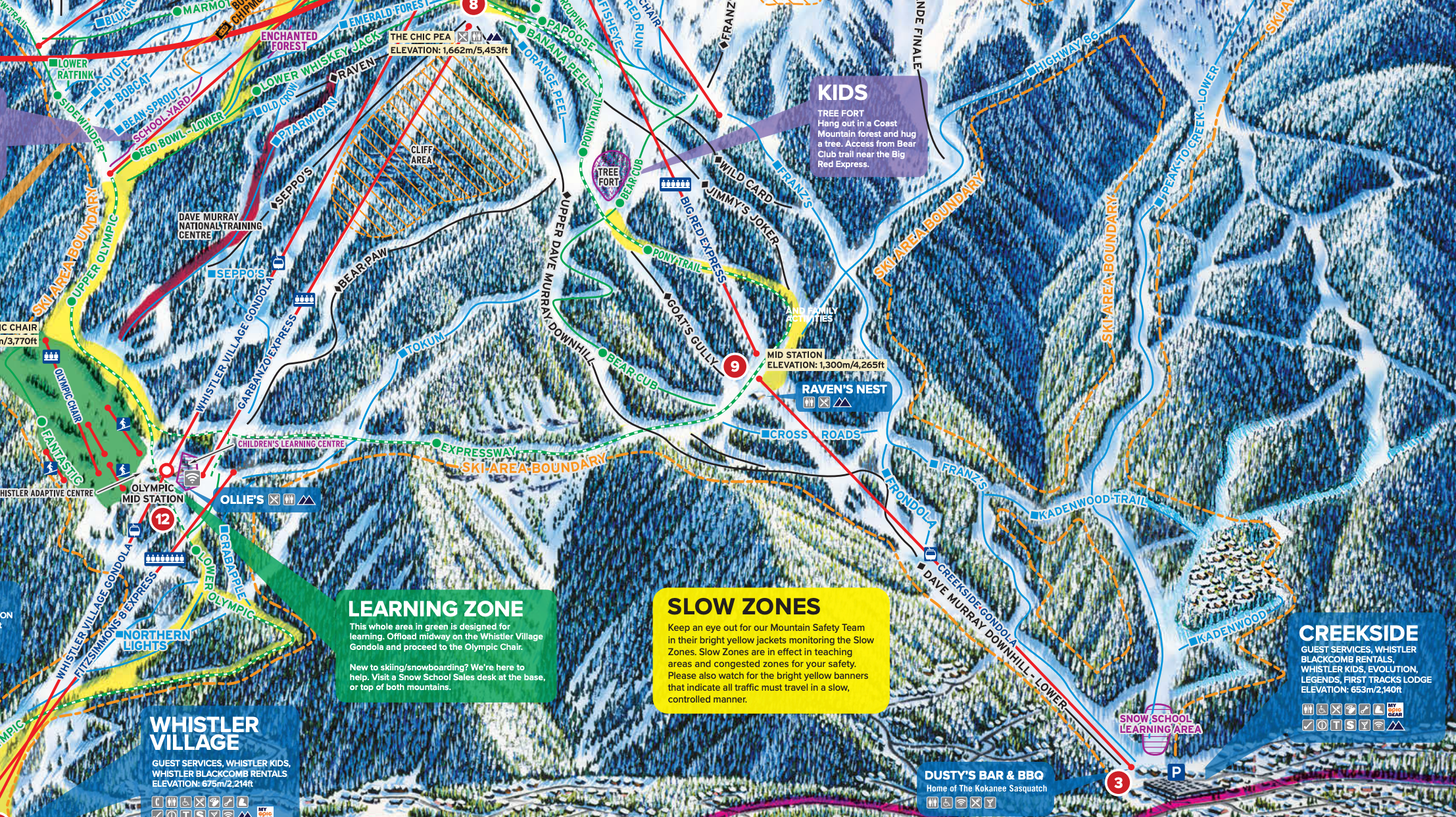
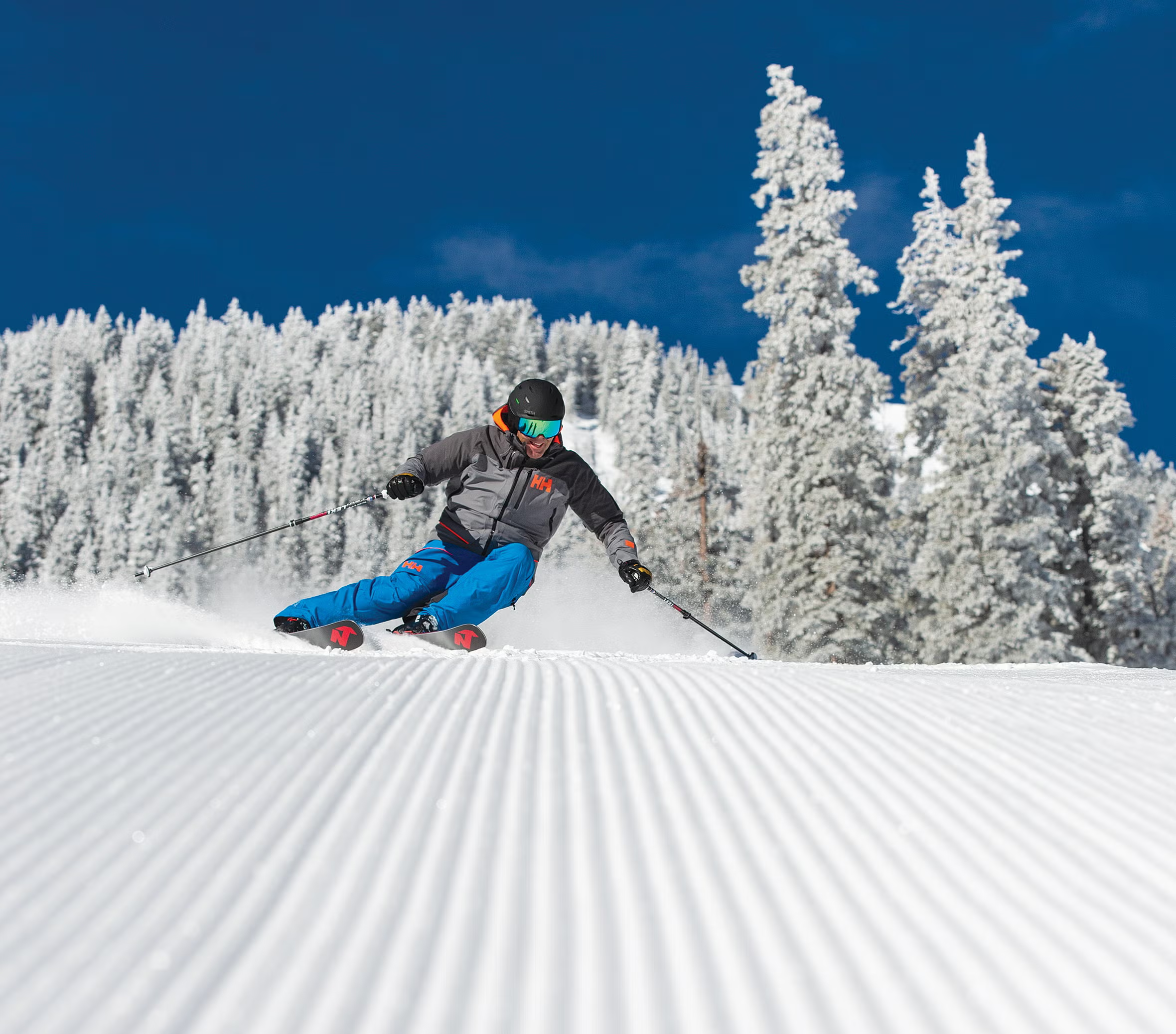
If Banana Chute is about navigating tight terrain, Dave Murray Downhill is about knowing when to let ’er rip. The run drops more than 3,300 vertical feet in just over a mile and a half, making it one of the longest downhill courses in the world. It’s the Autobahn of black diamonds: fast, wide and full of rollers, sweeping turns, and big air.
What to Expect
The run starts fast, with a straight shot over the Double Trouble rollers before sweeping into the Toilet Bowl. Stay low and carve clean turns as the trail narrows. Then comes Weasel, a huge right-hand sweeper, followed by a steep, roughly 45-degree pitch and a big roller that can send you airborne. if you don’t control your speed.
Watch for traffic when crossing Expressway, then stay sharp through Fall Away, where a blind turn can send you into the woods. The lower section gets even faster, with steep pitches, sharp turns and Hot Air, a long, spectacular jump if you’re so inclined. Finish with a straight tuck to the bottom and legs that will feel probably like rubber at that point.
Best Skis for the Terrain
If the run is fully groomed, this is the place for long GS or super-G skis.
Corbet’s Couloir, Jackson Hole, Wyo.
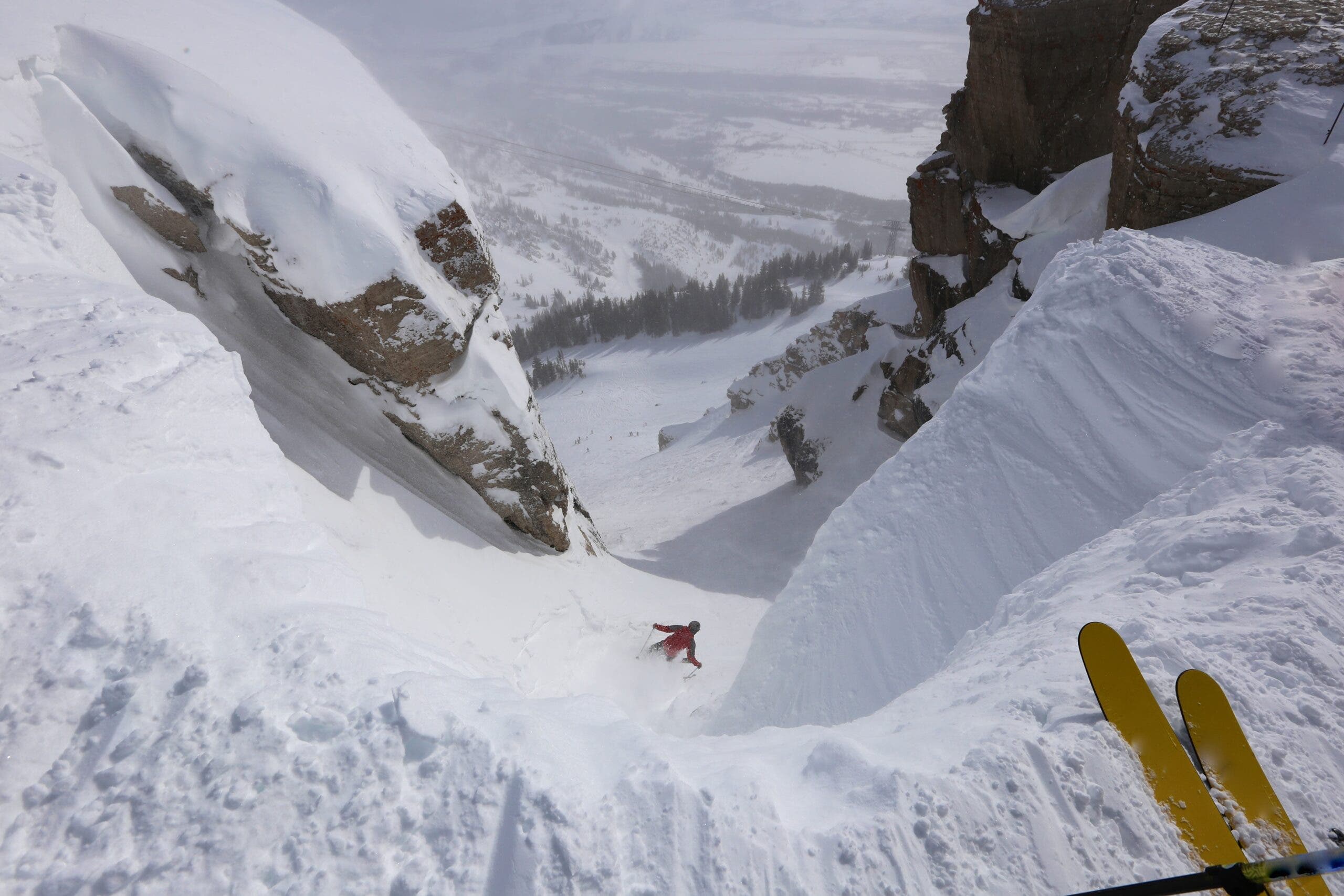
In 1960, Jackson Hole instructor and guide Barry Corbet peered into a terrifying-looking chasm and predicted, “This will be a run. People will ski that.” They did—and the run was eventually named after him.
Corbet’s remains Jackson Hole’s ultimate put-up-or-shut-up line. The skiing is only half the challenge. The other half is convincing yourself to drop in.
What to Expect
The entrance is the whole event. Depending on snowfall, the initial drop can be anywhere from 10 to 30 feet. Once you commit, land with your skis pointed downhill and immediately get balanced. The top can be rutted and bumpy, and you’ll accelerate quickly.
Once you’re through the entrance, breathe. The couloir opens into a broad apron, giving you room to make controlled turns and scrub speed. From there, the pitch gradually eases, though it remains plenty steep. Pick your line based on the snow and your confidence, then enjoy the ride.
Best Skis for the Terrain
Use an all-mountain ski for hard, chalky snow and a powder ski after a storm. A helmet is non-negotiable. There are rocks and debris beneath the snow, and getting thrown into the back seat here is not a great strategy.
Outer Limits, Killington, Vt.
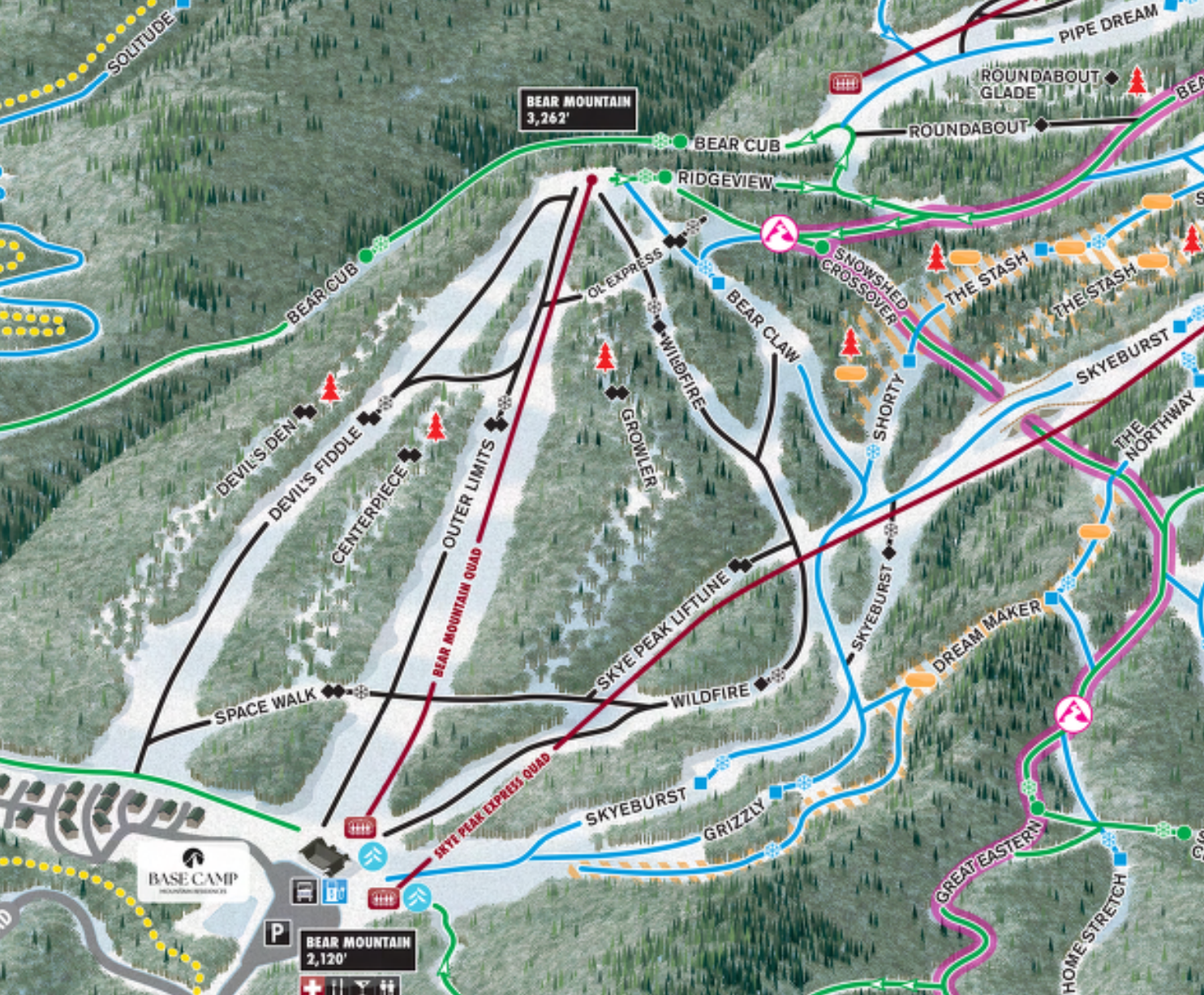
Outer Limits was cut as a potential alpine training hill before the 1980 Olympics and quickly proved too steep for that purpose. Instead, it became something arguably more useful: one of the East’s longest, steepest and most notorious mogul runs.
What to Expect
From the top, choose your poison: the wider line under the chair or the narrower route to the left. Either way, the pitch gets serious quickly. The middle section is the heart of the run, with relentless moguls and very little opportunity to relax. Stay on your game.
Look toward the edges for softer snow, and don’t be afraid to ski it in sections. The lower part actually gets a little easier as the bumps round out and the pitch relaxes. Your thighs, however, may not notice the distinction.
Best Skis for the Terrain
Opt for a relatively short ski without a lot of sidecut, which can hook unexpectedly in irregular bumps. Shorter poles can help keep your movements quick and fluid.
National, Stowe, Vt.
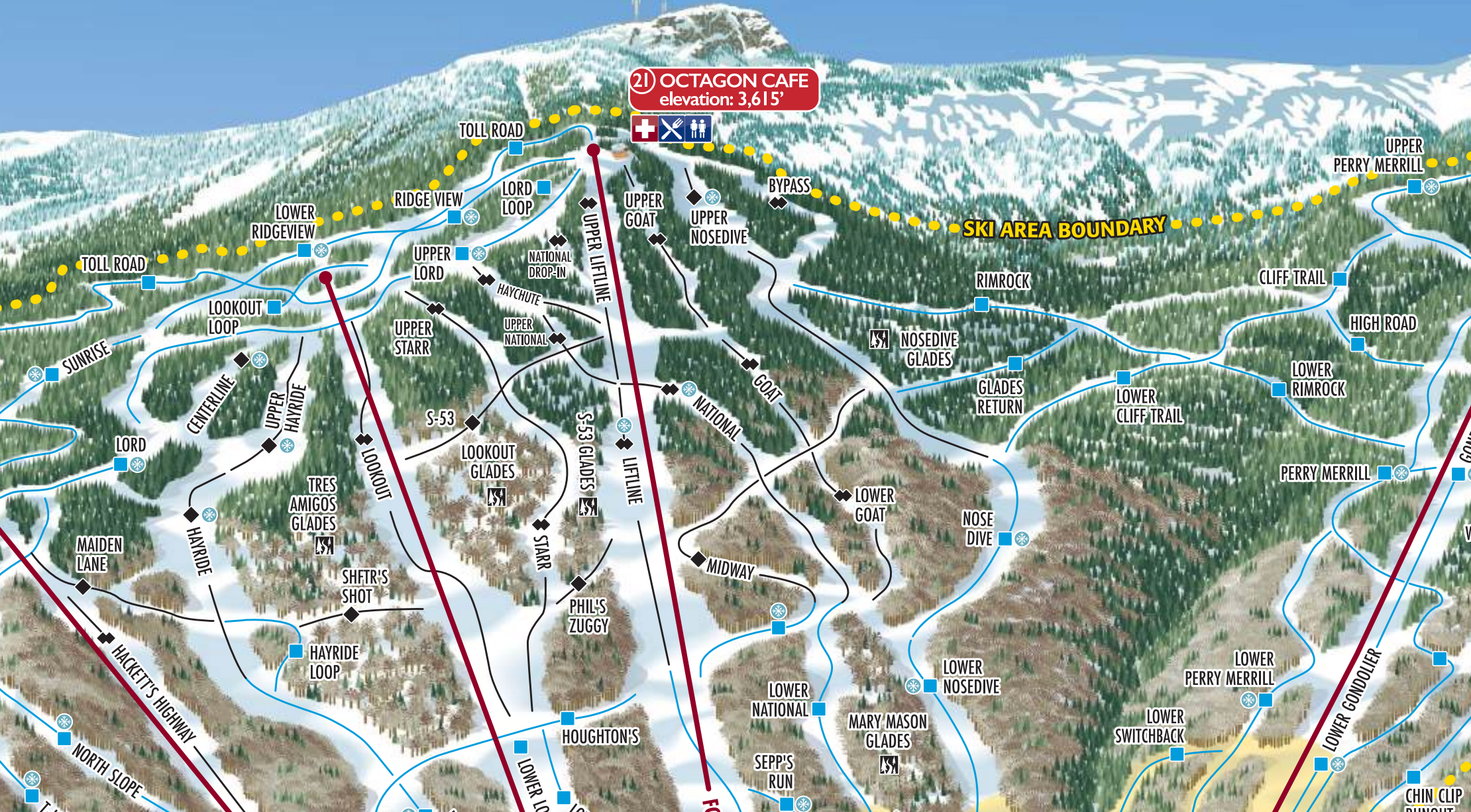
Cut in 1952 for the U.S. Championships, National is the oldest of Mt. Mansfield’s famed Front Four trails. It drops 1,590 vertical feet over 3,875 feet, with an average pitch of 36 degrees. Because it faces northeast, it holds snow—and ice—long after other trails have softened.
What to Expect
Upper National can be icy, steep and littered with awkward bump lines, so pick a side rather than fighting the traffic down the middle. The right side is often the best bet; the left can work, too, though snowmaking equipment complicates things.
Below Birch Tree, the pitch eases slightly. The right side is sometimes groomed, while the left can develop enormous moguls. Near the bottom, the final steep pitch can approach 40 degrees before finally giving way to an easy run-out. Don’t let that mellow ending fool you: skiing only the bottom doesn’t count.
Best Skis for the Terrain
Think narrow and nimble. You want a ski that gets quickly to its edge and is short enough to maneuver through steep, tight terrain.