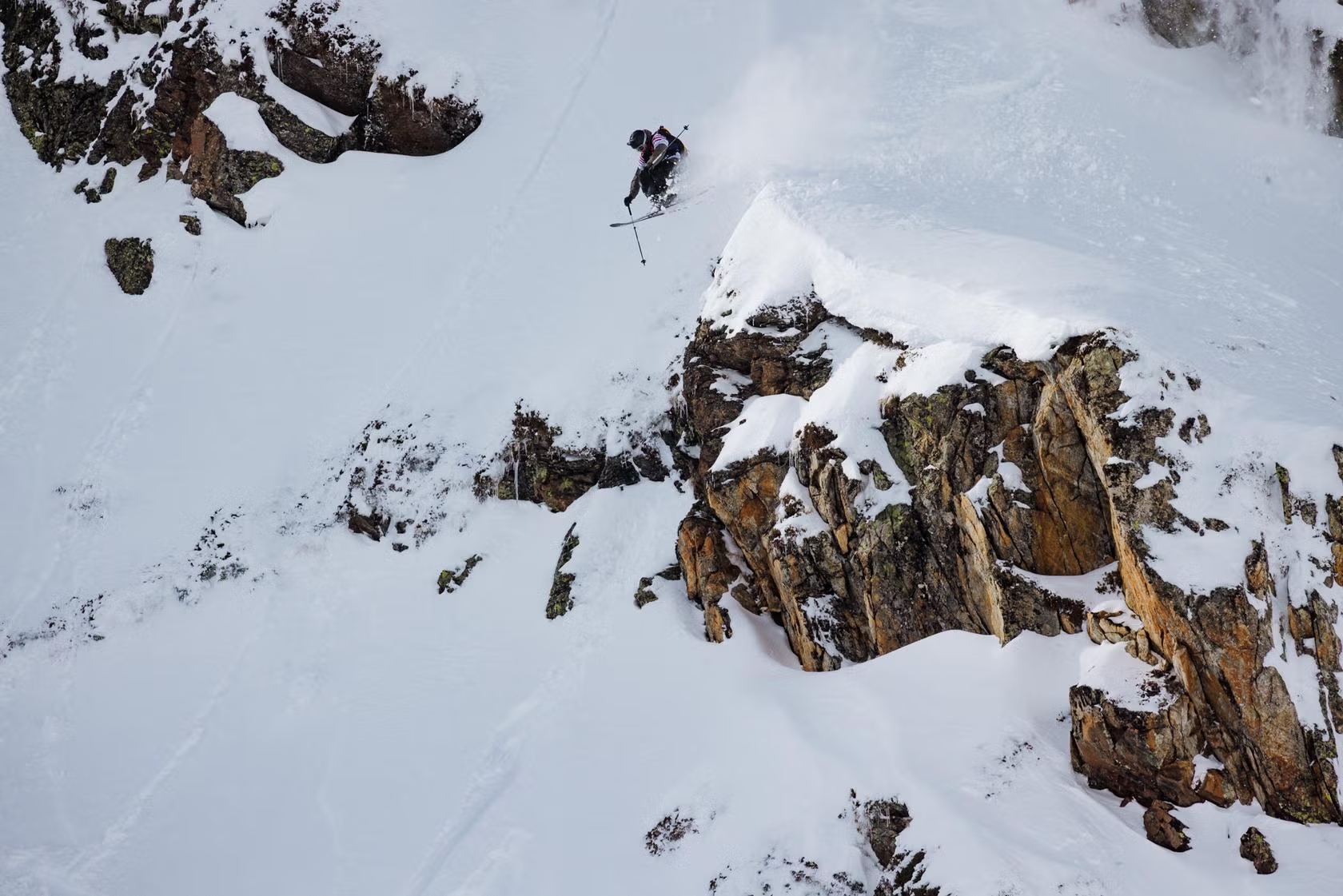
After years of anticipation, freeride skiing and snowboarding will make their Olympic debut at the 2030 Winter Games in France.
(Photo: Courtesy of Freeride World Tour/Jeremy Bernard)
Published July 7, 2026 11:44AM
The International Olympic Committee (IOC) just made a historic decision for the world of winter sports. On Tuesday, July 7, the organization announced in a press release that freeride skiing and snowboarding will officially be Olympic sports in the 2030 Alpes Winter Olympic Games in France.
Competitive freeride athletes have been waiting for this announcement—not for months, but years. It’s been in the works since 2022, when the Freeride World Tour (FWT) merged with the Fédération Internationale de Ski (FIS). Then, in 2024, freeride became an official FIS discipline, just like alpine skiing, cross-country Skiing, ski jumping, nordic combined, and snowboarding. That set freeride on a course toward the Olympics, a goal Nicolas Hale-Woods, the founder and CEO of FWT, said shaped its strategies from that moment forward.
“Freeride is standing at a once-in-a-generation moment,” Hale-Woods said in a statement. “What we are witnessing right now is the culmination of decades of passion from athletes, organizers, filmmakers, fans, and mountain communities.”
In 2030, that passion will make its debut on the Olympic stage, in what could become one of the most-watched events at the next Winter Games.
Freeride Skiing & Snowboarding: The Newest Winter Olympic Sports
In the weeks leading up to this announcement, athletes have been waiting with anticipation. Wynter McBride told SKI that this has been on her calendar for a long time. For the 26-year-old skier from Salt Lake City, Utah, it wasn’t just an announcement about her sport — it would define the next four years of her life.
“It makes me super motivated. I’ll be making strides to be there for sure!” McBride told SKI. “I am at a loss for words mostly, and can’t quite contain my excitement.”
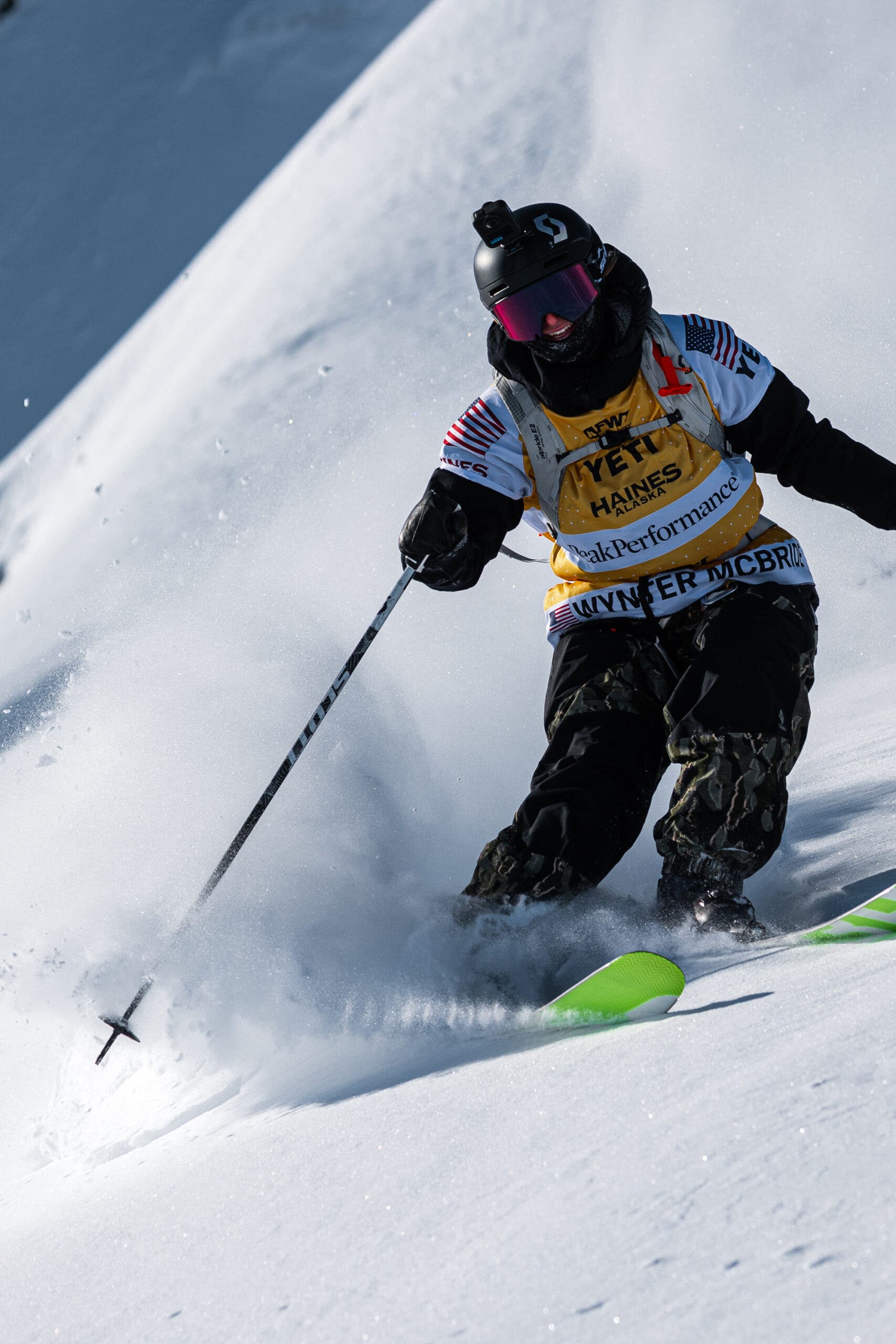
McBride said this announcement is also validating for her. She competed in her first FWT in 2025-’26 and also coaches freeride skiing. The sport she’s dedicated her life to has been endorsed at the highest level. “It feels like the right thing for the freeride community to have happen,” she said.
Ross Tester, a five-time FWT competitor, agreed on that note.
“The idea of [freeride becoming an Olympic sport] is validating as an athlete to feel recognized,” Tester told SKI. “It’s kind of a natural progression in my eyes, and getting to this point is pretty rad.”
Will the Olympics change the sport?
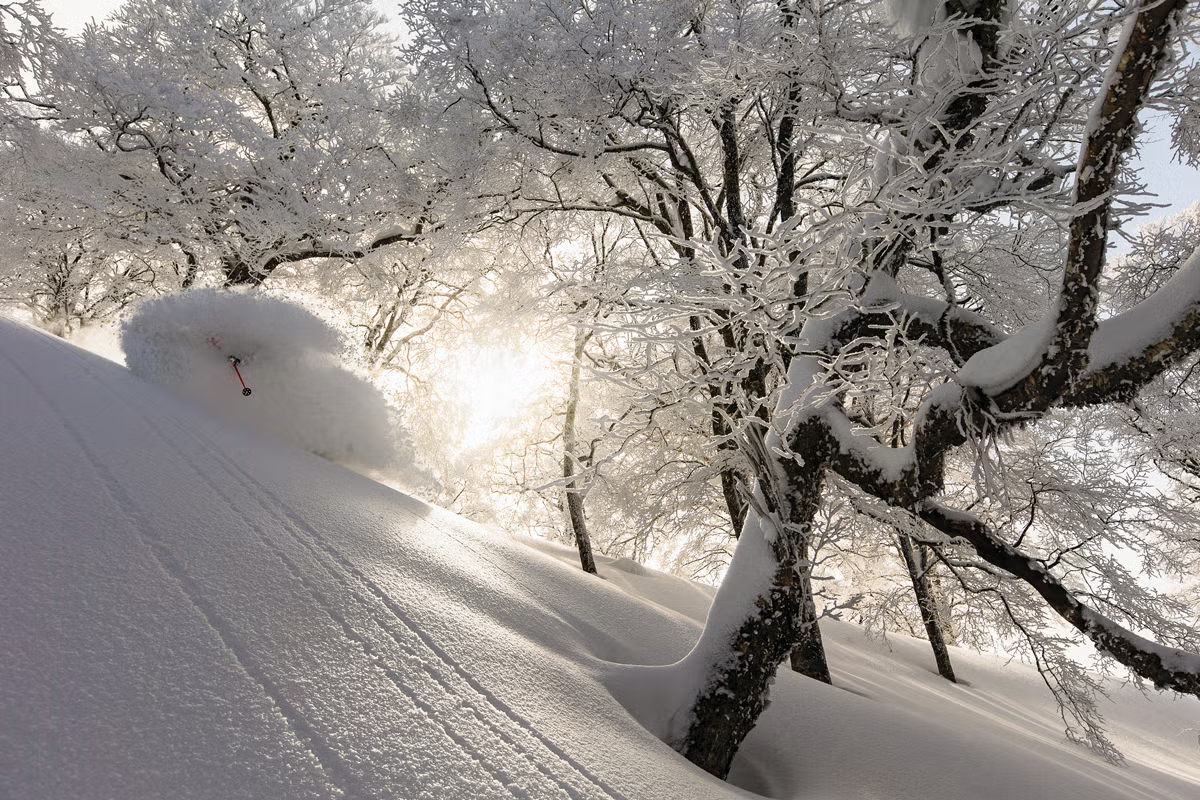
One of the defining characteristics of the FWT is the subjectivity of its judging. Judges score skiers and riders on five criteria: Line, air & style, fluidity, control, and technique. Freeride is also a unique competitive event because, unlike most Winter Olympic sports, it uses a natural field of play. The mountains skiers and riders compete on are ungroomed, have no set courses, and athletes choose their own lines.
Hale-Woods wants Olympic freeride to remain true to that DNA. He said he and his team are “dedicated to keeping the soul of freeride” and are not expecting significant rule or format changes under the Olympics.
While the Olympic qualifying path has yet to be defined, the proposed competition format will feature 22 men and 22 women. It will likely build on the model set forth by the inaugural FIS World Championships in Andorra last season, which demonstrated that the FWT model works on an Olympic scale.
Beyond that, details around how Olympic freeride will be presented at the Alpes 2030 Games have not been released. More information is expected to follow soon.
A “turning point” for the sport
Alpine Skiing made its Olympic debut in 1936 in Garmisch-Partenkirchen, Germany. In the 90 years since, it has become a core event at the Winter Olympics. The sport has grown to unimaginable proportions from those early years, in the Olympics and beyond.
Freeride skiing and snowboarding could now be on a similar path. Both McBride and Tester said they expect this next era of freeride to be even more competitive than it is today.
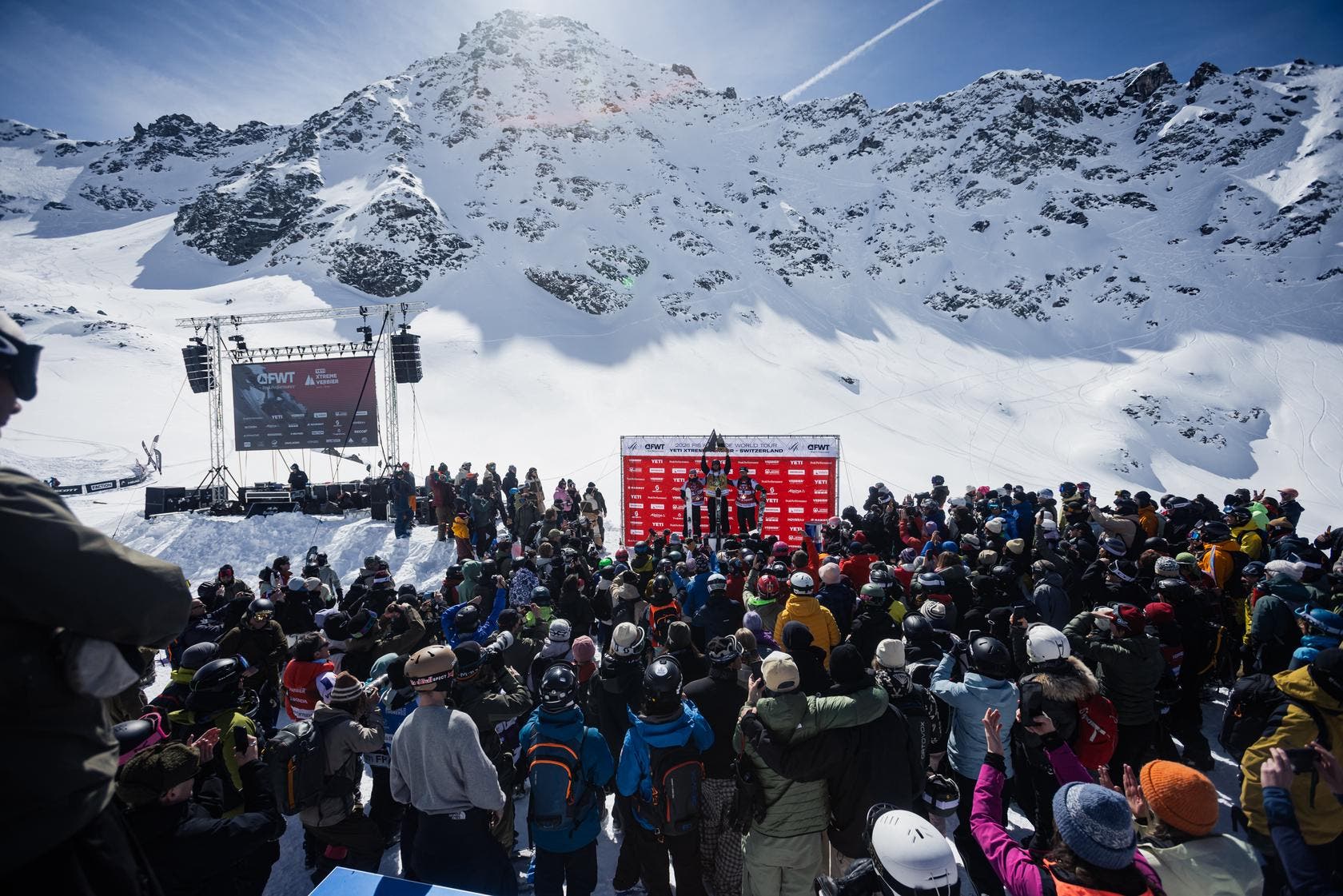
“[With the Olympics] we get all the resources of our national teams. So that alone is going to propel the sport a crazy amount,” Tester said.
“I think it will raise the bar a lot for the athletes,” said McBride. She also pointed out that it could be an opportunity to “bring value to athletes from a sponsorship perspective.”
To Hale-Woods, this is a defining moment in the history of freeride skiing and snowboarding. The sport has grown immensely since it began in 1996, as the Verbier Xtreme in Switzerland, and this is a culmination of everything that has happened since.
“This isn’t just another chapter, it’s a turning point,” he said. “The performances, the venues, the energy around freeride right now reflect a sport coming into its own on the world stage.”