These ambitious ski-resort projects promised lifts, villages, and thousands of acres of terrain before being abandoned. Here’s what happened.
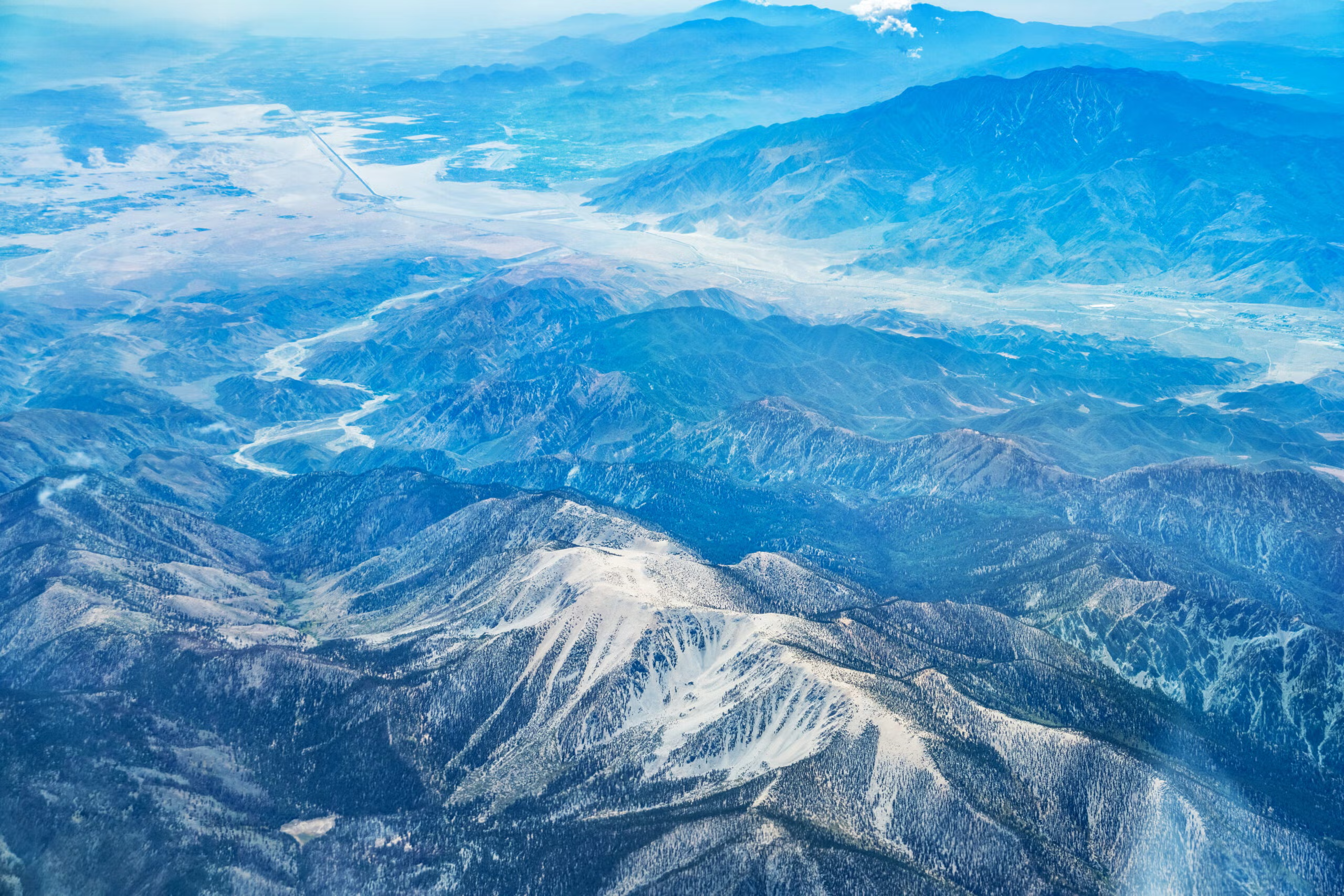
Stock photograph of arid mountain landscape with San Gorgonio Mountain in the foreground (the highest peak in Southern California) and San Jacinto Peak near Palm Springs, California, USA as seen from an airplane. (Photo: Getty Images)
Updated June 15, 2026 10:40AM
Have you ever wondered why opening new ski resorts seems near-impossible these days? There are plenty of suitable mountains all over North America, and no shortage of entrepreneurs eager to erect ski resorts—and the vacation homes, golf courses, and myriad money-making amenities that seem to accompany them.
The reasons we rarely see new ski resorts are lengthy and complicated—and the fodder for an entirely different story. Instead, let’s peek behind the curtain at some ski resort proposals that almost made it into existence. This is not an exhaustive list, just the ones we thought were the most intriguing. A winter-themed Disney resort with skiing? An Olympic alpine-skiing venue near Denver? Let your imaginations wander with this list. We sure did.
Mineral King Resort, Calif.
Most of us know that Walt Disney was a ski enthusiast. He was an early investor in Tahoe’s Sugar Bowl and served on the Opening Ceremony committee for the 1960 Squaw Valley games (now Palisades Tahoe). The fact that he planned to open a Disney-themed ski resort is less well-known. In 1966, Disney shared plans for a massive ski resort in California’s Mineral King Valley. It would feature lodging, dining, an impressive lift system with gondolas and chairlifts, and of course many ski runs.
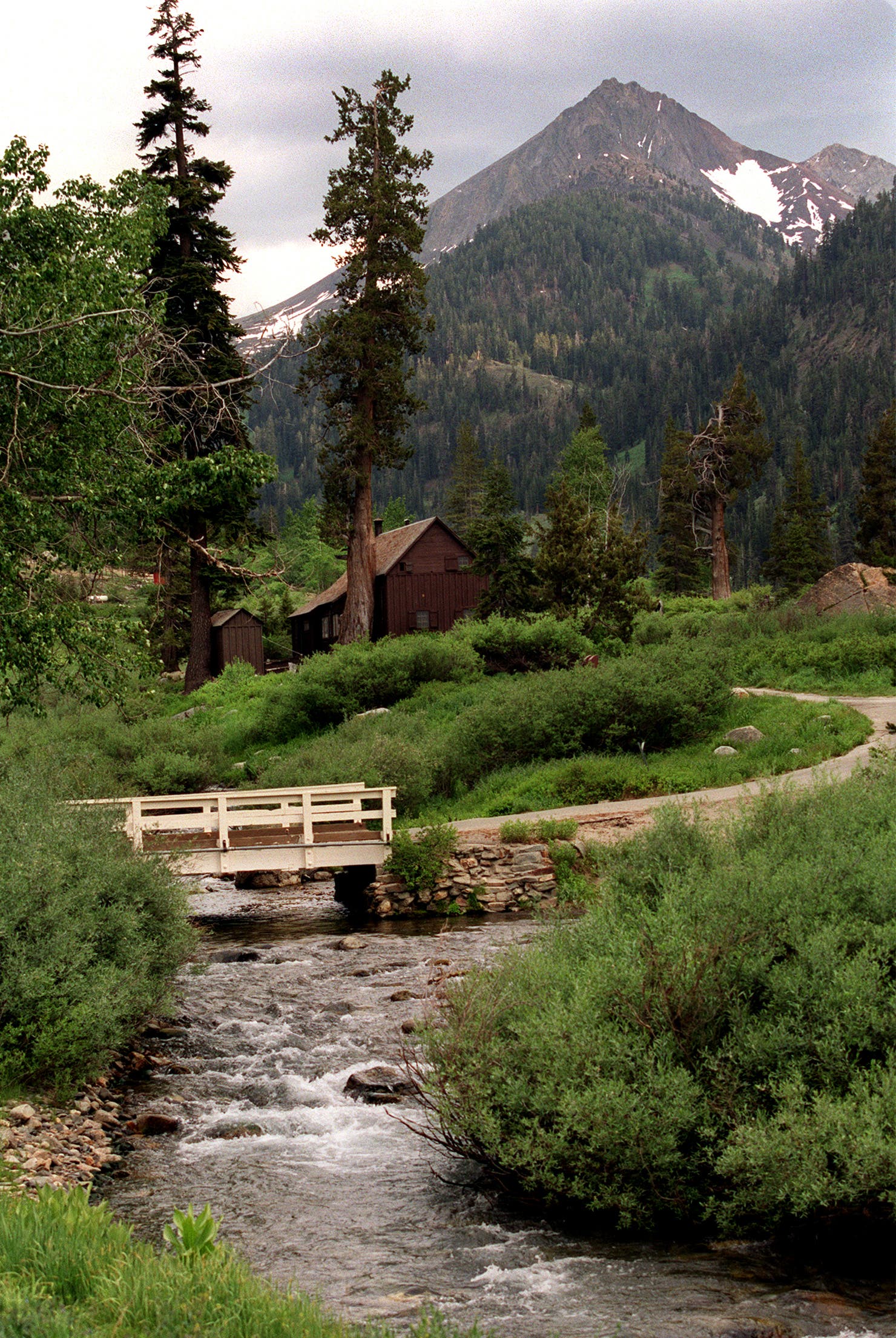
At the time, destination ski resorts were still a somewhat new concept, and not surprisingly, this Disney production was going to be a doozy. When environmental groups got wind of the plans, years of legal battles ensued and the project was abandoned by Disney in the mid-1970s. Shortly after, the parcel was folded into Sequoia National Park, but we’ll always wonder what a Disney-envisioned ski resort and its planned terrain would have looked and skied like.
Jumbo Glacier Resort, B.C.
The largest modern resort proposal of the last couple decades, Jumbo Glacier Resort would have featured 20-plus lifts across four glaciers in the Purcell Range west of Invermere, British Columbia. Originally proposed in 1991, the development led to battles between the resort, First Nations groups, and environmental advocates for the better part of 30 years before plans were officially abandoned in 2020. The land, which is a grizzly bear habitat, is also sacred to the Ktunaxa First Nations people. It’s now been set aside as the Qat’muk Indigenous Protected and Conserved Area.
Independence Resort, Colo.
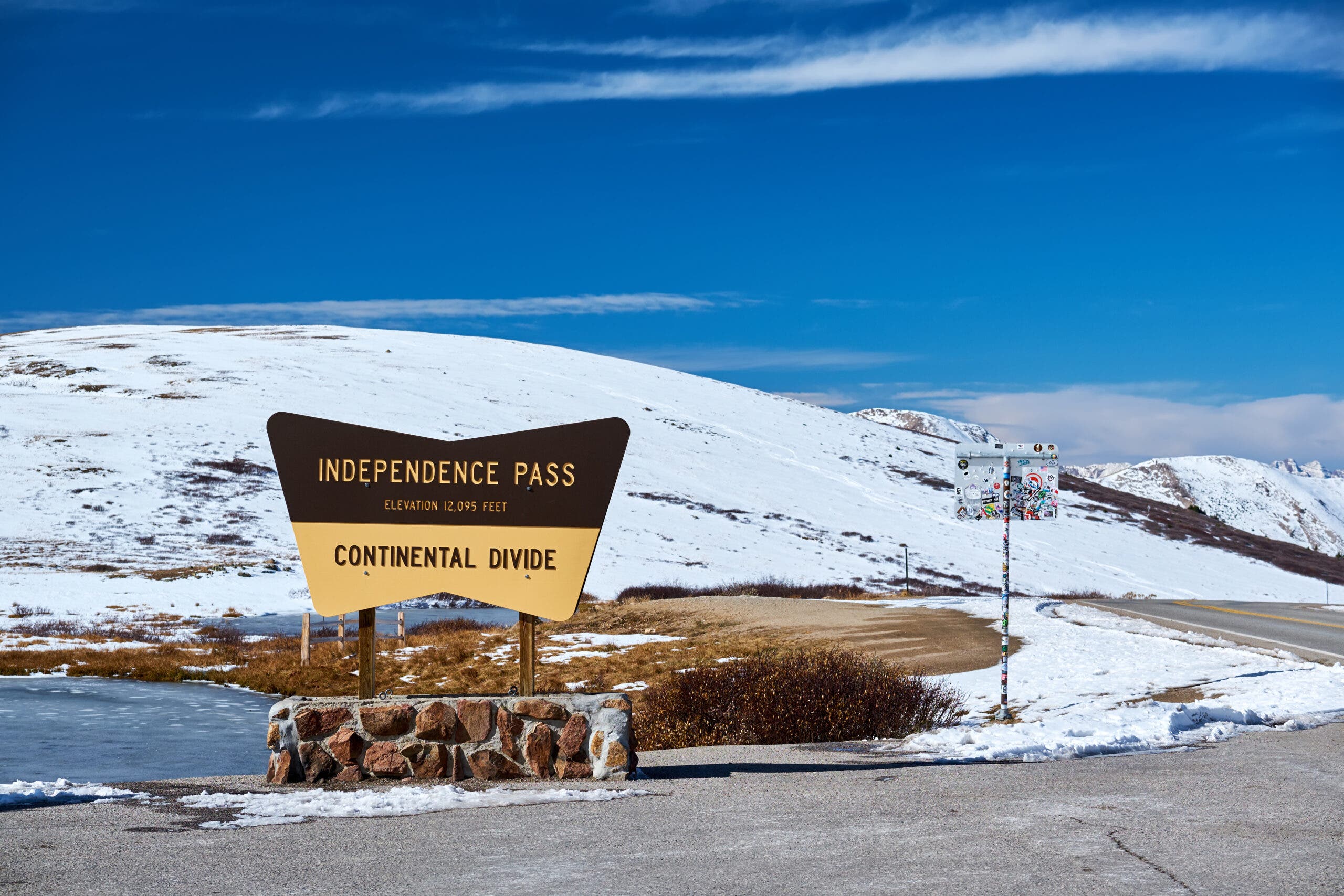
There was almost a fifth Aspen-area ski resort. Developers honed in on an aspect off of Independence Pass between Twin Lakes and Aspen. The terrain would have been rad: steep and high elevation. There was just one little problem—Independence Pass is inaccessible in the winter, closing around late-October through Memorial Day. The project was eventually jettisoned due to access and other environmental concerns. But how cool would it have been to have another major Aspen-area resort to explore?
Also Read: 5 Historic Chairlifts Every Skier Should Ride Before They’re Gone
Bitterroot Resort, Mont.
There was almost another Missoula-area ski resort to compete with Snowbowl. In the early 2000s, a local rancher proposed an upscale ski resort on the flanks of Lolo Peak, south of town on his family’s almost-3,000-acre parcel. The original resort plan included 10 lifts, a village with a skating pond, and a golf course. His name was Tom Maclay, and he actually went as far as to cut 30-some ski runs on his land before finding out that his bid to include some U.S. Forest Service on Lolo Peak adjacent to his parcel—where the skiing with a vertical drop of 5,342 feet would take place—was denied. The battle went on for a few years before the land fell into foreclosure and was sold off. You can still see the cut runs today on the lower flanks of Lolo Peak.
Mt. San Gorgonio, Calif.
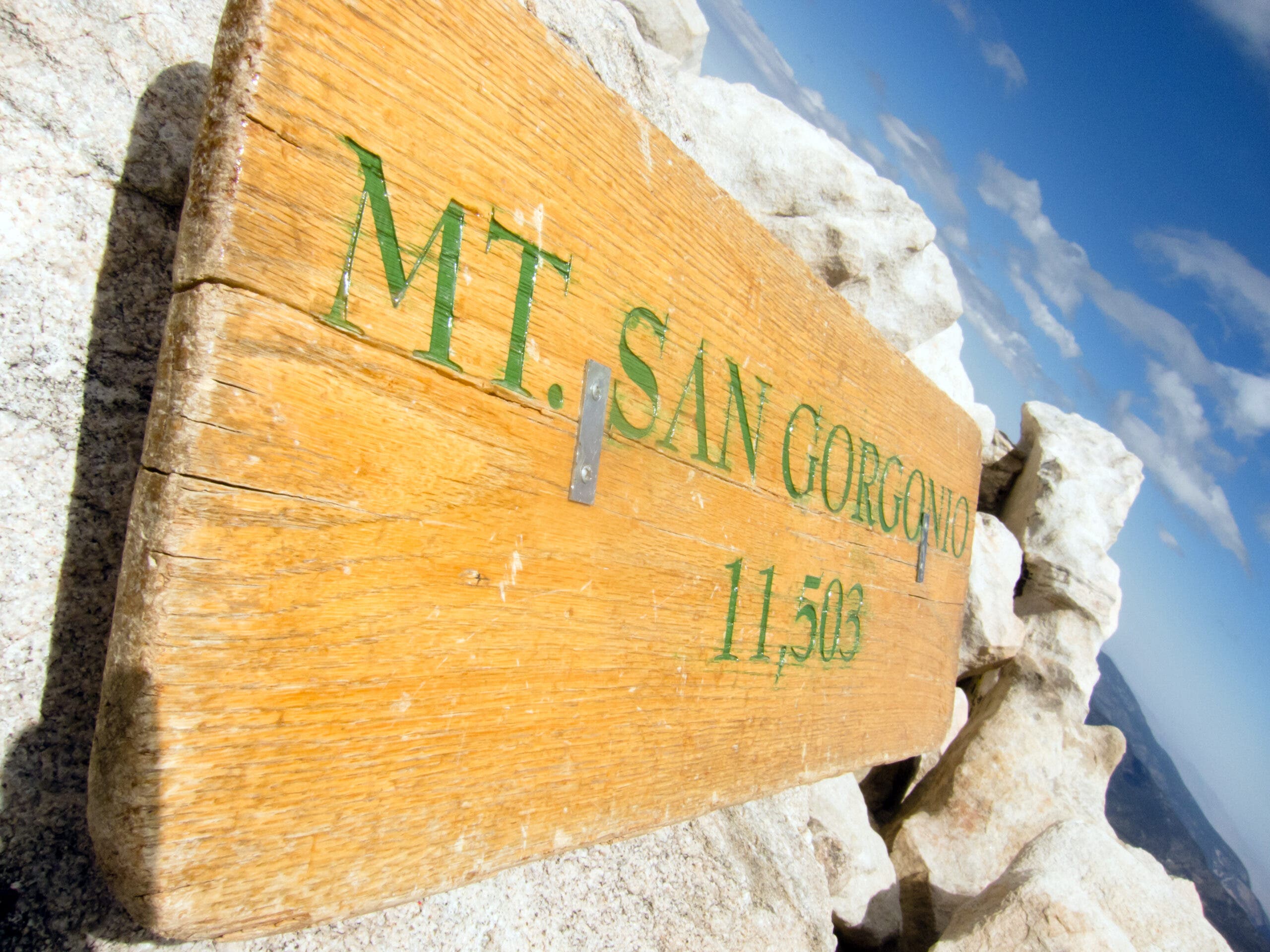
In the 1930s, developers honed in on Mt. San Gorgonio, the highest peak in Southern California, to build a ski resort. Initial plans included a ski lodge and rope tows up the north slopes. The project drew the attention of the Sierra Club and local environmentalists, who cited the region’s wilderness habitat and watershed protection. By 1947, the Forest Service decided that San Gorgonio should not be developed, and President Lyndon Johnson later made it official with the Wilderness Act of 1964.
Mt. Sniktau Alpine Venue, Colo.
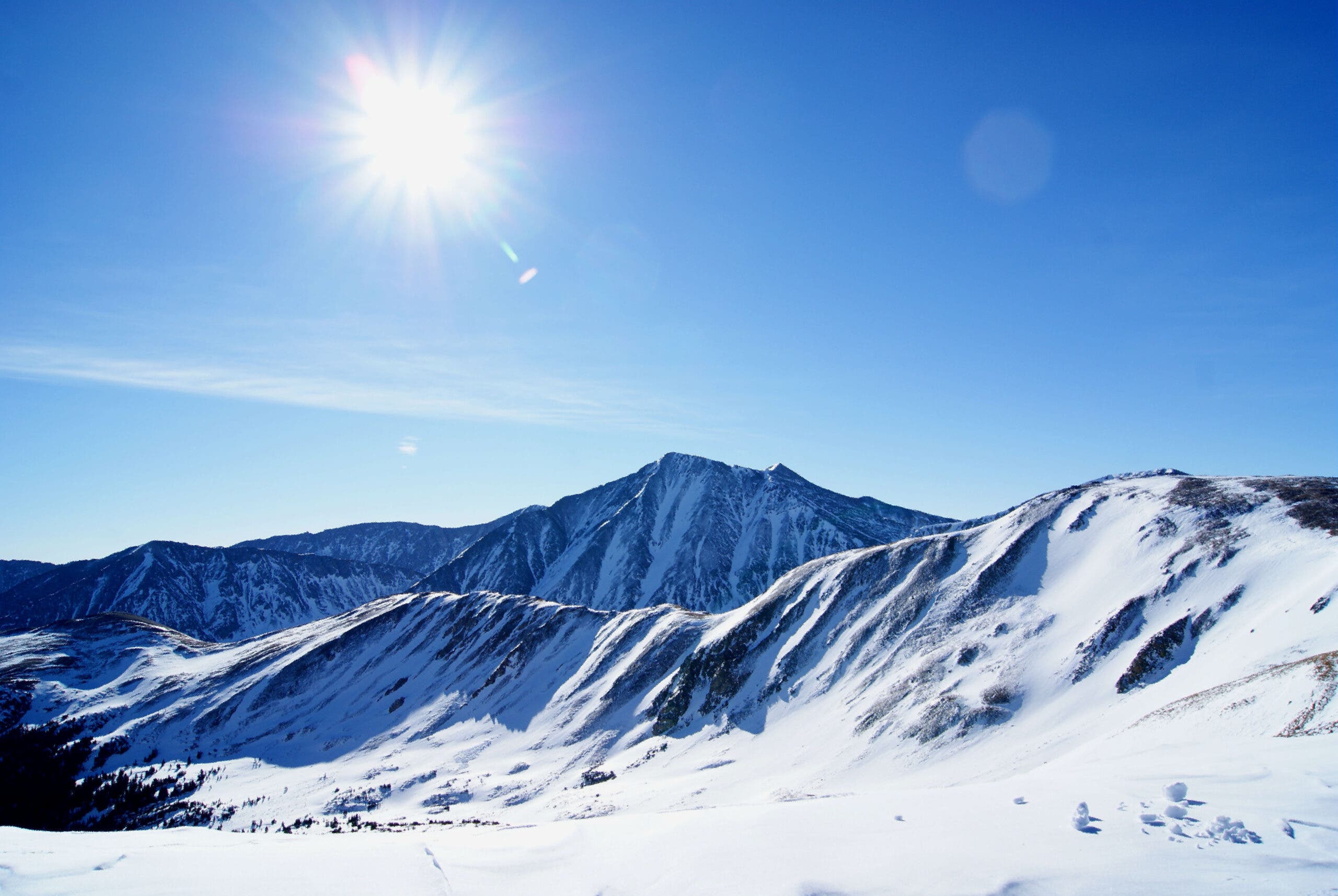
Mt. Sniktau wasn’t proposed as a ski resort, but rather as the venue for the alpine events at a Denver Olympics that never came to fruition. In 1970, the IOC awarded Denver the 1976 Winter Games, and during the process of identifying appropriate venues for the events, this mountain near Loveland Ski Area was suggested thanks to its potential for challenging courses and its proximity to Denver and the proposed Olympic Village at the University of Denver.
It was all for naught though, as Colorado voters rejected a bid to fund the Olympics, and the 1976 Winter Games were moved to Innsbruck. Sniktau was never developed, and remains a challenging hiking and mountaineering route.