Published July 14, 2026 12:13PM
On July 7, 2026, skiing as we know it changed forever. In case you missed it, the International Olympic Committee confirmed that freeriders from around the world will compete for medals on the vertiginous faces of the French Alps in the 2030 Olympic Games. Those of us who follow freeride religiously were not surprised. Freeride’s evolution to the world’s largest stage has been coming for a number of years, precipitated by FIS acquiring the Freeride World Tour back in 2022.
If you’re unfamiliar with the kind of skiing that will be showcased in France during the next Olympic Games, I suggest you start here. The athletes on the Freeride World Tour showcase some of the wildest, most creative, boundary-pushing skiing you’ll see outside of the movies. And with freeride making its Olympic debut, it’s not just these athletes that will be getting a lot more attention—so will their gear.
While we’ve recently seen skis trending narrower again, freeride entering the Olympics is bound to change that. We’d be willing to bet that with freeride making its Olympic debut in 2030, we’re going to see more freeride skis in liftlines in the coming seasons.
What Even Is a Freeride Ski?
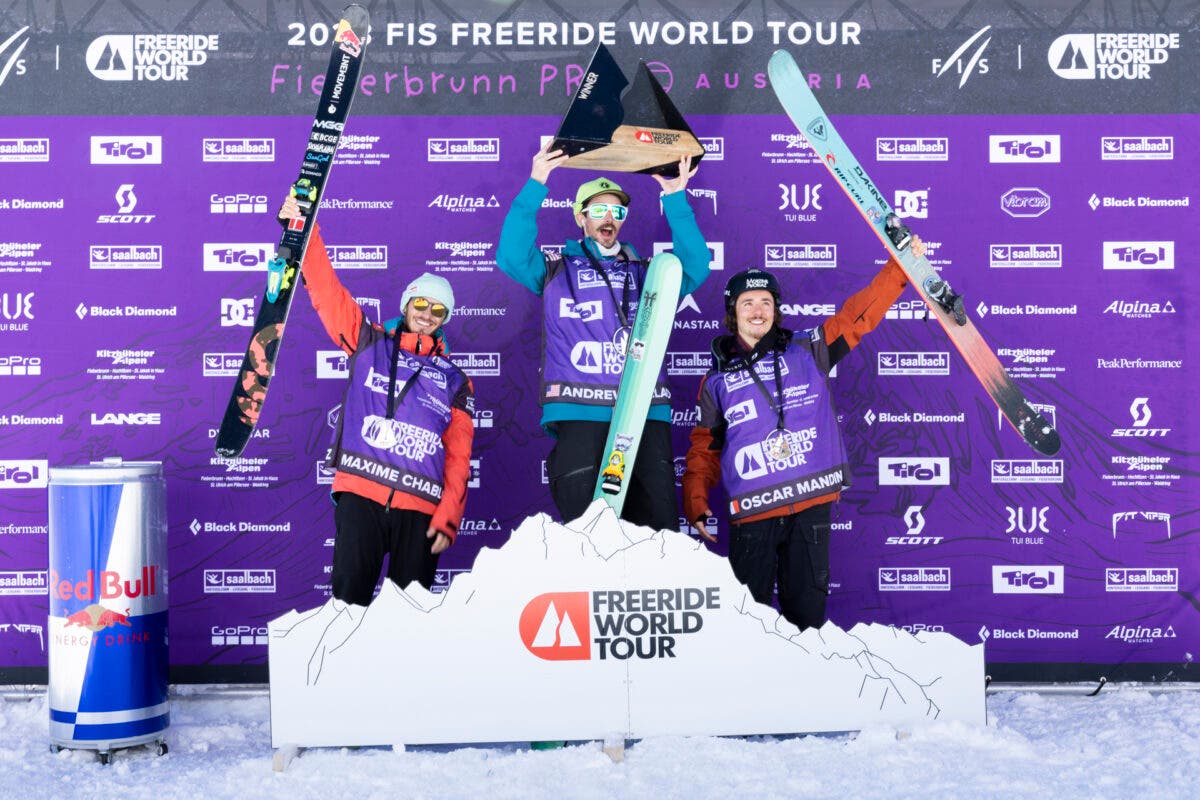
First thing’s first, it’s worth laying out what differentiates a freeride ski from an all-mountain or even a powder ski. At SKI, we tend to delineate all-mountain skis as fitting between 90-109 millimeters underfoot, and being more of a jack-of-all-trades than specializing in any sort of conditions. Freeride skis are similar to powder skis, in that they’re often much wider and more rockered. But where freeride skis differ from powder skis is that float isn’t usually their number one priority. Freeride skis prioritize stability above all, and use their width and rocker to chase that goal—both width and rocker tend to prevent the skis from hooking up before the rider desires, which allows for faster skiing in worse snow.
Stability Over Float
And if you’ve watched even just a handful of Freeride World Tour events, you understand why powder skis won’t cut it: these athletes rarely get to ski pristine powder, and instead are often fighting for their lives on heinous wind crust. They show up at a venue on a certain date, regardless of snow quality. They get a few days to visually inspect an ungroomed big mountain face, but aren’t allowed to ski it. Then, they get one run to put down the most fluid, stylish, and technical line they can on a face. If they crash and lose a ski, they don’t get any points.
That means whatever ski they bring needs to handle high speeds and tight and technical terrain. Those skis also need to be able to withstand massive landings. Cliffs on the FWT exceed 40 feet in height, and with the speed skiers carry off them, they often fly over 100 feet before touching snow.
How Freeride Skis Have Evolved Over Time
Because of this need for stability, freeride skis used to be monstrously big, long, and heavy. Skis like the Dynastar Legend Pro Rider boasted a massive 27-meter turn radius and were stiff as iron beams. Back in the 2000s and early 2010s, freeride meant one thing: charging down the fall line as fast as possible. But as freeride evolved and began to incorporate more freestyle elements, the equipment changed to meet the needs of the moment.
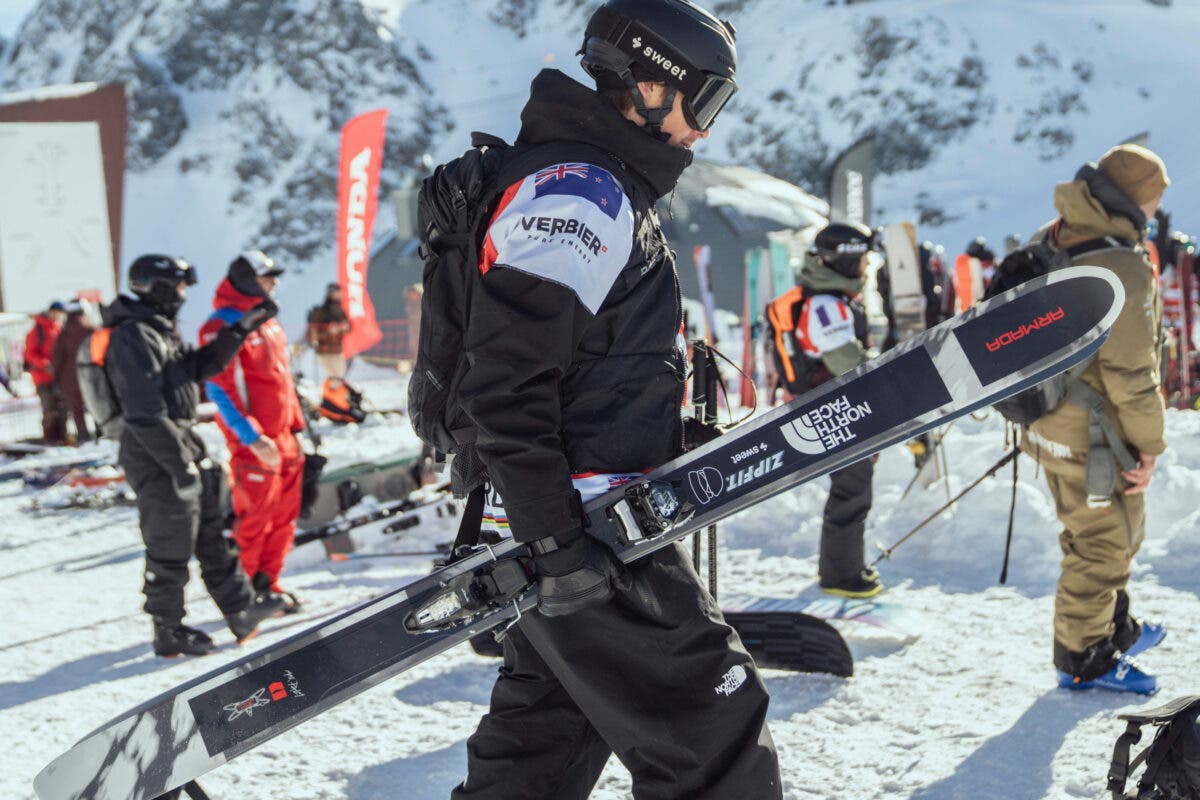
Nowadays, if you’re not spinning, you’re not winning on the FWT. Skis have to be light enough to feel balanced in the air and sometimes even have enough tail rocker to land switch in variable snow. With the weird weather that hit Europe this winter, where most of the FWT events and first FIS Freeride (and Olympic qualifying) event took place, these skis had to be able to handle deep powder, sun crusts, crud, and beyond, all at speeds that would make your eyes water. That means these skis have long radii so they don’t hook up before their pilot wants, lots of rocker to slash and slip in tight, steep couloirs without losing too much speed, and enough width to both float over powder and firm crusts and mass to plow through the chunder.
What Do Skis that Win Freeride Events Look Like Now?
The last two years on the Freeride World Tour, a few riders have dominated, which has placed a few skis on the top of the podium over and over again. While we have to acknowledge the riders’ incredible talent, when you look at the skis they’re clicked into, it’s easy to see a trend. The top-performing freeride skis of the last few years have a mid-fat waist (between 110-115mm), tip and tail rocker, but also a healthy amount of metal and camber underfoot:
Atomic Maverick 115 CTi
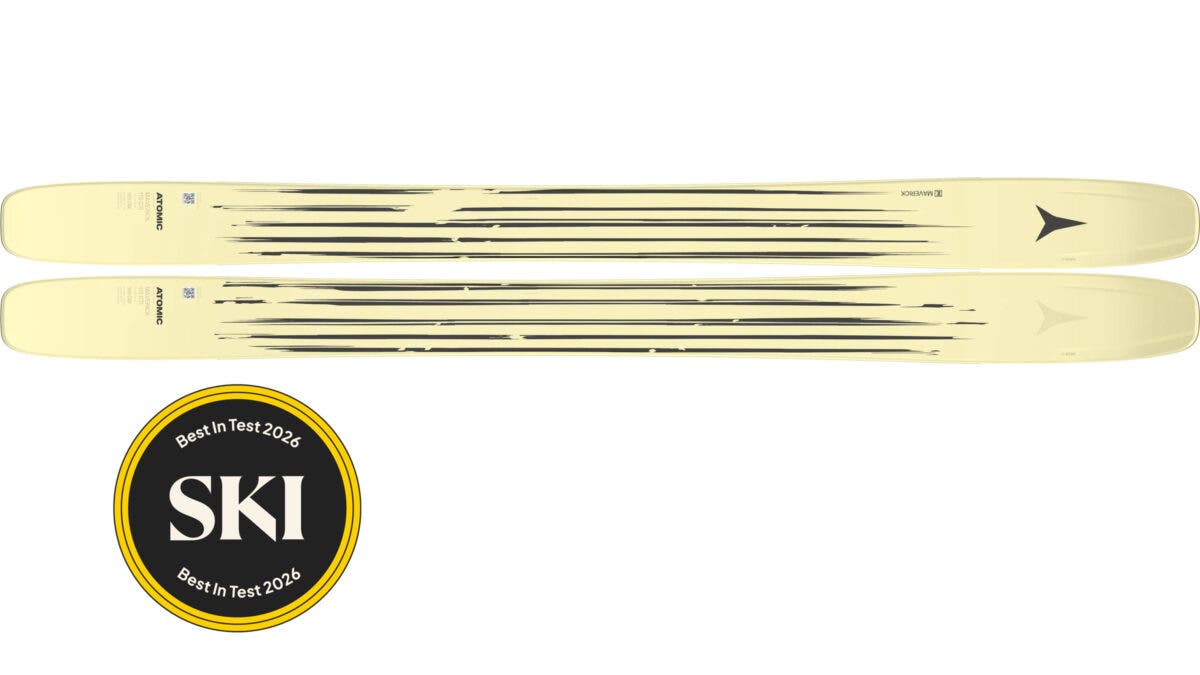
Justine Dufour-Lapointe, a two-time World Champion in 2023 and 2025 has been skiing on the Atomic Maverick 115 CTI, a floaty powder ski that is strong underfoot but light enough to flip and spin. Makes sense—Dufour-Lapointe’s signature is her airy backflip. Another freerider who has proved the variable-snow prowess of the Maverick 115 is the Kiwi Craig Murray, a Freeride World Tour veteran who in 2025 took home a commanding win at the inaugural Natural Selection Ski in Alaska.
Rossignol Sender Free 110
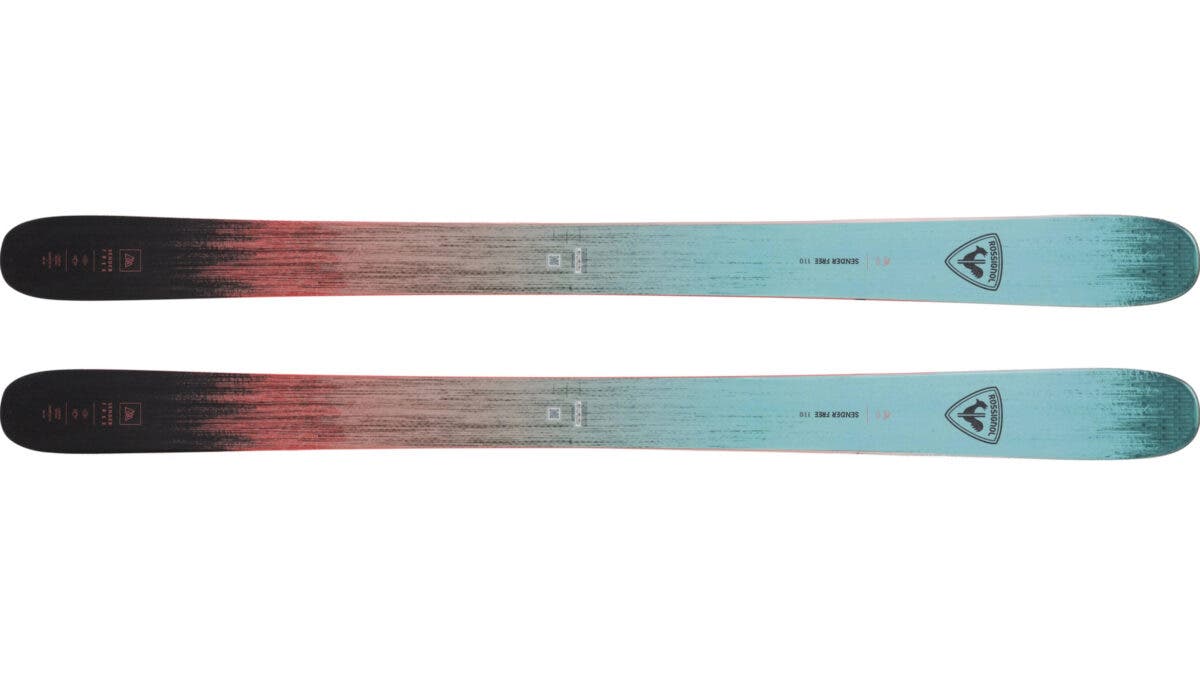
Marcus Goguen, who had a two-year long crash-or-podium streak, won his first World Championship in 2025, and his signature Rossignol Sender Free 110 saw podiums all over the world. Quick and flicky in the tip and tail but with a stout Titanal backbone underfoot, Goguen sent a never-been-done cliff on the iconic Bec de Rosses during the Verbier Xtreme to take home his maiden win at the FWT finale. That cliff is now named after Goguen.
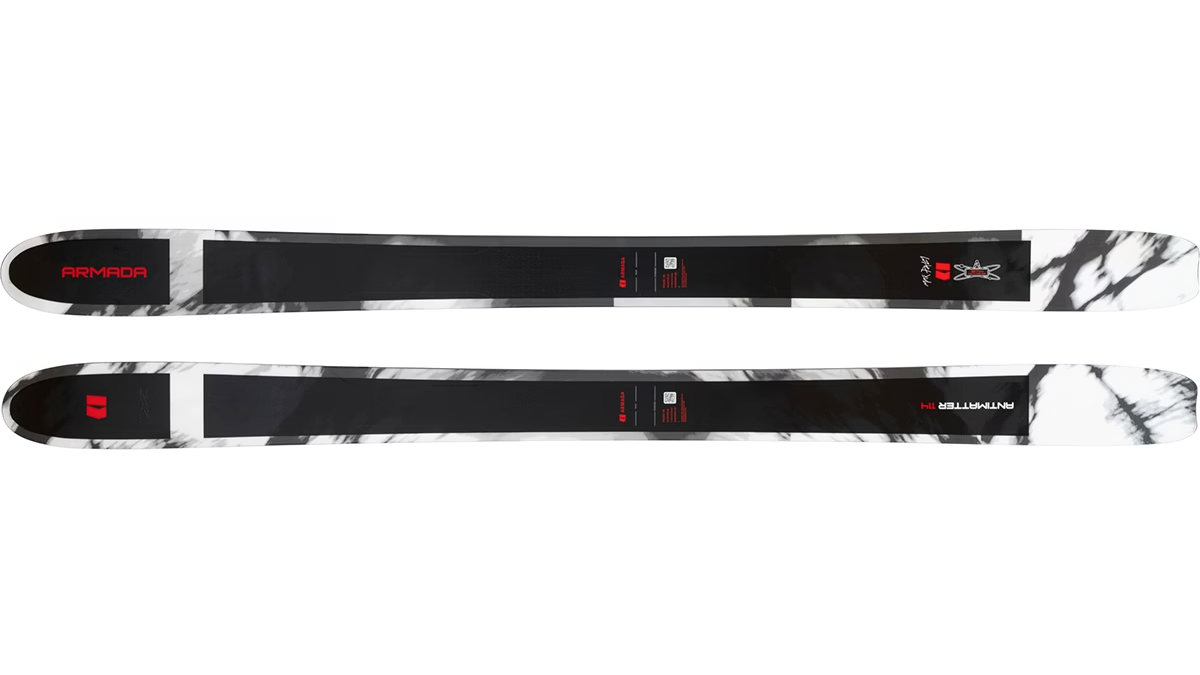
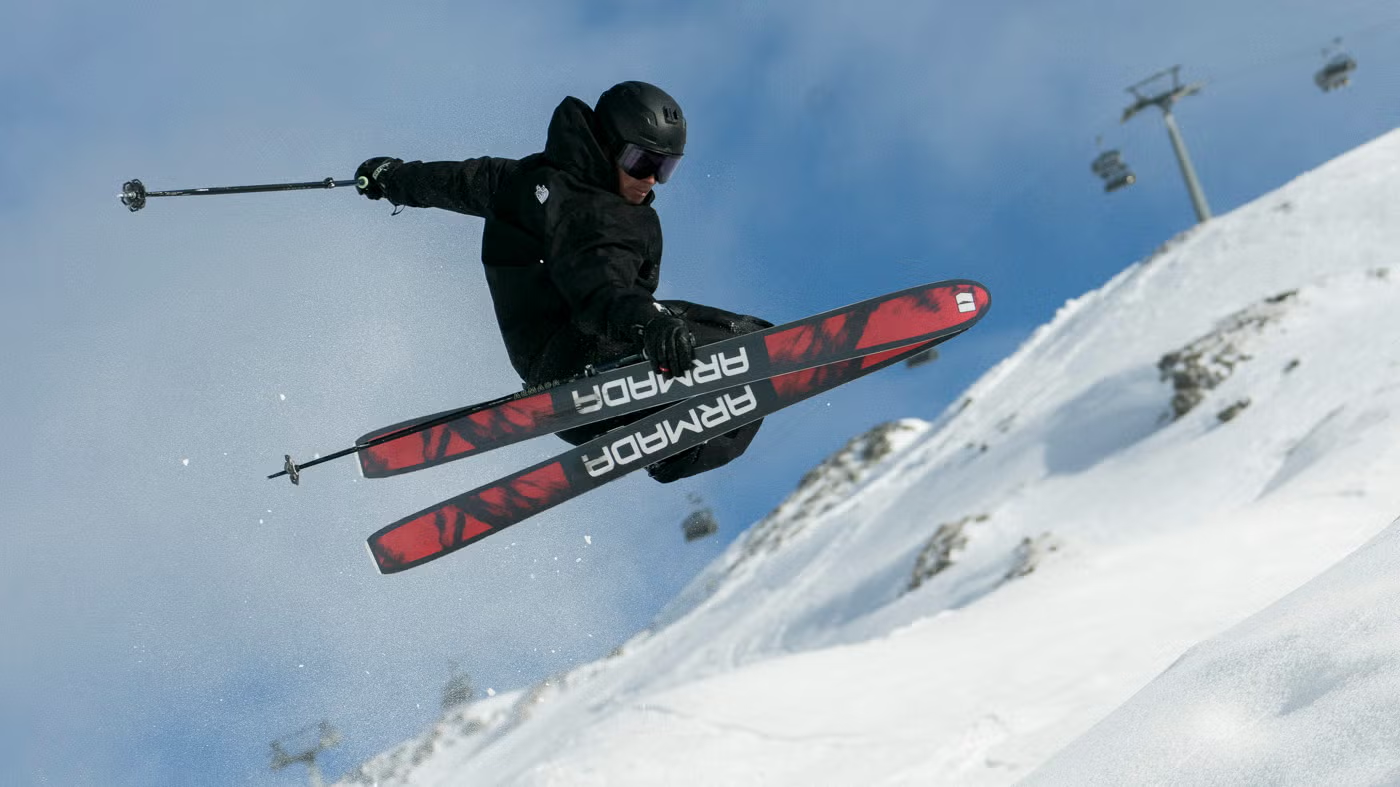
Armada Antimatter 114
But the story of this year has been one of utter domination. Armada signed New Zealander Ben Richards just before this season began after a promising 2025 season in which he achieved two podiums.
In a five-event season, including the first-ever FIS Freeride World Championships, Richards stood atop the podium four times. It’s one of the best seasons anyone has ever had on the Tour. Richards’ triumph was made even more remarkable by barely beating out his Armada teammate Toby Rafford, despite the four wins.
Beneath Richards’ feet was a secret weapon, the Armada Antimatter 114. The Antimatter is a brand-new ski built specifically for the tour by FWT veteran Max Palm, the first skier to ever attempt—and land—a double backflip in competition. When developing the Antimatter 114 with Armada, Palm, who grew up as a ski racer, insisted on making a more directional ski with metal that could still be playful and allow him to ski creatively.
The Antimatter is a further evolution of what a freeride ski can look like: far lighter than most of its competitors except perhaps the Sender Free 110, yet still stable enough for Richards’ glued-to-the-fall-line style. It’s balanced enough for Richards’ stylish hand-drag 360s yet stands up to his barrelling through chopped-up outruns.
Why You—Yes, You—Should Try a Freeride Ski
Unlike Olympic-level race skis, which are built and tuned specifically for racers and not sold to the general public, the skis these freeriders compete on are already available—and accessible—to us mere mortals. So much ink has been spilled about how easy modern skis have become to ski. But in many ways, this is a service to you, the reader. And freeride skis aren’t immune to this evolution. Because the trend in freeride has favored looser, lighter, and more agile skis, those skis are also easier for non-pros to pilot.
Next time you click into your gray/beige 90-millimeter all-mountain ski, take a look at the skyline of your local resort. The kids are up there with their wide, rockered, straight skis. Maybe head to the demo shop, try a pair, and join them—get familiar now, because by 2030, everyone watching the Games will know exactly how these athletes get away with skiing terrain like that.