Published July 23, 2026 10:06AM
If you’re even half paying attention to the news these days, you’ve surely heard about the incoming “Super El Niño.” You’re probably also wondering if it’s all hype, or if there’s any truth to the projections of a snowy ski season for much of the country.
After a uniquely short and dry winter for many Western and Southwestern resorts left skiers longing, plenty are hoping that the long-range forecast is legit, and that this climate phenomenon that’s already forming in the Pacific will bring the powder we’re all praying for.
It could also have serious, unpredictable impacts that extend far beyond the boundaries of ski areas.
When it comes to forecasts, there are no guarantees and plenty of questions to consider. What do we know? How can we use it to plan ski trips? And first and foremost, what the heck does “Super El Niño” even mean?
We unpack it all below.
A winter like no other?
Alan Smith, a meteorologist at OpenSnow, explains an “El Niño” occurs when ocean temperatures near the Equator in the central and eastern Pacific are warmer than average. The warmer those temperatures, the stronger the El Niño.
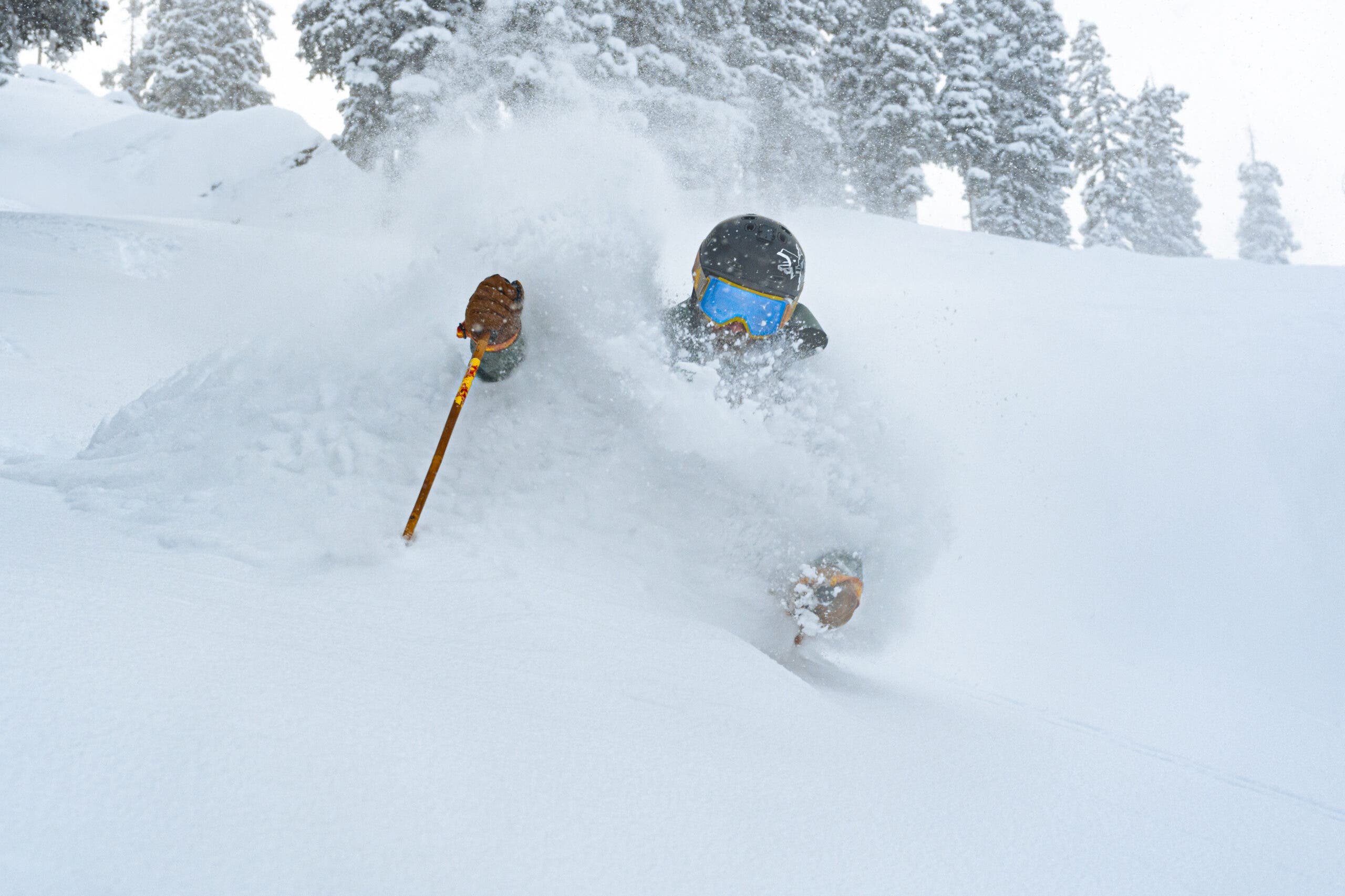
According to Smith, “This winter has the potential to be the strongest El Niño on record.” In general, he says, these weather events “tend to favor an active subtropical jet stream, which means that you tend to get a strong and frequent storm track across the southern tier of the U.S.”
In winter, this can translate to snow across much of the southwest and beyond if the temperature’s right.
No one is promised powder for sure. But what we do know is that ocean temperatures are already unusually high, and this trend may drive extreme weather events this season and beyond.
”There could be some surprises this winter, for better or worse,” says Smith. “I think this could really throw the atmosphere into some potentially chaotic patterns that we might not be able to foresee.”
Playing the odds
Past El Niño cycles and current ocean conditions provide some clues as to how this winter will shape up, and skiers may want to plan accordingly, Smith says.
The active storm cycle that often accompanies El Niños could mean more precipitation for much of the Southwest and California, while the Northwest and much of Canada may not fare as well. In the Northeast U.S., it’s a toss-up, as conditions may be wetter but also warmer.
Southern Colorado and California, New Mexico, and Arizona tend to have some of the strongest odds of getting El Niño storms. Smith adds that the strength of this particular cycle tips the scales in favor of the rest of Colorado and California too, as well as Utah and Idaho.
“A lot of these areas that had record historical lows [last winter], there are some correlations showing this could be a potentially above-average winter,” Smith adds.
For skiers planning their season now, these trends suggest some safer options, and experts recommend taking a few more variables into account while booking your trip.
Darin Smith—no relation to the meteorologist Smith—is a ski-travel expert for Ski.com. He advises clients to seek out locales with more to offer than skiing in case conditions disappoint. “Create an environment for your family where if the skiing isn’t 100 percent, there will be alternatives.”
This year, he’s steering clients toward resorts all over Colorado, as the state’s combination of high altitude, colder temperatures, and likelihood of El Niño precipitation strike him as the safest bet.
He also notes that timing can also be a major factor in trip planning, especially early and late in the season. Perhaps ironically, these times can be when El Niños are stormiest. Still, early-season trips can be riskier, as resorts haven’t had as much time to build a base and get terrain open.
Where to ski
Within the regions Alan Smith stated, there are plenty of ski areas to be optimistic about. Here are a few our experts recommend.
Telluride, Colo.
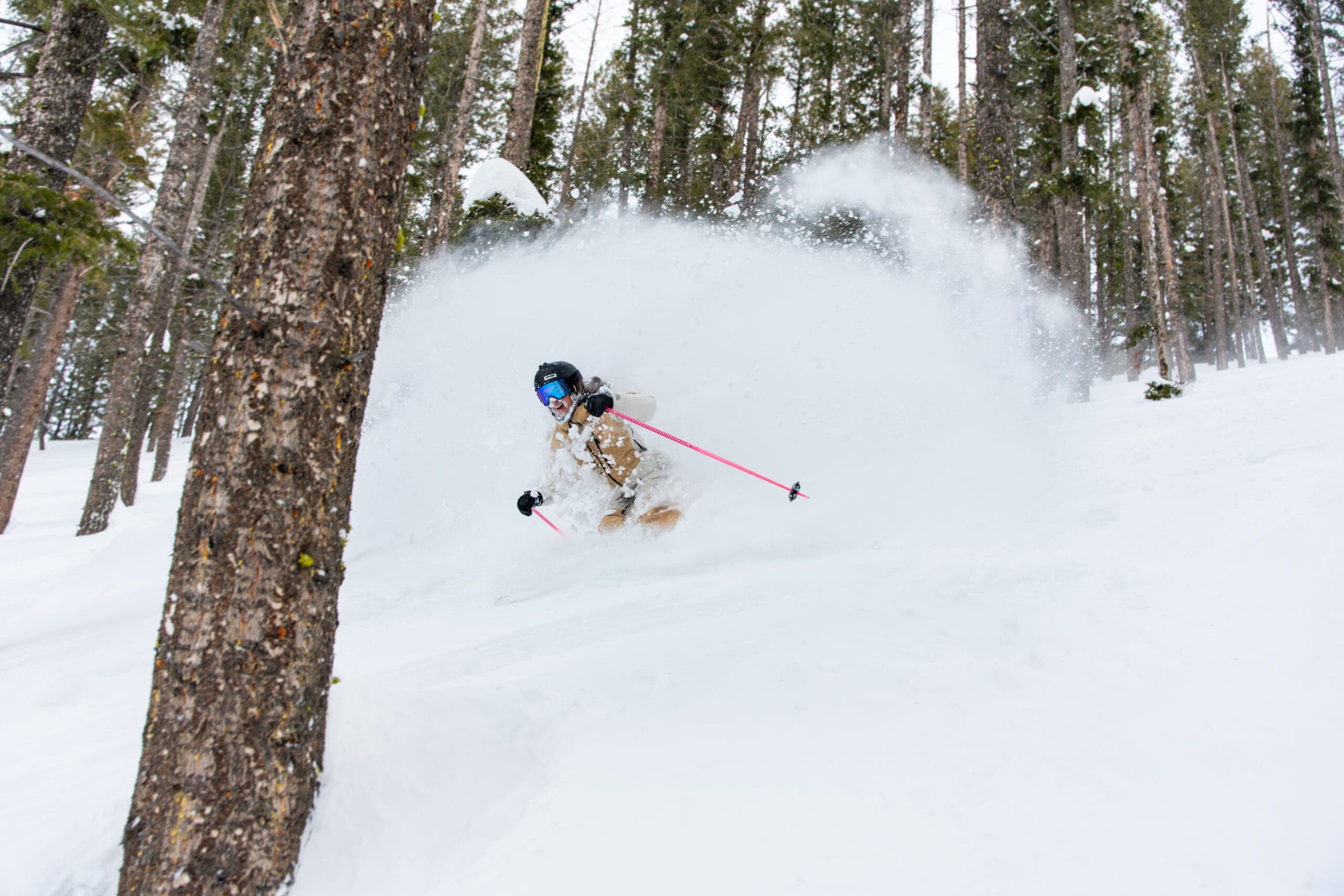
The San Juan Mountains of Southwestern Colorado enjoy the greatest correlation with snowy El Niño winters in the state, and Telluride tops the list when it comes to the skiing, the amenities, and the overall vacation experience. Claire Hopper, a snow travel manager for Scout Ski, describes it as a “bucket list worthy” destination thanks to its terrain variety, scenery and walkable downtown. The resort boasts plenty of winding groomers, as well as exceptional advanced and extreme trails. And while it stands out as the most high-end resort in the range, Southern Colorado’s Wolf Creek and Purgatory ski areas punch above their weight, plus offer wallet-friendlier lift ticket and lodging prices) and may be worth a look for regional travelers.
Mammoth Mountain, Calif.
California’s winters are among the most impacted by El Niños, and plenty of Golden State resorts in the Tahoe area and the Sierras could promise fun seasons. Hopper notes that Mammoth often enjoys one of the longest seasons in North America, making it a perfect choice “for those who chase an endless winter.” It’s “big mountain skiing but with a laid-back local vibe,” she adds.
Sun Valley, Idaho
With a strong El Niño on the radar, Alan Smith says that it’s possible storms will swing up from California and bless the Idaho resort often regarded as the nation’s first true ski destination. Darin Smith notes that Sun Valley’s old-school ski-town vibe, rich history, and varied terrain make it a worthy pilgrimage, and adds that the team takes great care of the mountain. In fact, returning skiers may even find something new here, as the resort has opened a handful of lifts and hundreds of acres of new terrain in the past decade.
Aspen Snowmass, Colo.
With four resorts to choose from and terrain for all skill levels, Darin Smith notes that Aspen is “perfect for families— or people who are chasing powder.” It’s also one of Colorado’s most glamorous destinations, with a lively après scene (including the famous Cloud Nine Alpine Bistro) and plenty of options for shopping and dining in style. For Epic passholders, Colorado’s Beaver Creek and Breckenridge also offer family-friendly ski vacations that can be as luxurious as you want them to be.
Taos Ski Valley, N.M.
Alan Smith says that a snowy El Niño could make this the year for Taos, which offers technical terrain for more advanced skiers outside a historic and artsy southwestern locale. Hopper describes the ski area, which is New Mexico’s largest, as a hidden gem in the Southern Rockies with dramatic scenery and unique terrain, a place that’s “oozing with culture that’s unlike any other in North America.”