Published June 30, 2026 11:51AM
Just four years ago, I wrote the headline “Four-Buckle Boots Are About to Become a Relic of the Past.” I’m happy to report that, mostly, I was wrong—boots with traditional buckles are still alive and well. But that doesn’t mean nothing changed: when BOA dials landed on ski boots during the 2023-’24 season, they indelibly altered the ski industry, changing the way manufacturers think about, build, market, and sell boots.
I’ve been thinking about what to make of the BOA revolution. Has it hit peak adoption yet? How are skiers thinking about closure systems? Now that the novelty has worn off, do people actually like dials? Now that the dust has settled, it’s a good time to take stock of these questions—and I think the answers are far more nuanced than I anticipated just one World Cup ago.
Evolution of the BOA
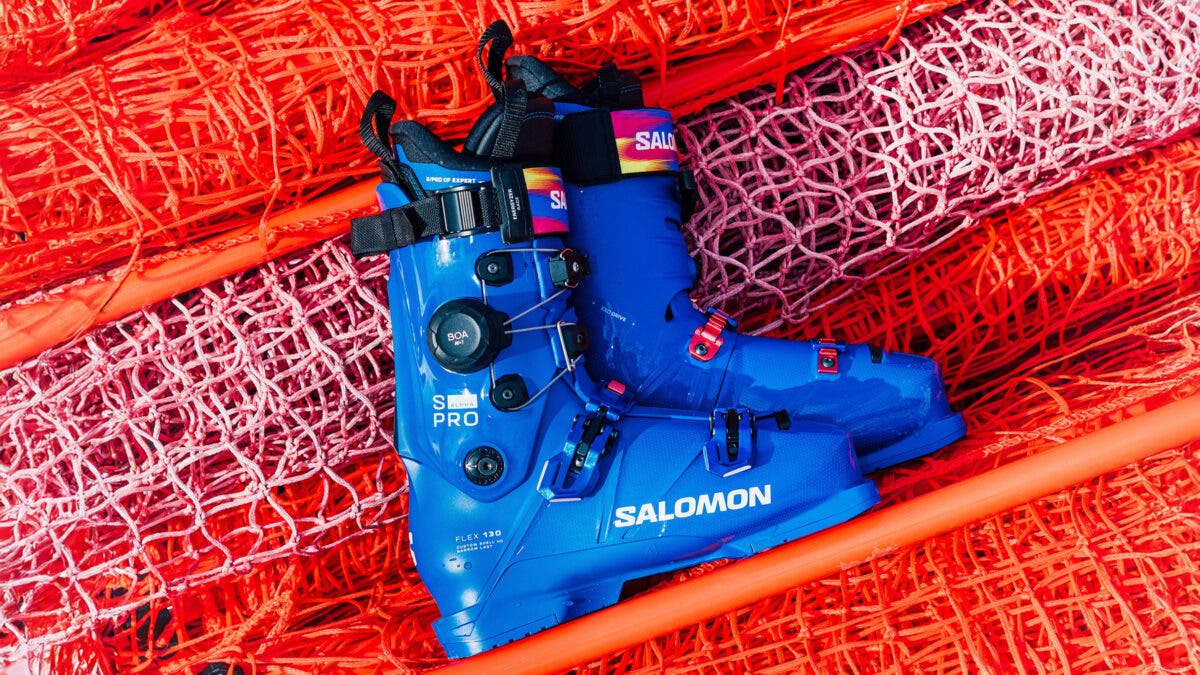
When Salomon, Atomic, K2, and Fischer all dropped boots with BOA H+i1 dials attached to the lower cuffs, they were met with much fanfare and some skepticism. The BOA revolution was heralded as one of the biggest innovations in boot tech since the cabrio last of the Raichle Flexon (then Full Tilt, now K2 Fl3x). But skiers are a stubborn bunch, and many bristled at the concept of a “multi-last boot”—how can you support multiple volumes of feet with one standard heel pocket?
BOA came out with a study claiming its H+i1 dials increased power transfer massively over a four-buckle boot in a very non-traditional way. “What we found is that when you apply BOA dials, that wrapping allows you to have more precision to how you apply that power,” says Dan Feeney, the VP of innovation and development at BOA, in a phone call with SKI. “People just say, ‘Cuff equals power,’ whereas we’re saying, ‘Hey, you’re taking all that power and you’re applying it really well.’”
The study claimed to debunk the theory that the lower cuff has little to do with power transfer, arguing that the BOA lower closure not only provided comfort, but power, too.
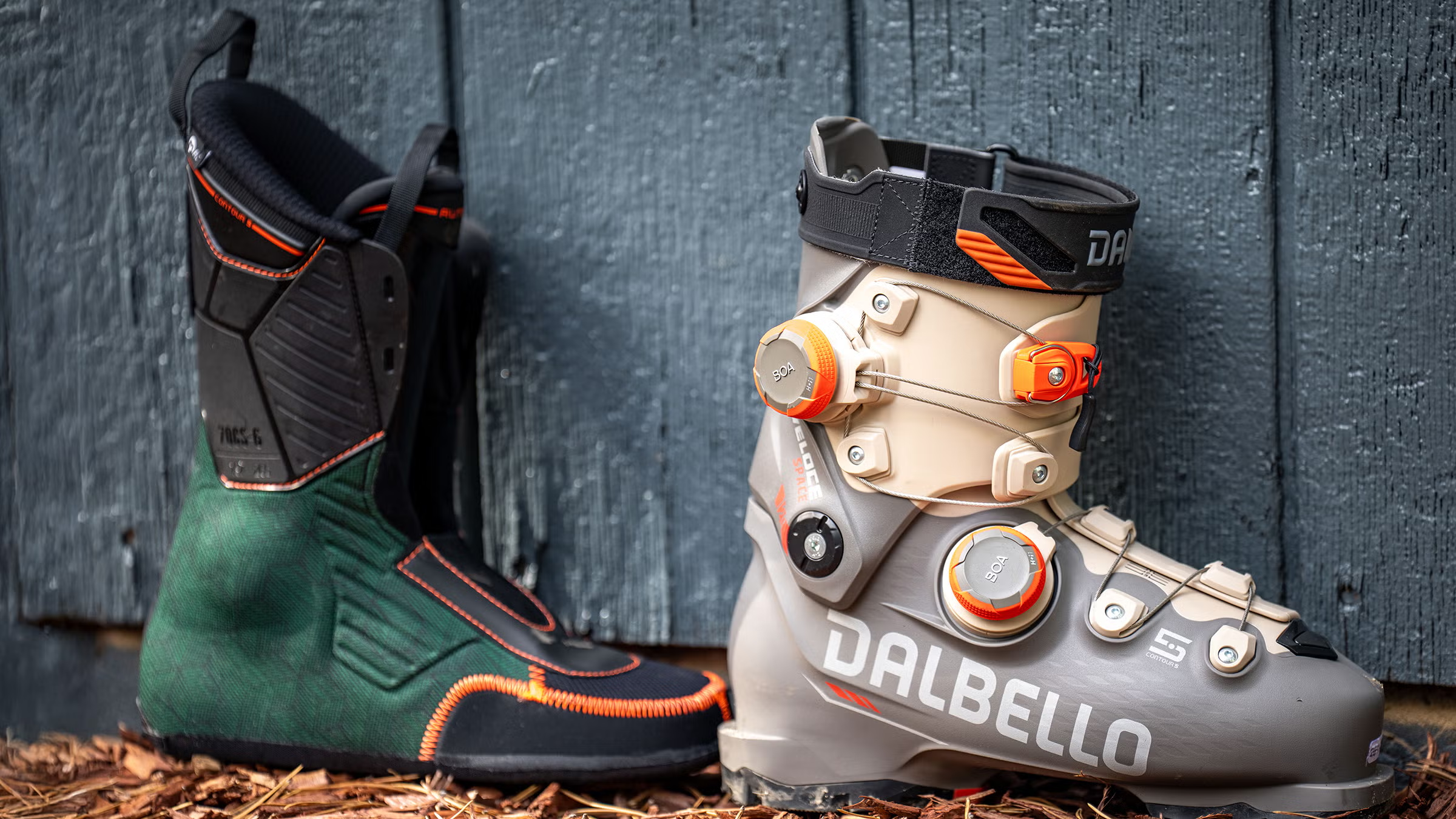
As soon as the technology hit the market, it was off to the races. Brands began partnering with BOA to innovate the technology even further. We soon saw dual BOA dials hit the K2 Cortex, spreading across the industry to Dalbello, Head, and beyond. Nordica then launched the Speedmachine 130S with a BOA dial on the cuff but traditional buckles on the lower shell—lovingly and derisively nicknamed “Mullet BOA.”
So Did BOA Take Over the World?
If you look at boot walls in shops across the United States, BOA-adorned boots don’t dominate as much as the first few paragraphs above might suggest. Buckle boots not only still exist, but are still thriving. We’re starting to see a bit of the correction we saw in skis 20 years ago with rocker: brands got excited by the influx of new technology and began producing wild shapes before realizing that a more restrained approach better served skiers.
“At the moment we’re starting to work into that more conservative approach,” says Andrew Couperthwait, VP of U.S. winter sports at Head. Couperthwait says that after the initial excitement, Head is starting to consider where BOA dials fit in their line and how they can differentiate themselves from the competition. “Certainly, the adoption of BOA has homogenized a lot of the meat of the market, where the boots tend to look quite a bit alike,” he says.
That consideration makes sense given the million-dollar price tag that comes with making a new mold for boots—something the BOA closure system requires for any application onto a ski boot. Doing a run of boots with buckles and one with BOA closures on the same last requires a double investment in molds, so brands are beginning to take more care with where BOA is applied in their line.
When I asked Feeney and Couperthwait if the BOA experiment has been a success, I heard what can best be described as a qualified yes. Feeney says he’s incredibly optimistic about the adoption and uptake he’s seen from both brands and consumers. But these are early days, and he’s looking toward greater adoption on the World Cup and Freeride World Tour circuits before making a final judgment. “It’s kind of crazy that it’s only launched here three years ago,” says Feeney. “So, for us, I think there’s still a lot of space to grow.”
“Overall it has been a success,” says Couperthwait. “We’re an industry that can get stuck in our ways a little bit, and to bring outside technology in is always beneficial.” Couperthwait also pointed to the uncertain weather we’ve endured this past season, especially in the West. He says the boot market has been somewhat resilient to that shock, and he contends that part of that resilience comes from lingering excitement about new boot technology. “I don’t think anyone can say that BOA, over the last three years, hasn’t helped boot sales.”
Looking Toward the Future of Ski Boots
So why haven’t we seen BOA-clad boots on the World Cup circuit? Every few months during the winter season, a few photos leak of a high-ranked racer using a BOA boot in practice sessions or during a lower-level race. But boots with dials have yet to make their debut during a proper World Cup race.
If skiers are stubborn, World Cup racers are immovable objects. To commit to a change in equipment, they need to see seconds fall off the clock. Every race is so valuable to these skiers that they can’t afford to lose points experimenting with equipment and risk dropping their standing.
“Look at the traction control technology that we use in our speed skis, where we cut the top sheets in front of the toe of the binding and behind the heel of the binding to allow that top layer of metal and that top sheet to flex into the ski,” says Couperthwait. “That’s the technology we’ve been using for 25-plus years. It’s never gone away, because it works. And it wins races. As long as it’s winning races, it’s not going to go away, and that’s the hurdle BOA is going to have to overcome.”
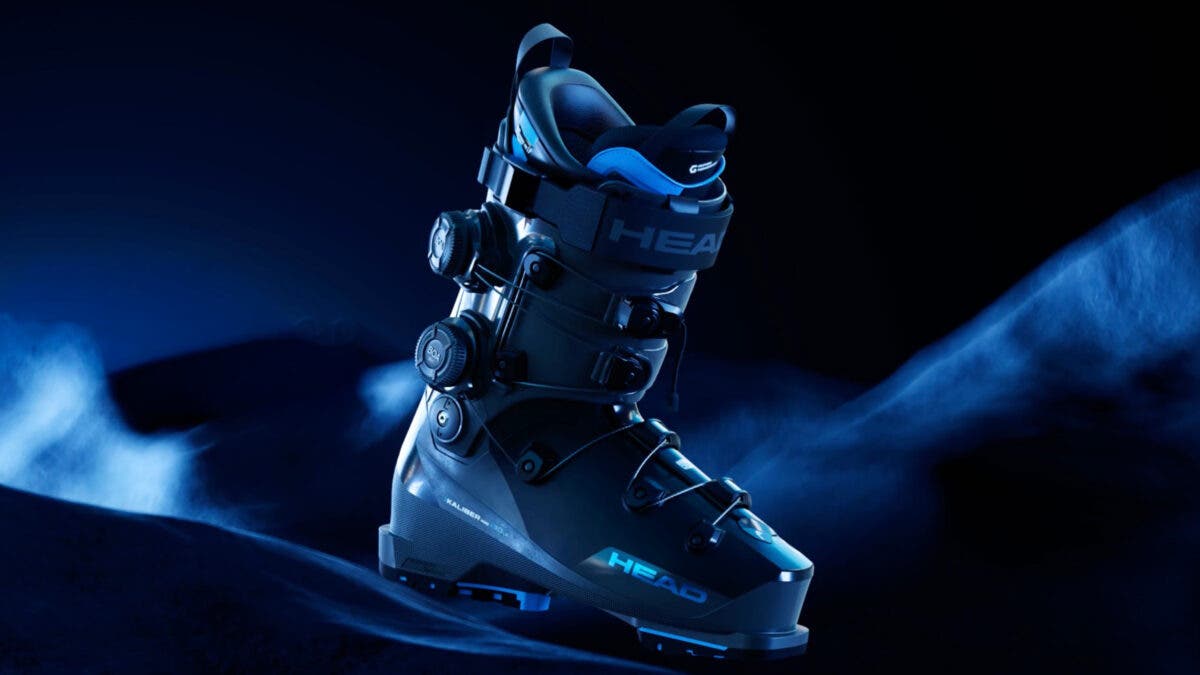
Sure, BOA adds power, but racers are also worried about the system holding up under the extreme angles and forces banging gates puts on their equipment. Head recently debuted the Kaliber, which moves the lower BOA dial onto the upper cuff, allowing skiers to achieve deeper edge angles without potentially booting out on the dial. Many astute skiers noted this is likely an experiment to bring that tech to their World Cup boots.
It’s clear that even with racers’ skepticism, securing World Cup podiums is Head’s goal, and BOA as a company is thinking the same way.
“I think we’ve seen a ton of real meaningful improvement for the athletes, and the athletes have seen it,” says Feeney. “I’m starting to get pretty excited that in the next pretty short amount of time we should see athletes racing on BOA.”
The Verdict on BOA, For Now

So, has the BOA revolution lived up to its billing? My honest answer is the same qualified “yes” I kept hearing from the people building these boots. BOA didn’t make buckles obsolete, and it hasn’t yet won over the World Cup. But it didn’t need to do either of those things to change the industry. It pushed brands to rethink their lines, gave consumers a real alternative at the boot wall, and apparently kept sales resilient through a rough snow year.
Even Couperthwait, who’s bullish on what BOA has done for Head’s lineup, is quick to keep it in perspective. “BOA is not the end all be all of boot technology,” he says. “The last is still probably the most important thing, combined with the last of a liner, and how that liner integrates into the last of the shell. In our opinion, that is still 100 percent the most important aspect to a boot fit.”
So whether BOA dials show up on a World Cup podium next season or five seasons from now, the bigger shift has already happened: closure systems are no longer an afterthought, they’re a selling point. That’s a different kind of win than the one BOA was originally chasing, but a win all the same.