Published August 21, 2026 05:00AM
You’ve seen the videos: skiers disappearing into face shots beneath snow-covered trees. Maybe you’ve heard someone at the bar describe it as the deepest powder of their life. Or maybe it’s the other stuff that has you intrigued, like bowls of authentic ramen after skiing, steaming outdoor hot springs, vending machines stocked with beer, and ski towns where the day doesn’t end when you click out of your skis.
The powder is what gets most people to book the flight. But it’s everything else that makes skiing in Japan unlike any other ski trip.
From legendary storm cycles and tree skiing to tiny local hills, mountain villages, onsens, and some of the best post-ski food you’ll ever eat, here are 10 reasons to finally put Japan on your ski-trip list.
No. 1: The Powder Really Is That Good
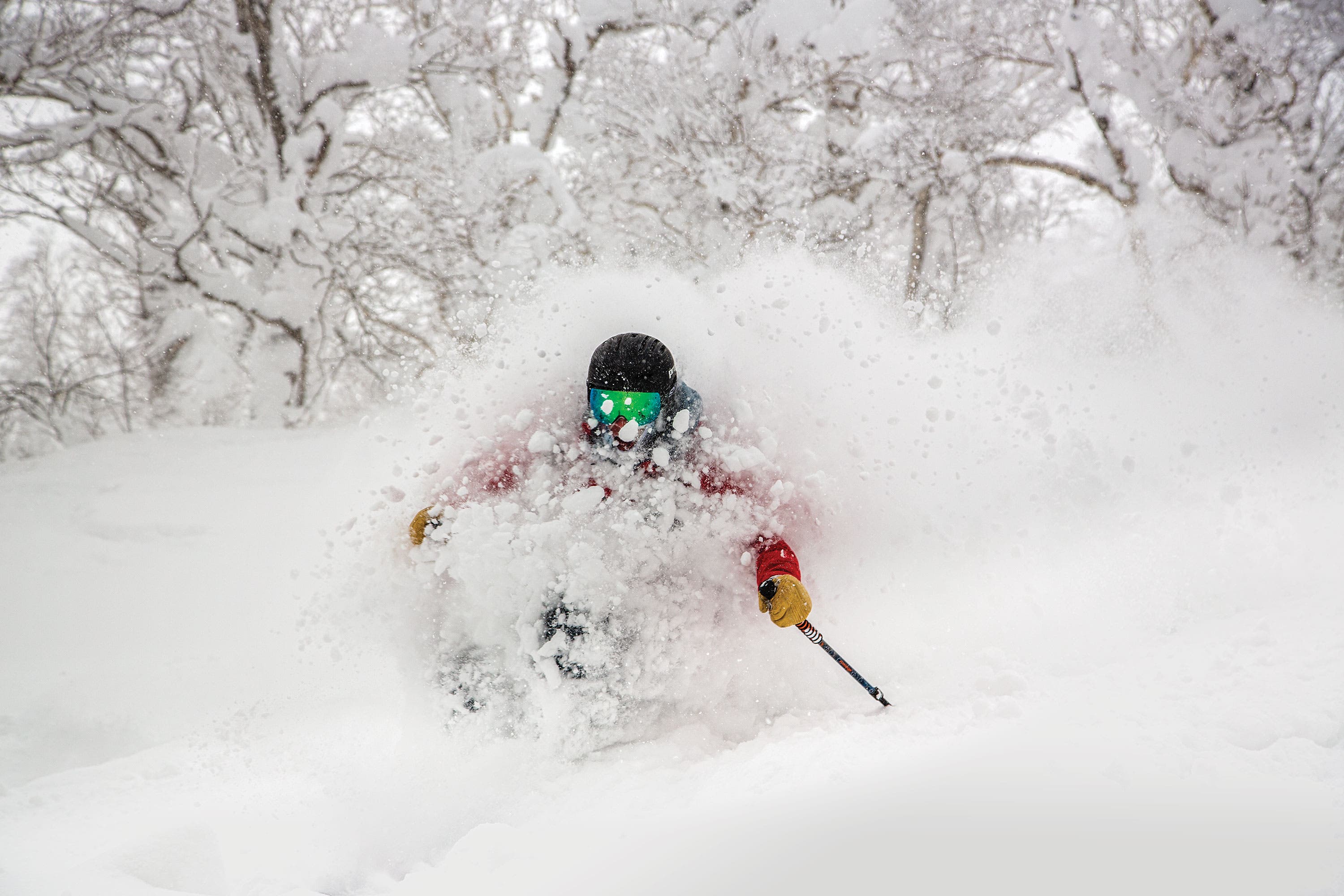
Coming up for air in Rusutsu. (Photo credit: Keri Bascetta)
There are plenty of places in the world with deep snow. Japan is different because it can snow—a lot—over again and again. Cold air blowing off Siberia picks up moisture over the Sea of Japan and unloads it when it reaches the country’s mountains. The result is the kind of frequent, light snowfall that has made “Japow” a permanent part of ski vocabulary.
In Hokkaido, some resorts regularly measure snowfall in the hundreds of inches each season. And while the exact totals vary by mountain and year, the appeal isn’t just one monster storm. You can ski powder one day, wake up to another dump, and do it all over again.
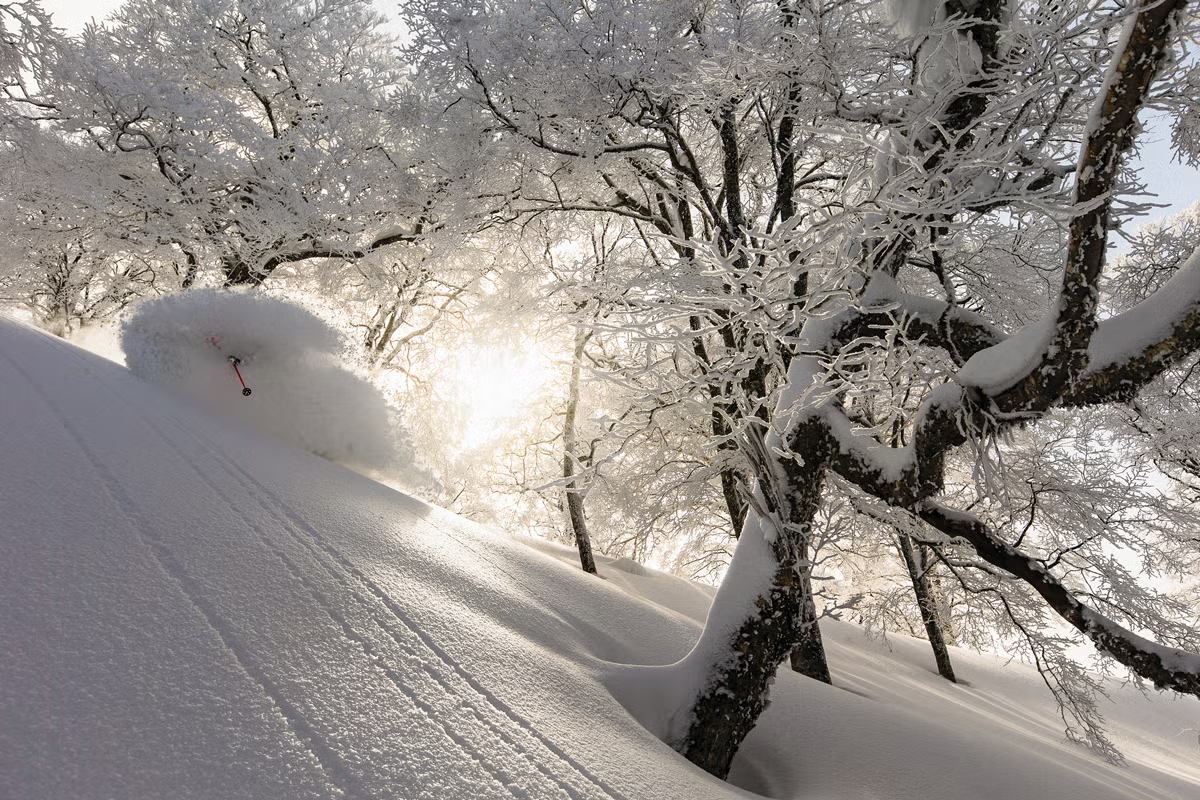
Then there are the trees. Much of Japan’s most famous skiing happens below treeline, through snow-covered birch and bamboo forests that seem purpose-built for storm days. If your idea of a perfect ski day involves face shots and fresh tracks, you’ll understand the hype.
No. 2: The Food Alone is Worth the Trip
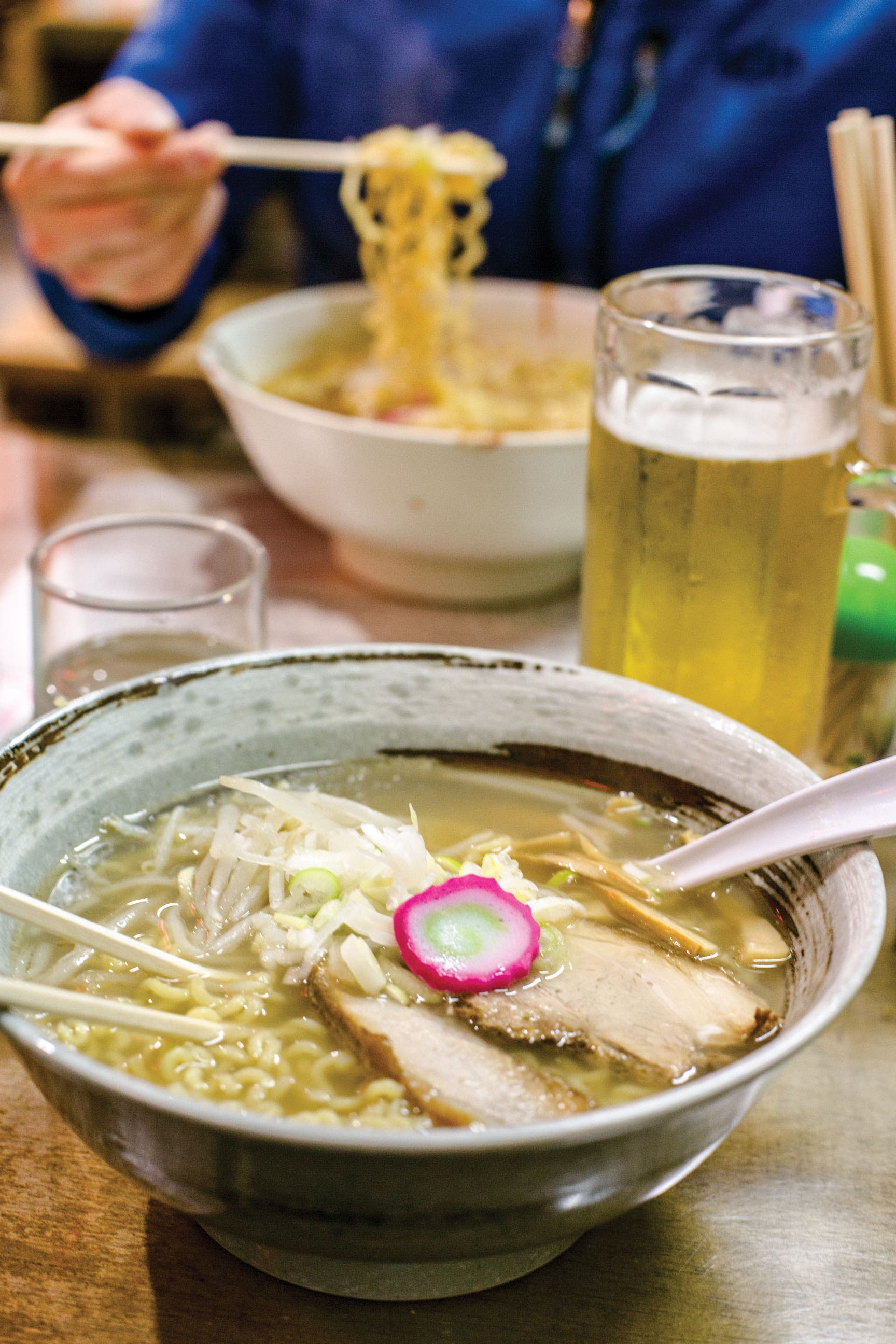
Taking the ski lunch to new heights. (Photo: Courtesy of Yubari Ramen)
Japan is one of the few ski destinations where you might spend as much time thinking about dinner as tomorrow’s snowfall.
Yes, there is sushi. But the real joy of eating your way through a ski trip goes much further: a steaming bowl of ramen after a cold day on the mountain, dumplings and noodles at a tiny neighborhood restaurant, grilled skewers at an izakaya—a casual Japanese tavern—and convenience-store snacks that are unlike anything you’ll find at a Wawa or even a Buc-ee’s.
And unlike many North American ski towns, eating well doesn’t necessarily mean making a reservation weeks in advance and bracing for the bill. Some of the most memorable meals of the trip may be the ones you stumble upon while wandering home after skiing.
No. 3: Japan Isn’t Just One Ski Destination
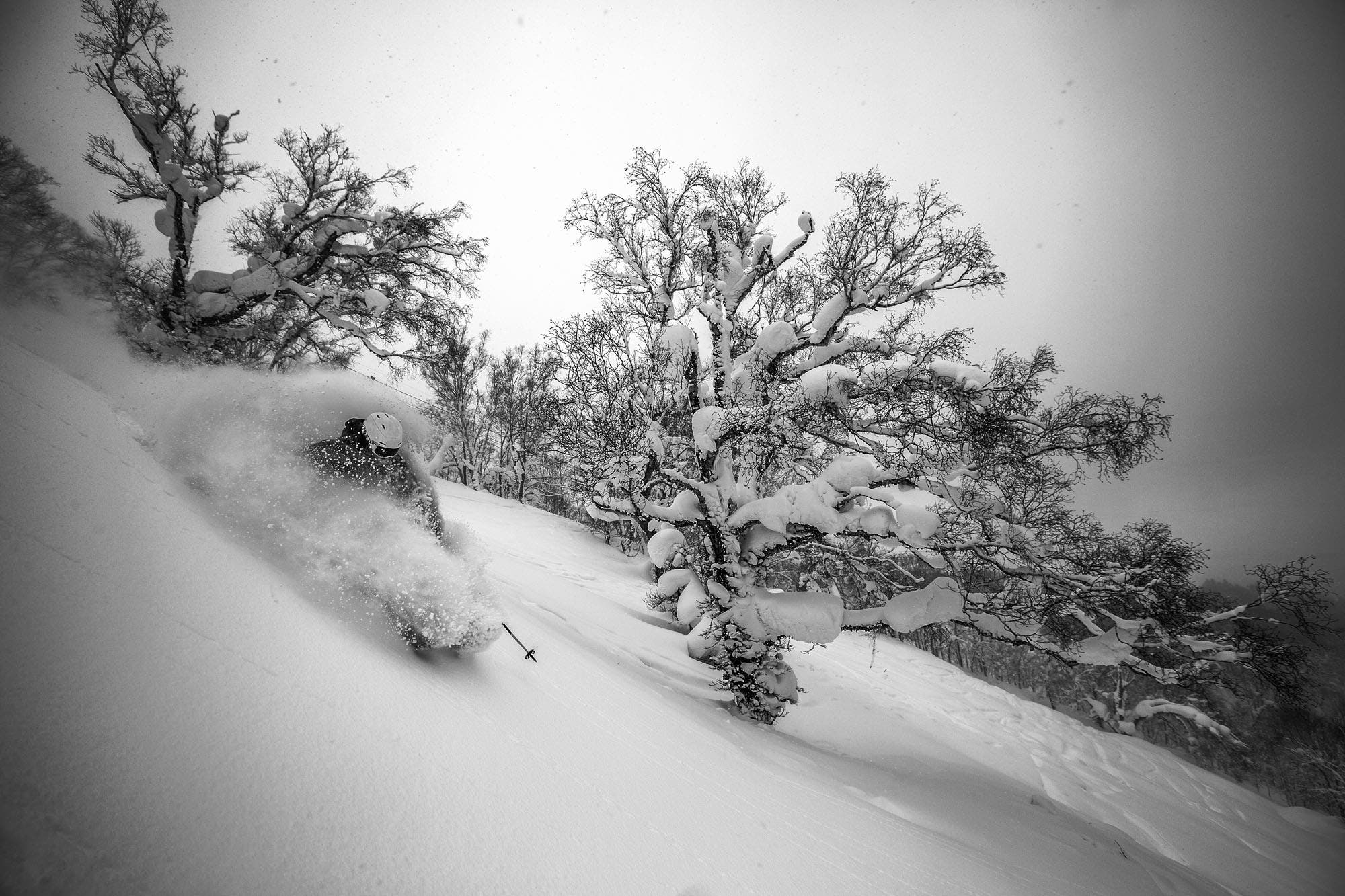
Jon Jay find some space between the trees in Rusutsu. (Photo credit: Keri Bascetta)
“Skiing Japan” sounds like one trip. In reality, the country offers several completely different ski experiences. The key is knowing the where to look for the type of ski vacation you’re seeking.
Head to Hokkaido for the deep, consistent powder and tree skiing that put Japan on the map for many North American skiers. Go to Hakuba, in the Japanese Alps, for bigger mountains, more vertical, and steeper terrain. Stay in Nozawa Onsen if you want to click out of your skis and walk through a traditional village to a hot spring. Venture farther into regions like Tohoku, and you’ll find quieter resorts and a chance to ski places that remain largely off the international radar. You could return to Japan for several winters in a row and take a completely different ski trip each time.
No. 4: Après for All
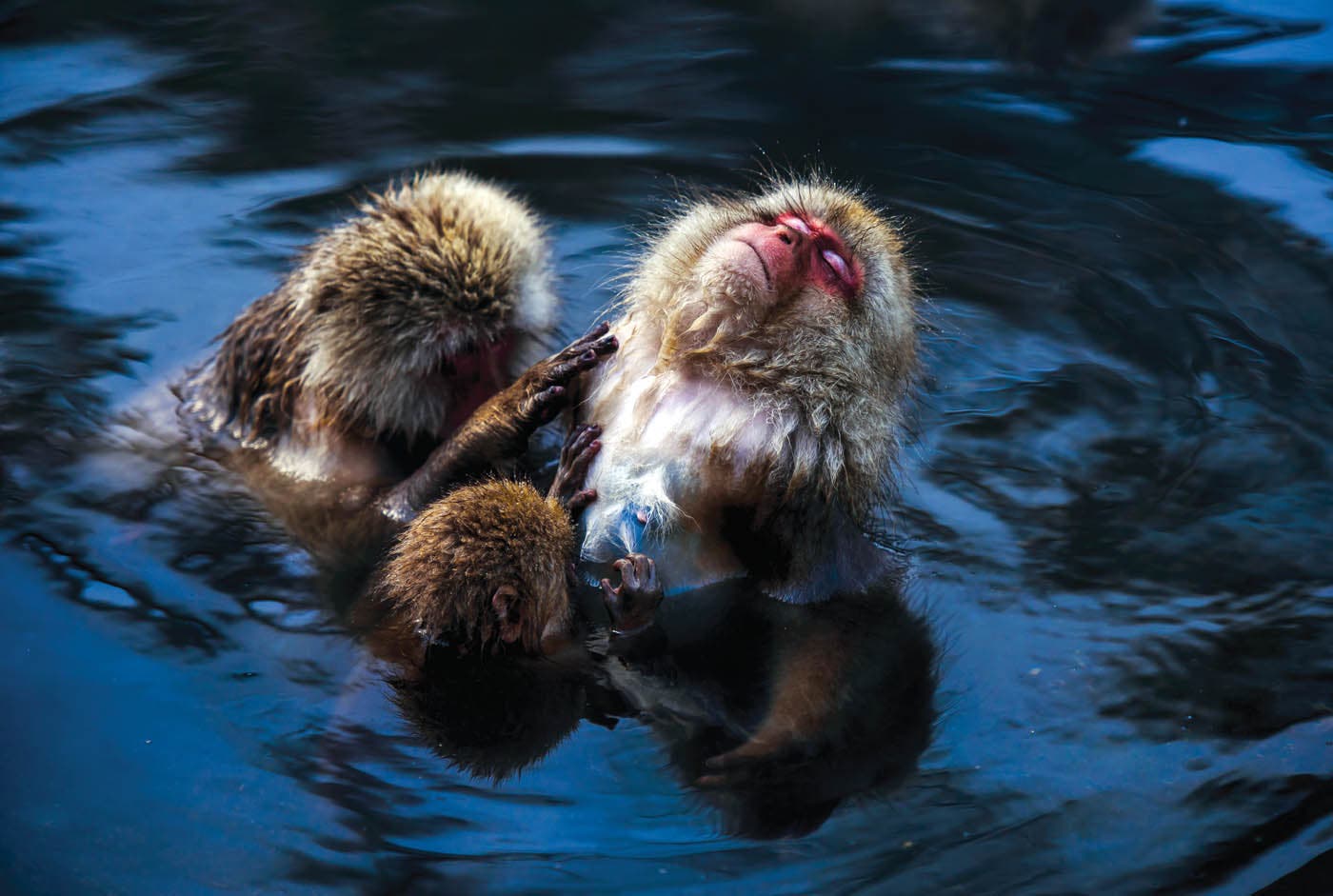
You never know who you’ll bump into in an onsen. (Photo credit Bruno Long)
In Japan, the best way to end a ski day might not involve a crowded bar. That’s because the country sits atop an abundance of geothermal activity, natural hot springs—known as onsens—are woven into everyday life in many mountain towns. That means you can trade ski boots for a soak in mineral-rich water while snow falls around you.
It’s hard to imagine a better recovery plan after a day chasing powder.
Some ski towns are practically built around the ritual. In places like Nozawa Onsen, public bathhouses are part of the fabric of the village. Other resorts offer hotel or outdoor onsens where you can soak with a view of the mountains you just skied. You can always have a beer afterward. It’s still après, after all.
No. 5: There Are More Ski Resorts Than You Could Possibly Visit
Japan is home to hundreds of ski areas, ranging from major international destinations to tiny community hills with a handful of lifts. That’s good news for anyone who likes exploring.
Related: Japan’s Next Big Powder Mecca Has All the Snow and Few Crowds
Sure, you can spend an entire week at Niseko or Hakuba. But part of the fun is discovering a place you never would have found from halfway around the world: a small mountain where the lifties know everyone, lunch comes from a cafeteria serving curry rice, and you may spend more time wondering how you ended up there than waiting in a lift line.
The big names are absolutely worth visiting, but some of the country’s best skiing take a little more effort—and an adventurous spirit—to find.
No. 6: You Can Ski Well After the Sun Goes Down
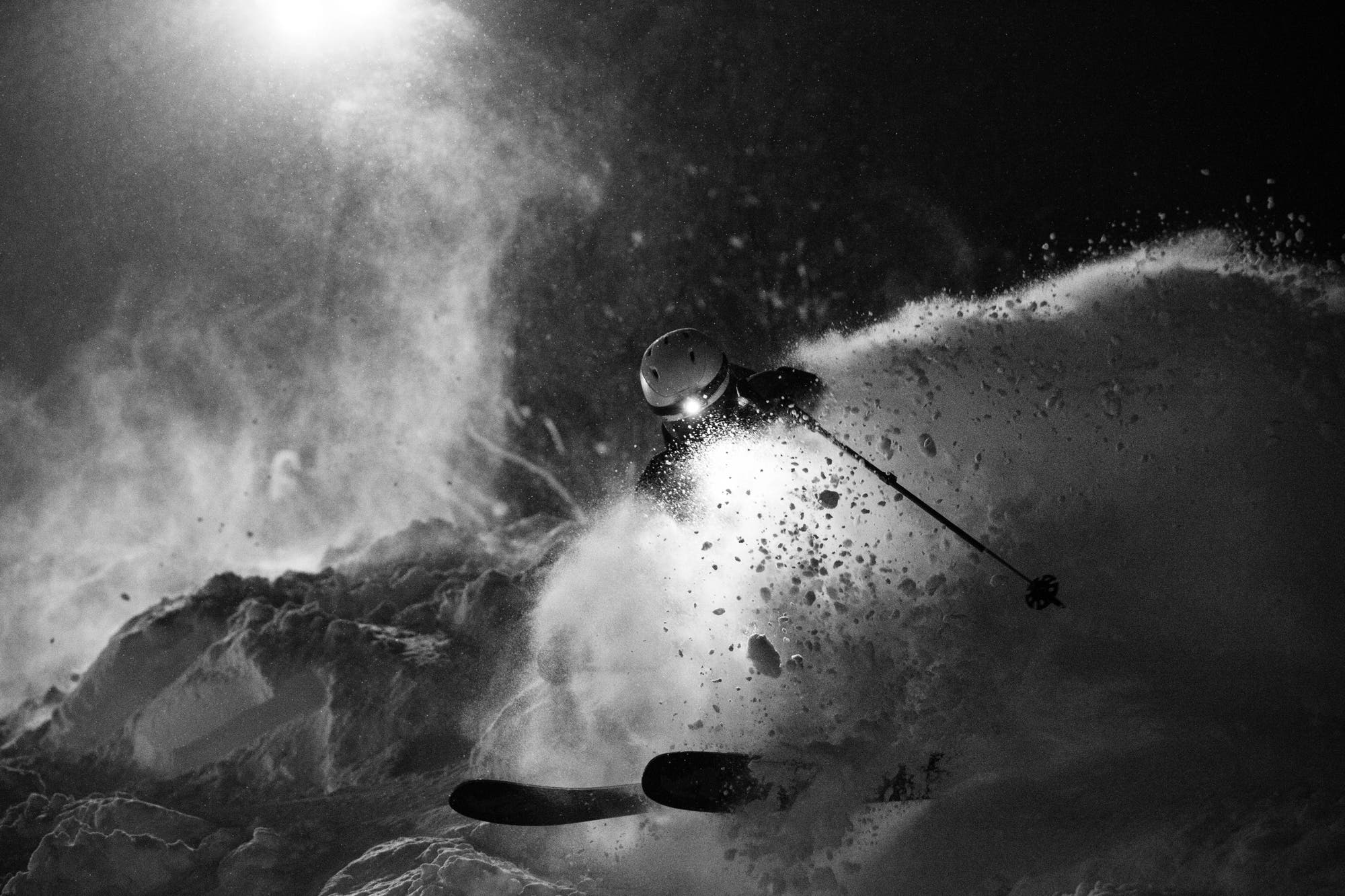
If a powder day ending at 4 p.m. feels like a waste, Japan has an answer: keep skiing. Night skiing is a bigger part of the experience at many Japanese resorts than it is in North America, with some mountains lighting up slopes well into the evening. The experience is especially memorable when it’s snowing—watching flakes streak through the lights while you lap a freshly groomed run.
Not every Japanese resort offers the same amount of night skiing, but at the right mountain, you can make a ski day stretch far longer than you expected.
If you are one of those people who can never seem to get enough skiing in, Japan is the place for you. Most resorts in Japan offer night skiing until closing around 9 p.m. This gives skiers ample time to explore the world-famous Japow!
No. 7: The Skiing Can Be Surprisingly Affordable
Getting to Japan is often the biggest expense of the trip. Once you’re there, the math starts to look a lot better than a comparable ski vacation in North America. Lift tickets at many Japanese resorts remain far below the eye-popping walk-up prices now common at major U.S. destinations. Food can also be refreshingly affordable, whether you’re grabbing a quick bowl of noodles or sitting down for a full meal. And depending on the pass you already have, you may be able to use included or discounted days at participating Japanese resorts through programs such as Ikon, Epic, Mountain Collective, or Indy.
The exact value depends on where you go and how you travel, of course. But Japan can be a much less extravagant ski trip than the plane ticket initially makes it seem.
No. 8: The Culture Is Part of the Ski Trip
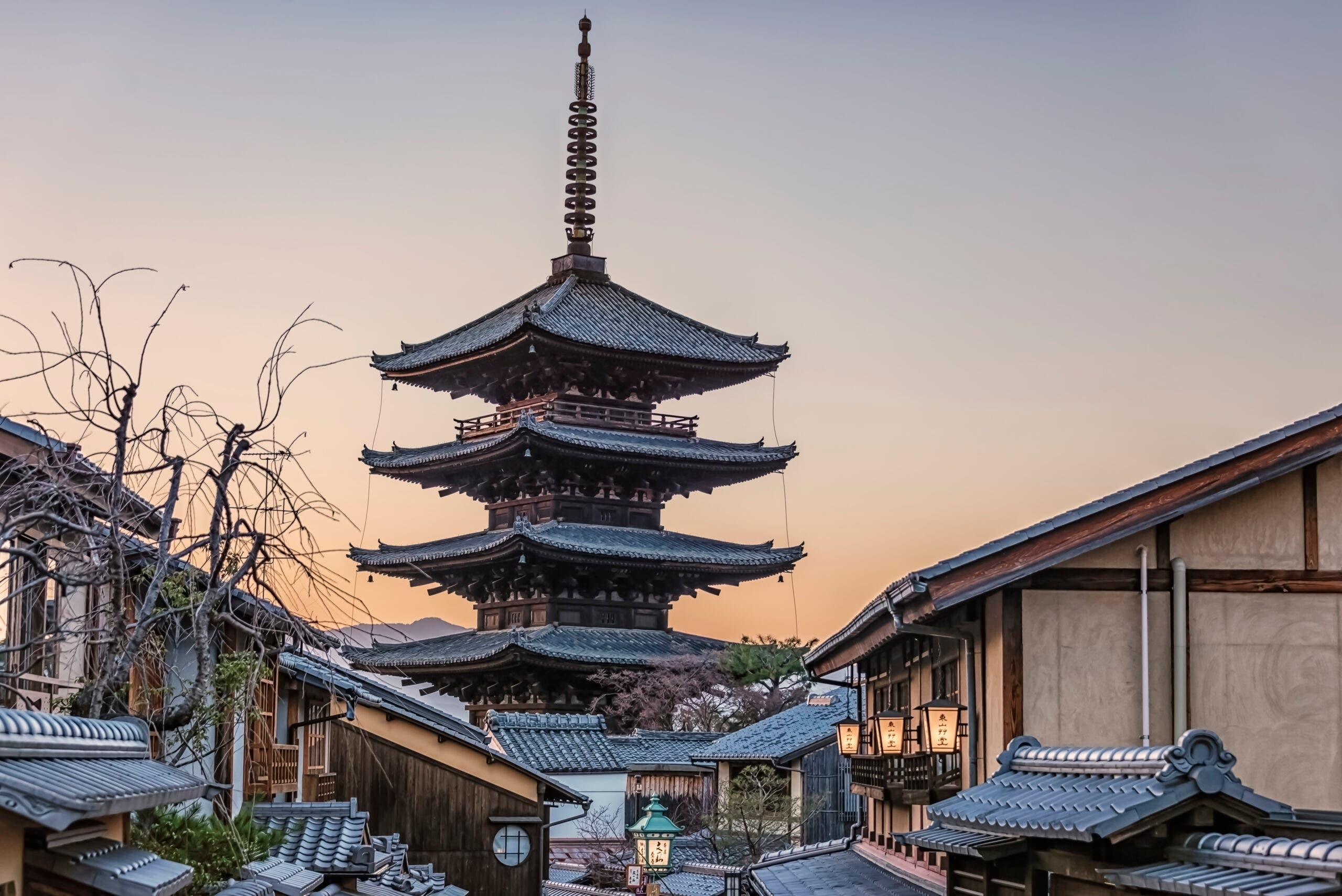
This may be the biggest difference between skiing in Japan and simply taking a long-haul flight to another ski resort. The mountains represent the larger culture—you can spend the morning skiing powder, eat ramen for lunch, soak in an onsen after skiing, wander through a centuries-old village before dinner, and end the night at an izakaya or karaoke bar.
What’s more, the architecture is truly fascinating. Tradition blends with modernism in a unique way not found anywhere else in the world. Temples and shrines are just a few of the sights you will find close to the ski towns and are definitely worth checking out.
Add a few days in Tokyo, Kyoto, or Sapporo before or after your ski trip, and suddenly your vacation becomes much more than a week at a resort. Japan lets you combine a serious ski trip with the kind of travel experience that stays with you long after the powder memories fade.
No. 9: Winter Comes With Its Own Spectacle
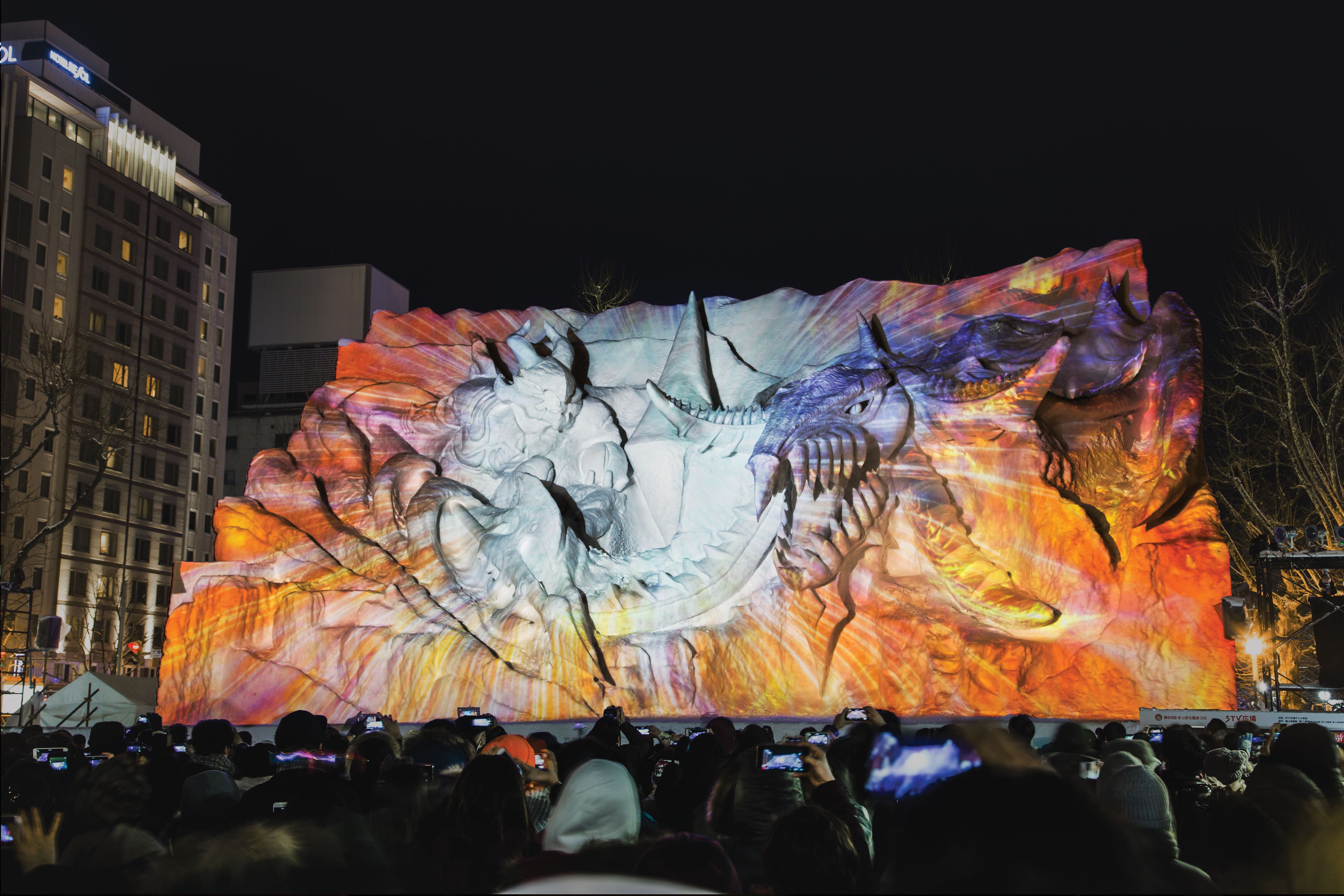
Winter is festival season in Japan, and depending on where and when you travel, you may be able to build your ski trip around events featuring enormous snow and ice sculptures, illuminated streets, traditional fire festivals, and regional celebrations. The Sapporo Snow Festival is the most famous, but it’s far from the only winter event worth seeking out. For skiers willing to build a little flexibility into their itinerary, a festival can turn a ski trip into something even more memorable.
Winter Festivals draw in tourists from around the world to view the dazzling displays, ice sculptures as big as buildings, and local music ranging from string quartets to famous Japanese pop stars. Stay warm by sampling a large selection of local liquors that can be tasted in one of the warming huts peppered throughout the festivals.
No. 10: It’s Easier to Plan a Trip Than You Think
For many American skiers, Japan remains a dream trip because it sounds intimidating. It’s on the other side of the world, you probably don’t speak the language., you’re not sure how to get around—or even where to go. The thought of planning everything can be enough to push the trip to someday.
Also Read: 8 New Nonstop Flights This Winter, Including to Tokyo and Sapporo
But major ski destinations have become increasingly accessible to international visitors, with established airport transfers, English-language information, guides, tour operators, and accommodations designed for foreign travelers. You can make the trip as independent—or as turnkey—as you want. The only big question will be why you waited so long.